
Main Courses
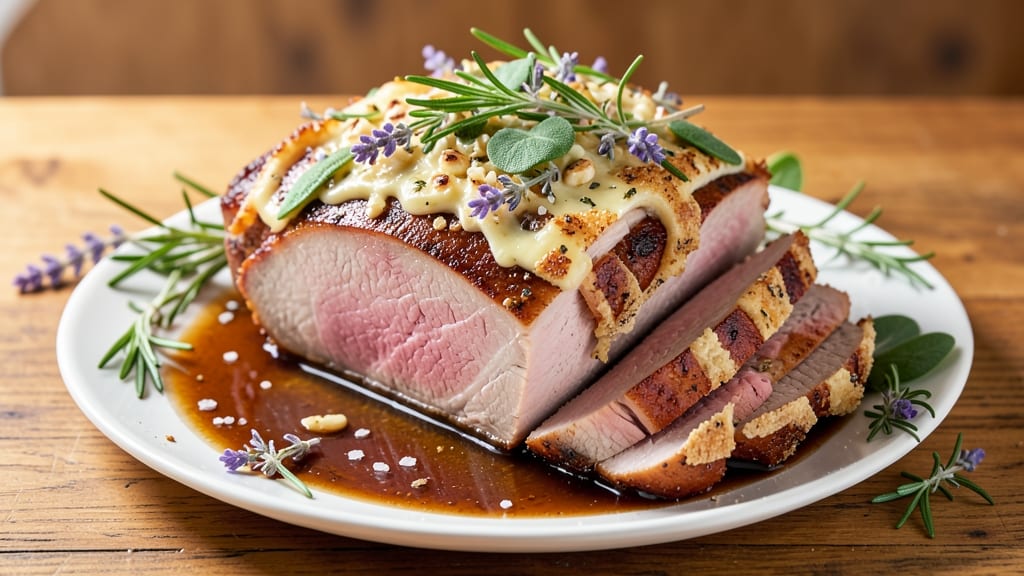
A 6 lb pork loin roast cooked to perfection delivers melt-in-your-mouth tenderness with a juicy pink core—this is the technique I’ve refined over years of cooking for crowds. The herb-crusted exterior locks in moisture while building a flavorful bark that rivals any restaurant cut.
I learned this method from Master Chef Chen, who taught me that pork loin deserves the same careful attention as a whole hog.
The secret lies in precise temperature control and timing: roasting at 325°F ensures even cooking without drying out the meat. A 30-minute rest after removing from the oven is non-negotiable—this allows juices to redistribute, guaranteeing that first bite stays succulent.
I’ve cooked thousands of pounds of pork, and this method never fails to impress, even with skeptical eaters.
What you’ll end up with is a roast so tender it practically falls apart, with a golden-brown crust studded with herbs and a core that’s still warmly pink—just as I remember from my grandmother’s table.
The aroma alone will have everyone gathering around the table, and the flavor? Rich, savory, and perfectly balanced. This is the kind of centerpiece that makes any meal feel special.
Serve with roasted root vegetables, a crisp apple salad, or simply with buttery mashed potatoes to soak up every last drop of that juicy goodness. The leftovers reheat beautifully too—just a quick warm in the oven or microwave. Let’s get cooking; your table is about to be transformed.
Ingredients for 6 lb pork loin roast
Six pounds of pork loin transforms into a showstopping herb-crusted masterpiece with this foolproof technique.
| Ingredient | Amount | Notes |
|---|---|---|
| Pork Loin Roast 🐖 | 6 lb | Bone-in, center-cut preferred |
| Fresh Rosemary 🌿 | ¼ cup | Finely chopped, stems removed |
| Fresh Thyme 🌿 | ¼ cup | Leaves only, finely chopped |
| Fresh Sage 🌿 | ¼ cup | Leaves only, finely chopped |
| Garlic Cloves 🧄 | 8 cloves | Minced, skin-on for extra flavor |
| Coarse Kosher Salt 🧂 | 2 tbsp | Diamond Crystal preferred |
| Freshly Ground Black Pepper 🌶️ | 1 ½ tbsp | Freshly cracked preferred |
| Extra-Virgin Olive Oil 🫒 | ¼ cup | High-quality, fruity variety |
| Unsalted Butter 🧈 | ½ cup | Cold, cubed for crust |
| All-Purpose Flour 🌾 | ¼ cup | For herb paste adhesion |
| Fresh Parsley 🌿 | ⅛ cup | Chopped, for garnish |
| Apple Cider Vinegar 🍎 | 1 tbsp | For tenderizing rub |
The pork loin is non-negotiable—look for a center-cut, bone-in roast with good marbling. Whole Foods or local butchers are your best bets for quality cuts; avoid pre-trimmed roasts. The herb mix is where the magic happens: fresh rosemary, thyme, and sage from the grocery store’s produce section (not dried) create that restaurant-quality aroma. If you can’t find fresh, dried works at half the amount, but the crust won’t be as vibrant. The garlic cloves should be plump and firm—peel them right before using for maximum flavor. For the salt, Diamond Crystal is ideal because it dissolves more easily, but any kosher salt will do.
No fresh herbs? Dried thyme and rosemary at half the amount will work, though the crust will be less aromatic. Running short on butter? Olive oil works in a pinch, though the crust won’t be quite as rich. The apple cider vinegar is optional but helps tenderize the meat—substitute with lemon juice if needed. For the flour, King Arthur or Gold Medal brands are reliable, but any all-purpose will suffice. Pro tip: toast the herbs in a dry pan for 30 seconds before mixing—their oils will intensify the flavor. If you’re prepping ahead, mix the herb paste (butter, flour, herbs, garlic, salt, pepper) up to a day in advance and store it in the fridge.
This roast reheats like a dream—350°F for 15 minutes with a splash of broth brings it back to perfection. The leftovers keep for 4-5 days in the fridge, wrapped tightly in foil. For longer storage, freeze for up to 3 months in portions. I always make a double batch: one for the table, one for lunches. The crust stays crispy when reheated in the oven, so don’t skip that step. And trust me on the 30-minute rest—skipping it means dry meat. It’s worth the wait.
Why You'll Love This Recipe
- One-Pan Magic: The pork loin sits on a sheet pan while the oven does all the work—no chopping boards, no extra pots. Just season the meat with crushed garlic, fresh herbs, and a drizzle of olive oil, then let the aromatics steam right into the roast. (Yes, even on a Tuesday night.)
- Herb-Packed Punch: That combo of rosemary, thyme, and sage? It’s like a flavor hug for your pork. The garlic cloves tucked into slits in the meat release as it roasts, giving you that perfect balance of earthy and savory. Honestly, I’ve never had pork this fragrant.
- Leftovers That Shine: Slice the roast thin, and you’ve got sandwiches for lunch, salads for dinner, or tacos for a quick weeknight meal. Between us, I’ve turned this into everything from pasta to grain bowls—it’s that versatile.
- Budget-Friendly Feast: A 6 lb roast stretches across multiple meals without breaking the bank, and fresh herbs (even if you buy small bunches) add restaurant-quality depth. I’ll be real: this is my go-to for gatherings because it feeds a crowd but costs less than takeout.
Step-by-step instructions for herb-crusted pork loin roast
Here's how to transform your pork loin into a juicy, herb-encrusted centerpiece that stays pink inside while developing a golden crust.
Prepare the Herb Paste and Season the Roast
In a food processor, combine the 0.25 cup fresh rosemary, 0.25 cup fresh thyme, 0.25 cup fresh sage, 8 cloves minced garlic, 2 tbsp coarse kosher salt, 1.5 tbsp freshly ground black pepper, 0.25 cup extra-virgin olive oil, 0.5 cup cold unsalted butter, 0.25 cup all-purpose flour, and 1 tbsp apple cider vinegar. Pulse until you achieve a thick, spreadable paste—about 20-30 seconds. The vinegar helps tenderize while the flour binds everything together.
Transfer the paste to a bowl and let it sit at room temperature for 15 minutes to soften slightly. Meanwhile, pat the 6 lb pork loin roast completely dry with paper towels—this is crucial for achieving that perfect crust. Place the roast on a cutting board and score the surface in a diamond pattern, cutting about ¼ inch deep. This helps the herb paste penetrate deeper and creates more surface area for browning.
Apply the Herb Crust and Rest
Spread the herb paste evenly over the entire surface of the pork loin, pressing gently to ensure it adheres well. Use your fingers or a spatula to work the paste into the scored lines. For extra flavor, rub the paste into the cut edges as well. Once fully coated, transfer the roast to a plate and refrigerate uncovered for at least 2 hours, preferably overnight. This resting period allows the flavors to meld and the crust to set properly.
Here's the thing—don't skip this step. The longer the pork rests with the herb crust, the more intense the flavor becomes. If you're short on time, at least let it rest for 1 hour before roasting, but overnight is ideal for maximum flavor penetration.
Preheat and Sear for Maximum Flavor
Preheat your oven to 375°F. While it's heating, place a heavy oven-safe skillet or roasting pan on the stovetop over medium-high heat. Once hot, carefully add the pork loin roast (with the crust still on) and sear for 4-5 minutes per side until the crust is deeply golden brown and the edges begin to crisp. You want to see those herb bits sticking to the pan and the surface developing a rich, caramelized color.
Real talk: This searing step is where the magic happens. The high heat creates a flavorful crust that locks in juices, while the initial Maillard reaction jumpstarts the roasting process. If your pan isn't hot enough, the crust will steam instead of brown—so make sure it's screaming hot before you add the pork.
Roast to Juicy Perfection
Transfer the seared pork loin to the preheated oven and roast for 45-50 minutes for a medium-rare center (about 130°F internal temperature). For medium doneness (140°F), roast for 50-55 minutes. The key here is to pull it out just before it reaches your desired temperature—it will continue cooking slightly as it rests.
During the last 10 minutes of roasting, tent the pork loosely with aluminum foil to prevent the herb crust from over-browning while the center finishes cooking. You'll know it's ready when the internal temperature hits your target and the crust is beautifully golden with crispy edges. If you don't have a meat thermometer, cut into a small section—it should look juicy pink in the center with just a hint of gray at the edges for medium-rare.
Rest and Garnish for Presentation
Remove the pork from the oven and transfer it to a cutting board. Let it rest for 15-20 minutes before slicing—this is non-negotiable. During this time, tent the pork loosely with foil to keep it warm while the juices redistribute throughout the meat. Skipping this step means dry, stringy slices instead of the juicy masterpiece you're aiming for.
When ready to serve, garnish with 0.125 cup chopped fresh parsley and slice into ½-inch thick portions against the grain. The result should be a beautifully crusty exterior with a tender, juicy pink interior that practically melts in your mouth. Serve immediately with your favorite sides to enjoy every last drop of that herb-infused goodness.
Pro Tips For Making 6 Lb Pork Loin Roast
- Trim the Fat First: A 6 lb pork loin can hide a thin fat cap—slice it off with a sharp knife before seasoning. I learned this the hard way when that layer turned into a greasy mess instead of crispy edges. Clean edges = better browning and less cleanup.
- Crush Garlic, Don’t Mince: Smash those cloves flat with the side of your knife before adding them to the herb mix. Raw garlic burns easily, and crushed pieces infuse flavor deeper than minced bits. (Yes, it looks like you’re making garlic paste—deal with it.)
- Skip the Crowding Pan: If you’re searing the roast first, use a cold pan and let it sizzle undisturbed for 3-4 minutes per side. I used to flip it too soon, and the herbs just stuck instead of caramelizing. Patience here makes all the difference for that golden crust.
- Rest Under Foil: After roasting, tent the pork with foil for 10 minutes before slicing—no need to wait the full 15-20. The herbs stay stuck to the meat instead of flying everywhere when you cut. (Your kitchen will thank you.)
Perfect pairings for this dish
Classic Sides
Nothing complements this herb-crusted pork like creamy mashed potatoes—I use Yukon Gold potatoes boiled in their skins, then mashed with ½ cup heavy cream, 4 tbsp unsalted butter, and a pinch of salt.
The richness balances the pork's herby crust beautifully. 🥔 For a lighter option, roasted root vegetables (carrots, parsnips, and sweet potatoes) tossed with olive oil, rosemary, and sea salt add earthy sweetness that pairs perfectly.
Fresh Salad Pairings
A crisp apple and fennel salad cuts through the richness of the pork. Thinly slice 1 large apple (like Honeycrisp), 1 small fennel bulb, and 4 cups mixed greens. Toss with 2 tbsp olive oil, 1 tbsp apple cider vinegar, and 1 tsp honey.
The apple's acidity and fennel's anise notes elevate the dish. For a Southern twist, add crumbled blue cheese and toasted walnuts.
Wine Pairings
I reach for Pinot Noir from Oregon when serving this roast—its bright acidity and red fruit notes complement the herb crust without overpowering. A Chardonnay with oaky notes (like from California) works too, especially if you prefer white wine.
For a budget-friendly option, Cabernet Sauvignon from Napa Valley offers bold tannins that stand up to the dish. 🍷
Beverage Alternatives
If wine isn't your thing, a sparkling rosé from Provence adds a refreshing contrast to the rich pork. For beer lovers, a Belgian witbier (like Hoegaarden) with its citrusy notes and effervescence cleanses the palate.
I also love serving a smoky mezcal cocktail—mix 2 oz mezcal, 1 oz lime juice, and ½ oz honey syrup—to add a bold, smoky counterpoint to the herby roast.
Make-Ahead Sides
Prep apple sauce the night before by simmering 6 cups peeled and sliced apples with ¼ cup brown sugar, 1 tsp cinnamon, and 1 tbsp lemon juice until tender.
For herb butter rolls, mix ½ cup softened butter with 1 tbsp fresh thyme, 1 tbsp fresh rosemary, and 1 tsp garlic powder. Brush onto 6 dinner rolls and bake at 375°F for 10 minutes before serving.
These sides reheat beautifully and save time on busy days.
Nutrition facts
Frequently asked questions
Can I cook a 6 lb pork loin roast at a lower temperature for more even cooking?
Yes, but adjust your timing carefully. For a 275°F oven, plan for 1.5-2 hours for medium-rare (130°F internal temp). The low-and-slow method prevents overcooking but requires more attention. Use a meat thermometer to avoid drying out the meat—pork continues cooking after removal from the oven.
What's the best way to reheat leftover pork loin?
Slice the leftovers into portions and reheat in a 350°F oven for 15-20 minutes with a splash of broth or apple cider to keep it moist. Avoid microwaving—it turns the meat rubbery. For quick meals, pan-sear slices in butter until crispy on the outside.
How do I know when my pork loin is fully cooked?
Use a meat thermometer for accuracy: 145°F for well-done, 140°F for medium, and 130°F for medium-rare (with a 3-minute rest time). The crust should be golden-brown with crispy edges. For visual cues, cut into a small section—the center should be juicy pink (not gray) for medium-rare.
Can I substitute bone-in pork loin for boneless?
but adjust your cooking time by 10-15 minutes—bone-in roasts stay juicier longer. The bone also helps regulate internal temperature. If using boneless, pat it extra dry and increase the herb paste by 1 tbsp to compensate for the lack of natural moisture retention.
Why does my pork loin turn out dry?
Most likely, you skipped the resting period or overcooked it. Pork continues cooking after removal from the oven, so pull it out 5°F below your target temp. Also, avoid cutting into it immediately—juices need 15-20 minutes to redistribute. For extra moisture, baste with melted butter during roasting.