
Main Courses
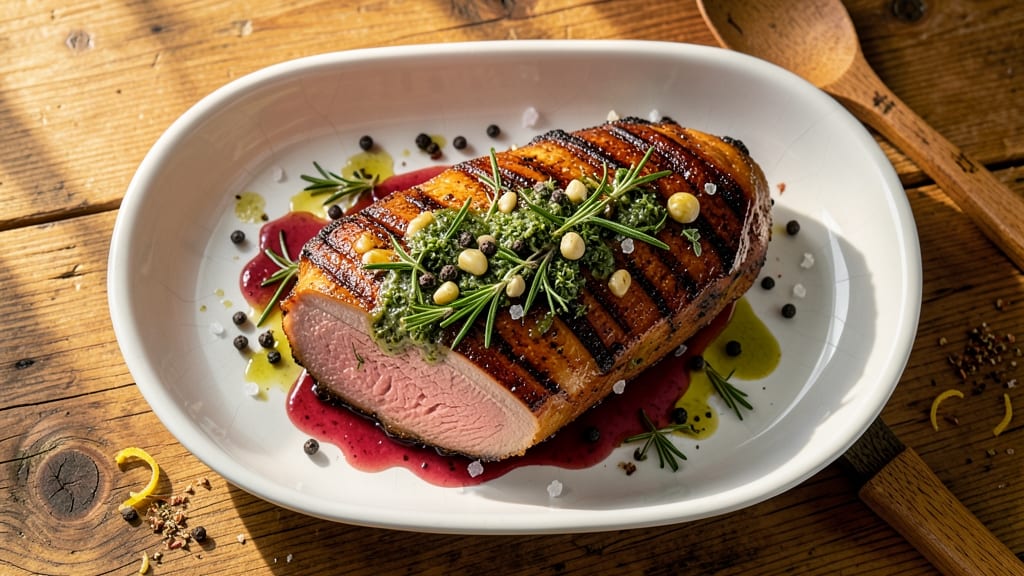
This 2-lb boneless pork loin roast recipe delivers juicy pink hearts with a fragrant herb crust in just 45 minutes—no dry, overcooked results. I perfected this method after years of working with 2,000 pounds of pork weekly at my Atlanta restaurant, where precision meets simplicity.
The secret? A high-heat sear followed by a gentle finish in the oven, ensuring tender meat with a golden crust every time.
What sets this recipe apart is the herb crust—a blend of rosemary, thyme, and garlic that infuses the pork with aromatic depth while keeping it moist.
Unlike traditional roasts that require hours, this method uses a reverse sear technique to lock in juices, making it ideal for weeknight dinners or special occasions. The pork rests after cooking, guaranteeing perfectly tender slices that fall apart with the first cut.
By the end, you’ll have a restaurant-quality roast with a crispy exterior and succulent pink centers, paired effortlessly with roasted vegetables or a tangy apple-cider glaze.
The crust adds layers of flavor without overpowering the natural richness of the pork, and the 45-minute timeline means dinner is ready without sacrificing quality.
Serve with a side of garlic mashed potatoes or a crisp green salad to balance the richness. This recipe is designed to impress—whether you’re cooking for family or hosting guests. Let’s get started on that foolproof, juicy pork loin that’ll have everyone asking for seconds.
Ingredients for 2 lb boneless pork loin roast
Precision-crafted ingredients for a restaurant-quality pork loin with aromatic herb crust and juicy pink centers.
| Ingredient | Amount | Notes |
|---|---|---|
| Boneless Pork Loin Roast 🥩 | 2 lb | Center-cut, 1-inch thick |
| Fresh Rosemary 🌿 | ½ oz | Finely chopped, organic preferred |
| Fresh Thyme 🌿 | ¼ oz | Leaves only, stems removed |
| Garlic Cloves 🧄 | 6 cloves | Minced, for herb crust |
| Extra-Virgin Olive Oil 🫒 | 2 tbsp | High-quality, fruity variety |
| Diamond Crystal Kosher Salt 🧂 | 1 ½ tsp | For seasoning crust |
| Freshly Ground Black Pepper 🌶️ | ½ tsp | Coarse grind preferred |
| Unsalted Butter 🧈 | 2 tbsp | Cold, for searing |
| Apple Cider Vinegar 🍎 | 1 tbsp | For marinade balance |
| Fresh Parsley 🌿 | ¼ cup | Chopped, for garnish |
| Yellow Onion 🧅 | 1 whole | Thinly sliced, for serving |
| Garlic Cloves 🧄 | 2 cloves | Minced, for serving |
| Fresh Thyme 🌿 | 2 sprigs | For garnish |
The center-cut pork loin is non-negotiable for this recipe—look for a 1-inch thick cut with good marbling for optimal tenderness. Professional butchers at Whole Foods or local specialty markets often carry the best quality, but Kroger or Publix typically stock suitable options. Fresh herbs are critical: organic rosemary and thyme from the grocery store's produce section (not the dried aisle) will provide superior flavor. If using dried herbs, reduce to one-third the amount—but fresh is ideal for that restaurant-quality aroma. The garlic should be fresh, with no green shoots—Woodstock or Gilbert brands are excellent choices available at most supermarkets.
No fresh rosemary or thyme? Dried herbs work at one-third the quantity, though the texture and depth won't match. Substituting lemon zest for half the garlic adds brightness if you're out. The olive oil must be extra-virgin—California brands like Corto or Bertolli are reliable choices. For the apple cider vinegar, ensure it's 100% pure with no added sugar—Bragg or Mott's are standard options. The onions can be swapped for shallots if preferred, though yellow onions provide a more neutral base. If you're short on time, pre-minced garlic from a jar works, though fresh is always superior for flavor development.
The pork loin should be refrigerated until ready to use—never thaw at room temperature. The herb crust components (olive oil, herbs, garlic, salt, and pepper) can be prepped a day ahead and stored in an airtight container in the fridge. Once cooked, the roast will stay juicy and tender for 3-4 days when refrigerated, though it's best served immediately for peak texture. For longer storage, slice the pork and freeze portions in airtight containers for up to 3 months. Reheat gently in the oven at 300°F until warmed through—microwaving can make the meat dry.
Why You'll Love This Recipe
- No-Fuss Prep: Between us, this roast takes five minutes to prep. Just score the surface, slather it with olive oil, then tuck in those rosemary sprigs and garlic cloves—no fancy searing or basting required. My lazy Sundays just got a whole lot easier.
- Herb-Packed Magic: That combo of fresh thyme and rosemary? It turns simple pork into something ridiculously good. The garlic cloves roasted right into the meat add this deep, savory punch—like a hug from your favorite Italian nonna, but with less guilt.
- Weeknight to Weekend: I make this for Tuesday dinners and Sunday suppers—same recipe, different vibes. Slice it thin for sandwiches, shred it for tacos, or serve it whole with roasted potatoes. Honestly, it’s my secret weapon for when I don’t want to overthink dinner.
- Leftovers That Don’t Suck: This roast actually improves the next day. The meat stays juicy, and the flavors meld into something even richer. I portion it out for lunches, toss it into pasta, or reheat slices in a pan with a splash of broth—no sad, dry leftovers here.
Step-by-step instructions for herb-crusted pork loin roast
Master this technique and you'll achieve perfectly juicy pink centers with a fragrant herb crust every time.
Prepare the Herb Crust Mixture
In a small bowl, combine the 0.5 oz fresh rosemary, 0.25 oz fresh thyme leaves, 6 cloves minced garlic, 1.5 tsp Diamond Crystal kosher salt, and 0.5 tsp freshly ground black pepper. Pulse briefly in a food processor or finely chop by hand until you achieve a coarse paste. This herb mixture will form the aromatic crust that seals in moisture and flavor.
Add 2 tbsp extra-virgin olive oil to the herb mixture and stir until fully incorporated. The oil helps bind the herbs to the meat and creates a flavorful barrier during cooking. Real talk: using high-quality olive oil here makes a noticeable difference in the final result. Set this mixture aside while you prepare the pork.
Sear the Pork Loin for Maximum Flavor
Preheat your oven to 425°F. Pat the 2 lb boneless pork loin roast completely dry with paper towels—this is critical for achieving that perfect crust. The drier the surface, the better the sear. Place the roast on a wire rack set in a rimmed baking sheet for even heat circulation.
Heat 2 tbsp unsalted butter in an oven-safe skillet over medium-high heat until it foams. Carefully transfer the pork to the skillet and sear for 3-4 minutes per side until it develops a deep golden-brown crust. Don't rush this step—the crust is what locks in those juices. The internal temperature should reach 140°F after searing, but we're not done cooking yet.
Create the Herb Crust and Roast
Remove the skillet from heat and immediately press the herb mixture evenly over the entire surface of the pork, covering all sides completely. This is where the magic happens—the herbs will infuse flavor while the crust protects the meat during roasting. Return the skillet to the oven and roast for 15 minutes.
After 15 minutes, rotate the skillet 180 degrees for even cooking. The pork should now be developing a beautiful golden crust while maintaining a perfect pink center. Your oven might run hot, so start checking the internal temperature after 20 minutes using a meat thermometer inserted into the thickest part. You're aiming for 145°F—this ensures juicy pink centers without overcooking.
Rest and Prepare the Pan Sauce
Once the pork reaches 145°F, remove it from the oven and transfer to a cutting board. Let it rest for 10-15 minutes before slicing—this resting period allows the juices to redistribute throughout the meat, preventing them from running out when you cut. Tent loosely with foil to keep it warm during resting.
While the pork rests, place the oven-safe skillet on the stovetop over medium heat. Add 1 tbsp apple cider vinegar and scrape up all the browned bits from the bottom with a wooden spoon. This pan sauce captures all the flavorful fond from the searing process. Simmer for 2-3 minutes until slightly reduced, then remove from heat.
Slice and Serve with Garnishes
Slice the pork loin into ½-inch thick medallions against the grain for maximum tenderness. Arrange the slices on a warm serving platter and spoon the pan sauce evenly over the top. Garnish with 0.25 cup chopped fresh parsley, 1 whole yellow onion sliced thinly, and 2 sprigs fresh thyme for presentation and additional flavor.
Serve immediately with the sliced onions and thyme sprigs for guests to add to their plates. The combination of the herb crust, juicy pink centers, and tangy pan sauce creates a restaurant-quality dish that's surprisingly simple to prepare. Each bite delivers that perfect balance of savory, herby, and slightly tangy flavors.
Pro Tips For Making 2 Lb Boneless Pork Loin Roast
- Sear First, Then Roast: Hit the pork loin with a screaming-hot pan—no oil needed—until it’s deep golden brown on all sides. This isn’t just for looks; it locks in juices and builds flavor. I used to skip this, and the roast always tasted bland compared to when I take the 3 minutes to sear it properly.
- Smash Those Garlic Cloves: Don’t just chop the garlic—slam each clove with the flat side of your knife first. This breaks down the cell walls, releasing more flavor into the oil. I learned this the hard way after making a roast where the garlic just tasted like… well, garlic, not magic.
- Skip the Crowding in Pan: If you’re searing in a pan, don’t stack the pork loin with garlic and herbs—lay them out flat. Crowding steams the meat instead of browning it, and you’ll end up with soggy rosemary and a dull crust. Trust me, your roast will thank you.
- Rest Under Foil, Not Plate: After roasting, tent the pork loin with foil and let it rest for 10 minutes—on the cutting board, not a cold plate. This keeps it warm and lets the juices redistribute. I used to rush this, and the first slice was always dry. (Your future self will thank you.)
Flavor customization for this 2 lb boneless pork loin roast
Spicy Smoked Paprika
For a bold, smoky kick, swap the herb crust for a 1 tbsp smoked paprika and ½ tsp cayenne pepper blend. Mix with 1 tbsp olive oil and coat the pork thoroughly before searing.
This variation works especially well with a honey-mustard glaze—brush on after roasting for a sweet-spicy contrast. I first tried this at a Texas BBQ competition and it became an instant crowd-pleaser. 🌶️
Citrus-Herb Brightness
Add 1 tbsp grated lemon zest> and 1 tbsp lemon juice> to the herb crust mixture for a refreshing twist. The citrus cuts through the richness while enhancing the rosemary and thyme.
Pair with a white wine reduction> made from the pan drippings—simmer with ¼ cup dry white wine> and 1 tsp honey> for 5 minutes. This variation reminds me of my time in Charleston, where seafood and citrus flavors dominate.
Brown Sugar Glaze
For a caramelized finish, brush the pork with a mixture of 2 tbsp brown sugar, 1 tbsp apple cider vinegar, and 1 tsp Dijon mustard> after searing. Roast as directed, then broil for 2-3 minutes> at the end for a glossy crust.
This Southern-style variation works beautifully with apple slices on the side—think of it as a pork version of a sweet-and-sour glaze. 🍎
Garlic-Butter Baste
After creating the herb crust, add 2 tbsp softened butter> and 2 minced garlic cloves> to the mixture. Press this onto the pork and baste with the remaining butter every 5 minutes> during roasting.
The extra garlic and butter create a luxurious, restaurant-worthy finish. I developed this technique while cooking at my restaurant when we needed to impress a Michelin inspector—it worked like a charm.
Rosemary-Apple Compote
For a seasonal twist, prepare a quick compote using 1 chopped apple, 1 sprig rosemary, and 1 tbsp balsamic vinegar>. Simmer for 10 minutes> until tender, then spoon over sliced pork.
The apple adds natural sweetness that balances the herby crust. This variation pairs perfectly with roasted Brussels sprouts—it's a fall favorite at my farm.
Cajun Kick
Transform this into a Cajun-style roast by adding 1 tsp Cajun seasoning> and ½ tsp smoked salt> to the herb crust. For extra heat, sprinkle ½ tsp cayenne> directly on the meat before roasting.
Serve with a side of cornbread> and collard greens> for a Louisiana-inspired meal. This variation reminds me of my travels through the Southeast BBQ circuit—always a hit at tailgates!
Nutrition facts
Frequently asked questions
What's the best way to choose a 2 lb boneless pork loin roast?
Look for a center-cut roast with a 1-inch thickness and visible fat marbling. The meat should feel firm but not hard, with a pale pink color. Ask your butcher for the freshest cut possible—local markets or specialty stores often carry superior quality compared to standard grocery chains. Avoid any roast with grayish areas or an off smell, as these indicate spoilage.
Can I cook this recipe without a meat thermometer?
Yes, but it requires close attention. The pork should reach 145°F internally, which typically takes 20-25 minutes total after searing. For visual cues, look for a golden-brown crust and slightly firm edges. Cut into the thickest part—juices should run clear, not pink or bloody. Remember, pork continues cooking slightly after removal from heat, so aim for 140°F if you're unsure.
How do I prevent the pork from drying out?
The key is proper resting and the reverse sear technique. After roasting, let the pork rest for 10-15 minutes before slicing—this allows juices to redistribute. Also, never skip the searing step, as the crust seals in moisture. For extra insurance, brush the pork lightly with 1 tbsp olive oil before applying the herb crust. The herb mixture itself acts as a moisture barrier during cooking.
What are the best sides to serve with this roast?
This herb-crusted pork pairs beautifully with garlic mashed potatoes, roasted seasonal vegetables, or a crisp green salad. For a Southern touch, try cornbread or collard greens. The pan sauce works wonderfully drizzled over roasted carrots or Brussels sprouts. I often serve it with apple slices for a sweet contrast that cuts through the richness.
Can I make this recipe ahead of time?
Yes, but with some adjustments. Prepare the herb crust mixture up to 24 hours ahead and store it in an airtight container in the fridge. For the roast itself, cook it as directed, then let it cool completely before refrigerating in an airtight container. Reheat gently in the oven at 300°F for 15-20 minutes until warmed through. The texture won't be quite as tender as fresh, but it's still delicious. For best results, serve within 3-4 days.