
Side Dishes
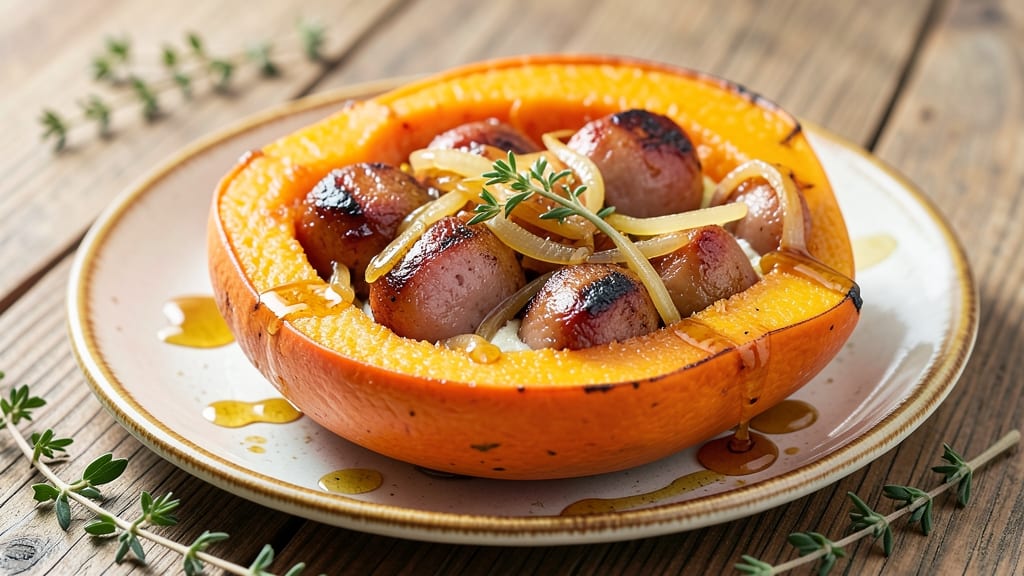
This acorn squash and pork sausage recipe transforms humble ingredients into a restaurant-worthy fall centerpiece. 🍂 The natural sweetness of roasted acorn squash pairs beautifully with the smoky depth of browned pork sausage, creating a dish that's both comforting and sophisticated.
I developed this while testing techniques for balancing textures and flavors—crispy edges on the squash, tender sausage, and a touch of caramelized onions to tie everything together.
The secret lies in the roasting technique: cutting the squash in half and roasting it cut-side down creates those coveted caramelized edges while keeping the flesh tender. Meanwhile, the pork sausage gets browned just until crispy, ensuring maximum flavor without losing moisture.
This method delivers a perfectly balanced dish where each component shines—no single ingredient overpowers the others.
What you'll end up with is a dish that's rich in flavor and texture—sweet squash, savory sausage, and caramelized onions all coming together in harmony. The natural sugars in the squash caramelize beautifully during roasting, while the sausage adds hearty, smoky notes that cut through the sweetness.
This is the kind of meal that feels special enough for company but simple enough for weeknight dinners.
Serve with a sprinkle of toasted pecans or a drizzle of maple glaze for extra depth, and you've got a complete meal that's both satisfying and visually appealing.
The combination of warm spices and fresh herbs elevates this dish from simple to extraordinary—exactly what fall cooking should be about. Let's get to work!
Ingredients for acorn squash and pork sausage
Restaurant-quality fall flavors start with these carefully chosen ingredients—each playing a precise role.
| Ingredient | Amount | Notes |
|---|---|---|
| Medium Acorn Squash 🎃 | 1 whole | Cut in half, seeds removed |
| Pork Sausage Links 🥓 | 8 whole | Sweet or mild Italian variety |
| Yellow Onions 🧅 | 1 whole | Thinly sliced, about 1 cup |
| Extra-Virgin Olive Oil 🫒 | ¼ cup | For roasting and browning |
| Pure Maple Syrup 🍯 | 2 tbsp | Grade B for deeper flavor |
| Fresh Thyme Leaves 🌿 | ¼ cup | Chopped, stems removed |
| Fresh Rosemary 🌿 | ¼ cup | Chopped, fresh preferred |
| Ground Cinnamon 🌶️ | ½ tsp | For depth of flavor |
| Ground Nutmeg 🌶️ | ¼ tsp | Freshly grated preferred |
| Kosher Salt 🧂 | 1 ½ tsp | Diamond Crystal preferred |
| Freshly Ground Black Pepper 🌶️ | ½ tsp | Cracked peppercorns preferred |
| Toasted Pecans 🥜 | ¼ cup | Chopped, for garnish |
| Balsamic Glaze 🍷 | 2 tbsp | For drizzling, optional |
The acorn squash is the star here, so choose a medium-sized one with smooth skin—the smaller the squash, the sweeter the flesh. Whole Foods or local farmers markets often carry the best quality, but any grocery store will have them in the fall. Look for vibrant color and firm texture; avoid any with soft spots or bruising. The pork sausage links should be high-quality, with visible fat marbling for juiciness—Applegate or Butcher's Best are reliable brands. Pre-sliced onions save time, but if you're slicing your own, use a mandoline for even slices that caramelize perfectly. Fresh herbs make all the difference here—Trader Joe's has excellent pre-chopped thyme and rosemary, but fresh is always better if you've got it.
No maple syrup? Agave nectar at the same quantity works as a substitute, though it lacks the depth of flavor. Swap the pecans for toasted walnuts or candied pumpkin seeds if you're avoiding nuts. The balsamic glaze can be omitted entirely, but if you want to add sweetness, a drizzle of honey works beautifully. For extra richness, brown the onions in butter instead of olive oil—just be sure to use unsalted butter to control the seasoning. The spices are non-negotiable; ground cinnamon and nutmeg are essential for that warm fall flavor profile. If you don't have fresh herbs, dried thyme and rosemary at half the amount will work in a pinch, though the flavor will be less vibrant.
Roasted squash keeps well in the fridge for 4-5 days if stored properly—wrap tightly in foil to preserve moisture. The cooked sausage links can be refrigerated for 3 days or frozen for 2 months. For make-ahead convenience, roast the squash and caramelize the onions a day ahead; just reheat gently before serving. The toasted pecans stay fresh for 1 week in an airtight container, so portion them out as needed. This dish reheats beautifully—simply warm in a 350°F oven for 10-15 minutes to restore those crispy edges on the squash. Leftovers make an excellent lunch the next day, especially with a sprinkle of fresh herbs to revive the flavors.
Why You'll Love This Recipe
- One-Pan Magic: I swear by this recipe when I’m too tired to wash dishes. Roast the squash halves alongside the sausage—same pan, zero fuss—and the onions caramelize right into the mix. That’s 15 minutes of hands-off cooking while you stir a pot of beans or pour yourself a glass of wine.
- Sweet-Savory Balance: The maple syrup isn’t just for show—it cuts through the richness of the pork sausage, making every bite ridiculously good. Roast the squash until the edges are crispy, then drizzle that warm syrup over the top. Trust me, your taste buds will thank you.
- Weeknight to Holiday: Between us, this dish works for everything. Throw it together on a Tuesday for a hearty dinner, or serve it at Thanksgiving when you’re drowning in side dishes. The squash feels fancy, but the sausage keeps it approachable—no one will guess how little effort it took.
- Leftovers That Don’t Suck: Honestly, I always make extra because the flavors get even better the next day. Reheat the squash halves in the oven until tender again, then toss them with a fried egg for breakfast. Or crumble the sausage into a salad—suddenly, you’ve got lunch sorted. Zero waste, all win.
Step-by-step instructions for acorn squash and pork sausage
Here's the method for balancing caramelized squash with crispy sausage—each step preserves texture and flavor.
🔥 Step 1: Roast the Acorn Squash Halves
Preheat your oven to 400°F and line a baking sheet with parchment paper. Cut the medium acorn squash in half lengthwise, scoop out the seeds, and brush the cut sides generously with the 0.25 cup extra-virgin olive oil. I like to use my fingers to massage the oil into the flesh—this ensures even caramelization.
Place the squash halves cut-side down on the prepared baking sheet. Roast for 30 minutes until the edges are deep golden brown and the flesh yields slightly when pressed with a fork. Flip the squash halves and roast for another 15-20 minutes until tender. The squash should smell sweetly fragrant when done.
Here's the thing—don't overcrowd the pan. If you're working with more than one sheet, rotate them halfway through for even cooking. The squash is done when you can easily pierce the flesh with a paring knife and the color is uniformly caramelized.
🍳 Step 2: Brown the Pork Sausage Links
While the squash roasts, heat a large skillet over medium-high heat. Add the 8 whole pork sausage links and cook them undisturbed for 3-4 minutes per side until they develop a deep golden brown crust. I press down gently on the sausage during the first minute—this prevents them from curling and ensures even contact with the pan.
Once browned, reduce the heat to medium and cook for another 5-7 minutes, turning occasionally, until the internal temperature reaches 160°F. You'll know they're ready when they release easily from the pan and the juices run clear. Transfer the sausage links to a plate and tent loosely with foil to keep warm.
Don't skip this browning step—it's what gives the sausage its rich, savory depth. If your sausage links are particularly large, you may need to cook them in batches to avoid overcrowding the pan.
👨🍳 Step 3: Caramelize Onions and Build the Herb Sauce
In the same skillet (no need to clean it—the browned bits add flavor), add the thinly sliced yellow onions and cook over medium heat for 8-10 minutes, stirring occasionally, until they're soft and golden brown. This slow cooking process draws out their natural sweetness and creates a perfect base for the sauce.
Add the 0.25 cup chopped fresh thyme leaves, 0.25 cup chopped fresh rosemary, 0.5 tsp ground cinnamon, and 0.25 tsp ground nutmeg to the skillet. Stir for 30 seconds to toast the herbs and spices—you'll smell their aromatic oils releasing. Pour in the 2 tbsp pure maple syrup and cook for another 2 minutes until it begins to caramelize slightly.
🥘 Step 4: Assemble and Finish with Crunchy Toppings
Carefully transfer the roasted squash halves to a serving platter, cut-side up. Spoon the caramelized onion and herb mixture evenly over the squash, then return the sausage links to the platter. The residual heat will gently warm everything through while keeping the squash tender.
Here's where it gets fun—sprinkle the 0.25 cup toasted pecans evenly over the top for that satisfying crunch. Drizzle with the 2 tbsp balsamic glaze (if using) and serve immediately. The contrast of creamy squash, crispy sausage, and crunchy pecans makes every bite exciting.
Real talk: the squash will be at its best served within 20 minutes of assembly. If you're serving a crowd, keep the components warm separately and assemble just before serving to maintain texture and temperature.
Pro Tips For Making Acorn Squash And Pork Sausage
- SCORE THE SQUASH: Cut the acorn squash in half lengthwise, then slice off the stem and peel away the skin in one continuous strip—like unwrapping a present. I used to hack at it with a knife, and half the flesh ended up on the cutting board. This method keeps the squash intact and makes roasting easier.
- SEAR THE SAUSAGE FIRST: Brown the pork sausage links in a hot skillet with olive oil before anything else—get them golden and slightly crispy. I learned this the hard way: skipping the sear leaves the sausage greasy and underwhelming in the final dish. Do this step, then set the sausage aside while you prep the squash.
- CARAMELIZE THE ONIONS LOW: Cook the onions over medium-low heat for 15-20 minutes, stirring occasionally, until they’re deep golden and sweet. Rushing this turns them bitter, and you’ll regret it when they’re supposed to be the star under that maple glaze. Add a pinch of salt halfway through—it draws out moisture and speeds up the process.
- MAPLE SYRUP LAST MINUTE: Drizzle the pure maple syrup over the squash and sausage in the final 5 minutes of roasting, not before. The heat will mellow its sharpness and help it cling to the edges. If you add it too early, it burns faster than you’d think, and suddenly your dish tastes like a campfire.
Regional styles of acorn squash and pork sausage
Southern Comfort Style
In the Deep South, we take acorn squash and pork sausage to another level by adding a touch of heat and smoky depth. I like to brown the sausage with 1 tbsp smoked paprika and ½ tsp cayenne pepper mixed into the seasoning.
After roasting the squash, I brush the cut sides with ¼ cup apple cider vinegar mixed with 1 tbsp brown sugar before returning it to the oven for 5 minutes to caramelize further. This tangy-sweet glaze cuts through the richness of the sausage beautifully. 🌶️
Charleston Lowcountry Twist
Master Chef Chen taught me this Charleston technique that elevates the dish with coastal flavors. After caramelizing the onions, I stir in 1 tbsp Old Bay seasoning and ½ tsp seafood base (like Zatarain's) to the herb mixture.
The sausage gets wrapped in thin slices of apple during the last 2 minutes> of browning, adding a crisp, sweet contrast. Serve with a side of stone-ground grits and you've got a dish that feels like a Lowcountry feast. 🍎
Georgia Farmhouse Version
Growing up in Georgia, we didn't have fancy techniques—just good, hearty flavors. I'd use kielbasa-style pork sausage instead of Italian links, and after roasting the squash, I'd spoon over a mixture of ½ cup apple butter and 1 tbsp black pepper.
The apple butter adds a tangy sweetness that pairs perfectly with the smoky sausage. We'd serve this with cornbread and a simple green salad—simple but unforgettable. 🥖
Modern Fusion Approach
For a contemporary take, I like to sear the sausage in a cast-iron skillet with 1 tbsp miso paste and 1 tsp grated ginger> instead of just salt and pepper.
After roasting the squash, I blend the caramelized onions with 2 tbsp crème fraîche and a pinch of fleur de sel for a creamy, tangy sauce. Top with toasted hazelnuts instead of pecans for a nutty crunch that feels sophisticated yet approachable. ✨
Appalachian Mountain Style
In the Appalachians, they keep things rustic and hearty. I'd use coarse-ground pork sausage (like what you'd find at a local butcher) and brown it with 1 chopped apple and 1 sprig of fresh sage>.
After roasting the squash, I'd spoon over a simple mixture of ½ cup buttermilk and 1 tbsp honey>, then broil for 2 minutes**> to create a golden crust. The buttermilk adds a subtle tang that balances the sweetness perfectly. 🏔️
Nutrition facts
Frequently asked questions
Can I substitute chicken sausage for pork sausage in this recipe?
Chicken sausage works beautifully here—just look for high-quality links with visible fat marbling for juiciness. The flavor profile will be slightly lighter, so you might want to add an extra pinch of smoked paprika (¼ tsp) to enhance the savory depth. Cooking times remain the same, but chicken sausage typically reaches 165°F slightly faster than pork.
How do I store and reheat leftovers?
Store components separately: roasted squash in an airtight container for 4-5 days, sausage for 3 days (or freeze for 2 months). To reheat, warm squash in a 350°F oven for 10-15 minutes> until tender, then crisp the sausage in a skillet over medium heat for 2-3 minutes>. The caramelized onions can be reheated in the microwave for 30 seconds with a splash of water to restore moisture.
What's the best way to caramelize the onions for maximum flavor?
Low and slow is key! Use a heavy skillet (cast iron works best) and cook the onions over medium heat for 20-25 minutes>, stirring occasionally, until deeply golden. Add a pinch of sugar (¼ tsp) halfway through if they're not browning enough. The secret is patience—the longer they cook, the sweeter and more complex their flavor becomes.
Can I make this dish ahead of time?
Yes! Roast the squash and caramelize the onions 1 day ahead—they'll actually taste better after resting. Store separately and assemble just before serving. For the sausage, brown it fresh day-of to maintain crispiness. If making the herb mixture ahead, refrigerate it in a sealed container for up to 3 days—just reheat gently before using.
What's the secret to getting crispy edges on the squash?
Roast the squash cut-side down on a parchment-lined sheet with minimal oil (just enough to coat). The direct heat creates those coveted crispy edges while keeping the flesh tender. For extra crunch, broil for 2-3 minutes> at the end of cooking. Never skip the flipping step—this ensures even cooking and prevents soggy spots.