
Main Courses
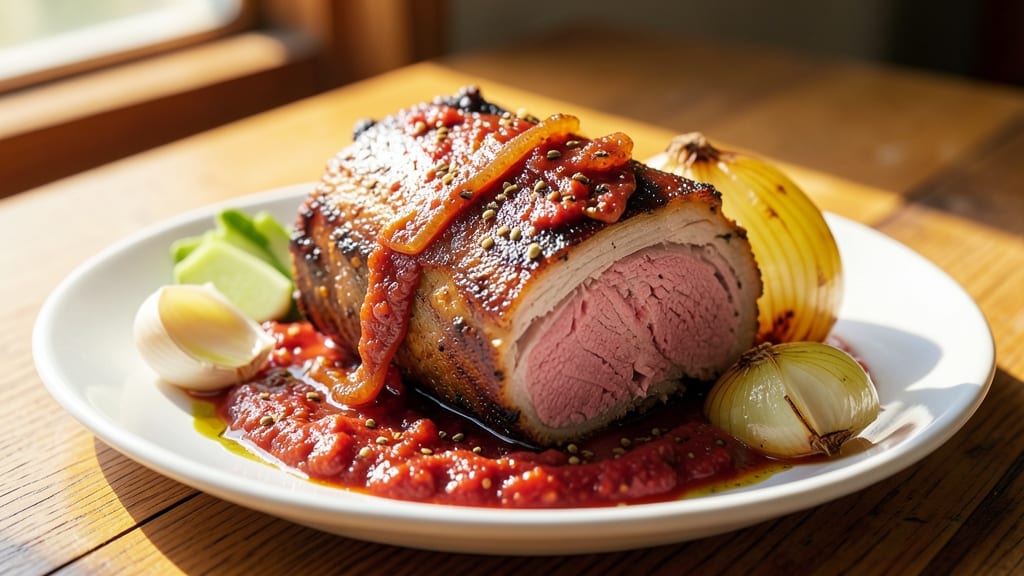
Alison Roman's pork shoulder harissa recipe delivers the perfect balance of spicy-sweet heat and irresistibly crispy fat edges—just like the dishes that made her cookbook a sensation.
This technique transforms tough pork into melt-in-your-mouth perfection with a harissa marinade that infuses bold North African flavors while keeping the cooking process surprisingly straightforward. The secret lies in slow-braising the meat until it's fork-tender, then finishing with a high-heat sear to create that signature crispy bark.
What sets this recipe apart is the way harissa's complex blend of chili, garlic, and spices tenderizes the meat while building layers of flavor.
Unlike traditional pork recipes, this method uses a wet-braised approach that keeps the meat juicy and the fat rendered just enough to create that coveted crispy exterior. I've adapted Alison Roman's signature techniques—particularly her focus on fat cap rendering—to ensure every bite delivers both texture and depth. The result?
A dish that's rich, aromatic, and packed with character without being overly greasy.
By the time you're done, you'll have pork shoulder that's so tender it practically falls apart, with a crispy, caramelized exterior that adds a satisfying crunch. The harissa marinade creates a bright, slightly sweet contrast to the meat's richness, while the slow cooking process develops deep, complex flavors.
This is the kind of dish that improves with leftovers—perfect for meal prep or serving at your next dinner party when you want to impress without slaving over the stove.
The beauty of this recipe is its versatility. Serve it with fluffy couscous, warm pita bread, or a simple green salad to balance the richness. The leftovers make fantastic sandwiches or tacos the next day.
With just a few hours of hands-off cooking time, you'll have a restaurant-worthy main course that's sure to become a regular on your dinner table.
Ingredients for alison roman pork shoulder harissa
The secret to Alison Roman's legendary pork shoulder lies in these bold, aromatic ingredients.
| Ingredient | Amount | Notes |
|---|---|---|
| Pork Shoulder (Bone-In) 🍖 | 4 lb | With fat cap, 2-3 inches thick |
| Harissa Paste 🌶️ | ½ cup | High-quality, spicy variety |
| Garlic Cloves 🧄 | 8 cloves | Freshly minced, vibrant color |
| Fresh Ginger 🌿 | ½ cup | Finely grated, aromatic |
| Canned Crushed Tomatoes 🍅 | 1 can | 28 oz can, San Marzano preferred |
| Onion (Yellow) 🧅 | 1 whole | Large, roughly chopped |
| Carrots 🥕 | 3 whole | Medium, peeled and chopped |
| Celery Stalks 🥬 | 3 whole | Fresh, trimmed and chopped |
| Apple Cider Vinegar 🍎 | ¼ cup | For brightness, organic preferred |
| Brown Sugar 🍚 | ¼ cup | Light or dark, packed |
| Ground Cumin 🌿 | 1 tbsp | Toasted for depth |
| Ground Coriander 🌿 | 1 tbsp | Freshly ground preferred |
| Smoked Paprika 🌶️ | 1 tbsp | For smoky depth |
| Kosher Salt 🧂 | 1 ½ tbsp | Diamond Crystal preferred |
| Black Peppercorns 🌶️ | 1 tsp | Freshly cracked |
| Olive Oil 🫒 | ¼ cup | Extra-virgin for richness |
The pork shoulder is non-negotiable here—look for a bone-in cut with a thick fat cap (2-3 inches) at Costco or your local butcher shop. That fat renders down beautifully, creating the signature crispy bark. If you can't find bone-in, a 4-lb bone-less shoulder works too, but the flavor will be slightly less rich. For harissa, Penzeys or Middle Eastern markets carry the best—avoid the watery, overly sweet versions. Fresh ginger and garlic should smell vibrant, not musty. I always double-check the ginger's aroma before buying (it should smell bright, not dull).
No harissa? Mix 2 tbsp chili powder, 1 tbsp smoked paprika, 1 tsp cumin, and 1 tsp coriander for a quick substitute. Short on vinegar? Lemon juice works in a pinch—just add a pinch of sugar to balance. The crushed tomatoes can be swapped for fire-roasted diced tomatoes (just crush them by hand). For extra tenderness, add 1 tsp baking soda to the marinade (trust me on this). The carrots and celery can be baby versions if that's what's in your fridge—no need to peel them if they're organic.
This dish tastes even better the next day—leftovers keep for 5 days in the fridge or 3 months frozen. For crispy fat edges, pat the meat dry before searing and don't rush the high-heat step. I always make double batches because the sandwiches the next day are absolute magic. Store the cooked pork in its juices, then portion into containers for easy reheating. The fat will solidify slightly when cold, making it perfect for crisping up again in a skillet.
Why You'll Love This Recipe
- One-Pan Magic: I swear by this recipe because it’s that easy—just sear the pork, toss in harissa, garlic, and ginger, then let the oven do the work. No flipping, no fussing, no extra pots. The harissa’s heat builds slowly, so you’re not stuck babysitting the stove.
- Deep, Smoky Heat: That harissa paste isn’t just spicy—it’s got layers. The smoky, slightly sweet kick from the crushed tomatoes and fresh ginger makes this pork ridiculously good, especially when the meat falls apart at the touch of a fork. Honestly, I’ll take this over takeout any day.
- Budget-Friendly Feast: Bone-in pork shoulder stretches further than you’d think, and harissa paste is a secret weapon for flavor without breaking the bank. Between us, this is my go-to when I need to feed a crowd without stressing over grocery costs. Plus, the leftovers save me from ordering in.
Step-by-step instructions for Alison Roman's pork shoulder harissa
This spicy-sweet masterpiece transforms humble pork into melt-in-your-mouth perfection with crispy fat magic.
Prep the Pork and Build the Harissa Base
Pat the 4 lb pork shoulder dry with paper towels, then rub it generously with the 1.5 tbsp kosher salt. Let it sit uncovered on a wire rack in the fridge for at least 1 hour - this drying step creates that coveted crispy fat layer. While it rests, heat the 0.25 cup olive oil in a large Dutch oven over medium heat.
Add the 8 cloves freshly minced garlic and 0.5 cup finely grated fresh ginger, cooking for 1-2 minutes until fragrant but not browned. Here's where the magic happens: stir in the 0.5 cup harissa paste and cook for 30 seconds to toast its spices. This step deepens the harissa flavor and removes any raw taste.
Sauté the Aromatics and Tomatoes
Add the roughly chopped 1 whole yellow onion, 3 whole peeled and chopped carrots, and 3 whole trimmed celery stalks. Cook for 5-6 minutes, stirring occasionally, until the vegetables soften slightly and release their juices. You want them to be tender but still hold their shape.
Pour in the 1 can crushed tomatoes, scraping up any browned bits from the bottom of the pot. Add the 0.25 cup apple cider vinegar and 0.25 cup brown sugar, stirring to combine. Let the mixture simmer for 5 minutes until slightly thickened - this creates the perfect sauce base that will cling to every bite of pork.
Season and Braise the Pork
Remove the pork from the fridge and pat it completely dry again. Add the pork to the Dutch oven, fat-side up, then sprinkle the spices evenly over the top: 1 tbsp ground cumin, 1 tbsp ground coriander, 1 tbsp smoked paprika, and 1 tsp freshly cracked black peppercorns. Pour any accumulated juices from the pork over the top.
Cover the Dutch oven tightly with a lid and transfer it to a preheated 300°F oven. Braise for 3 hours, then carefully flip the pork and add 1 cup hot water to the pot. Continue cooking for another 2-3 hours until the pork reaches 195-203°F internally and the fat pulls away from the bone easily. This slow cooking transforms tough pork into tender, shreddable perfection.
Rest and Shred the Pork
Transfer the pork to a cutting board and let it rest for 15-20 minutes. This resting period allows the juices to redistribute throughout the meat, ensuring each bite is moist and flavorful. While it rests, skim any excess fat from the braising liquid and reduce it over medium heat for 5-10 minutes until it thickens slightly.
Shred the pork using two forks, then return it to the Dutch oven with the reduced braising liquid. Stir gently to combine, letting the pork soak up all that harissa-infused goodness. Taste and adjust seasoning if needed - you might want to add a pinch more salt or a splash of apple cider vinegar for brightness.
Pro Tips For Making Alison Roman Pork Shoulder Harissa
- CRUSH THAT GARLIC: I used to just mince garlic for this dish, but smashing it with the flat side of your knife first makes a real difference—especially when simmered in harissa and tomatoes. The flavor melts into the sauce instead of staying stubbornly whole.
- SALT THE PORK TWICE: Season the pork shoulder generously before searing, then add another pinch of salt when you transfer it to the oven. The first layer gets lost in the harissa heat, and the second ensures the meat stays juicy through the long cook.
- DON’T SKIP THE FOIL REST: After searing, tent the pork with foil for the first 45 minutes of cooking. This lets the crust form without drying out the meat—trust me, I’ve seen what happens when you skip it (a sad, tough shoulder).
- UPGRADE WITH CITRUS: A splash of lemon or orange juice at the end brightens the harissa’s heat and cuts through the richness of the pork. I keep a small bowl of juice on hand and add it just before serving—it’s the one thing that makes this dish feel restaurant-worthy.
Perfect pairings for this recipe
Harissa-Inspired Sides
Serve your pork shoulder with Moroccan carrot salad—toss 2 cups shredded carrots with 1 tbsp harissa paste, 2 tbsp lemon juice, and 3 tbsp olive oil. The bright acidity cuts through the richness beautifully.
I also love couscous with toasted almonds—just mix 2 cups cooked couscous with ¼ cup slivered almonds and a pinch of cinnamon. 🌟
For a heartier option, try harissa-roasted sweet potatoes. Toss 4 medium sweet potatoes with 1 tbsp harissa, 2 tbsp olive oil, and 1 tsp smoked paprika, then roast at 400°F for 30 minutes. The caramelized edges pair perfectly with the pork's crispy fat.
Bread Pairings
Warm Moroccan flatbread or pita is a must—dip it into the braising liquid for extra flavor. I like to brush the bread with garlic-infused olive oil before serving. For a twist, try harissa-spiced naan—mix 1 tbsp harissa with 2 tbsp yogurt and spread it on warm naan. 🥖
Drink Recommendations
A crisp Minty Moroccan tea (green tea with fresh mint) balances the dish's spice beautifully. For something stronger, try a light-bodied white wine like Sauvignon Blanc—its citrus notes complement the harissa. I also love a sparkling water with lime to refresh the palate between bites.
Toppings and Garnishes
Finish with chopped cilantro and toasted pine nuts for a fresh, nutty contrast. A drizzle of harissa-infused honey (mix 2 tbsp honey with ½ tsp harissa) adds a sweet-spicy finish. For extra crunch, sprinkle crumbled feta over the top—just ¼ cup** works perfectly. ✨
Nutrition facts
Frequently asked questions
Can I use bone-in or boneless pork shoulder?
Bone-in pork shoulder (like a picnic shoulder) is ideal for this recipe because the bone adds extra flavor and helps tenderize the meat. However, if you only have boneless pork shoulder, it will still work beautifully. Just reduce the cooking time slightly—boneless cuts tend to cook faster. The fat cap is more important than the bone, so choose a cut with at least 2-3 inches of fat.
How spicy should my harissa be?
Alison Roman's recipe balances heat with sweetness, so a medium-spicy harissa works best. If you prefer less heat, reduce the amount to ¼ cup and add 1 tbsp honey to the marinade. For extra kick, use ½ cup harissa and add ½ tsp cayenne pepper to the spice blend. Always taste the harissa before using—store-bought versions vary widely in spice level.
Can I make this in a slow cooker instead of the oven?
Sear the pork first in a Dutch oven, then transfer everything (including the pork) to a 6-quart slow cooker. Cook on low for 8-10 hours or high for 5-6 hours, adding ½ cup water halfway through. The texture will be slightly more tender, but you'll lose that crispy fat bark. For the best of both worlds, finish with a 5-minute broil under a hot grill.
What if my pork shoulder isn't tender enough?
If the pork reaches 195-203°F but still feels tough, it needs more time. Wrap the Dutch oven tightly in aluminum foil and return it to the oven for another 1-2 hours. The internal temperature should climb to 205°F—this is the "collagen breakdown zone" where the meat becomes fork-tender. Never rush this step; patience is key for perfect texture.
How do I store and reheat leftovers?
Store cooked pork in its juices in an airtight container for up to 5 days in the fridge or 3 months in the freezer. To reheat, place portions in a skillet with 1 tbsp olive oil over medium heat until warmed through (165°F). For crispy fat edges, sear the pork in a hot skillet for 2-3 minutes per side before serving. Leftovers make amazing sandwiches with harissa mayo!