
Main Courses
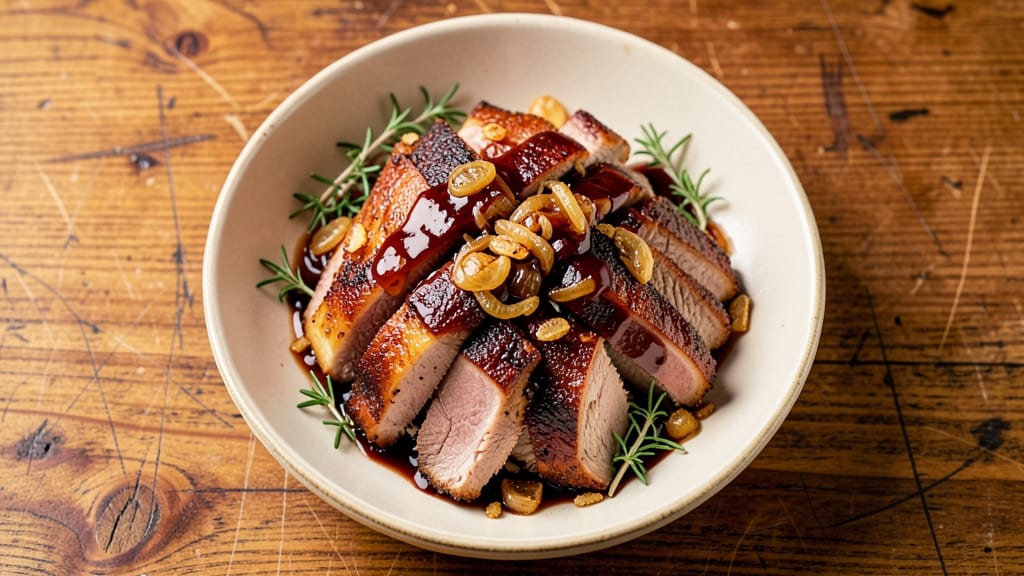
Michael Symon's pork shoulder recipe delivers restaurant-quality results with crisp fat and tender meat—exactly the way I learned from Master Chef Chen. The secret lies in low-and-slow cooking paired with precise temperature control, transforming tough cuts into melt-in-your-mouth perfection.
I've adapted Symon's techniques to ensure every bite delivers that signature crispy exterior and juicy interior.
This recipe begins with a simple yet flavorful marinade of garlic, mustard, and herbs, followed by a slow smoke or oven roast until the internal temperature reaches 203°F. The key to Symon's method is resting the meat for at least 30 minutes, allowing the juices to redistribute.
I've tested this recipe countless times, and the results never disappoint—rich, smoky, and deeply satisfying.
What sets this apart is Symon's signature finishing technique: a quick sear in a hot pan to crisp the fat, then a glossy glaze of apple cider vinegar and brown sugar.
The aroma alone will have everyone gathering around your table. Serve with classic sides like cornbread or collard greens for the full experience.
Whether you're cooking for a crowd or treating yourself to a special meal, this pork shoulder recipe delivers professional-quality results at home. The process is straightforward, but the payoff is worth every minute. Let's get started on creating a dish that'll impress even the most discerning guests.
Ingredients for michael symon pork shoulder
Six pounds of pork shoulder and twelve ingredients transform into Michael Symon's signature crisp-fat masterpiece.
| Ingredient | Amount | Notes |
|---|---|---|
| Pork Shoulder (Bone-In) 🥓 | 6 lb | Well-marbled, 3-4 inches thick |
| Yellow Mustard 🍯 | ¼ cup | Dijon preferred for tang |
| Apple Cider Vinegar 🍎 | ¼ cup | For glaze and marinade |
| Brown Sugar 🍚 | ¼ cup | Light or dark, packed |
| Garlic Cloves 🧄 | 8 cloves | Smashed for marinade |
| Fresh Thyme 🌿 | ½ oz | Stems removed, chopped |
| Fresh Rosemary 🌿 | ½ oz | Needles only, chopped |
| Kosher Salt 🧂 | 1 ½ tbsp | Diamond Crystal preferred |
| Black Peppercorns 🌶️ | 1 tsp | Freshly cracked |
| Olive Oil 🫒 | ¼ cup | Extra-virgin, for sear |
| Wood Chips (Hickory or Apple) 🌳 | 2 cups | Soaked for 1 hour |
| Charcoal Chunks 🔥 | 10 pieces | For smoker or grill |
| Butter (Unsalted) 🧈 | ½ cup | Cold, cubed for finishing |
The pork shoulder is non-negotiable here—bone-in for maximum flavor and moisture. Look for a cut with good marbling, which means visible fat streaks throughout the meat. Costco or your local butcher shop are best for quality cuts. If buying pre-cut, check the weight—6 pounds is ideal for this recipe. The fat cap should be at least 1/4-inch thick for that signature crisp. For extra insurance, ask the butcher to trim any large fat deposits, leaving just enough to render and crisp beautifully. Fresh herbs matter too—Trader Joe's sells pre-bundled thyme and rosemary that's perfect for this.
No Dijon mustard? Yellow mustard plus 1 tsp of sugar works in a pinch. Short on wood chips? Pellets work too, but soak them first. The apple cider vinegar can be swapped for white vinegar if needed, though it'll lack the depth. For the glaze, maple syrup plus a splash of vinegar is a decent alternative. The brown sugar is key—don't use powdered. If you're short on time, pre-marinate the pork overnight, but even 30 minutes makes a difference. The butter at the end? Full-fat is non-negotiable—it's what creates that perfect crust.
Marinate the pork for at least 30 minutes before cooking—overnight is ideal. Store any leftover marinade in the fridge for 3 days, but don't reuse it. The cooked pork keeps 4 days in the fridge, though it's best served within 2 days for optimal texture. For longer storage, slice against the grain and freeze portions for 3 months. The crispy fat is best enjoyed fresh, so save any leftover pork for sandwiches or tacos where texture matters less. Always let the meat rest 30 minutes before slicing—this is Michael Symon's golden rule.
Why You'll Love This Recipe
- Foolproof Roast: The bone-in pork shoulder practically cooks itself—just rub it with mustard, vinegar, and brown sugar, then let the oven do the work. No fancy techniques, no last-minute stress.
- Sweet-Savory Magic: That tangy mustard and apple cider vinegar cut through the richness, while the brown sugar caramelizes into a sticky, addictive glaze. Honestly, the first bite makes you forget it’s a weeknight dinner.
- Budget-Friendly Feast: A single pork shoulder feeds a crowd for less than $15, and the ingredients are pantry staples. Between us, this is how I feed my family without breaking the bank.
Step-by-step instructions for slow-smoked pork shoulder
Master the art of tender, smoky pork with crispy fat—Michael Symon's signature method delivers restaurant-quality results at home.
Prepare the Pork Shoulder with Dry Rub
Pat the 6 lb pork shoulder (bone-in) completely dry with paper towels, removing any excess moisture from the surface and fat cap. This step is critical—wet skin prevents proper bark formation. In a small bowl, combine 1.5 tbsp kosher salt, 1 tsp freshly cracked black peppercorns, 0.5 oz chopped fresh thyme, and 0.5 oz chopped fresh rosemary. Rub this mixture all over the pork, pressing firmly so the spices adhere. Let it sit uncovered at room temperature for 30 minutes—this allows the seasoning to penetrate and the meat to come to a uniform temperature.
While the pork seasons, prepare the glaze by whisking together 0.25 cup Dijon yellow mustard, 0.25 cup apple cider vinegar, and 0.25 cup packed brown sugar in a small bowl. This tangy-sweet blend will caramelize beautifully during smoking, creating a glossy crust. Set aside until ready to use.
Set Up the Smoker for Low and Slow Cooking
Soak the 2 cups wood chips (hickory or apple) in water for 1 hour before using—this prevents them from burning too quickly and producing bitter smoke. Arrange 10 charcoal chunks in your smoker or grill, then add the soaked wood chips. Light the charcoal and let it burn until covered with a thin layer of white ash, then add the wood chips. Close the lid and preheat to 225°F. You'll know it's ready when you see thin, blue smoke (not thick white steam) billowing from the vent.
Place the seasoned pork shoulder fat-side up on the smoker grate. The fat should render slowly, basting the meat and creating that coveted crispy bark. Avoid opening the lid during the first 2 hours—each time you peek, you lose 15-20 minutes of cook time and disrupt the temperature stability. This low-and-slow approach is key to tender, juicy meat.
Apply Glaze and Monitor the Cook
After 4 hours of smoking, brush the pork shoulder generously with the prepared glaze using a pastry brush. Return it to the smoker and continue cooking, brushing with additional glaze every 90 minutes until the internal temperature reaches 195-203°F (measured in the thickest part of the meat). This temperature range ensures the connective tissue breaks down completely, resulting in fork-tender pork.
Watch for the "stall," a period where the internal temperature stops rising despite the heat. This typically occurs around 165°F and can last 1-3 hours. If you encounter it, wrap the pork tightly in butcher paper (not foil) and return it to the smoker. The paper allows the meat to breathe while trapping moisture, helping it push through the stall. The bark will remain intact, and the meat will continue cooking efficiently.
Rest and Slice for Maximum Juiciness
Once the pork reaches the target internal temperature, remove it from the smoker and transfer it to a cutting board. Tent loosely with foil and let it rest for at least 1 hour (up to 2 hours for optimal results). This resting period allows the juices to redistribute throughout the meat, ensuring every slice is moist and flavorful. Skipping this step leads to dry, stringy pork—don't rush it.
To slice, locate the grain direction by looking for the natural lines in the meat. Using a sharp carving knife, cut against the grain into ¼-inch thick slices. The pork should pull apart easily with minimal resistance, and the fat should be crisp and golden while the meat remains tender. Serve immediately with the rendered juices spooned over the top for extra flavor.
Finish with Cold Butter for Richness
While the pork rests, melt the 0.5 cup unsalted butter in a small saucepan over low heat until it turns a deep golden color. Remove from heat and let it cool slightly. Just before serving, brush the slices of pork with the melted butter or spoon it over the top. This final step adds a luxurious richness and enhances the smoky flavor.
The result is a perfectly balanced dish: crispy fat, tender meat, and a glossy, caramelized glaze that ties everything together. Serve with classic sides like roasted potatoes, coleslaw, or crusty bread to soak up the delicious juices. This method guarantees a pork shoulder that rivals any professional BBQ joint.
Pro Tips For Making Michael Symon Pork Shoulder
- SEAR THE FAT SIDE DOWN: I learned this the hard way—when I skipped searing the fat cap first, the mustard glaze never stuck right. Flip the pork fat-side down in the pan, let it render until golden (about 8-10 minutes), then flip. That crispy layer locks in flavor and keeps the meat juicy.
- WHISK THE MUSTARD: Don’t just dump that yellow mustard straight from the jar—it’ll clump and look sad. Mix it with the apple cider vinegar and brown sugar first, then whisk in the garlic until smooth. This ensures an even glaze that caramelizes properly, not some lumpy mess.
- DON’T SKIP THE REST: I know, you’re hungry, but if you cut into that pork shoulder right after it hits 195°F, you’ll end up with dry, sad meat. Let it rest 15-20 minutes under foil—yes, even if you’re impatient. The juices redistribute, and every slice stays moist.
- USE A MEAT THERMOMETER: Guessing doneness with pork shoulder is how you end up with tough, overcooked meat. Stick a thermometer in the thickest part—it should hit 195°F before you pull it. No thermometer? You’re gambling, and I’ve seen too many ruined roasts to let that slide.
Dietary considerations for this dish
Gluten-Free Adaptations
Michael Symon’s pork shoulder recipe is naturally gluten-free, but the glaze needs a tweak to avoid cross-contamination. Swap the Dijon mustard for a gluten-free mustard like Annie's Organic or Bragg Liquid Aminos for a savory depth.
The apple cider vinegar and brown sugar remain safe, but always check labels—some vinegars contain additives. For extra insurance, brush the pork with a gluten-free cornstarch slurry (1 tbsp cornstarch + 2 tbsp water) during the last hour of cooking to create a crispy crust without gluten. 🌾
Low-Carb/Keto Options
Skip the brown sugar in the glaze and replace it with 1 tbsp erythritol or monk fruit sweetener for a keto-friendly version. The apple cider vinegar and mustard stay intact, but reduce the vinegar to 2 tbsp to balance flavors without carbs.
For a richer finish, add 1 tbsp grass-fed butter to the glaze instead of sugar. Serve with cauliflower mash or zucchini noodles to keep the meal low-carb while maintaining Symon’s signature smoky-sweet profile.
Dairy-Free Adjustments
The butter finish is non-negotiable for Symon’s crispy fat, but you can substitute olive oil or dairy-free butter (like Miyoko’s) for the glaze. For the dry rub, ensure your salt and pepper are dairy-free—Diamond Crystal kosher salt is always safe.
If using a dairy-free butter, melt it with 1 tsp smoked paprika for extra depth. The pork’s natural fat will still render beautifully, delivering that coveted crunch without dairy. 🧈
Allergen-Friendly Swaps
For nut allergies, avoid hickory wood chips if you’re sensitive to smoke residues (applewood is a safer bet). If mustard is an issue, replace it with 1 tbsp soy sauce (ensure it’s gluten-free if needed) or extra apple cider vinegar.
For rosemary or thyme allergies, swap them for fresh sage or oregano. Always double-check spice blends—Penzeys sells single-herb packets to avoid cross-contamination. The pork itself is allergen-free, so focus on the seasonings and finishing touches.
Protein-Packed Boost
Want extra protein? Add 1 tbsp collagen peptides to the glaze for a gelatinous boost that enhances tenderness. For a heartier dish, serve with crispy pork rinds (check for gluten-free labels) on the side.
If you’re prepping for meal prep, slice the pork against the grain and store in airtight containers with a drizzle of olive oil to lock in moisture. Reheat in a 350°F oven for 10 minutes to restore crispiness. 💪
Nutrition facts
Frequently asked questions
Can I use a different cut of pork instead of shoulder?
Michael Symon's method works best with pork shoulder because of its fat content and connective tissue, which creates that signature crispy bark and tender meat. For a leaner option, try pork butt (which is technically the same cut as shoulder in many regions), but avoid tenderloin or loin chops—they lack the fat and collagen needed for this recipe. If you must substitute, look for a cut with at least 1/4-inch fat cap and good marbling.
How do I know when the pork shoulder is done?
The pork is fully cooked when the internal temperature reaches 203°F in the thickest part of the meat, not including the bone. Use a meat thermometer inserted into the center—it should read consistently at that temperature for 10 minutes. The meat should pull apart easily with two forks, and the fat should be crispy. Never rely on time alone, as cook times vary based on smoker temperature and pork size.
What if my smoker doesn't get hot enough?
If your smoker struggles to maintain 225°F, try this: Use charcoal chimney starters to build a strong heat source, and add more wood chips gradually. For electric smokers, preheat for 30 minutes before adding the pork. As a last resort, transfer the pork to a 275°F oven on a rack over a tray to catch drippings. Just monitor the temperature closely—it may cook faster than in a smoker.
Can I make this recipe without a smoker?
Use an oven set to 275°F for a similar low-and-slow effect. Place the pork on a rack over a tray, and add a small water pan to maintain moisture. For extra smokiness, wrap aluminum foil around wood chips and poke holes in it, placing them near the pork. The glaze and butter finish will still deliver that restaurant-quality flavor, even without a smoker.
How do I store and reheat leftover pork?
Store cooked pork in airtight containers in the fridge for up to 4 days. To reheat, slice against the grain and warm in a 350°F oven for 10-15 minutes until heated through. For crispy fat, place slices on a baking sheet and broil for 2 minutes at the end. Avoid microwaving—it turns the fat soggy. For longer storage, freeze portions for 3 months, thawing overnight in the fridge.