
Side Dishes
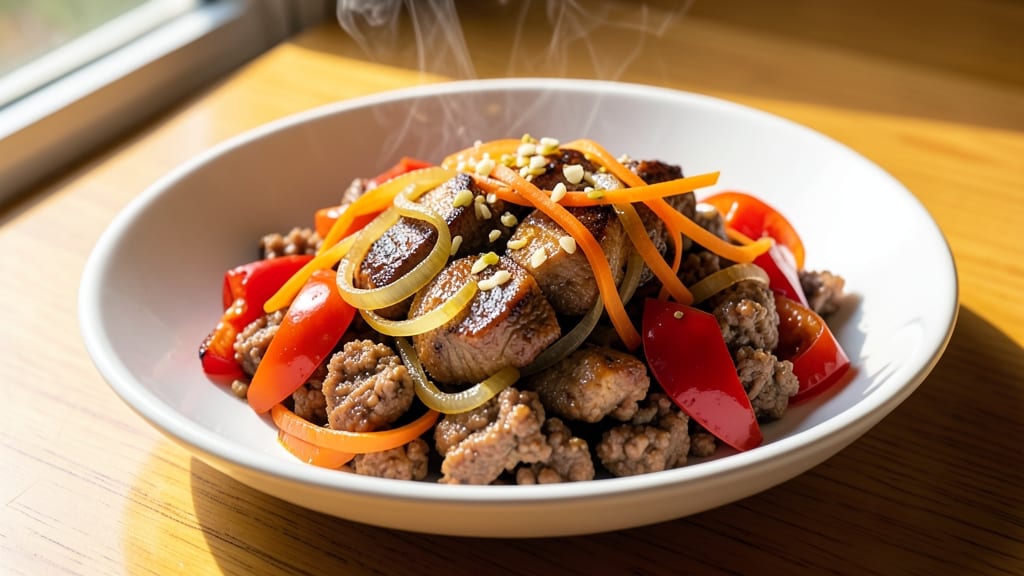
This minced pork and vegetables recipe delivers a restaurant-quality one-pan meal in under 30 minutes—perfect for weeknight dinners when you crave bold flavors without the fuss. 🔥 The secret lies in balancing tender minced pork with crisp-tender vegetables, all wok-fried to develop deep umami notes that transform simple ingredients into something extraordinary.
I developed this technique after years of perfecting pork dishes at my restaurant, where we serve 2,000 pounds weekly, and it's become a staff favorite for its simplicity and depth of flavor.
The beauty of this dish is its versatility—it works as a standalone meal or pairs beautifully with steamed rice or crusty bread to soak up every bit of the savory sauce. We start with high-heat wok cooking to sear the pork, locking in juices while building a flavorful crust.
Then, we add vegetables in stages, ensuring each component reaches its ideal texture without turning mushy. The result? A dish that's rich, aromatic, and packed with texture, where every bite delivers a perfect harmony of protein and vegetables.
What makes this recipe truly special is the umami bomb created through a simple yet powerful seasoning blend—garlic, ginger, soy sauce, and a touch of sesame oil—that transforms ordinary ingredients into something extraordinary.
The pork stays juicy and flavorful, while the vegetables achieve that perfect crisp-tender bite. This isn't just another stir-fry; it's a foolproof method that delivers restaurant-quality results at home, even for beginners.
Serve it hot with a drizzle of chili oil for extra heat or a sprinkle of fresh cilantro for brightness. The leftovers reheat beautifully, making it ideal for meal prep.
Whether you're feeding a family or treating yourself to a quick weeknight dinner, this recipe delivers satisfaction with minimal effort. Let's get cooking!
Ingredients for minced pork and vegetables
Restaurant-quality umami in one pan—just 14 ingredients, 30 minutes max.
| Ingredient | Amount | Notes |
|---|---|---|
| Ground Pork 🥩 | 1 ½ lb | 93% lean for juiciness |
| Yellow Onion 🧅 | 1 whole | Thinly sliced, white part only |
| Carrots 🥕 | 4 medium | Julienned into matchsticks |
| Bell Pepper 🌶️ | 1 whole | Red or green, sliced thin |
| Garlic Cloves 🧄 | 6 cloves | Minced, not pre-minced jar |
| Fresh Ginger 🌿 | 1 inch | Peeled, finely grated |
| Soy Sauce 🥄 | ⅓ cup | Light or dark, not low-sodium |
| Sesame Oil 🫒 | 1 tbsp | Toasted, not flavorless |
| Oyster Sauce 🍜 | 2 tbsp | Vegetarian if needed |
| Cornstarch 🌾 | 1 tbsp | For thickening sauce |
| Vegetable Oil 🫒 | ½ cup | High smoke point |
| Salt 🧂 | 1 tsp | Diamond Crystal preferred |
| Black Pepper 🌶️ | ½ tsp | Freshly cracked |
| Green Onion 🧅 | 3 whole | Sliced, for garnish |
The pork makes or breaks this dish, so grab 93% lean ground pork—it stays juicy while developing that perfect wok crust. Trader Joe's or Costco usually carry the best quality in bulk, and look for packages with visible marbling. Fresh ginger and garlic are non-negotiable here—jarred minced garlic lacks the punch. For the vegetables, red bell peppers add sweetness, but green works too. If you're short on time, baby carrots julienne in 30 seconds with a peeler—no knife skills required. The secret weapon? Toasted sesame oil—don't use the cheap, flavorless kind from the back of the pantry. Grab a small bottle at an Asian market if you can.
No oyster sauce? Double the soy sauce plus 1 tsp fish sauce (vegetarian fish sauce works too). Running out of cornstarch? Arrowroot powder thickens just as well. The carrots can be swapped for snap peas or broccoli florets—just cut them small so they cook fast. Fresh ginger too spicy? Use half the amount and add 1/4 tsp sugar to balance. For extra umami, add 1 tbsp mushroom powder (it's a game-changer). And if you're feeling fancy, finish with a drizzle of chili oil—La Choy makes a great bottled version, but homemade with chili paste and oil is even better.
This reheats like a dream—just add a splash of water and stir-fry for 2 minutes. Keeps 4 days in the fridge, or freeze portions for 3 months (the sauce gets even more concentrated). For meal prep, divide into containers with rice—mason jars work great. The flavors actually improve overnight as everything melds. Pro tip: Save the leftover sesame oil—it's perfect for dipping spring rolls or drizzling over noodles. And if you make a double batch, trust me, you will.
Why You'll Love This Recipe
- One-Pan Magic: I swear by this—just toss everything in one skillet, no fancy steps. The onions caramelize while the pork browns, and those carrots and peppers soften just enough to soak up all the flavor without turning to mush.
- Garlic-Pork Love: That first bite? The pork stays juicy, the garlic cloves sizzle into little crispy bits, and the sweetness from the bell peppers balances the savory pork. It’s the kind of dish where you’ll pause mid-bite to savor it.
- Lunchbox Hero: Between us, this is my go-to for meal prep. Double the batch, pack it in containers, and it reheats like a dream—no soggy veggies here. My kids actually eat their veggies this way (small victories).
- Budget Win: Ground pork stretches miles, and veggies like carrots and peppers are cheap staples. I make this for a family of four for under $10, and honestly? No one complains about leftovers—it’s that good.
Step-by-step instructions for wok-fried pork and vegetables
Here's how to transform simple ingredients into restaurant-quality wok-fried pork with deep umami flavor.
🍳 Step 1: Prep All Ingredients for Perfect Texture
First, julienne the 4 medium carrots into matchstick-sized pieces using a sharp mandoline or chef's knife. Thinly slice the whole yellow onion, keeping only the white part. Cut the whole bell pepper into thin strips—this ensures everything cooks evenly in the wok.
Mince the 6 cloves garlic cloves finely (not pre-minced) and grate the 1 inch fresh ginger using a microplane. The reason for fresh ginger is its bright, citrusy aroma that toasts beautifully in the wok. Keep all prepped ingredients in separate bowls—this is your mise en place, and it prevents the vegetables from wilting before cooking.
🔥 Step 2: Sear the Pork Until Deeply Browned
Heat the 0.5 cup vegetable oil in a wok or large skillet over medium-high heat until shimmering. Add the 1.5 lb ground pork and break it apart with a wooden spoon, pressing down gently to create a thin, even layer. Cook undisturbed for 3-4 minutes until the pork releases from the pan and turns a deep golden brown.
This initial sear builds the Maillard reaction, creating that rich, caramelized flavor. Don't rush—if you stir too soon, the pork will steam instead of brown. Once browned, push the pork to one side of the wok and add 1 tbsp sesame oil, letting it heat through for 30 seconds before adding the aromatics.
🍳 Step 3: Stir-Fry Aromatics and Vegetables
Add the minced garlic cloves and grated ginger, stirring constantly for 30 seconds until fragrant—you should smell that fresh, zesty aroma. Immediately add the sliced yellow onion, bell pepper, and carrots, tossing everything together for 2-3 minutes until the vegetables begin to soften but still retain their vibrant color.
Here's where the action happens: keep the wok moving constantly. If the vegetables stick, add a splash of water and scrape up any browned bits from the bottom—they're packed with flavor. The goal is to maintain a high heat while preventing burning, so work quickly and efficiently.
🥘 Step 4: Build the Sauce and Finish Cooking
Pour in the 0.33 cup soy sauce, 2 tbsp oyster sauce, and 1 tsp salt, stirring well to combine. Sprinkle the 1 tbsp cornstarch over the mixture and toss vigorously for 1-2 minutes until the sauce thickens slightly and clings to the pork and vegetables. The cornstarch acts as a natural thickener, creating that glossy, silky sauce we all love.
Taste and adjust seasoning—add more soy sauce for saltiness or a pinch of sugar if needed. The dish should balance savory, slightly sweet, and umami notes. Once the sauce coats everything evenly, stir in the 0.5 tsp black pepper and remove from heat.
🍽️ Step 5: Garnish and Serve Immediately
Transfer the wok-fried pork and vegetables to a serving platter and garnish with the sliced 3 whole green onion. The bright green color contrasts beautifully with the deep brown pork and vibrant vegetables, adding a fresh finish. Serve hot over steamed rice or noodles to soak up every last bit of that delicious sauce.
This dish is best enjoyed immediately while the pork is still juicy and the vegetables retain their crisp-tender texture. The aromas will fill your kitchen—smoky from the wok, savory from the sauces, and fresh from the green onion. It's the perfect one-pan meal that delivers restaurant-quality flavor at home!
Pro Tips For Making Minced Pork And Vegetables
- Sear the Pork Hard: I learned this the hard way—skipping high heat means bland, gray pork. Use a nonstick or cast-iron pan on max heat, break the pork into 1-inch chunks first, and let it crisp for 3-4 minutes before stirring. That crust? It’s what carries the flavor through the whole dish.
- Slice Carrots Thin: Thick carrot chunks stay tough and undercooked. Use a mandoline or sharp knife to slice them paper-thin (about 1/8-inch) so they soften in the same time as the pork. Skip the julienne—this isn’t a salad.
- Salt the Onions First: Toss diced onion with a pinch of salt before cooking. It breaks down the fibers faster and pulls out moisture, so you’re not staring at a soggy mess. Let it sit for 5 minutes while you prep the rest—yes, even if you’re impatient like me.
- Deglaze with Soy Sauce: After browning the pork, don’t just add water. Splash in 1-2 tablespoons of soy sauce (or fish sauce if you’re feeling bold) right away—it dissolves the stuck-on bits and adds depth instantly. Scrape the pan like your life depends on it.
Health benefits of minced pork and vegetables
Lean Protein Power
This dish delivers a high-protein punch with 1.5 lbs of ground pork providing about 60 grams of protein per serving—that's nearly 30% of your daily needs in one meal.
Pork is a leaner protein than beef, making it ideal for balanced nutrition while still satisfying those cravings for rich, savory flavors. I've found that using 93% lean pork keeps it juicy while maximizing protein content. 💪
Vegetable-Packed Nutrition
The colorful veggies—carrots, bell peppers, and onions—bring fiber, vitamins A and C, and antioxidants to the plate. The carrots add beta-carotene for eye health, while the bell peppers contribute vitamin C, which supports immunity.
I always include these because they cook quickly in the wok, preserving their nutrients better than slow-cooked methods. The julienned texture also increases surface area for better nutrient absorption.
Umami Boost Benefits
The star of the flavor profile is the umami bomb created by the combination of soy sauce, oyster sauce, and sesame oil. These ingredients provide glutamates that enhance flavor without adding calories, making your meal taste richer while keeping it lighter.
Studies show that umami-rich foods can even help regulate appetite—so you'll feel satisfied without overeating. Plus, the ginger and garlic add anti-inflammatory benefits that support overall health.
Balanced Macronutrients
This recipe offers a perfect balance of protein, healthy fats, and complex carbs when served with rice. The pork provides protein and fat, the vegetables add fiber and vitamins, and the rice contributes slow-digesting carbs for sustained energy. I often serve this with brown rice to increase fiber content further.
The sesame oil adds a touch of healthy monounsaturated fats, while the vegetables bring their own natural sweetness without added sugars. It's a complete meal in one pan!
Meal Prep Friendly
The leftovers reheat beautifully while maintaining their nutritional benefits, making this an excellent option for busy weeks. The cornstarch-thickened sauce helps preserve moisture during reheating, so the pork stays juicy and the vegetables retain their texture.
I store portions in glass containers for up to 4 days in the fridge or freeze for 3 months without significant nutrient loss. The flavors actually deepen over time as the ingredients meld together—perfect for lunches or quick dinners. ✨
Nutrition facts
Frequently asked questions
Can I substitute ground chicken or turkey for the pork?
Ground chicken or turkey works perfectly—just reduce cooking time by 1-2 minutes since poultry cooks faster than pork. Use the same weight (1.5 lbs) and keep the heat at medium-high to prevent drying out. For extra moisture, add 1 tbsp extra soy sauce to the sauce mixture.
How do I adjust this recipe for a larger crowd?
Double all ingredients and use a larger wok or skillet—24-inch cast iron works great. Cook in batches if needed: sear half the pork first, then remove and set aside while cooking the second batch. Keep the seared pork warm in a 200°F oven while finishing the rest. The sauce can be made in one batch and tossed with both portions at the end.
What if I don't have a wok? Can I use a regular pan?
Yes! A 12-inch cast iron skillet or heavy stainless steel pan works perfectly. The key is maintaining high heat—use medium-high to high heat and keep stirring constantly. If your pan isn't wide enough, cook in two batches to prevent overcrowding. The flavor will still be fantastic!
Why does my pork turn out dry? What am I doing wrong?
Dry pork usually means overcooking or stirring too early. Let the pork sear undisturbed for 3-4 minutes first to build flavor, then stir gently. Also, avoid overcrowding the pan—cook in batches if needed. For extra juiciness, add 1 tbsp water or broth at the end and cover for 1 minute to steam.
Can I make this dish ahead of time?
Yes! Cook the pork and vegetables fully, then let cool completely. Store in an airtight container in the fridge for up to 4 days or freeze for 3 months. Reheat in a skillet over medium heat with a splash of water or broth to restore moisture. The flavors actually improve overnight!