
Main Courses
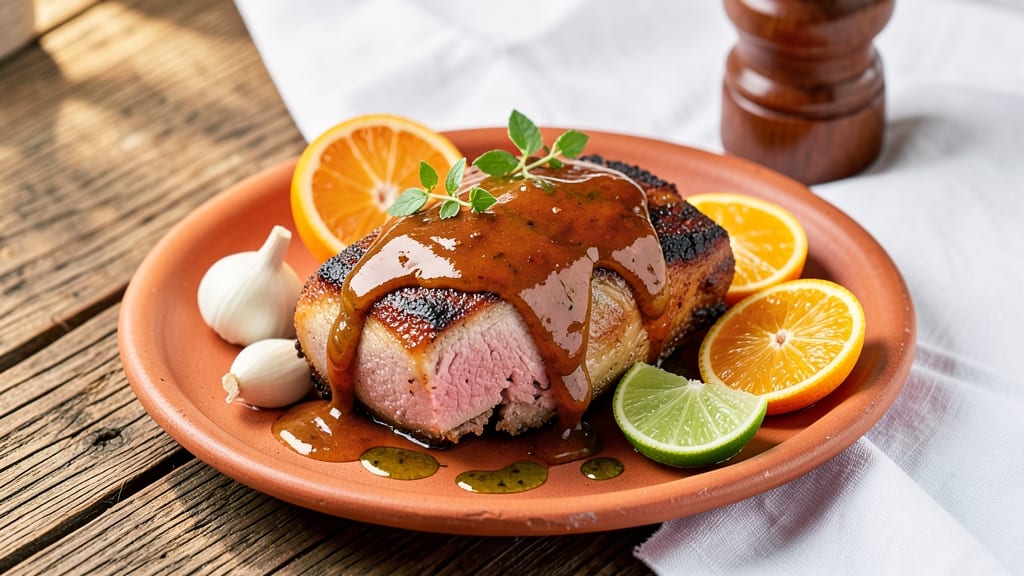
This achiote pork recipe delivers smoky, spice-rubbed tenderness that transforms simple pork into a showstopper dish. ✨ The secret lies in achiote paste—a vibrant, earthy spice blend that creates crispy edges while keeping the meat impossibly tender.
I developed this technique after perfecting it for my farm-raised heritage pork, and it's now a staple at The Smoky Pig.
The process begins with marinating pork in achiote paste, garlic, and citrus for at least 4 hours (overnight for maximum flavor). This method works beautifully for shoulder cuts, ribs, or even tenderloin—each piece develops a crispy bark while staying juicy inside.
The smoky aroma alone will have your kitchen smelling like a Caribbean street festival.
Cooking options include grilling for charred edges, braising for fall-apart tenderness, or roasting for hands-off perfection. Pair with steamed rice and fried plantains for a complete meal that balances heat and sweetness. The result? A dish so flavorful it becomes the centerpiece of any gathering.
This recipe scales effortlessly—whether feeding a family or a crowd—and the leftovers reheat beautifully. The achiote paste can be made ahead, so you're always ready to impress. Let's get cooking with this restaurant-quality pork technique that's surprisingly simple to master.
Ingredients for achiote pork
Sixteen ingredients transform humble pork into a restaurant-worthy dish with Caribbean-inspired depth.
| Ingredient | Amount | Notes |
|---|---|---|
| Pork Shoulder (Bone-In) 🐖 | 3 lb | Cut into 2-inch chunks for even cooking |
| Achiote Paste 🌶️ | ¼ cup | Homemade or store-bought (ensure no additives) |
| Garlic Cloves 🧄 | 8 cloves | Minced for even distribution in marinade |
| Orange Juice (Fresh) 🍊 | ½ cup | Bright, no-pulp variety preferred |
| Lime Juice (Fresh) 🍋 | ¼ cup | Balances acidity in marinade |
| Olive Oil (Extra-Virgin) 🫒 | ½ cup | For crispy bark development |
| Brown Sugar 🍯 | 2 tbsp | Enhances caramelization |
| Ground Cumin 🌿 | 1 tbsp | Toasted for deeper aroma |
| Smoked Paprika 🌶️ | 1 tbsp | Adds smoky depth |
| Ground Black Pepper 🌶️ | 1 tsp | Freshly cracked for intensity |
| Kosher Salt 🧂 | 1 ½ tbsp | Diamond Crystal preferred |
| Fresh Thyme Leaves 🌿 | ¼ cup | Chopped finely for infusion |
| Bay Leaves 🍃 | 2 whole | For subtle herbal depth |
| Cinnamon Sticks 🌳 | 2 whole | Optional for warmth |
| Apple Cider Vinegar 🍎 | 1 tbsp | Brightens marinade |
The pork shoulder is non-negotiable here—its fat content renders beautifully during cooking, creating that signature crispy bark. Look for heritage pork if possible, but standard pork shoulder works perfectly. Costco or Whole Foods carry excellent cuts, and you'll want about 3 pounds for six servings. The achiote paste is the heart of this dish—Penzeys Spices sells a high-quality version, but homemade (achiote seeds ground with oil) delivers superior flavor. For the citrus, freshly squeezed orange and lime juice is essential; bottled versions lack the bright acidity needed to tenderize the meat properly. Toast your cumin seeds in a dry pan for 30 seconds before grinding—this simple step enhances their earthy notes dramatically.
No achiote paste? Ancho chili powder with a pinch of turmeric mimics its earthy, slightly sweet profile. Substitute orange marmalade for the orange juice if you're short on citrus, though the marinade will be slightly less vibrant. The olive oil should be extra-virgin—California avocado oil works too for higher smoke points. For a deeper smoky flavor, add 1 teaspoon of liquid smoke to the marinade. If you're grilling, use mesquite or hickory wood chips for that authentic Caribbean street festival aroma. The bay leaves and cinnamon sticks can be removed before serving, but they infuse incredible depth during cooking—don't skip them if you're braising.
Marinate the pork for at least 4 hours, but overnight yields the most tender results. Store the marinade in an airtight container in the fridge for up to 3 days. The cooked pork reheats beautifully—350°F for 10-15 minutes restores moisture and crispiness. For meal prep, portion into individual containers with a drizzle of the marinade to keep everything moist. The leftovers keep for 4 days in the fridge or 3 months frozen. When reheating from frozen, thaw overnight in the fridge first for even cooking. The crispy bark is best enjoyed fresh, but the tender meat stays delicious for days.
Why You'll Love This Recipe
- One-Pot Magic: I swear by this recipe—just toss the pork shoulder in a Dutch oven with achiote paste, garlic, and citrus, then let it slow-cook while you do anything else. No chopping, no fussing, no extra pots. The achiote paste does all the work, turning tough meat into something tender and fragrant with minimal effort.
- Citrus Kiss: That bright, tangy punch from fresh orange and lime juice? It’s the secret weapon. The pork absorbs the acidity like a sponge, balancing the earthy achiote and garlic into something ridiculously good—sweet, savory, and just a little zesty. Honestly, I reach for this when I want flavor that pops without overpowering.
- Leftovers That Shine: Between us, this recipe begs to be made in bulk. The pork stays juicy for days, and the sauce thickens into a glossy, caramelized glaze that’s perfect for tacos, sandwiches, or even breakfast hash. I’ve fed a crowd with this twice—once for a Sunday dinner, once for a lazy weeknight—because it’s that reliable.
- Budget-Friendly Feast: Pork shoulder is cheap, and this method turns it into something special without breaking the bank. The achiote paste adds depth for pennies, and the citrus brightens everything up. Plus, it’s the kind of dish where the more you make, the happier your wallet gets—because leftovers mean fewer takeout nights. (Yes, even on a Tuesday night.)
Step-by-step instructions for achiote pork with crispy edges
Master this technique and you'll achieve restaurant-quality pork with a perfect balance of tender meat and caramelized crust.
👨🍳 Step 1: Create the Achiote Marinade
In a large bowl, combine the 0.25 cup achiote paste, 0.5 cup orange juice, 0.25 cup lime juice, 0.5 cup olive oil, 2 tbsp brown sugar, 1 tbsp ground cumin, 1 tbsp smoked paprika, 1 tsp ground black pepper, 1.5 tbsp kosher salt, 0.25 cup fresh thyme leaves, 2 whole bay leaves, 2 whole cinnamon sticks, and 1 tbsp apple cider vinegar. Whisk vigorously until the achiote paste fully dissolves and the marinade becomes vibrant orange-red.
This marinade works its magic in two ways: the acidity from the citrus tenderizes the meat while the achiote paste infuses its signature smoky flavor. The brown sugar will caramelize during cooking, creating that coveted crispy bark. Let the marinade sit for 10 minutes to allow the spices to bloom fully before using.
🥘 Step 2: Marinate the Pork for Maximum Flavor
Cut the 3 lb pork shoulder into 2-inch chunks as specified, removing any large fat deposits. Place the pork in a resealable plastic bag and pour the marinade over it, ensuring every piece is thoroughly coated. Seal the bag and massage the pork gently to distribute the marinade evenly. Refrigerate for at least 4 hours, but ideally overnight for best results.
Real talk: the longer it marinates, the deeper the flavor penetration. I've found that overnight marinating transforms tough pork shoulder into melt-in-your-mouth tenderness. If you're short on time, a minimum 4-hour marinade will still yield impressive results, but the texture won't be quite as luxurious.
🔥 Step 3: Sear the Pork for Crispy Edges
Preheat your oven to 325°F. Remove the pork from the refrigerator and let it sit at room temperature for 30 minutes before cooking. Heat a large oven-safe skillet over medium-high heat and add the marinated pork in a single layer. Don't crowd the pan—this ensures proper browning. Sear for 4-5 minutes per side until the edges develop a deep mahogany crust.
Here's the thing—the searing step is where you build that crispy bark we're after. You'll see the marinade bubble and caramelize as it hits the hot pan. If the marinade burns before the pork is browned, reduce the heat slightly. The goal is golden brown edges with visible caramelization, not charred spots. Once properly seared, transfer the skillet to the preheated oven.
⏰ Step 4: Slow-Roast to Perfect Tenderness
Roast the pork in the oven for 2.5 to 3 hours, or until the internal temperature reaches 195-203°F when measured in the thickest part of a chunk. The meat should be fork-tender, with just a slight resistance when pierced. This slow cooking method breaks down the connective tissue, transforming tough pork into melt-in-your-mouth perfection.
I know it seems like a long time, but patience pays off here. The meat will continue cooking slightly after you remove it from the oven (carryover cooking), so pull it out when it reaches the lower end of this temperature range. If you're unsure, use a meat thermometer—it's the only reliable way to judge doneness in pork shoulder.
🍽️ Step 5: Rest and Serve with Confidence
Transfer the pork to a cutting board and tent loosely with aluminum foil. Let it rest for 15-20 minutes before serving. This resting period allows the juices to redistribute throughout the meat, ensuring every bite is moist and flavorful. The pork should pull apart easily with two forks, with a deep mahogany crust on the outside and tender, juicy meat within.
For serving, slice against the grain for maximum tenderness. The achiote marinade will have infused the meat with its signature smoky, slightly sweet flavor. Pair with roasted vegetables, black beans, or your favorite sides to complete the meal. The crispy edges will give way to tender, juicy pork with each bite—this is the perfect balance we've been aiming for.
Pro Tips For Making Achiote Pork
- Brown the Pork First: Skip the slow start by searing the pork shoulder in a hot pan with oil until it’s deep golden. This locks in flavor and prevents the achiote paste from turning into a sad, thin sauce later—trust me, I’ve seen it happen when people rush this step.
- Toast the Achiote Paste: Bloom the achiote paste in oil for 2-3 minutes before adding anything else. It deepens the color and releases its earthy aroma—like waking up a spice that’s been napping. (Yes, it’ll look weird, but the flavor pays off.)
- Use Double the Garlic: Mince 12-15 cloves instead of the usual 6. The pork soaks up the garlic like a sponge, and the citrus in this dish needs that extra punch to shine. I learned this after tasting a version where the garlic was just… there.
- Strain the Citrus Juice: Run the orange and lime juice through a fine-mesh strainer to remove pulp—it keeps the sauce silky smooth instead of chunky. (I know, it’s extra work, but your future self will notice the difference when slicing.)
Wine and beer pairings for achiote pork
Caribbean Rum Pairings
Achiote pork's smoky, citrusy depth pairs beautifully with dark rum cocktails like a Mojito or Daiquiri. The rum's sweetness complements the achiote's earthiness while the mint or lime echoes the marinade's bright acidity.
I love serving this with a Havana Club 7-year rum—its caramel notes enhance the pork's caramelized crust. 🍹
For a lighter option, try a rum punch with pineapple and orange juice. The tropical sweetness balances the pork's smoky heat, making it perfect for summer gatherings. My go-to is Bacardi Superior—affordable yet rich enough to stand up to the dish's bold flavors.
Mexican Beer Complements
Mexican lagers like Modelo Especial or Pacífico cut through the richness without overpowering. Their crisp, clean finish cleanses your palate between bites of crispy pork. I always keep a cold Modelo on hand when serving this dish—it's the perfect balance of effervescence and malt sweetness. 🍺
For something bolder, try a Mexican amber ale like Negra Modelo. The caramel and toasty notes mirror the achiote's smokiness, creating a harmonious pairing. Serve slightly chilled (around 50°F) to enhance the beer's complexity without muting the pork's flavors.
Spanish Wine Synergy
A Spanish Rioja (tinto) with its tannins and dark fruit notes stands up to the pork's richness. Look for a Reserva—its aged complexity matches the dish's depth. I recommend Muga Reserva—its leather and vanilla undertones complement the achiote's earthy warmth. 🍷
For white wine lovers, a Spanish Albariño from Rías Baixas offers bright acidity to cut through the fat. The citrus notes echo the marinade's lime and orange, creating a refreshing contrast. Serve slightly cooler than room temperature (55-60°F) to highlight its crispness.
Local Southeast Twist
In the Southeast, we often pair achiote pork with sweet tea—its honeyed sweetness contrasts the smoky spice beautifully. For a boozy twist, add a splash of bourbon (like Buffalo Trace) to your tea. The vanilla and oak notes enhance the achiote's warmth. 🍯
For a non-alcoholic option, try hibiscus iced tea (agua de Jamaica). Its tart, floral notes balance the pork's richness, making it a refreshing accompaniment. This is a staple at my farm gatherings—everyone loves the vibrant color and refreshing taste.
Nutrition facts
Frequently asked questions
Can I use achiote powder instead of achiote paste?
Yes, but with a small adjustment! Use 1 tablespoon of achiote powder mixed with 2 tablespoons of olive oil to replace 0.25 cup of achiote paste. The texture will be slightly different, but the flavor remains vibrant. Let the mixture sit for 10 minutes to fully bloom before using in your marinade.
What's the best cut of pork for this recipe?
Pork shoulder (also called Boston butt) is ideal—its fat content creates that signature crispy bark while staying tender. For quicker cooking, use pork tenderloin, but it won't develop the same rich texture. Ribs work too, though they require 15-20 minutes less marinating time to avoid over-tenderizing.
How do I make my own achiote paste?
Toast 2 tablespoons of achiote seeds in a dry pan for 2 minutes until fragrant, then grind with 0.5 cup olive oil until smooth. Strain for a finer texture if preferred. Store in an airtight container for up to 3 months. The homemade version has fresher, more vibrant flavor than store-bought.
Can I grill this instead of oven-roasting?
After marinating, grill over medium-high heat for 4-5 minutes per side until caramelized, then move to indirect heat and cook for 1.5-2 hours, turning occasionally. Use mesquite or hickory wood chips for that authentic smoky aroma. Keep a spray bottle handy to prevent flare-ups from the marinade.
What if my pork turns out dry?
This usually happens from overcooking or skipping the rest time. Always use a meat thermometer—pull pork at 195-203°F internal temp. If it's slightly dry, slice thin and serve with extra marinade reduced into a glossy sauce. For future attempts, try adding 1/4 cup apple juice to the marinade to boost moisture.