
Main Courses
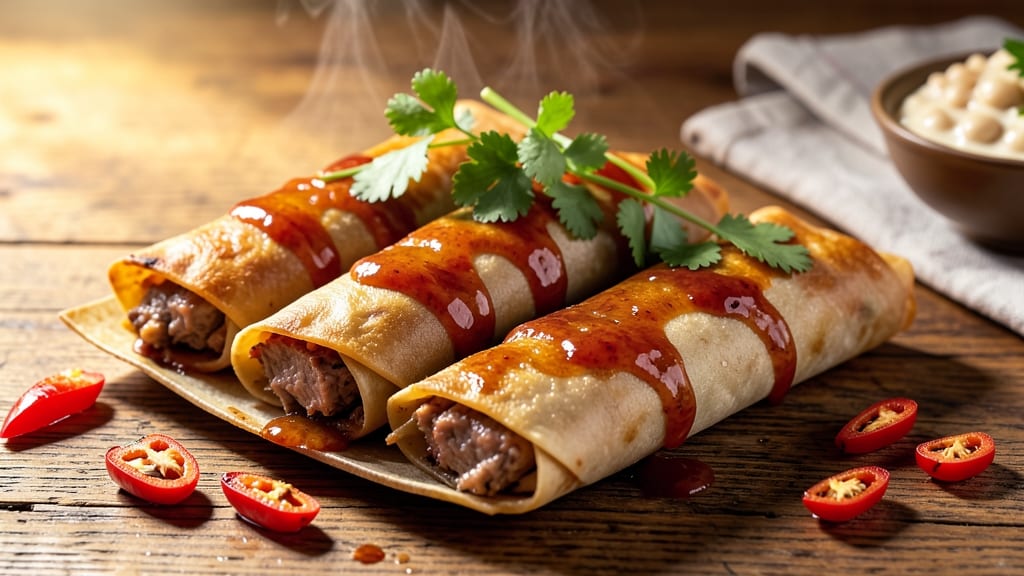
This mild pork tamales recipe brings the comforting flavors of Southern kitchens to your table, where tender pork and fragrant masa harmonize in every bite. 🌟 I developed this version after years of perfecting the balance between rich pork and delicate corn dough—just enough warmth to satisfy without overwhelming.
The secret lies in slow-cooked pork shoulder, infused with subtle herbs and spices, then wrapped in masa that steams to golden perfection.
What sets this recipe apart is the approachability of its mild profile, making it perfect for families or gatherings where everyone can enjoy the dish. The filling combines tender pork with just enough garlic, cumin, and bay leaf for depth, while the masa dough stays soft and pillowy.
Whether you steam them traditionally in corn husks or bake them in foil for convenience, the result is always restaurant-quality.
By the time you're done, you'll have a platter of tamales with tender, juicy pork filling encased in delicate corn masa—each bite offering a perfect balance of texture and flavor.
The aroma alone will have everyone gathering around the table, and the mild seasoning ensures broad appeal. Serve with salsa verde and crema for the full experience.
This recipe scales beautifully for parties or meal prep, and the leftovers reheat perfectly. The techniques I share have been refined over years of cooking for crowds, ensuring your tamales turn out just as they should—steamed to perfection with that signature herby filling. Let's get started!
Ingredients for mild pork tamales
Twelve simple ingredients transform into twelve tamales—soft masa hugging tender pork.
| Ingredient | Amount | Notes |
|---|---|---|
| Pork Shoulder 🥩 | 3 lb | Bone-in, skin-on preferred |
| Dried Corn Masa Harina 🌽 | 4 cups | Maseca or Bob's Red Mill |
| Chicken or Vegetable Broth 💧 | 1 ½ cups | Low-sodium preferred |
| Garlic Cloves 🧄 | 6 cloves | Freshly minced for filling |
| Yellow Onion 🧅 | 1 whole | Medium, finely chopped |
| Bay Leaves 🍃 | 2 whole | Dried, crushed slightly |
| Ground Cumin 🌿 | 1 tbsp | Toasted for deeper flavor |
| Dried Oregano 🍃 | 1 tsp | Mexican oregano preferred |
| Salt 🧂 | 1 ½ tsp | Kosher or sea salt |
| Black Pepper 🌶️ | ½ tsp | Freshly ground preferred |
| Lard or Shortening 🧈 | ½ cup | Leaf lard for authentic flavor |
| Corn Husks 🌿 | 18 whole | Soaked in warm water |
| Hot Water 💧 | 2 cups | For masa preparation |
| Salsa Verde 🍅 | 1 cup | For serving, optional |
| Mexican Crema 🥛 | ½ cup | For serving, optional |
The pork shoulder is the heart of this recipe—bone-in, skin-on gives the most flavor, but boneless works too. Look for well-marbled cuts at Costco or your local butcher—they'll often have it pre-cut for tamales. If you can't find leaf lard, shortening or vegetable lard works, but it won't taste quite as authentic. The masa harina is non-negotiable—Maseca or Bob's Red Mill are the gold standards, and they're easy to find at any Latin market or even the international aisle of big-box stores. For the corn husks, grab a big package—they dry out fast once opened, so store them in a cool, dark place.
No leaf lard? Unsalted butter or bacon fat adds richness, though the flavor won't be identical. Running short on cumin? Smoked paprika at half the amount gives a similar warmth. The broth can be swapped for water if needed, but the pork will be less tender. For the masa, if you can't find masa harina, cornmeal plus a pinch of baking powder is a decent stand-in, though texture will differ. The bay leaves are crucial—they infuse the pork with subtle earthiness without overpowering the mild profile. And if you're feeling fancy, add a pinch of cinnamon to the filling for depth.
Pork keeps 3 days in the fridge before cooking, but it's best used fresh. Once cooked, tamales reheat beautifully—steam for 10 minutes or microwave with a damp towel. The filling can be prepped a day ahead and stored in the fridge. For the masa dough, cover tightly with plastic wrap to prevent drying. These tamales freeze like a dream—wrap individually in foil and freeze for up to 3 months. Just steam straight from frozen, adding 5 extra minutes to the cooking time.
Why You'll Love This Recipe
- Pork Falls Apart: I swear by slow-cooking the pork shoulder—it practically shreds itself when you pull it off the bone, no extra effort needed. The broth soaks in all that savory depth, and the garlic-onion base? It’s the backbone of flavor without needing fancy techniques.
- Hands-Off Magic: Honestly, this is my go-to when I’d rather not stand at the stove. The masa harina steams up into tender, flaky layers while the filling simmers—just check it once, then let it do its thing. (Yes, even on a Tuesday night.)
- Steam-Powered Crowd-Pleaser: Between us, this is the dish that gets everyone at the table—picky eaters included. The mild seasoning means it’s approachable, but the texture? That buttery masa hugging tender pork? It’s the kind of thing your neighbors will ask for seconds of. (And thirds.)
Step-by-step instructions for steaming perfect tamales
Let's make these tamales with tender pork filling and delicate corn husk wrappers.
👨🍳 Step 1: Prepare the Pork Filling
In a large pot, combine the 3 lb pork shoulder, 1.5 cups chicken or vegetable broth, 1 whole yellow onion (finely chopped), 6 cloves garlic (minced), 2 whole bay leaves, 1 tbsp ground cumin, 1 tsp dried oregano, 1.5 tsp salt, and 0.5 tsp black pepper. Bring to a boil over medium-high heat, then reduce to a simmer. Cover and cook for 2 hours until the pork is fork-tender and easily shreds apart.
Once done, remove the pork and shred it using two forks. Return the shredded pork to the pot and stir in 0.5 cup lard or shortening. This adds richness to the filling and helps it stay moist during steaming. Let the mixture cool completely before using—this prevents the masa from getting soggy when we mix them together.
🍳 Step 2: Soak and Prepare the Corn Husks
Fill a large bowl with 2 cups hot water and add the 18 whole corn husks. Let them soak for at least 30 minutes until pliable and flexible. This step is crucial—the husks need to bend easily so they can wrap around the filling without breaking. Drain and set aside on a clean kitchen towel.
While the husks soak, prepare the masa mixture. In a large bowl, combine 4 cups dried corn masa harina and 2 cups hot water. Stir vigorously with a wooden spoon or your hands until the mixture forms a smooth, thick paste. It should be like a thick batter but not too runny. Let it cool to room temperature before using.
🥘 Step 3: Assemble the Tamales
Spread about ¼ cup of the masa mixture onto the center of each corn husk, leaving a 1-inch border at the top and bottom. Using a spoon, place about ¼ cup of the cooled pork filling onto the masa. Fold the sides of the husk inward, then roll it tightly from the bottom up, sealing the filling inside. Place the completed tamales seam-side down in a large steamer basket.
Here's the thing—don't overfill the husks or they'll burst during steaming. You should be able to see a slight bulge, but not so much that it looks ready to pop. Arrange the tamales closely together but not touching, so steam circulates evenly around each one.
🔥 Step 4: Steam to Perfection
Fill a large pot with 2 inches of water and bring to a boil over medium-high heat. Place the steamer basket with tamales inside, cover tightly with a lid, and reduce heat to medium-low. Steam for 1 hour to 1 hour 15 minutes until the masa is tender and the husks pull away easily from the filling.
I like to check them at the 45-minute mark—if a toothpick slides in easily and comes out clean, they're ready. If not, give them another 10-15 minutes. The tamales should feel firm but still soft to the touch, with no resistance when you press gently. Remove the tamales from the steamer and let them cool for 10 minutes before serving.
🍽️ Step 5: Serve with Fresh Toppings
Unwrap the tamales carefully and serve them warm with 1 cup salsa verde and 0.5 cup Mexican crema on the side. The filling should be moist and flavorful, with tender pork that falls apart easily. Each tamale should have a delicate, slightly chewy texture from the masa, not dry or crumbly.
For the best experience, serve immediately while still warm. The contrast between the soft tamale and the bright salsa verde makes every bite delicious. Store any leftovers in an airtight container in the refrigerator for up to 3 days, or freeze for up to 3 months. Reheat gently in a steamer or microwave with a damp towel to keep them moist.
Pro Tips For Making Mild Pork Tamales
- Sear the Pork First: Cook the pork shoulder in batches until deeply browned—this isn’t just for flavor, it’s what keeps the meat tender when it slows later. I used to skip this, and my tamales ended up dry and chewy.
- Toast the Masa Harina: Spread the masa harina on a baking sheet and toast it in a 300°F (150°C) oven for 10 minutes before mixing. This removes excess moisture and gives the filling a nuttier, more developed taste—no need to overcomplicate it.
- Don’t Overmix the Filling: Once you add the broth, fold just until combined—lumpy is fine, but don’t turn it into glue. Overworking the masa makes the tamales dense and gummy, and no one wants that texture.
- Use Cold Broth: Add the broth after the pork and aromatics cool slightly, or the masa will turn into a paste. I learned this the hard way when my first batch turned into a sad, sticky mess—just let everything sit for 5 minutes before mixing.
Essential equipment for this recipe
Steamer Essentials
You'll need a large, heavy-bottomed pot with a tight-fitting lid—think stainless steel or enameled cast iron like my All-Clad Dutch oven (it handles heat beautifully). The pot should be at least 8-quart capacity to accommodate your steamer basket.
I use a double-tiered bamboo steamer (available at Latin markets) for maximum capacity, but a single-tiered metal steamer works too. The key is ensuring the basket fits snugly to trap steam—no gaps allowed! 🌿
Corn Husks & Tools
Fresh corn husks are non-negotiable—they must be pliable but not brittle. Soak them in hot water for 30+ minutes before using. For wrapping, keep a small bowl of warm water nearby to dampen any stubborn husks.
I also recommend plastic wrap to cover unused husks—they dry out fast. A sharp chef's knife (I use my Wüsthof) helps trim husks to size if needed.
Masa Mixing Gear
For the masa dough, a large mixing bowl (I prefer stainless steel) and a wooden spoon are essential—metal spoons can oxidize the masa. If you're making a big batch, a stand mixer with paddle attachment saves your arms (set to low speed to avoid overmixing).
For shaping, keep damp paper towels handy to prevent sticking. A rolling pin helps flatten stubborn dough spots.
Pork Prep Must-Haves
Start with a large Dutch oven (like my Le Creuset) for braising the pork—it needs room for the shoulder to submerge. A meat thermometer (I swear by ThermoWorks Smoke) ensures 195°F internal temp for perfect tenderness.
For shredding, two forks work, but a meat claw (like the OXO Good Grips) makes it effortless. Don’t skip the fine-mesh strainer to drain excess broth before mixing with lard.
Assembly & Safety
Keep parchment paper under your work surface—masa gets messy! A small offset spatula helps spread even masa layers. For safety, oven mitts are a must when handling the hot steamer.
I also recommend a kitchen timer—tamales need precise steaming time (no guesswork!). Pro tip: Label your tamales with parchment markers if making multiple batches for parties. ✨
Nutrition facts
Frequently asked questions
Can I make these tamales without corn husks?
If you can't find corn husks, use banana leaves (available at Latin markets) or heavy-duty aluminum foil. For foil, line a baking sheet with foil, spread ¼ cup masa on each sheet, add filling, then fold into packages. Bake at 375°F for 30-40 minutes instead of steaming. The texture will be slightly different but still delicious!
How do I prevent the masa from drying out?
Keep your masa covered with plastic wrap while working to trap moisture. If it starts drying, add 1-2 teaspoons of warm water and mix gently. For storage, wrap completed tamales in damp paper towels before sealing in an airtight container. Pro tip: Use a spray bottle with water to lightly mist the masa if it feels too stiff during assembly.
What's the best way to reheat tamales?
Steaming is ideal—place tamales in a steamer basket over 1 inch of simmering water for 10-15 minutes until warmed through. For microwave reheating, wrap tamales in a damp paper towel and heat on 50% power for 2-3 minutes. Never reheat dry—always add moisture to prevent toughness. Leftovers keep 3 days refrigerated or 3 months frozen!
Can I substitute the pork with chicken?
Yes! Use 3 lbs boneless chicken thighs instead of pork shoulder. Cook them for 30-40 minutes until tender, then shred and proceed with the recipe. The texture will be slightly lighter, but the mild seasoning works perfectly. For extra richness, add 1 tbsp lard or butter to the filling before mixing with masa.
Why did my tamales turn out crumbly?
Crumbly tamales usually mean the masa was overworked or didn't get enough moisture. Mix just until combined—overmixing develops gluten and makes the masa tough. Also ensure your masa harina is fresh (old masa loses binding properties). For extra insurance, add 1 extra tablespoon of lard to the filling before mixing with masa.