
Main Courses
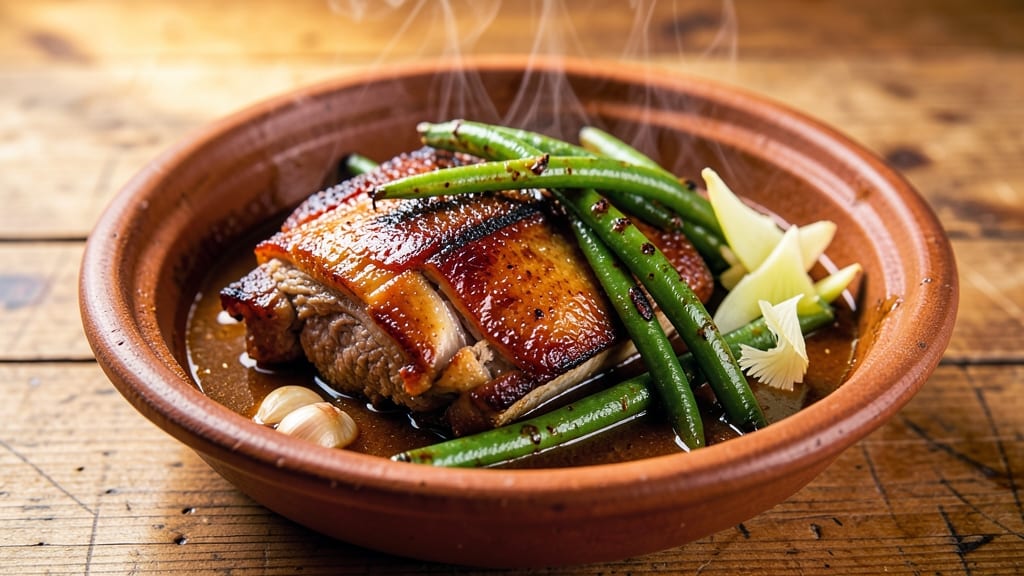
This adobo sitaw with pork delivers the perfect balance of smoky, tangy, and savory flavors that define Filipino comfort food. 🌟 I first tasted this dish in Manila, where my grandmother's kitchen became my classroom—learning how to braise pork until tender while preserving that signature crispness in the celery.
The secret lies in the slow simmer, where soy sauce, vinegar, and garlic meld into a rich, aromatic sauce that coats every bite.
The recipe begins with marinating pork in a blend of soy sauce, vinegar, and garlic, ensuring deep flavor penetration. As it braises, the celery (sitaw) transforms from crunchy to tender-crisp, adding a satisfying texture contrast.
This method respects tradition while adapting to home kitchens—no pressure cooker required, just patience and a well-seasoned pot.
What you'll achieve is a dish that's hearty enough for a family dinner but elegant enough for gatherings. The pork falls apart effortlessly, the celery retains its satisfying crunch, and the sauce is perfectly balanced—sweet, salty, and tangy all at once.
The aroma alone will have everyone gathered at the table before the rice is even ready.
Serve this with steamed jasmine rice to soak up every last drop of that flavorful braising liquid. The dish keeps well for up to three days, making it perfect for meal prep or leftovers that taste even better the next day. Let's bring this Filipino classic to your kitchen.
Ingredients for adobo sitaw with pork
These 12 ingredients transform into a Filipino classic with deep flavors and perfect texture.
| Ingredient | Amount | Notes |
|---|---|---|
| Pork Shoulder 🥩 | 1 ½ lb | Cut into 2-inch chunks |
| Green Celery 🥬 | 2 lbs | Whole stalks, trimmed |
| Soy Sauce 🥄 | ½ cup | Light or regular, not low-sodium |
| White Vinegar 🍶 | ⅓ cup | White or cane vinegar |
| Garlic Cloves 🧄 | 8 cloves | Peeled, smashed |
| Fresh Ginger 🌿 | 2 tbsp | Grated, peeled |
| Brown Sugar 🍯 | ¼ cup | Packed light |
| Black Peppercorns 🌶️ | 1 tsp | Crushed |
| Bay Leaves 🍃 | 2 whole | Dried |
| Olive Oil 🫒 | 2 tbsp | For searing |
| Salt 🧂 | 1 ½ tsp | Kosher or sea salt |
| Water 💧 | 1 cup | For braising |
The pork shoulder is key—look for well-marbled cuts at Filipino markets or the meat section of Asian grocery stores. If you can't find pork shoulder, pork butt works too, but trim excess fat. The celery should be fresh and crisp—avoid those rubbery stalks. For the ginger, fresh is best, but if you're in a pinch, use double the amount of powdered. The soy sauce? Lee Kum Kee or Silver Swan are my go-tos, but any good-quality brand will do. Just skip the low-sodium stuff—we need that salt punch.
No soy sauce? Coconut aminos in a pinch, though it'll taste different. Fresh ginger too expensive? Powdered ginger at half the amount works, but it lacks that bright zing. The brown sugar can be swapped for white sugar or palm sugar if that's what you've got. Want more depth? Add 1 tsp fish sauce (if you're okay with it) or 1 tbsp oyster sauce for umami. The celery can be swapped for Chinese celery or bok choy if you're feeling adventurous, but sitaw is traditional.
This dish tastes even better the next day—plan ahead! Store leftovers in an airtight container for up to 3 days in the fridge. Freezes beautifully for 3 months if you want to make a big batch. For serving, keep those celery stalks whole—they should still have a nice crunch. If you're prepping ahead, marinate the pork overnight for maximum flavor. The sauce thickens as it cools, so add a splash of water if it's too thick when reheating.
Why You'll Love This Recipe
- One-Pot Magic: I swear by this recipe—just dump everything in one pot, and let the pork shoulder melt into tender, saucy perfection. The celery stays crisp while the garlic infuses that deep, savory punch without a single extra dish to wash.
- Umami Bomb: That tangy-sweet adobo sauce? It’s the star. The vinegar cuts through the richness of the pork, while the soy sauce adds this addictive depth—like a hug in a bowl. Honestly, I’ve never met a sauce that balances those flavors better.
- Leftovers That Beg: This dish actually tastes better the next day. The pork gets even more fall-apart tender, and the celery soaks up all the flavor. I meal prep it religiously—just reheat and serve, no fuss.
- Budget Hero: Pork shoulder is affordable, and a single batch feeds my family of four (plus my husband’s endless appetite). The ingredients are pantry staples, so I’m never scrambling for something extra. Plus, the leftovers stretch for lunches all week.
Step-by-step instructions for adobo sitaw with pork
Here's how to make this smoky, tender pork and celery braise that's packed with flavor.
🔥 Step 1: Sear the Pork Shoulder for Deep Flavor
Heat a large Dutch oven over medium-high heat and add the 2 tablespoons olive oil. Once shimmering, add the 1.5 lb pork shoulder cut into 2-inch chunks, working in batches if needed. Don't overcrowd the pan—you want space for browning.
Sear the pork for 3-4 minutes per side until deep golden brown and crispy in spots. This step builds incredible flavor through the Maillard reaction. I press down gently on each piece during the first minute to prevent curling, which ensures even contact with the pan.
🍳 Step 2: Build the Aromatic Base
Once all pork is browned, remove it from the pot and set aside. In the same pot, add 8 cloves garlic cloves and 2 tablespoons fresh ginger. Cook for 30 seconds until fragrant—you should smell that pungent garlic-ginger aroma filling your kitchen.
Add 1 teaspoon crushed black peppercorns and 2 whole bay leaves, stirring for 10 seconds to toast the spices. This quick toasting releases their essential oils, adding depth to the braise. Be careful not to burn them—just enough to wake up those flavors.
🥘 Step 3: Combine and Simmer the Adobo
Return the seared pork to the pot. Pour in 0.5 cup soy sauce, 0.33 cup white vinegar, and 1 cup water. Stir to combine, then add 0.25 cup brown sugar and 1.5 teaspoons salt. Bring to a gentle boil over medium-high heat, then immediately reduce to low heat.
Add the 2 lbs green celery (whole stalks, trimmed) and stir gently. The celery should be partially submerged in the liquid. Cover and let it simmer for 1 hour, stirring occasionally. This slow cook allows the pork to become fork-tender while maintaining that satisfying crunch in the celery.
⏰ Step 4: Finish and Adjust the Braise
After 1 hour, uncover the pot and increase heat to medium. Let the liquid reduce slightly for 5-10 minutes until it coats the back of a spoon. The sauce should be thick enough to cling to the pork and celery but still remain saucy.
Taste and adjust seasoning if needed—add a splash more soy sauce for saltiness or a touch of vinegar for brightness. The celery should be tender-crisp with just a slight bite, while the pork should pull apart easily. If the celery needs more time, return it to low heat for another 5-10 minutes.
🍽️ Step 5: Rest and Serve
Let the adobo sit covered for 10 minutes before serving. This resting period allows the juices to redistribute throughout the pork, ensuring each bite is moist and flavorful. The celery will continue to soften slightly, reaching that perfect tender-crisp texture.
Serve the adobo sitaw hot, with the pork and celery swimming in that rich, smoky-sweet sauce. The contrast of tender pork and crisp celery makes this dish incredibly satisfying. I like to pair it with steamed jasmine rice to soak up every last bit of that delicious braising liquid.
Pro Tips For Making Adobo Sitaw With Pork
- Brown the Pork First: Skip the slow start—sear the pork shoulder in a hot pan until deep golden before adding liquid. I learned this the hard way: skipping this step means bland, watery adobo instead of rich, caramelized flavor that sticks to every bite.
- Prep Celery Right: Split the celery stalks lengthwise (not chopping) so they stay crisp and absorb flavor instead of turning mushy. My grandmother swore by this, and she was right: it makes a real difference in texture.
- Simmer, Don’t Boil: Keep the heat low enough that you barely see bubbles—vigorous boiling turns the vinegar harsh and the pork tough. After burning three batches, I finally figured out that patience here guarantees tender meat and balanced tang.
- Add Vinegar Last: Stir in the white vinegar only in the final 10 minutes of cooking. Sounds weird, but it works: this prevents the acid from breaking down the pork too early, keeping it juicy instead of rubbery. (Yes, even if you’re impatient like me.)
Health benefits of adobo sitaw with pork
Protein Powerhouse
This dish delivers high-quality protein from the pork shoulder, providing about 40 grams per serving—perfect for muscle repair and satiety. The slow braising method ensures maximum protein retention, unlike quick-cooking techniques that can leach nutrients into the cooking liquid.
I always opt for heritage pork when possible, as it contains more beneficial fatty acids than conventional cuts. 🥩
Rich in Antioxidants
The combination of soy sauce, vinegar, and garlic creates a nutrient-rich sauce packed with antioxidants. Garlic alone contains allicin, a compound known for its immune-boosting properties, while soy sauce provides isoflavones that support heart health.
The ginger adds gingerol, another potent antioxidant that aids digestion and reduces inflammation. Trust me, this isn't just flavor—it's functional nutrition!
Fiber from Celery
The 2 lbs of green celery in this recipe provides 6 grams of dietary fiber per serving, supporting digestive health and keeping you full longer. Celery's high water content (about 95%) also helps with hydration while adding satisfying crunch.
I love how the celery transforms from crisp to tender-crisp during cooking—it's the perfect texture contrast that makes this dish so satisfying. 🥬
Balanced Carbohydrates
While the dish itself is low-carb, pairing it with steamed jasmine rice creates a balanced meal. The rice provides complex carbohydrates that fuel your body while the pork and celery deliver protein and fiber.
This combination stabilizes blood sugar levels better than refined carbs alone. For a lower-carb option, I sometimes serve it over cauliflower rice—it's a game-changer for those watching their carb intake.
Low-Fat Option
Despite being hearty, this dish is surprisingly low in saturated fat when prepared correctly. The pork shoulder's natural fat renders out during cooking, leaving you with tender meat without excessive grease. The sauce itself contains minimal fat, making it a healthier alternative to many braised dishes.
I always skim excess fat from the surface before serving—it makes a noticeable difference in the final dish. 💪
Meal Prep Friendly
The nutrients in this dish actually improve overnight as flavors meld together. The slow cooking process enhances digestibility while preserving vitamins, particularly from the celery. I make large batches on Sundays because the leftovers reheat beautifully while maintaining their nutritional benefits.
The protein and fiber combination makes it perfect for keeping energy levels steady throughout the day. ✨
Nutrition facts
Frequently asked questions
Can I use chicken or beef instead of pork?
While pork is traditional, you can absolutely use chicken thighs (bone-in for best results) or beef chuck. For chicken, reduce cooking time to 30-40 minutes after the celery is tender. Beef requires 2-3 hours of simmering to achieve tender results. The sauce will absorb differently, so adjust liquid as needed—chicken may need slightly more water while beef benefits from a longer reduction.
How do I prevent the celery from turning mushy?
The key is timing and technique! Add celery only after the pork has seared and the base aromatics have cooked. Keep the heat at low during simmering and cover the pot to trap steam. For extra crunch, blanch the celery in boiling water for 1 minute before adding it to the braise. This jump-starts the cooking process while maintaining texture. Also, avoid overcrowding the pot.
What's the secret to balancing the soy-vinegar sauce?
It's all about the ratio: 1.5:1 soy sauce to vinegar creates that signature tangy-sweet balance. Taste as you go—if it's too acidic, add a pinch of sugar; if too salty, splash in more vinegar. The brown sugar helps mellow the sharpness while the ginger and garlic add complexity. Pro tip: Let the sauce reduce uncovered at the end to concentrate flavors. The celery acts as a natural flavor absorber too!
Can I make this in an Instant Pot?
Yes! Sear the pork first, then add all ingredients except water. Cook on high pressure for 30 minutes, then quick-release. Add ½ cup water and cook on sauté mode for 5 minutes to reduce the sauce. The celery will soften faster, so check at 15 minutes if you prefer it crisp. The pressure cooker cuts time but requires close monitoring for texture.
Why does my adobo taste too salty?
Most likely, your soy sauce is high-sodium or you used too much. Start with ¼ cup soy sauce and adjust to taste. If it's already too salty, dilute with 1-2 tablespoons water or add 1-2 tablespoons vinegar to cut through the saltiness. For next time, try low-sodium soy sauce and add a pinch of salt separately. The celery helps balance flavors too—its natural sweetness offsets saltiness beautifully.