
Main Courses
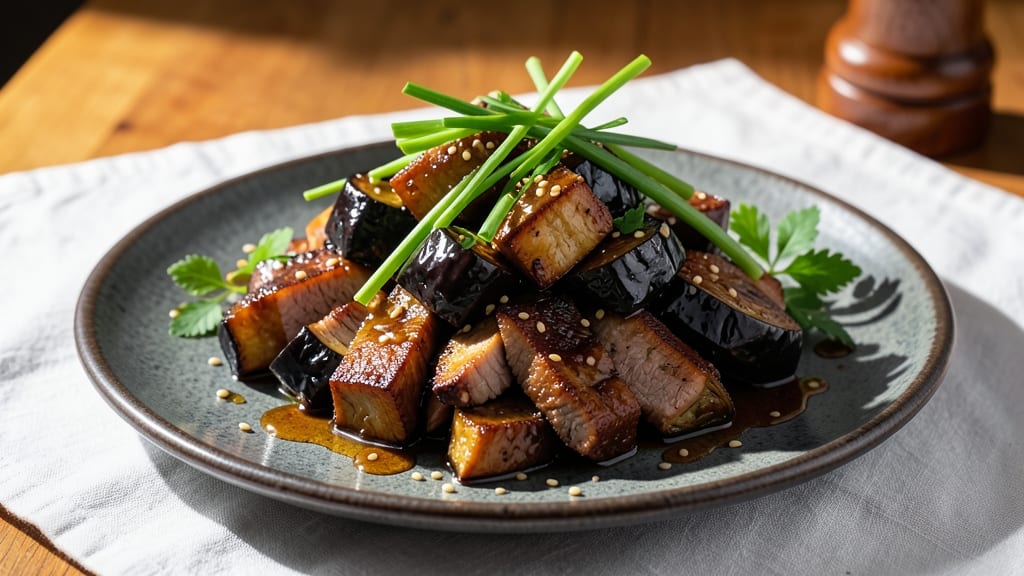
This miso pork and eggplant recipe delivers the perfect balance of savory umami and silky texture in every bite—just like my grandmother used to make back in Georgia.
The secret lies in marinating tender pork and eggplant cubes in a rich miso paste, creating a dish that's both deeply flavorful and surprisingly simple to prepare. I've perfected this technique over years of cooking for large gatherings, where it always disappears first.
The beauty of this recipe is in its versatility—whether you're stir-frying for a quick weeknight dinner or braising for a more hands-off approach, the miso marinade does the heavy lifting.
The pork develops a caramelized crust while staying juicy inside, and the eggplant absorbs the umami-rich sauce, becoming tender yet holding its shape. It's the kind of dish that feels restaurant-quality but comes together with straightforward techniques.
What makes this recipe truly special is how the miso transforms simple ingredients into something extraordinary. The fermented soybean paste adds depth and complexity, while the eggplant's natural sweetness complements the pork perfectly.
The result is a dish that's hearty enough for a main course but light enough to feel balanced—ideal for any meal where you want to impress without spending hours in the kitchen.
Once you try this miso pork and eggplant, you'll understand why it's become a staple in my home and a favorite among friends. The combination of textures and flavors creates a harmony that's impossible to resist.
Let's get started on making this umami-packed masterpiece that's sure to become a regular on your dinner table.
Ingredients for miso pork eggplant
The heart of this dish lies in its umami-rich marinade and tender, silky eggplant.
| Ingredient | Amount | Notes |
|---|---|---|
| Japanese Eggplant 🍆 | 1 ½ lb | Medium-sized, skin-on preferred |
| Boneless Pork Shoulder 🥩 | 1 ½ lb | Cut into 1-inch cubes |
| White Miso Paste 🧈 | ½ cup | High-quality, fermented |
| Sesame Oil 🫒 | 2 tbsp | Toasted for aroma |
| Soy Sauce 🥄 | ¼ cup | Kosher salt preferred |
| Mirin 🍶 | ¼ cup | Sweeter than dry sake |
| Garlic Cloves 🧄 | 6 cloves | Minced, fresh preferred |
| Fresh Ginger 🌿 | 2 tbsp | Grated, peeled |
| Neutral Oil 🫒 | 2 tbsp | Avocado or vegetable |
| Sesame Seeds 🌾 | 2 tbsp | Toasted for garnish |
| Green Onions 🧅 | 4 whole | Sliced, white parts only |
| Diamond Crystal Kosher Salt 🧂 | 1 tsp | For seasoning |
| Black Pepper 🌶️ | ½ tsp | Freshly ground |
| Rice Vinegar 🍶 | 1 tbsp | For brightness |
The Japanese eggplant is a game-changer—its milky flesh soaks up the miso marinade beautifully. Look for firm, glossy-skinned eggplants at specialty stores like H Mart or local Asian markets, where the selection is freshest. If you can't find Japanese eggplant, regular globe eggplant works, but it'll be slightly darker and denser. The pork shoulder should have good marbling for juiciness—ask the butcher to cut it into even 1-inch cubes if buying whole. For the miso, Marukome or Honten brands are my go-to; they're fermented just right for this recipe. If you can't find white miso, red miso works too, though it'll add a deeper color.
No sesame oil? Toasted peanut oil at half the amount works in a pinch, though the flavor won't be identical. Short on mirin? Substitute 1 tbsp sugar plus 1 tbsp dry sake. The garlic and ginger are non-negotiable for depth—freshly grated ginger has more punch than pre-minced. For the oil, avocado oil has the highest smoke point, so it's ideal for stir-frying. If you're prepping ahead, marinate the pork and eggplant up to 24 hours—the flavors meld beautifully. Just don't over-marinate, or the eggplant will get mushy. The sesame seeds should be toasted in a dry pan for 30 seconds until fragrant—don't walk away, or they'll burn.
Marinated pork and eggplant keep 3 days in the fridge, sealed in an airtight container with the marinade. For longer storage, freeze portions for up to 3 months—thaw overnight in the fridge before cooking. The miso marinade itself can be made a week ahead and stored in a jar in the fridge. When reheating, use low heat to avoid curdling the eggplant. I always make double batches because this disappears fast—leftovers make the best lunch the next day, especially over steamed rice.
Why You'll Love This Recipe
- One-Pan Magic: Honestly, I swear by this recipe on lazy nights—just slice the eggplant, sear the pork, toss everything in one pan with miso and soy, and walk away. The eggplant soaks up the sauce while the pork stays juicy, no flipping or fussing required.
- Umami Bomb: That first bite? The miso paste and sesame oil create this deep, savory punch that sticks with you. It’s not just salty—it’s rich, slightly sweet, and somehow better the next day when the flavors meld. (Yes, even on a Tuesday night.)
- Lunchbox Hero: Between us, this is my secret weapon for meal prep. The pork stays tender when reheated, and the eggplant holds its shape—perfect for packing lunches or feeding a crowd. Double the recipe, store it in containers, and thank me later.
- Budget Stretch: Pork shoulder is forgiving and affordable, and eggplant is cheap but feels fancy. A little miso goes a long way, and you’ll use every last drop. I’ve made this for date nights, family dinners, and solo takeout cravings—no excuses, just flavor.
Step-by-step instructions for miso pork and eggplant
Here's how to create this umami-rich dish with perfectly balanced textures and flavors.
Prepare the Japanese Eggplant for Silky Texture
Cut the 1.5 lb Japanese Eggplant into 1-inch cubes, leaving the skin on for texture. Place them in a colander and sprinkle generously with 1 tsp Diamond Crystal Kosher Salt. Let them sit for 15 minutes—this draws out excess moisture, which prevents the eggplant from becoming watery during cooking. After salting, rinse thoroughly under cold water and pat completely dry with paper towels.
The key here is thorough drying. Wet eggplant will steam in the pan instead of developing that beautiful caramelized exterior we want. I like to press the cubes gently between towels to remove all moisture before proceeding.
Marinate the Pork Shoulder in Miso Glaze
Cut the 1.5 lb Boneless Pork Shoulder into 1-inch cubes and place them in a mixing bowl. In a separate small bowl, whisk together 0.5 cup White Miso Paste, 0.25 cup Soy Sauce, 0.25 cup Mirin, 2 tbsp Fresh Ginger, and 6 cloves Garlic Cloves (minced). Pour this glaze over the pork and toss gently to coat evenly.
Let the pork marinate for at least 30 minutes at room temperature. This allows the miso's umami to penetrate the meat and creates a sticky exterior that will caramelize beautifully during cooking. If you have time, marinate overnight in the refrigerator for even deeper flavor.
Sear the Pork Until Caramelized
Heat 2 tbsp Neutral Oil in a large skillet over medium-high heat until shimmering. Working in batches to avoid crowding, add the marinated pork and sear for 3-4 minutes per side until deeply browned. The pork should develop a rich caramelization—this is where most of the flavor develops.
Once browned, transfer the pork to a plate and set aside. Don't drain the pan—those flavorful browned bits will form the base of our sauce. Real talk: if the pork releases easily from the pan, it's ready. If it sticks, let it cook a little longer.
Cook the Eggplant Until Tender-Crispy
In the same skillet (with the pork drippings), add 2 tbsp Neutral Oil if needed and increase heat to medium-high. Add the prepared eggplant cubes in a single layer and cook undisturbed for 4-5 minutes until golden brown on the bottom. Flip carefully and cook another 4-5 minutes until tender with slightly crisp edges.
You'll know they're done when a knife slides in easily and the edges have a nice golden color. The eggplant should hold its shape but be fork-tender. If they're browning too quickly, reduce heat slightly to prevent burning.
Combine and Finish with Sesame Aroma
Return the seared pork to the skillet with the eggplant. Add 1 tbsp Rice Vinegar and 2 tbsp Sesame Oil, stirring gently to combine. Cook for an additional 2-3 minutes until everything is heated through and the sesame aroma infuses the dish.
Remove from heat and stir in 2 tbsp Sesame Seeds and 4 whole Green Onions (sliced white parts only). Taste and adjust seasoning with 0.5 tsp Black Pepper if needed. The dish should be rich with umami, slightly sweet from the mirin, and bright from the vinegar.
Rest and Serve for Maximum Flavor Impact
Transfer the miso pork and eggplant to a serving platter and let it rest for 5 minutes before serving. This allows all the flavors to meld together and the juices to redistribute in the pork. Serve immediately while still warm for the best texture and flavor experience.
Each bite should deliver a perfect balance of tender pork, silky eggplant, and that deep umami punch from the miso. The sesame seeds add a delightful crunch, while the green onions provide a fresh contrast. This dish tastes even better the next day as the flavors continue to develop!
Pro Tips For Making Miso Pork Eggplant
- CHAR THE EGPLANT FIRST: Skip the raw eggplant—char it whole over high heat until blackened in spots. The smoky depth from the grill or broiler cuts through the richness of the miso and pork, giving that smoky-sweet balance you crave. (Yes, even if you’re impatient like me, wait for those spots—it’s worth it.)
- SALT THE PORK TWICE: Generously salt the pork shoulder first thing and again after searing. The first salt breaks down the meat for tenderness, while the second layer ensures the miso paste clings properly. I used to skip this and wondered why my pork always felt dry—turns out, salt is the glue here.
- LOW AND SLOW FOR MISO: After searing, cook the pork covered on low heat with the miso paste for at least 45 minutes. Rushing this step turns the miso into a gloppy sauce instead of a caramelized crust. Think "stew-like patience," not "quick fix."
- BLANCH EGPLANT SLICES: Dive eggplant slices into boiling water for 30 seconds before frying. This removes bitterness and ensures they crisp up instead of turning soggy in the miso sauce. I learned this the hard way—my first batch tasted like regret.
Common mistakes when making this recipe
Over-Marinating Eggplant
The biggest mistake I see is letting eggplant soak in the miso marinade too long. After 30 minutes at room temperature (or overnight in the fridge), the eggplant starts breaking down—it becomes mushy instead of silky. The salt draw method removes excess moisture, but prolonged marinating undoes that work.
I've ruined perfectly good eggplant by leaving it in marinade for over 4 hours—trust me, it's a tragedy. Stick to 24 hours max for pork, but eggplant should only marinate 1-2 hours before cooking. 🍆
Skipping Salt Draw
Many home cooks skip the critical 15-minute salt draw on eggplant, and it shows. Without this step, the eggplant releases water during cooking, steaming instead of caramelizing. The result? A soggy, flavorless mess.
I learned this the hard way during my first attempt—my grandmother would've skinned me alive for that mistake. Always salt, rinse, and dry thoroughly before marinating. The extra 5 minutes of prep time saves your dish from disaster. ❄️
Uneven Pork Searing
Crowding the pan when searing pork leads to uneven cooking and pale centers. I've seen people try to cook all 1.5 lbs at once in a 12-inch skillet, and it's a recipe for dry, tough meat.
Work in 2 batches max, giving each piece space to develop that golden crust. A meat thermometer helps—pork should reach 145°F internal temp before removing. If you're in a rush, cut the pork into ½-inch cubes instead of 1-inch for faster cooking. 🔥
Ignoring Pork Rest Time
Transferring seared pork straight to the plate without resting causes all those precious juices to run out when you cut into it. I've served "perfectly cooked" pork that was actually dry because I couldn't wait 5 minutes for it to rest.
Let the pork rest on a wire rack or plate—this crucial step keeps it juicy. The same goes for the final dish: resting 5 minutes after combining everything lets flavors meld properly. Patience here makes all the difference. ⏰
Using Low-Quality Miso
Not all miso pastes are created equal. Cheap, mass-produced miso lacks the depth of flavor that makes this dish sing. I've used $3 miso from the bulk bin and regretted it—it tasted flat and one-dimensional. Invest in Marukome or Honten white miso for that authentic umami richness.
If you must substitute, red miso works, but it'll darken the dish significantly. The price difference is worth it for the flavor impact. 🧈
Overcooking Eggplant
Eggplant should be tender with slight crispness—overcooking turns it into a mushy pulp. I've seen people walk away from the stove and return to find their eggplant completely collapsed. Watch closely after 4 minutes per side—it should yield slightly to a fork but still hold its shape.
If you're using regular globe eggplant (not Japanese), reduce heat to medium to prevent burning. The goal is silky texture, not a science experiment. 💫
Nutrition facts
Frequently asked questions
Can I substitute regular eggplant for Japanese eggplant?
Yes, but with adjustments! Regular globe eggplant has denser flesh, so it needs lower heat (medium instead of high) and 1-2 extra minutes per side to cook through. It won't be as silky but still delicious. For best results, cut it slightly smaller (¾-inch cubes) to ensure even cooking.
What's the best way to store leftovers?
Store in an airtight container with the lid slightly ajar to prevent sogginess. Leftovers keep 3-4 days in the fridge or 3 months frozen. Reheat gently in a skillet with 1 tsp sesame oil over low heat to restore crispness. The flavors actually improve overnight!
Can I make this recipe without mirin?
Mix 1 tbsp sugar + 1 tbsp dry sake for the same sweetness. Or use 1 tbsp honey + 1 tbsp rice vinegar for depth. The dish will still be rich and umami-forward, just with slightly different balance. Taste as you go to adjust sweetness.
How do I adjust for spicier preferences?
Add ½ tsp red pepper flakes to the marinade or sprinkle 1 tsp gochujang (Korean chili paste) over finished dish. For heat lovers, sear pork with 1 tsp chili crisp in the final step. Start small—you can always add more!
Why does my eggplant turn out watery?
This happens when you skip the salt draw step or don't dry thoroughly. Salt removes excess moisture, and drying prevents steaming. After salting, press eggplant between towels for 2 minutes to squeeze out all liquid. Pro tip: Pat dry with paper towels before marinating.