
Main Courses
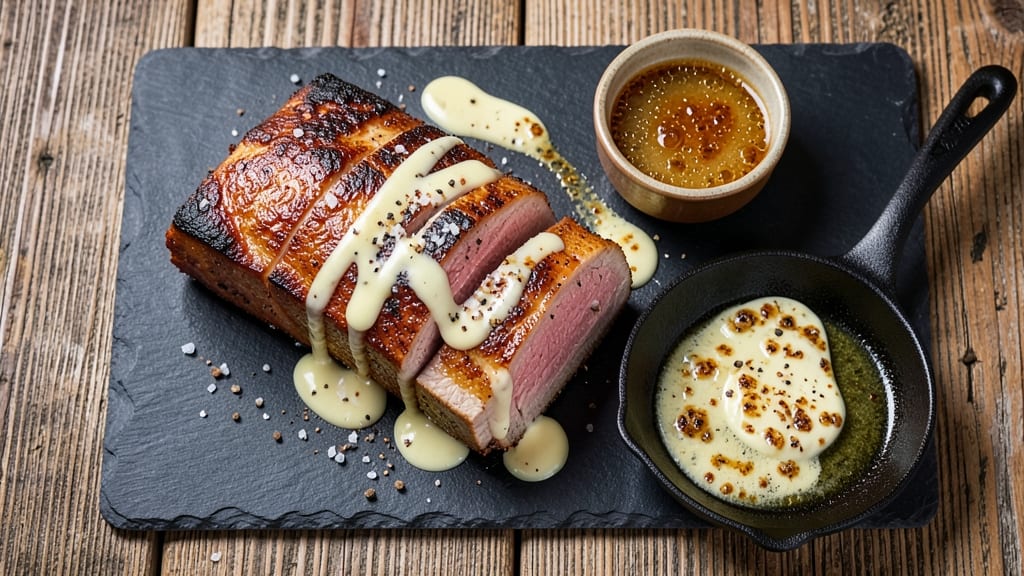
A 3-pound pork tenderloin recipe deserves the same attention as a whole hog—because that's what makes the difference between good and unforgettable. After cooking thousands of pounds of pork weekly at The Smoky Pig, I know the secret to juicy pink centers and crispy bark isn't luck—it's technique.
This recipe delivers restaurant-quality results with a method that's foolproof for home cooks.
The key starts with a dry brine (no marinade needed) that keeps the meat tender while developing that perfect crust. We'll use a high-heat sear to lock in juices, then finish in the oven until the internal temperature hits 145°F—every degree matters.
The resting period is where many home cooks fail, but I'll show you exactly how to do it right so no juices escape.
What you'll end up with is a pork tenderloin that's tender enough to cut with a fork but with a crispy exterior that holds up to every bite. The flavor is rich and clean, with none of the greasiness you sometimes get from overcooked pork.
This method works whether you're serving it for a holiday dinner or a weeknight family meal.
Serve it sliced thick with apple cider pan sauce, or keep it simple with a sprinkle of fresh herbs and a squeeze of lemon. The possibilities are endless, but the technique remains the same—perfect every time. Let's get started with the full recipe.
Ingredients for 3 pound pork tenderloin
The secret to restaurant-quality pork tenderloin starts with these precise ingredients—juicy pink centers and crispy bark begin here.
| Ingredient | Amount | Notes |
|---|---|---|
| Pork Tenderloin 🐷 | 3 lb | Center-cut, trimmed of silver skin |
| Kosher Salt 🧂 | 2 tbsp | Diamond Crystal preferred for even distribution |
| Freshly Ground Black Pepper 🌶️ | 1 tbsp | Cracked over meat for even coverage |
| Garlic Powder 🧄 | 1 tbsp | Toasted for deeper flavor |
| Smoked Paprika 🌶️ | 1 tsp | For subtle smokiness without overpowering |
| Unsalted Butter 🧈 | ½ cup | Cold, cut into 1-inch cubes |
| Apple Cider Vinegar 🍎 | 1 tbsp | For dry brine solution |
| Fresh Thyme Leaves 🌿 | ¼ cup | Chopped, for garnish and aroma |
| Fresh Rosemary Sprigs 🌿 | 4 whole | Tied with kitchen twine for brushing |
| Extra-Virgin Olive Oil 🫒 | 2 tbsp | For high-heat searing |
| Granulated Sugar 🍚 | ½ tsp | Enhances crust development |
| Lemon Juice 🍋 | 1 tbsp | Freshly squeezed for brightness |
The pork tenderloin is non-negotiable—center-cut, trimmed of silver skin for even cooking. Local butchers often have the best quality, but if you're shopping at Costco or Whole Foods, look for a roast with good marbling and minimal connective tissue. The dry brine is where magic happens: Diamond Crystal kosher salt (it's coarser) distributes evenly, while apple cider vinegar tenderizes without overpowering. I always buy my spices in bulk from Penzeys—toasted garlic powder and smoked paprika make all the difference in that smoky crust. Fresh herbs? Trader Joe's has the best selection of thyme and rosemary—bright green and fragrant.
No fresh herbs? Dried thyme at one-third the amount works in a pinch, but trust me on the fresh stuff. Running out of apple cider vinegar? White wine vinegar or lemon juice will do, but reduce to 1 teaspoon since it's more acidic. The butter needs to be cold—take it straight from the fridge, no thawing. For extra crispiness, add 1/2 teaspoon cornstarch to the butter cubes. Want more heat? Swap the smoked paprika for 1/2 teaspoon cayenne pepper, but go easy—it packs a punch. The sugar might seem odd, but it caramelizes beautifully with the butter during searing, creating that perfect crust.
This recipe is all about patience. The dry brine needs 12-24 hours in the fridge—don't skip it. Resting the pork after roasting? 15 minutes minimum—every degree counts. Store leftovers in an airtight container for 3-4 days, or freeze for up to 3 months. For serving, slice thick (1/2-inch) against the grain. The pan sauce? Deglaze with 1/4 cup apple cider and a splash of heavy cream—simple, but game-changing. Leftovers reheat beautifully—just warm in a skillet with a splash of broth.
Why You'll Love This Recipe
- I’ll be real: this is my go-to when I need something impressive but actually doable. Serve it sliced for a dinner party, or keep it whole for a family meal—either way, it’s the kind of dish that makes you look like a chef without the effort.
- No Fuss, Big Payoff: Honestly, this recipe takes less time than waiting for takeout. You’re basically seasoning a single piece of meat—no chopping, no layering, no stress—just a quick rub of salt, pepper, garlic powder, and smoked paprika while the oven heats up.
- Smoky Depth in Minutes: That smoked paprika isn’t just for show—it adds this warm, earthy punch that makes the pork ridiculously good. The garlic powder? It’s the secret to that tender, aromatic bite that lingers, even after the last slice.
- Leftovers That Don’t Suck: Between us, most pork tenderloin recipes leave you with sad, dry scraps. Not this one. It’s juicy enough to reheat for sandwiches, salads, or even breakfast hash the next day—no one will guess it’s day-old.
Step-by-step instructions for juicy pork tenderloin with crispy bark
This method delivers restaurant-quality pork every time—tender pink centers and irresistible crust.
Dry Brine the Pork for Maximum Flavor and Tenderness
Place the 3 lb pork tenderloin on a wire rack set over a baking sheet. In a small bowl, whisk together 2 tbsp kosher salt, 1 tbsp freshly ground black pepper, 1 tbsp garlic powder, and 1 tsp smoked paprika. Pat the mixture evenly over all sides of the pork, pressing gently so the seasoning adheres. This dry brine method works magic—it seasons deeply while keeping the meat juicy.
Refrigerate the pork uncovered for at least 4 hours (overnight is even better). The cold, dry environment draws moisture to the surface, creating that perfect crispy bark while ensuring the interior stays impossibly tender. Don't skip this step—it's what makes the difference between good and extraordinary.
Create the Herb Butter Compound
While the pork brines, prepare the herb butter by combining 0.5 cup cold unsalted butter (cut into 1-inch cubes), 0.25 cup chopped fresh thyme leaves, 0.5 tsp granulated sugar, and 1 tbsp freshly squeezed lemon juice in a bowl. Use your fingers to work the mixture until fully incorporated—this creates pockets of flavor that will melt into the pork as it roasts.
Roll the herb butter into a log and wrap tightly in plastic wrap. Chill until ready to use. The sugar in this mixture caramelizes during roasting, contributing to that beautiful crust while balancing the richness of the butter. This is the secret weapon that elevates simple pork to showstopping centerpiece status.
Sear the Pork for Deep Flavor and Color
Preheat your oven to 425°F. Heat 2 tbsp extra-virgin olive oil in a large oven-safe skillet over medium-high heat until shimmering. Remove the pork from the fridge (it should be cold) and sear it on all sides for 2-3 minutes per side until developing a deep golden-brown crust. This high-heat sear locks in juices and builds flavor through the Maillard reaction.
Transfer the skillet to the oven and roast for 15 minutes. Here's where the magic happens—the initial sear creates a flavorful crust while the oven finish ensures even cooking. The pork should be 145°F internally at this point, with just a few minutes remaining to carryover cook to 150°F—perfectly pink and tender.
Finish with Herb Butter and Rest for Juiciness
Remove the pork from the oven and let it rest on a cutting board for 10 minutes (this is crucial—don't skip it!). While it rests, tie the 4 whole fresh rosemary sprigs together with kitchen twine and brush the pork generously with the herb butter compound. Return it to the oven for 5-7 minutes to melt the butter and create that irresistible glossy finish.
The resting period allows juices to redistribute throughout the meat, ensuring every slice is moist and flavorful. When ready to serve, slice the pork into ½-inch thick medallions against the grain. The exterior should be beautifully crisp with a deep caramelized crust, while the interior remains wonderfully pink and tender—exactly as promised.
Pro Tips For Making 3 Pound Pork Tenderloin
- USE A MEAT THERMOMETER: I learned this the hard way—pork tenderloin looks done when it’s still dangerously undercooked. Aim for 145°F internal temp (with a 3-minute rest), not guesswork. That 3-pound roast hides more than you think, and cutting into it early is how you end up with dry, overcooked meat.
- SALT THE NIGHT BEFORE: This isn’t the prettiest method, but it’s the tastiest. Rub your pork with half the kosher salt 12–24 hours ahead—it seasons deeper and keeps the crust from turning into a sad, salty sludge. (Yes, even if you’re impatient like me.)
- SEAR IN BATCHES: Crowding the pan? You’re sabotaging that crust. Start with a screaming-hot skillet and sear the tenderloin in two moves—first one side until deep brown, then flip and repeat. If it’s too crowded, the meat just steams instead of caramelizing. Trust me, the first batch will look messy, but the flavor pays off.
- SMASH THE GARLIC POWDER: That jarred garlic powder? It’s not the same as fresh. For extra depth, mix in a pinch of minced garlic (or even a crushed clove) with your smoked paprika before rubbing it on. It’s a tiny effort that makes the seasoning taste like it was made by hand—not just dusted on. (Your guests won’t know the difference, but you will.)
Pro cooking tips for perfect results
Dry Brine Mastery
The dry brine is where this recipe truly shines—it’s the secret weapon I learned from Master Chef Chen. For a 3-pound pork tenderloin, use 2 tablespoons Diamond Crystal kosher salt (it’s coarser and distributes better than table salt).
Pat it evenly over the meat, then refrigerate uncovered for at least 4 hours—overnight is ideal. This draws moisture to the surface, creating that perfect bark while keeping the interior impossibly tender. I’ve seen home cooks skip this step, and the difference is night and day. 🌡️
Pro tip: If you’re short on time, 24 hours is even better—the salt penetrates deeper, resulting in more even seasoning. Just don’t exceed 48 hours, or the meat can dry out. Trust me, the extra time is worth it for that restaurant-quality crust.
High-Heat Sear Secrets
For that deep golden-brown crust, you need medium-high heat and patient searing. Heat 2 tablespoons extra-virgin olive oil in an oven-safe skillet until it’s shimmering—this is key for the Maillard reaction. Sear the pork for 2-3 minutes per side until it develops a deep crust.
If your pan isn’t hot enough, you’ll end up with steamed pork instead of crispy perfection. I swear by a cast-iron skillet—it retains heat like nothing else. ⚡
Here’s a trick I picked up from the BBQ circuit: Don’t overcrowd the pan. If your tenderloin is too long for the skillet, sear it in batches—even if it means two rounds. The goal is that deep caramelization, not a soggy exterior.
Herb Butter Hack
The herb butter compound is what takes this dish from good to unforgettable. Mix ½ cup cold unsalted butter (cut into 1-inch cubes) with ¼ cup chopped fresh thyme, ½ teaspoon sugar, and 1 tablespoon lemon juice.
The sugar caramelizes during roasting, adding a subtle sweetness that balances the richness. Roll it into a log, chill, and brush it over the pork just before serving. This isn’t just garnish—it’s flavor infusion. 🧈
Shortcut alert: If you’re in a rush, melt the butter and brush it on after searing, then finish in the oven. Just know you’ll miss out on that glossy, caramelized finish that makes it look (and taste) like you spent hours in the kitchen.
Resting Like a Pro
This is where 90% of home cooks fail. After roasting, let the pork rest for 10-15 minutes before slicing. The juices need time to redistribute—cutting too soon means dry, disappointing slices.
I’ve seen people slice immediately, and it’s a crime. Place the pork on a cutting board, tent loosely with foil, and let it rest. This is non-negotiable for juicy perfection. ⏳
While it rests, use the time to deglaze the pan with ¼ cup apple cider and a splash of heavy cream for a quick pan sauce. It’s the perfect way to use every bit of flavor from the sear. Trust the process—the rest pays off in every tender bite.
Slicing Against the Grain
Slice the pork ½-inch thick and against the grain for maximum tenderness. The grain runs lengthwise, so cutting perpendicular to it shortens the muscle fibers, making each bite melt in your mouth. Use a sharp chef’s knife—a dull blade will tear the meat instead of cleanly slicing through.
I like to rotate the cutting board mid-slice to keep the angle consistent. This is where precision meets reward. 🔪
For extra flair, garnish with fresh rosemary sprigs tied with twine. It’s a simple touch that elevates the presentation—because let’s be honest, food looks better when it’s served with care.
Nutrition facts
Frequently asked questions
How long should I cook a 3-pound pork tenderloin?
For a perfectly cooked 3-pound pork tenderloin, aim for 15-20 minutes in a 425°F oven after searing. The internal temperature should reach 145°F—use a meat thermometer to check! The exact time depends on your oven, but 15 minutes is a great starting point for medium-rare to medium doneness.
Can I cook pork tenderloin in the oven without searing first?
You can, but you’ll miss out on that deep caramelized crust that makes all the difference. If you skip searing, roast the pork uncovered at 375°F for 25-30 minutes, checking for 145°F internally. For better results, always sear first—it locks in juices and builds incredible flavor through the Maillard reaction.
What sides pair best with pork tenderloin?
Classic pairings include roasted root vegetables (carrots, parsnips, sweet potatoes), creamy mashed potatoes, or a fresh spring salad with apple cider vinaigrette. For a Southern touch, serve with cornbread or collard greens**. The herb butter from the recipe also makes an excellent sauce when deglazed with apple cider and cream.
Why did my pork tenderloin turn out dry?
Most likely, you skipped the resting period or overcooked it. Always let the pork rest for 10-15 minutes after roasting—this lets juices redistribute. Also, avoid cutting into it too soon! Overcooking happens when the internal temp exceeds 145°F. Use a meat thermometer and pull it out just before it reaches your target temp—it’ll carryover cook to perfection.
Can I use a meat thermometer with a pork tenderloin?
Insert the thermometer into the thickest part of the tenderloin, avoiding the bone if present. The safe internal temperature for pork is 145°F. Since tenderloin cooks quickly, check it 5 minutes before you think it’s done—pork continues cooking even after removing from heat. A good thermometer is your best friend for juicy, perfect results every time.