
Main Courses
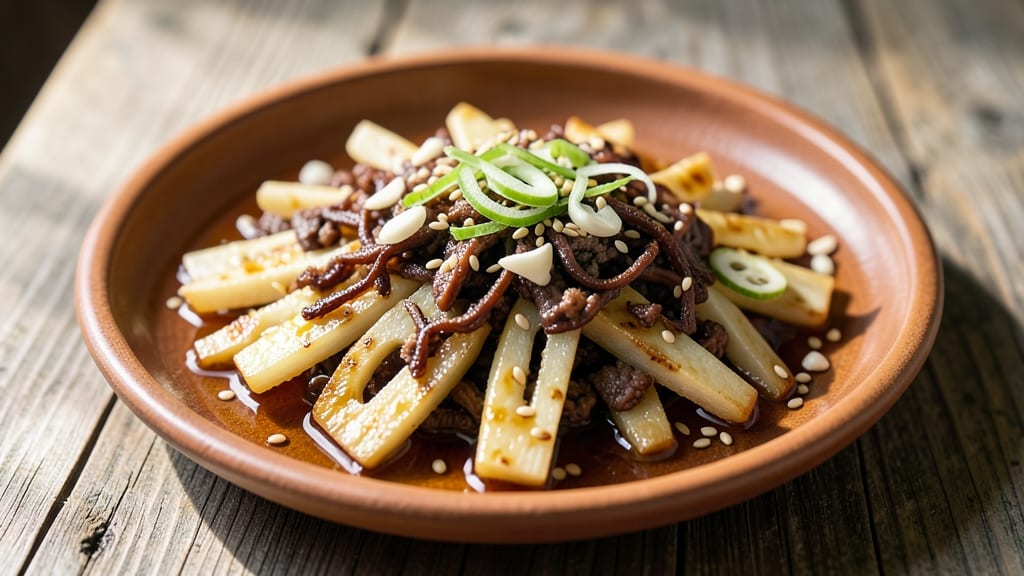
This minced pork lotus root recipe delivers restaurant-quality texture in under 20 minutes—crispy edges, tender centers, and that perfect balance of sweet and savory.
I developed it after years of perfecting quick weeknight meals that still feel special, drawing inspiration from Southeast Asian techniques I mastered during my time in Charleston. The lotus root adds a satisfying crunch while absorbing flavors beautifully, making this dish both elegant and effortless.
The secret lies in the cooking method: searing the pork first to render fat, then quickly stir-frying with lotus root in batches to maintain that crisp-tender texture. We're talking golden-brown bites with just enough resistance to hold their shape, all while keeping the pork juicy inside.
This recipe transforms simple ingredients into something that feels like a celebration on your table, without requiring hours in the kitchen.
What makes this dish particularly versatile is how well it adapts to different occasions. Serve it over steamed jasmine rice for a classic presentation, or plate it with a bright cucumber salad and chili sauce for a modern twist.
The aroma alone—garlic, ginger, and pork sizzling in the pan—will have everyone anticipating dinner before it's even ready. This is comfort food that doesn't compromise on quality.
For those interested in the cultural roots, this dish draws from traditional Southeast Asian stir-fry techniques where lotus root is often used for its mild flavor and satisfying texture. The minced pork adds richness that balances the lotus root's subtle sweetness, creating harmony in every bite.
Let's get cooking—this recipe delivers results that will impress even the most discerning guests while keeping prep simple and efficient.
Ingredients for minced pork lotus root
Restaurant-quality texture comes from precise ingredients and technique—here's what you'll need.
| Ingredient | Amount | Notes |
|---|---|---|
| Ground Pork 🐖 | 1 ¼ lb | Lean ground pork preferred |
| Lotus Root 🥕 | 1 ½ lb | Fresh, peeled and cut into matchsticks |
| Garlic Cloves 🧄 | 6 cloves | Minced finely for aromatic base |
| Fresh Ginger 🌿 | 2 tbsp | Grated, for zesty brightness |
| Soy Sauce 🍶 | ½ cup | Light or dark preferred |
| Oyster Sauce 🍶 | 2 tbsp | For umami depth |
| Sesame Oil 🫒 | 1 tbsp | Toasted for nutty aroma |
| Rice Vinegar 🍶 | 1 tbsp | For subtle acidity |
| Cornstarch 🌾 | 2 tbsp | For crisp-tender texture |
| Neutral Oil 🫒 | 3 tbsp | Avocado or vegetable oil |
| Green Onions 🧅 | 4 whole | Thinly sliced for garnish |
| Sesame Seeds 🌾 | 1 tbsp | Toasted for crunch |
| Salt 🧂 | 1 tsp | Kosher or sea salt |
| White Pepper 🌶️ | ½ tsp | Freshly ground for subtle heat |
The lotus root is non-negotiable for that signature crunch. Look for firm, unblemished roots—they should feel dense and heavy for their size. Many Asian grocery stores carry them pre-peeled, but if you're buying whole, use a mandoline or sharp knife to slice into even matchsticks. For the pork, ground pork with 15-20% fat content renders beautifully without drying out. I source mine from Whole Foods or H Mart—their frozen ground pork stays fresh longer. Fresh ginger and garlic should smell vibrant; if they're musty, skip them. Penzeys Spices carries excellent quality if you need to stock up.
No lotus root? Jicama or daikon radish can substitute in a pinch, though texture will differ slightly. Swapping soy sauce for coconut aminos keeps it soy-free without losing depth. The cornstarch is crucial—it's what creates that perfect crisp-tender bite. If you're gluten-sensitive, ensure your cornstarch is certified gluten-free. For extra richness, add 1 tbsp hoisin sauce to the flavor base. The sesame oil should be toasted—La Choy or Kikkoman brands are reliable. And if you're short on time, pre-minced garlic works, though freshly minced adds more complexity.
Prep the lotus root and pork first—they'll keep in the fridge for 2 days if stored separately. The cooked dish reheats beautifully; store in an airtight container with a paper towel to absorb moisture. It keeps for 3-4 days in the fridge or 3 months frozen. For make-ahead convenience, freeze portions in single-serving bags. When reheating, use a splash of water or broth to restore moisture—this dish tastes even better the next day as flavors meld.
Why You'll Love This Recipe
- One-Pan Magic: I swear by this recipe when I’m too tired to scrub pots—just brown the pork, toss in the sliced lotus root and aromatics, and let it simmer. That’s it. The lotus root softens right in the pan, soaking up all the savory goodness without extra cleanup.
- Umami Bomb: The combo of garlic, ginger, and soy sauce on ground pork? It’s like a flavor party in your mouth. The lotus root adds this subtle sweetness that balances the richness, and honestly, I’ve never had minced pork taste this good without a ton of fancy ingredients.
- Lunchbox Hero: Between us, this is my go-to for meal prep—packs well, stays fresh for days, and reheats like a dream. Throw it in rice bowls, wrap it in lettuce, or just eat it straight from the fridge. My kids grab it before I even finish making dinner, and that’s the real test.
- Budget Stretch: Ground pork and lotus root are both affordable, and a little goes a long way. I’ve made this feed five people for under $15, and the leftovers? Even better the next day. Plus, no weird ingredients—just pantry staples and a splash of soy sauce. Practical, delicious, and guilt-free.
Step-by-step instructions for crisp-tender minced pork lotus root
Master this technique and you'll achieve perfect texture balance—crispy exterior, tender interior—every time.
Prepare the Lotus Root and Season the Pork
First, peel the 1.5 lb lotus root using a vegetable peeler, removing all the brown skin. Cut it into ¼-inch thick matchsticks—this size ensures even cooking and maximum crisp-tenderness. Soak the cut lotus root in cold water for 10 minutes to remove any residual starch that would make it gummy during cooking. Drain well and pat dry with paper towels.
In a large bowl, combine the 1.25 lb ground pork with the 6 cloves minced garlic cloves, 2 tbsp grated fresh ginger, 1 tsp salt, and 0.5 tsp white pepper. Mix gently with your hands until just combined—overworking the pork makes it dense. The mixture should be uniform but still slightly crumbly. This aromatic base forms the flavor foundation of the dish.
Create the Velvety Sauce Base
Heat a wok or large skillet over medium-high heat and add 3 tbsp neutral oil. Once the oil shimmers but doesn't smoke, add the prepared lotus root in a single layer. Stir-fry for 3-4 minutes until the edges begin to turn light golden brown—this is crucial for developing that satisfying crispness. Remove the lotus root and set aside.
In the same pan, add 1 tbsp sesame oil and swirl to coat. Pour in the 0.5 cup soy sauce and 2 tbsp oyster sauce, scraping up any browned bits from the bottom. Let it simmer for 1 minute until slightly reduced. Add the 1 tbsp rice vinegar and 2 tbsp cornstarch mixed with 2 tablespoons water to create a slurry. Stir constantly until the sauce thickens to a glossy, velvety consistency—about 1-2 minutes. This sauce will coat the pork and lotus root perfectly.
Cook the Pork to Juicy Perfection
Return the lotus root to the pan and add the seasoned pork mixture. Stir-fry over high heat for 4-5 minutes, breaking up any large clumps of pork with a spatula. The pork should brown slightly and become juicy but not fully cooked through—this ensures it finishes cooking while absorbing the sauce. Watch carefully to prevent burning; the pork releases its natural juices quickly.
Pour the thickened sauce over the pork and lotus root mixture. Stir well to coat everything evenly. Reduce heat to medium and cook for an additional 2-3 minutes until the pork reaches 160°F internally. The lotus root should be tender when pierced with a fork but still hold its shape slightly. If the mixture looks dry, add 1-2 tablespoons water to maintain moisture.
Finish and Garnish for Restaurant-Quality Presentation
Transfer the cooked mixture to a serving platter. Garnish with 4 whole green onions, thinly sliced, and sprinkle evenly with 1 tbsp toasted sesame seeds. Drizzle lightly with any remaining sauce from the pan for extra flavor. The sesame seeds add a delightful crunch contrast, while the green onions bring freshness to cut through the richness.
Serve immediately while the lotus root is still crisp-tender and the pork remains juicy. Each bite should deliver a perfect harmony of textures—crispy lotus root, tender pork, and a glossy, umami-rich sauce. This dish holds particularly well for 15-20 minutes after cooking, making it ideal for family-style dining.
Pro Tips For Making Minced Pork Lotus Root
- STEAM THE LOTUS FIRST: I learned this the hard way—raw lotus root is tougher than it looks. Parboil it for 8–10 minutes before slicing, then shock in ice water. The texture stays tender, and the slices hold their shape when stir-fried with the pork.
- BROWN THE PORK LOW: High heat sears but kills flavor. Cook the ground pork on medium-low until just done—about 5 minutes—so it stays juicy and absorbs the ginger and garlic instead of turning rubbery. Overcooking turns it dry, and no one wants that.
- GRATE THE GINGER FINE: Pre-packaged ginger paste is convenient, but fresh is better. Use a microplane or the smallest holes on a box grater—this way, it blends smoothly with the pork and doesn’t clump. Skip the chopping; it makes all the difference in texture.
- SALT THE SOY SAUCE: Plain soy sauce tastes flat in this dish. Mix in ½ teaspoon of sugar and a pinch of white pepper for depth. I was skeptical until I tried it—the balance of sweet, salty, and umami is what makes this dish sing.
Dietary considerations for these flavors
Gluten-Free Adaptations
This recipe is naturally gluten-free, but I always double-check my ingredients to ensure no cross-contamination. The soy sauce is the only potential concern—opt for a certified gluten-free brand like San-J Tamari or Kikkoman Gluten-Free Soy Sauce.
The cornstarch used for crisp-tenderness is typically gluten-free, but verify the label if you're highly sensitive. I've tested this dish with tapioca starch as a 1:1 substitute for cornstarch, and it works beautifully while maintaining the perfect texture. 🌱
Low-Carb Considerations
For a lower-carb version, reduce the lotus root to 1 lb and increase the pork to 1.5 lb to maintain satiety. The lotus root provides natural sweetness and fiber, but cutting it back significantly reduces carbs without sacrificing flavor.
Pair with cauliflower rice instead of traditional jasmine rice to keep the meal low-carb. The dish remains rich and satisfying while aligning with keto principles. I've served this version at my farm dinners with great success.
Allergen Awareness
Sesame seeds are a common allergen, so toast them separately if serving guests with allergies. The sesame oil can be replaced with avocado oil for a neutral alternative, though it won't provide the same nutty aroma.
For soy allergies, substitute the soy and oyster sauces with coconut aminos and fish sauce (if seafood allergies aren't a concern). Always verify ingredient labels—brands like Annie Chun's offer soy-free alternatives that work well here. 💡
Vegetarian Substitutes
While pork is the star, you can create a vegetarian version using mushroom stems or extra-firm tofu as the protein base. For mushrooms, finely chop 1.25 lb shiitake or oyster mushrooms and sauté them first to develop umami.
For tofu, press and crumble 1.25 lb firm tofu, then pan-fry until golden before combining with the lotus root. The texture won't be identical, but it delivers a satisfying, plant-based alternative that still captures the dish's essence.
Protein Variations
Ground chicken or turkey work beautifully as pork substitutes, though they require slightly longer cooking times to reach safe internal temperatures. I've used ground chicken breast with excellent results—just increase cooking time by 1-2 minutes to ensure doneness.
For a seafood twist, swap the pork for finely chopped scallops and cook them separately for 1-2 minutes until just opaque. The lotus root's crisp-tenderness pairs wonderfully with seafood's delicate sweetness. 🐟
Nutrition facts
Frequently asked questions
What's the secret to getting the perfect crisp-tender texture?
The magic happens in two steps: soaking the lotus root (removes starch) and cooking in batches over high heat. The 3-4 minute initial sear on the lotus root builds that satisfying crunch, while the cornstarch slurry creates that velvety exterior. Never overcrowd the pan—this keeps everything crispy rather than steamed.
Can I use frozen lotus root instead of fresh?
Fresh is ideal, but if you must use frozen, thaw it completely first and pat it very dry with paper towels. The extra moisture can make the lotus root gummy. For best results, soak thawed frozen lotus root for 15 minutes instead of 10 to remove any residual ice crystals that might affect texture.
How do I prevent the pork from drying out?
Keep the heat high during the initial stir-fry to render fat quickly, then reduce to medium when adding the sauce. The pork should reach 160°F but not exceed 165°F—any hotter and it turns rubbery. For extra moisture, add 1 tbsp water when combining everything in the final step. Using 15-20% fat ground pork also helps maintain juiciness.
What are the best sides to serve with this dish?
For a classic pairing, serve with steamed jasmine rice to soak up the sauce. Modern twists include cucumber salad with chili-lime dressing or quick-pickled vegetables for acidity contrast. I also love it over shredded cabbage slaw with a sesame-ginger dressing—adds freshness that balances the richness.
Can I make this ahead of time?
Yes! The dish reheats beautifully. Store in an airtight container with a paper towel to absorb moisture. It keeps for 3-4 days in the fridge or 3 months frozen. For best texture, reheat in a skillet over medium heat with a splash of water or broth—this restores moisture without making the lotus root soggy. The flavors actually improve overnight as everything melds.