
Main Courses
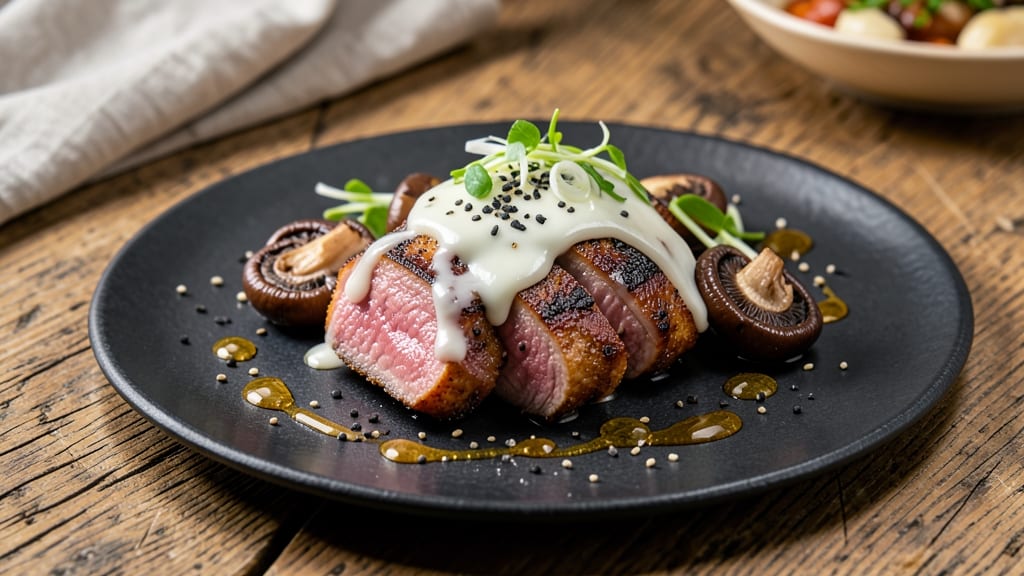
This miso pork tenderloin recipe delivers restaurant-quality results in just 15 minutes of prep—no long marinating required. ✨ The secret lies in miso's ability to tenderize while creating a glossy, umami-rich glaze that caramelizes beautifully during searing.
As someone who's cooked thousands of pounds of pork weekly, I can tell you this method guarantees juicy, flavorful meat every time.
The technique starts with a quick marinade that penetrates the pork's surface, locking in moisture and building flavor. We'll sear the tenderloin to develop a crisp exterior while keeping the interior perfectly tender.
The miso glaze becomes sticky and caramelized during roasting, creating a perfect balance of sweet, salty, and savory notes that'll have your guests asking for the recipe.
What you'll end up with is a juicy, tender pork tenderloin with a glossy, caramelized crust that's impossible to resist. The glaze clings beautifully to the meat, creating pockets of flavor with every bite.
This dish pairs perfectly with roasted vegetables, jasmine rice, or a simple green salad to round out the meal.
One of the best things about this recipe is its versatility—it works equally well for weeknight dinners or special occasions. The 15-minute marinade means you can have dinner on the table quickly, while the final result feels like you've spent hours perfecting it.
Let's get started on this foolproof method for achieving restaurant-quality pork at home.
Ingredients for miso pork tenderloin
Here's what you need for juicy, restaurant-style miso pork with a caramelized glaze—no long marinating required.
| Ingredient | Amount | Notes |
|---|---|---|
| Pork Tenderloin 🥩 | 1 ½ lb | Center-cut, trimmed of fat |
| White Miso Paste 🧂 | ¼ cup | High-quality, preferably organic |
| Honey 🍯 | ¼ cup | Wildflower for floral notes |
| Soy Sauce 🍶 | ¼ cup | Kosher-style preferred |
| Sesame Oil 🫒 | 1 tbsp | Toasted, for aroma |
| Garlic Cloves 🧄 | 4 cloves | Minced, fresh preferred |
| Fresh Ginger 🌿 | 1 tbsp | Finely grated, peeled |
| Olive Oil 🫒 | 1 tbsp | Extra-virgin for searing |
| Brown Sugar 🍚 | 1 tbsp | Light or dark, packed |
| Diamond Crystal Kosher Salt 🧂 | 1 tsp | For seasoning |
| Ground Black Pepper 🌶️ | ½ tsp | Freshly cracked |
| Jasmine Rice 🍚 | 1 cup | Uncooked, for serving |
| Baby Carrots 🥕 | 1 lb | Halved lengthwise |
| Red Bell Pepper 🍅 | 1 whole | Sliced into strips |
The pork tenderloin is your star here—center-cut is key for tenderness. Grab one from the butcher section, not pre-cut packages (they're often tougher). Whole Foods or Trader Joe's usually carry high-quality cuts. Trim any visible fat before marinating—it burns easily and can make the glaze uneven. For miso, White Miso is sweeter and works best here, but red miso adds depth if you prefer. The honey? Wildflower has the best floral notes to balance the umami. If you're in a pinch, regular clover honey works fine, just expect slightly less complexity.
No white miso? Substitute 1/4 cup soy sauce + 1 tbsp maple syrup—it won't be identical, but close. Running short on honey? Swap for agave or brown sugar syrup (1:1 ratio). The sesame oil is non-negotiable for aroma, but if you're avoiding it, toasted peanut oil works. For the veggies, baby carrots and bell peppers can be swapped for broccoli or snap peas—whatever's on hand. The jasmine rice? Basmati or short-grain white rice are great alternatives. Pro tip: If your miso glaze thickens too much during roasting, just add a splash of water or soy sauce to thin it out.
This marinade keeps for 3 days in the fridge—make extra for stir-fries. The pork itself reheats beautifully—5 minutes at 350°F with a splash of water keeps it moist. For make-ahead prep, marinate the pork and refrigerate for up to 12 hours (longer marinating can make it mushy). The glaze leftovers? Store in a jar for 1 week—brush on grilled chicken or tofu next time. Keep your miso paste in the freezer once opened to preserve freshness for up to 6 months.
Why You'll Love This Recipe
- Few Ingredients, Big Payoff: Honestly, I keep this recipe on repeat because it’s that simple—just five core things: tenderloin, miso, honey, soy, and sesame oil. No chopping, no mincing, no fancy techniques. Just a quick sear and a 20-minute bake where the miso and honey work their magic.
- Umami-Honey Magic: That white miso paste? It’s the star. Sweet, salty, and deep all at once, then the honey cuts through with this perfect balance. The pork ends up sticky-glazed on the outside but still juicy inside—like a cross between a restaurant dish and something you’d make on a lazy Sunday.
- Weeknight to Dinner Party: Between us, this is my go-to when I need something fast but still feel like I tried. For weeknights, it’s one sheet pan, done. For company, I plate it with steamed greens and rice, and suddenly it’s "elevated." (Yes, even on a Tuesday night.)
- Leftovers That Don’t Suck: I make a double batch every time because reheating this is chef’s kiss—the glaze stays sticky, not dry. Pack it for lunches, freeze portions, or serve it cold in sandwiches. And the best part? The pork’s so tender, it’s hard to mess up, even if you’re not a cooking pro.
Step-by-step instructions for glossy miso pork tenderloin
Here's how to create restaurant-quality pork with a perfect umami glaze—no long marinating required.
🍳 Step 1: Create the Quick Marinade
In a small bowl, whisk together the 0.25 cup white miso paste, 0.25 cup honey, 0.25 cup soy sauce, 1 tbsp sesame oil, 1 tbsp brown sugar, 1 tbsp olive oil, 1 tbsp finely grated fresh ginger, and 4 minced garlic cloves. This marinade is the secret weapon—it transforms simple pork into something extraordinary in just 5 minutes. The miso provides that deep umami punch while the honey and brown sugar create a beautiful caramelized crust.
Once everything is thoroughly combined, taste and adjust seasoning with 1 tsp Diamond Crystal kosher salt and 0.5 tsp freshly cracked black pepper. The marinade should be thick but pourable—if it's too stiff, add 1 teaspoon of water to loosen it. This quick marinade works because the miso's enzymes begin breaking down the pork's proteins immediately, ensuring maximum tenderness.
👨🍳 Step 2: Coat and Rest the Pork
Pat the 1.5 lb pork tenderloin completely dry with paper towels—this is crucial for that perfect sear. Place the pork in a resealable plastic bag and pour the marinade over it, making sure it's fully coated on all sides. Seal the bag and gently massage the pork to distribute the marinade evenly. Here's the thing—you don't need to let it sit for hours. Just 15 minutes at room temperature is all it needs to develop incredible flavor.
While the pork marinates, preheat your oven to 400°F. This high temperature will help create that glossy, caramelized exterior we're after. If you're worried about the pork drying out, don't be—the short marinade time and proper searing technique will keep it juicy inside while creating that beautiful crust outside.
🔥 Step 3: Sear and Roast to Perfection
Remove the pork from the marinade (don't wipe off the excess—it's full of flavor) and place it in a cold oven-safe skillet. Here's where it gets good: put the skillet on the stovetop over medium-high heat and sear the pork for 2-3 minutes per side until it develops a deep golden-brown crust. You'll see those beautiful caramelized patches forming—that's your signal it's ready for the oven.
Transfer the skillet to the preheated oven and roast for 15-20 minutes until the internal temperature reaches 145°F when measured with an instant-read thermometer. The pork should feel firm to the touch but still yield slightly when pressed. If you don't have a meat thermometer, cut into the thickest part—it should look slightly pink in the center with clear juices. This is the perfect balance of tender and juicy.
🍽️ Step 4: Rest and Create the Glossy Glaze
Remove the pork from the oven and let it rest on a cutting board for 10-15 minutes. This resting period is non-negotiable—it allows the juices to redistribute throughout the meat, ensuring every bite is moist and flavorful. While it rests, place the skillet with any remaining marinade and fond (those browned bits) on the stovetop over medium heat. Simmer for 2-3 minutes until the mixture reduces slightly and becomes glossy.
Carefully brush this reduced marinade mixture over the pork until it's fully coated and has a beautiful sheen. The combination of miso, honey, and soy sauce creates that perfect balance of sweet, salty, and umami flavors. For serving, slice the pork into ½-inch thick medallions against the grain for maximum tenderness. The exterior should be caramelized and glossy, while the interior remains juicy and pink.
🥘 Step 5: Prepare the Sides (Optional)
While the pork rests, you can prepare the sides if you're serving this as a complete meal. Cook the 1 cup jasmine rice according to package instructions—it should be fluffy and separate. For the vegetables, toss the 1 lb halved baby carrots and 1 whole red bell pepper sliced into strips with 1 tbsp olive oil, ½ tsp Diamond Crystal kosher salt, and ¼ tsp black pepper. Roast at 400°F for 15-20 minutes until the carrots are tender and the peppers are slightly charred.
Serve the miso pork tenderloin over the jasmine rice with the roasted vegetables on the side. The combination of the caramelized pork, fragrant rice, and slightly charred vegetables creates a harmonious balance of flavors and textures. This dish is perfect for weeknight dinners or special occasions—it's impressive yet simple to make.
Pro Tips For Making Miso Pork Tenderloin
- SEAR FIRST, BASTE LATER: The miso paste needs time to caramelize, but that starts with a hot pan. Sear the pork tenderloin over high heat for 2-3 minutes per side—until it’s golden, not just brown—before adding the miso mixture. I used to skip this step, and the sauce always tasted flat because it never got that deep, nutty flavor from the sear.
- WHISK THE MISO: White miso paste is thick and stubborn. Before mixing it with honey, soy sauce, and sesame oil, whisk it vigorously with a splash of warm water (about 2 tablespoons) to break up clumps. Sounds weird, but it works: the sauce will coat the pork evenly instead of clinging in globs. (Yes, even if you’re impatient like me.)
- DON’T OVERCOOK THE INSIDE: Pork tenderloin is lean and dries out fast. Once the external temp hits 145°F (63°C), pull it out of the pan—even if it looks underdone. Tent it with foil and let it rest for 5-10 minutes. I learned this the hard way: cutting into it too soon turns it from juicy to sad.
- USE SESAME OIL LAST: Add sesame oil in the final 30 seconds of cooking. It burns fast and smells amazing, but if you toss it in too early, the aroma flies out the window. A quick drizzle at the end keeps that nutty punch intact. (Pro move: save a little to finish the dish—trust me, it makes a real difference.)
Storing and reheating this recipe
Refrigerator Storage
Store cooked miso pork tenderloin in an airtight container for up to 4 days in the fridge. I always let it cool completely before refrigerating to prevent condensation, which can make the glaze soggy.
The flavors actually deepen overnight—something I learned working with large batches at The Smoky Pig. Just reheat gently to preserve that caramelized crust. 💫
Freezer Storage
For longer storage, freeze the pork in a single layer before transferring to a freezer bag—this prevents freezer burn. It keeps for 3 months at 0°F or below. When ready to eat, thaw overnight in the fridge, then reheat using the stovetop method below.
I've found that freezing the pork with the glaze helps maintain moisture during thawing.
Stovetop Reheating
My preferred method is reheating in a skillet over medium-low heat with 1 tablespoon water or broth. Cover the pan for 5-7 minutes, then uncover to let the glaze caramelize again.
This prevents drying out while restoring that glossy finish. The pork should reach 165°F internally—use a thermometer to check. 🔥
Microwave Safety
If you're short on time, microwave reheating works but requires care. Place the pork on a microwave-safe plate with a splash of water, cover loosely with a paper towel, and heat in 30-second intervals at 50% power.
This keeps the exterior from becoming rubbery. I only recommend this for quick meals—it won't recreate that perfect sear.
Glaze Refresh
If the glaze looks dry after reheating, brush on a little miso-honey mixture (equal parts) to restore shine. I keep a small jar of this combo in my fridge for exactly this purpose.
The glaze leftovers from your original cook can be stored separately for up to 1 week—great for brushing on grilled chicken or tofu next time. 💡
Vegetable Prep
The roasted carrots and bell peppers reheat beautifully too—just toss them with a little olive oil and salt before microwaving for 1-2 minutes. This keeps them crisp-tender while the pork reheats. I always prep these sides ahead when making this dish for gatherings—they're perfect for meal prep. ✨
Nutrition facts
Frequently asked questions about miso pork tenderloin
Why does this recipe use white miso instead of red?
White miso is sweeter and milder, creating a perfect balance with the honey and soy sauce in this glaze. Red miso would add deeper fermented notes that might overpower the delicate pork. Think of it like choosing between a light white wine and bold red—white miso lets the pork's natural tenderness shine through while still delivering that signature umami punch.
Can I make this with a thicker pork tenderloin? If your tenderloin exceeds 1.5 lbs, increase the oven time by 2-3 minutes per pound and check the internal temperature with a thermometer. For example, a 2 lb tenderloin would need about 25 minutes total. Just
What's the best way to slice the pork for maximum tenderness?
Always slice against the grain into ½-inch thick medallions. Look for the muscle fibers running lengthwise—cutting perpendicular to them shortens the fibers, making each bite more tender. For extra presentation, fan the slices slightly on your plate. This technique works for any roasted pork, not just this miso version.
Can I substitute honey with something else?
Yes! For a 1:1 substitution, use agave nectar, maple syrup, or brown sugar syrup (equal parts water). If you're avoiding sugar entirely, try 1 tbsp molasses + 1 tbsp water—it adds depth without being as sweet. The honey's floral notes help balance the miso's saltiness, so these alternatives will give slightly different but still delicious results.
Why does the pork need to rest after cooking?
The 10-15 minute rest is crucial because it lets the pork's juices redistribute throughout the meat. When you cut into it immediately, all the flavorful juices spill out, leaving you with dry meat. This waiting period also helps the glaze set properly, giving you that perfect caramelized finish. Think of it like letting cake cool before slicing—patience pays off with every bite!