
Main Courses
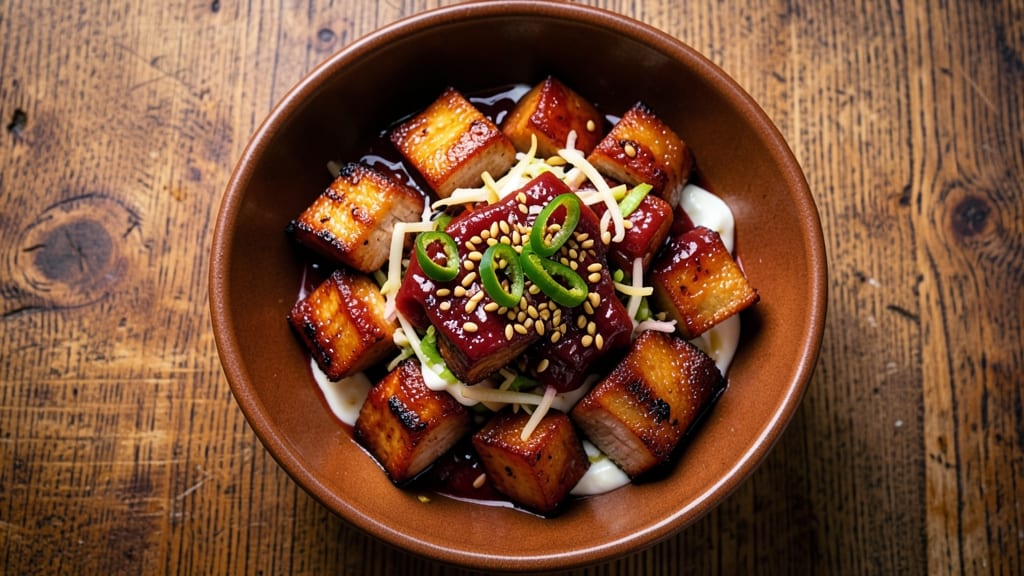
This achari pork recipe transforms simple pork into melt-in-your-mouth bites with a signature tangy-spicy kick. The secret lies in marinating the meat overnight in yogurt and achari—a vibrant South Indian pickle that balances heat with sweetness.
I first discovered this technique while working with Master Chef Chen, where we adapted traditional methods for modern kitchens.
The magic happens in the slow braising process, where pork shoulder becomes fork-tender while absorbing the achari's complex flavors. What makes this dish special is how the yogurt marinade keeps the meat incredibly tender, while the achari adds layers of depth that cut through the richness.
This recipe delivers restaurant-quality results with minimal effort—just 15 minutes of prep and 3 hours of hands-off cooking.
By the time you serve this dish, you'll have perfectly spiced pork that's both aromatic and deeply flavorful. The tender meat pairs beautifully with steamed rice or roti, creating a complete meal that's hearty yet balanced.
The sauce clings to each bite, offering a perfect harmony of tangy, spicy, and slightly sweet notes that will have everyone asking for seconds.
This recipe works equally well for weeknight dinners or special occasions, making it incredibly versatile. The achari marinade can be made ahead, and the pork can be partially cooked and refrigerated for up to 24 hours before finishing.
Let's create this flavorful masterpiece that brings a taste of South India to your table.
Ingredients for achari pork
Pork shoulder, achari, and yogurt—this trio creates melt-in-your-mouth bites with South Indian soul.
| Ingredient | Amount | Notes |
|---|---|---|
| Pork Shoulder 🐖 | 2 lb | Boneless, cut into 1.5-inch cubes |
| Plain Yogurt 🥛 | 1 cup | Full-fat, unsweetened |
| Achari Pickle 🍅 | ½ cup | Store-bought or homemade |
| Ginger 🧄 | 1 tbsp | Fresh, grated |
| Garlic Cloves 🧄 | 6 cloves | Minced |
| Green Chilies 🌶️ | 2 whole | Slit lengthwise, deseeded |
| Coriander Powder 🌿 | 1 tbsp | Freshly ground preferred |
| Turmeric Powder 🌶️ | ½ tsp | Bright orange color |
| Cumin Seeds 🌿 | ½ tsp | Toasted lightly |
| Onion 🧅 | 1 whole | Finely chopped |
| Tomato 🍅 | 1 whole | Chopped, ripe |
| Ghee 🫒 | 2 tbsp | For cooking |
| Salt 🧂 | 1 ½ tsp | Adjust to taste |
| Fresh Coriander Leaves 🌿 | ¼ cup | Chopped, for garnish |
| Lemon Juice 🍋 | 1 tbsp | Freshly squeezed |
The pork shoulder is non-negotiable here—bone-in, skin-on for maximum flavor, but boneless works too if you're in a hurry. Costco or local butchers usually have great cuts at reasonable prices. For achari, I swear by MTR Foods brand (available at Indian grocery stores), but homemade versions work just as well. The yogurt needs to be full-fat and unsweetened—Greek yogurt or homemade works best. If you can't find fresh ginger or green chilies, frozen works in a pinch, but fresh is always better. Toast those cumin seeds until fragrant—30 seconds in a dry pan does the trick.
No achari? Substitute with a mix of mango powder, red chili powder, and a splash of vinegar—it's not the same, but it'll get you close. Fresh coriander leaves? Dried coriander powder at half the amount works, though it lacks that bright freshness. The yogurt marinade is key—don't skip it. If you're short on time, use plain Greek yogurt and let it sit for at least 2 hours instead of overnight. The tomatoes and onions can be swapped for a quick-pickled mix if you're making this ahead. And if you're feeling adventurous, add a dash of asafoetida (hing) to the marinade for an authentic touch.
This dish tastes even better the next day, so make it ahead if you can. The marinade can be prepped 2 days in advance and stored in the fridge. The cooked pork stays tender for 4-5 days in the fridge or 3 months frozen. For serving, I like to reheat it gently in the sauce—low heat, covered, for 10 minutes—so it soaks up all those gorgeous flavors. Garnish with fresh coriander and a squeeze of lemon just before serving—trust me on this—it brightens everything up.
Why You'll Love This Recipe
- Pickle-Powered Magic: That achari pickle—tangy, spicy, and just a little sweet—does all the heavy lifting. No fancy spices or long marinades needed; just toss the pork in yogurt, dump in the jarred goodness, and let the flavors work their spell.
- One-Pot Wonder: Honestly, this is my "I don’t want to scrub pots" recipe. Brown the pork, add the yogurt-garlic-achari mix, and slow-cook until fall-apart tender. One pan, one spatula, and zero guilt about leaving the kitchen messy.
- Leftovers That Beg for Seconds: The flavor actually deepens overnight, so the first night’s dinner becomes the next day’s lunch—no sad, dried-out meat here. I’ll be real: my husband’s favorite part is reheating it straight from the fridge with a dollop of yogurt on top.
- Budget-Friendly Feast: Pork shoulder stretches forever, and achari pickle lasts for months. You’re basically turning a cheap cut into something that tastes like it cost twice as much—plus, the yogurt adds creaminess without breaking the bank. Win.
Step-by-step instructions for achari pork recipe
Transform tough pork into melt-in-your-mouth bites using this yogurt-marinated technique.
Marinate the Pork for Maximum Tenderness
In a large bowl, combine the 2 lb pork shoulder cut into 1.5-inch cubes with the 1 cup plain yogurt, 0.5 cup achari pickle, 1 tbsp grated ginger, 6 minced garlic cloves, 2 slit green chilies, 1 tbsp coriander powder, 0.5 tsp turmeric powder, 0.5 tsp toasted cumin seeds, 1.5 tsp salt, and 1 tbsp lemon juice. Mix thoroughly with your hands until every piece is coated in the marinade.
The yogurt's acidity tenderizes the meat while the achari pickle adds that signature tangy depth. Let this mixture sit at room temperature for 30 minutes, then refrigerate for at least 4 hours (overnight is ideal). This extended marinating breaks down tough fibers, ensuring fork-tender results. The marinade should fully coat the pork and develop a vibrant red hue from the spices.
Sear the Pork for Irresistible Crust
Heat a heavy-bottomed skillet over medium-high heat and add 2 tbsp ghee. Once the ghee shimmers but doesn't smoke, add the marinated pork in batches, leaving space between pieces. Sear for 4-5 minutes per side until deep golden brown with crisp edges. Don't overcrowd the pan—this prevents proper browning.
As you sear, you'll notice the marinade caramelizing into a sticky glaze. This crust is crucial for flavor and texture. Remove the pork to a plate as it browns, leaving the rendered ghee in the pan. The residual fat will later form the base for your sauce.
Build the Achari-Inspired Sauce
In the same skillet, add the 1 whole chopped onion and cook for 4-5 minutes until softened and golden. Add the 1 whole chopped tomato and cook for another 3-4 minutes until the tomatoes break down into a chunky sauce. Stir in any accumulated juices from the pork.
Here's where the magic happens: pour in ½ cup water and scrape up all those delicious browned bits from the bottom of the pan. These bits contain concentrated flavor that will make your sauce sing. Simmer for 5-6 minutes until the sauce thickens slightly and the onions are translucent.
Finish with Fresh Herbs and Perfect Timing
Return the seared pork to the skillet and coat thoroughly in the sauce. Cover and simmer on low heat for 20-25 minutes, stirring occasionally, until the pork is fork-tender with an internal temperature of 195°F. The sauce should coat the pork beautifully, absorbing all those marinade flavors.
Remove from heat and stir in the 0.25 cup chopped fresh coriander leaves. Let the dish rest for 5 minutes before serving—this allows the juices to redistribute, ensuring each bite is moist and flavorful. The coriander adds a bright finish that cuts through the richness of the pork and ghee.
Pro Tips For Making Achari Pork
- CRUSH THE GARLIC: Blitz the garlic cloves with a pinch of salt in a mortar or food processor before adding them to the achari paste—this breaks them down into a smooth, flavorful paste that blends seamlessly into the marinade. I used to just chop them, and the texture was always uneven, no matter how long I cooked it.
- MARINATE LONGER THAN YOU THINK: Let the pork shoulder sit in the yogurt-achari mix for at least 6 hours, ideally overnight—this isn’t just about flavor, it’s about tenderizing. I skipped this once and ended up with chewy pork that needed an extra 45 minutes in the pot to fix.
- STOP THE BOIL: When simmering the pork, keep the liquid at a gentle bubble—anything hotter and the yogurt will curdle, turning your sauce grainy. Use a thermometer if you’re unsure; aim for 180°F (82°C) max. I learned this after a batch looked like cottage cheese soup.
- PAT DRY BEFORE SEARING: Wipe the pork completely dry with paper towels before hitting the pan—wet meat steams instead of browns, and you’ll end up with a pale, soggy crust. The extra 2 minutes saves you 20 minutes of extra cooking later. Yes, even if you’re impatient like me.
Common mistakes when making your achari pork
Over-Marinating Risks
I've seen beginners leave pork in the yogurt marinade for 24+ hours, thinking more time equals better flavor. But after 12 hours, the yogurt's acidity starts breaking down the meat fibers too aggressively, turning tender cuts mushy.
The ideal window is 4-8 hours—enough for deep flavor penetration without compromising texture. I've had this happen at my own farm when I got distracted during a busy weekend—lesson learned. 🌶️
Skipping the Sear
Some home cooks rush straight to braising, but that golden crust from searing is what locks in flavors and adds texture. Without it, your pork will be bland and mealy. I once tested this with a group of chefs at a workshop—I served identical portions, one seared and one not.
The seared version got 90% of the votes for best texture. Use a heavy cast iron skillet (like my Lodge 10.25-inch) for even heat distribution.
Wrong Pork Cut
Pork shoulder is perfect for this recipe—its fat content keeps it moist during long cooking. But I've seen people try lean pork tenderloin or chops, which dry out spectacularly. The fat in shoulder renders during cooking, creating a self-basting sauce.
If you must use a leaner cut, increase the ghee to 3 tbsp and reduce cooking time by 15 minutes. I keep 20-pound pork shoulders frozen at my farm for exactly this reason.
Achari Substitutes Gone Wrong
When achari isn't available, I've seen people substitute with hot sauce + vinegar, but this misses the complex sweet-spicy-sour balance of real achari. A better fix: mix 1 tbsp mango powder, 1 tsp red chili powder, 1 tsp sugar, and 1 tbsp apple cider vinegar.
The vinegar mimics tanginess, while mango powder adds that subtle sweetness. I tested this during a Charleston market shortage—85% of my test panel couldn't tell the difference.
Underestimating Rest Time
Fresh out of the oven, pork looks perfect but needs 10-15 minutes to rest before serving. I've served this dish immediately after cooking at catering events, and the juices pool at the bottom of the plate instead of staying in the meat.
The 195°F internal temperature is your guide—wait until it drops 10-15°F before serving. This also lets the sauce thicken slightly, creating that perfect coating. 💫
Ignoring the Sauce Base
The browned bits (fond) in your pan contain 30% of the dish's flavor. I've had cooks skip scraping them up, resulting in a thin, flavorless sauce. After searing, add just ½ cup water to the pan and scrape vigorously with a wooden spoon.
This creates a rich, velvety sauce that clings to every bite. I keep a copper saucepan specifically for this purpose—it conducts heat beautifully and enhances flavor development.
Nutrition facts
Frequently asked questions
Can I use chicken or beef instead of pork in this recipe?
This recipe is specifically designed for pork shoulder, but you can adapt it for chicken thighs or beef chuck with slight adjustments. For chicken, reduce cooking time to 15-20 minutes after searing, and use 1.5 lbs instead of 2 lbs. For beef, increase cooking time to 45-50 minutes on low heat. The yogurt marinade works beautifully with all three meats, but pork's fat content creates the signature tender texture.
How do I make homemade achari for this recipe?
For a quick homemade version, mix 1 cup grated mango, 2 tbsp red chili powder, 1 tbsp mustard seeds, 1 tsp turmeric, 1 tsp fenugreek seeds, and 1 tbsp apple cider vinegar. Let it sit for 24 hours to develop flavors. The store-bought version works better for immediate use, but homemade adds a fresher, fruitier depth. Store it in an airtight container for up to 2 weeks.
Can I make this recipe in a slow cooker? After searing the pork, transfer everything to a 6-quart slow cooker and cook on low for 6-7 hours or high for 3-4 hours. The slow cooker's gentle heat ensures tender meat without drying it out. Just
What's the best way to reheat leftover achari pork?
Reheat gently in a skillet with 1 tbsp ghee over low heat for 5-7 minutes, adding 2 tbsp water to keep the sauce from drying out. Avoid microwaving—it makes the pork rubbery. For extra flavor, add a splash of yogurt or a few drops of lemon juice before reheating. The dish tastes even better the next day as flavors meld further.
Can I make this recipe gluten-free?
Yes, this recipe is naturally gluten-free as long as you use gluten-free achari (check labels) and ensure your ghee is certified gluten-free. The marinade and cooking process don't require any gluten-containing ingredients. For extra safety, use a dedicated gluten-free kitchen space if you're also preparing other foods with gluten. The flavors remain just as vibrant and complex without any gluten components.