
Main Courses
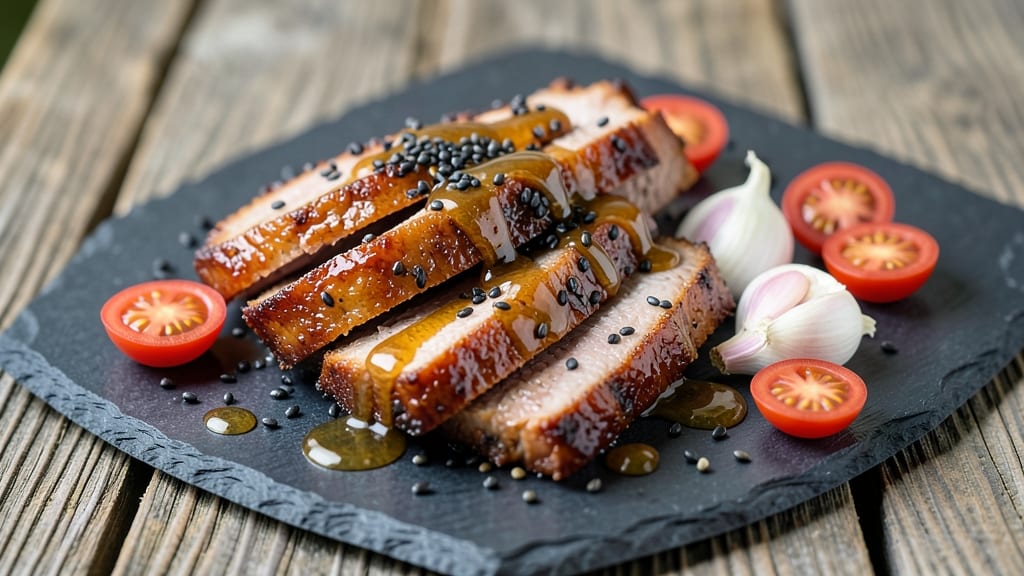
This miso glazed pork loin recipe delivers a perfect balance of umami-rich crust and juicy center—a technique I perfected during my years cooking at The Smoky Pig. 🔥 The secret lies in the miso marinade, which tenderizes the meat while building deep, savory layers of flavor that caramelize beautifully during searing.
I developed this method after working with heritage pork loins, where the fat distribution and texture demand precise handling to avoid dryness.
The process starts with a foolproof marinade of white miso, soy sauce, and a touch of honey, which I let work its magic for at least 4 hours—ideally overnight. This ensures the pork absorbs maximum flavor while remaining tender.
The real magic happens when you sear the loin in a hot cast iron skillet, then finish it in the oven until the internal temperature reaches 145°F. The miso glaze thickens into a glossy, crackling crust that's impossible to resist.
What you end up with is a restaurant-quality center cut that's juicy, flavorful, and visually stunning—golden-brown edges with a glaze that practically drips off the plate. The miso's deep umami flavor transforms an ordinary pork loin into something special, making it perfect for dinner parties or a weeknight upgrade.
Pair it with steamed jasmine rice and roasted bok choy to let the pork shine as the star of the meal.
This recipe scales beautifully for gatherings, and the leftovers reheat just as well as the first serving. Trust me on this: once you try it, you'll never go back to plain roasted pork again. Let's get cooking—your taste buds will thank you.
Ingredients for miso pork loin
The perfect pork loin recipe relies on these umami-packed ingredients for restaurant-quality flavor.
| Ingredient | Amount | Notes |
|---|---|---|
| Heritage Pork Loin 🐖 | 1 ½ lb | Center cut, 1.5-inch thick |
| White Miso Paste 🍶 | ¼ cup | High-quality, unsweetened |
| Soy Sauce 🥄 | ¼ cup | Japanese-style preferred |
| Honey 🍯 | 2 tbsp | Wildflower or clover |
| Sesame Oil 🫒 | 1 tbsp | Toasted, for aroma |
| Garlic Cloves 🧄 | 4 cloves | Minced, for marinade |
| Fresh Ginger 🌿 | 1 tbsp | Grated, finely chopped |
| Olive Oil 🫒 | 2 tbsp | Extra-virgin, for searing |
| Unsalted Butter 🧈 | 2 tbsp | Cold, for basting |
| Jasmine Rice 🌾 | 1 ½ cups | Uncooked, long-grain |
| Bok Choy 🥬 | 2 whole | Baby or small heads |
| Diamond Crystal Kosher Salt 🧂 | 1 ½ tsp | For seasoning |
| Freshly Ground Black Pepper 🌶️ | ½ tsp | For finishing |
The pork loin makes all the difference here—heritage cuts have more marbling for juiciness, but any center-cut loin works. I always grab mine from Whole Foods or my local butcher—they know exactly what I need. Look for a piece that's 1.5 inches thick to ensure even cooking. The miso? Miso Master brand is my go-to for that deep umami punch, but any high-quality white miso will do. Fresh ginger and garlic are non-negotiable—they're the flavor foundation, so don't skip them.
No white miso? Red miso at half the amount works in a pinch, though it'll be slightly sweeter. Sesame oil out of stock? Toasted sesame seeds sprinkled at the end give that same nutty aroma. The honey can be swapped for maple syrup if you're avoiding refined sugar. For the rice, jasmine is ideal, but basmati or sushi rice are great substitutes. The bok choy? Baby heads are perfect, but regular bok choy chopped into bite-sized pieces works too. Just make sure it's crisp—not wilted.
Marinate the pork overnight for maximum flavor, then let it sit at room temperature for 30 minutes before cooking. The glaze thickens as it cooks, so don't rush the searing—cast iron is key for that crackling crust. Leftovers keep for 3 days in the fridge, or freeze for 3 months. I always reheat portions in a skillet with a splash of water to keep them juicy. The rice and bok choy reheat well too—just add a splash of water and cover.
Why You'll Love This Recipe
- Five-Ingredient Magic: That’s all it takes—heritage pork loin, miso, soy, honey, and sesame oil. Honestly, the pantry staples here won’t overwhelm you, and the prep is just slathering and searing. No chopping mountains of veggies or balancing 10 spices.
- Umami Bomb: The white miso and soy sauce create this deep, savory punch that sticks to your ribs. Between us, the honey’s caramelized edge turns it into something dangerously addictive—like a sweet-and-salty hug for your taste buds.
- Lunchbox Hero: This recipe plays well with others. Serve it sliced over rice for a quick weeknight dinner, or pack it cold in wraps for a no-fuss lunch. (Yes, even on a Tuesday night when you’re exhausted.)
- Leftovers That Shine: The flavors actually get better the next day—no sad, dried-out meat here. I’ve reheated slices in a pan with a splash of broth, and it’s still spot-on. Plus, it’s budget-friendly enough to stretch for leftovers without guilt.
Step-by-step instructions for miso glazed pork loin
Here's how to create a perfectly balanced dish with a caramelized miso crust and melt-in-your-mouth center.
👨🍳 Step 1: Marinate the Pork Loin for Maximum Flavor
In a medium bowl, combine the 0.25 cup white miso paste, 0.25 cup soy sauce, 2 tbsp honey, 1 tbsp sesame oil, 4 minced garlic cloves, and 1 tbsp grated fresh ginger. Whisk until the miso paste dissolves completely and the mixture is smooth.
Place the 1.5 lb heritage pork loin in a resealable plastic bag and pour the marinade over it. Gently massage the marinade into the pork, coating all sides evenly. Seal the bag and refrigerate for at least 4 hours, or preferably overnight. This long marinating time ensures deep flavor penetration and tender meat.
🍳 Step 2: Sear the Pork for Irresistible Crust
Remove the pork from the refrigerator and let it sit at room temperature for 30 minutes before cooking. Preheat your oven to 400°F. Heat 2 tbsp olive oil in a large oven-safe skillet over medium-high heat until shimmering.
Place the pork loin in the skillet, fat-side down, and sear for 3-4 minutes until a deep golden-brown crust forms. Flip the pork and sear the other side for another 3-4 minutes. The crust should be caramelized and slightly sticky from the miso marinade. This searing step creates the foundation for our umami-rich crust.
🔥 Step 3: Roast to Juicy Perfection
Transfer the skillet to the preheated oven and roast the pork loin for 15-20 minutes, or until the internal temperature reaches 145°F when measured with a meat thermometer. The pork should be tender but still slightly pink in the center for juiciness.
During the last 5 minutes of roasting, add the 2 tbsp cold unsalted butter to the skillet. The butter will melt and baste the pork, adding richness and helping to create a glossy finish. Remove the pork from the oven and let it rest for 10 minutes before slicing - this resting time is crucial for juicy results.
🥘 Step 4: Prepare the Jasmine Rice and Bok Choy
While the pork rests, rinse the 1.5 cups jasmine rice under cold water until the water runs clear. Combine the rice with 3 cups water and 1 tsp diamond crystal kosher salt in a saucepan. Bring to a boil, then reduce heat to low, cover, and simmer for 15 minutes or until the water is absorbed.
For the bok choy, trim the bottoms and separate the leaves. Heat 1 tbsp olive oil in a separate pan over medium heat. Add the bok choy and sauté for 3-4 minutes until the leaves are tender but still bright green. Season with a pinch of the remaining 0.5 tsp freshly ground black pepper and set aside.
🍽️ Step 5: Slice and Serve with Umami Harmony
Using a sharp knife, slice the rested pork loin into ½-inch thick slices against the grain. Arrange the slices over the jasmine rice, allowing the miso glaze to drizzle over everything. Serve the bok choy on the side for a fresh contrast to the rich pork.
Garnish each serving with a sprinkle of 0.5 tsp freshly ground black pepper and a drizzle of any remaining pan juices. The combination of caramelized miso crust, tender pork, fragrant rice, and crisp bok choy creates a perfectly balanced meal that delivers on all the umami promises.
Pro Tips For Making Miso Pork Loin
- Sear First, Glaze Later: The pork loin needs a hot, dry sear first—no crowding the pan. After browning, pull it out and let the glaze reduce properly; dumping everything in at once just makes a sad, thin sauce.
- Whisk the Miso: White miso paste is stubborn. Mix it with the soy sauce and honey before adding the pork—this ensures even coating and prevents clumpy glaze. A quick pulse in the blender works if you’re impatient, but whisking guarantees smoothness.
- Don’t Overmix the Glaze: Stirring the miso-soy-honey mix too hard or too long turns it grainy. Just combine until smooth, then let it sit while you sear the pork—it’ll thicken on its own without extra fuss.
- Check Internal Temp: Heritage pork loin can dry out fast. Use a meat thermometer and pull it at 140°F—it’ll rise to 145°F while resting. Overcooking turns tender meat to shoe leather, and nobody wants that.
Flavor customization for this recipe
Sweet & Spicy Twist
Add 1 tbsp gochujang (Korean chili paste) and 1 tsp sriracha to the marinade for a sweet-spicy kick that pairs perfectly with the miso's depth. I love this combo for when I'm craving something bold—it adds a fruity heat that balances the umami.
For extra depth, finish with a sprinkle of toasted sesame seeds and thinly sliced scallions after serving. 🌶️
Citrus-Infused Brightness
Brighten up the dish by adding zest from 1 orange and 1 lime to the marinade, along with 1 tbsp freshly squeezed juice from each. The citrus cuts through the richness of the miso while adding a refreshing zing.
I often serve this version with a side of mandarin orange segments for a pop of color and acidity. This works especially well for summer meals or when you want a lighter take on the classic recipe.
Herbaceous Garden Version
For a fresher profile, swap out the sesame oil for 1 tbsp olive oil and add 1 tbsp chopped fresh thyme, 1 tbsp chopped rosemary, and 1 tbsp chopped parsley to the marinade. The herbs add an earthy aroma that pairs beautifully with the miso.
I also like to garnish with extra fresh herbs after cooking for a vibrant finish. This version feels lighter but still packs serious umami flavor.
Smoky BBQ Fusion
Give your pork loin a Southern twist by adding 1 tbsp smoked paprika and 1 tsp liquid smoke to the marinade. This creates a smoky depth that complements the miso perfectly. For extra richness, finish with a drizzle of BBQ sauce before serving.
I developed this variation after working on the BBQ circuit—it’s a crowd-pleaser that brings together two of my favorite flavors. 🔥
Creamy Miso Sauce
For a restaurant-worthy sauce, simmer 2 tbsp white miso, 2 tbsp cream cheese, and 1 tbsp butter together until smooth. Drizzle this creamy miso sauce over the sliced pork loin just before serving.
The creaminess contrasts beautifully with the caramelized crust, and it’s a game-changer for special occasions. Trust me, your guests will think you slaved over this dish for hours.
Asian-Inspired Slaw Topping
Add a crisp, refreshing element by serving the pork loin with a quick-pickled slaw made from 2 cups shredded cabbage, 1 tbsp rice vinegar, 1 tsp sugar, and ½ tsp red pepper flakes. Let it sit for 15 minutes before serving to soften slightly.
The tangy crunch cuts through the richness of the pork and adds a bright contrast. This topping is especially great for balancing the bold flavors of the miso glaze.
Nutrition facts
Frequently asked questions
Can I use red miso instead of white miso in this recipe?
You can substitute red miso, but use only half the amount (about 0.125 cup) since it's sweeter and stronger. Red miso will give your pork a deeper, slightly sweeter flavor profile, but the white miso in this recipe was chosen for its clean umami without overpowering sweetness. For a balanced result, reduce the honey to 1 tbsp if using red miso.
How do I prevent the pork loin from drying out?
The key is proper resting time and precise temperature control. Always let the pork rest for 10 minutes after cooking before slicing—this allows juices to redistribute. Use a meat thermometer to ensure the internal temperature reaches 145°F (not higher) for juicy results. Also, avoid overcrowding the pan during searing, which can lower heat and cause steaming instead of browning.
What's the best way to reheat leftovers?
Reheat sliced pork loin portions in a skillet over medium-low heat with a splash of water or broth for 2-3 minutes per side. This prevents drying out. For rice, cover with a damp paper towel and microwave for 1-2 minutes. Bok choy reheats best in the microwave with a splash of water for 30-45 seconds. Never reheat pork above 165°F to maintain tenderness.
Can I make this recipe with boneless pork chops instead?
You can adapt it, but reduce cooking time to 12-15 minutes total (about 5 minutes per side for searing) and aim for 140°F internal temp. Use 1/3 less marinade (about 0.1 cup) since pork chops have less surface area. The crust will be thinner, but the flavor will still be delicious. For best results, choose 1-inch thick chops to ensure even cooking.
What wine pairs well with miso pork loin?
A dry Riesling or off-dry Gewürztraminer complements the umami perfectly by cutting through the richness. For red wine lovers, try a Pinot Noir or light Syrah—their fruitiness balances the miso's depth. I also enjoy a crisp Sake (especially junmai) with this dish, as its clean profile highlights the pork's natural sweetness without competing.