
Main Courses
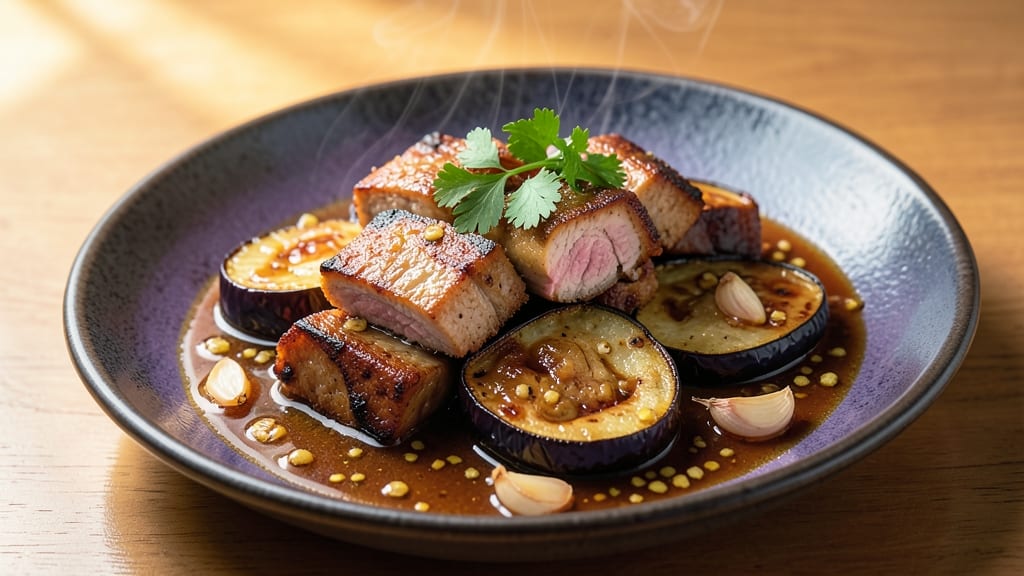
This Adobong Talong with Pork recipe delivers the deep, smoky-sweet flavors of Filipino comfort food in one unforgettable dish. 🔥 The secret lies in balancing vinegar, soy sauce, and garlic to create a sauce that tenderizes the pork while caramelizing the eggplant into perfect bite-sized pieces.
I first discovered this technique during a trip to Cebu, where home cooks transformed simple ingredients into restaurant-worthy meals with just a few hours of slow cooking.
The magic happens in the sauce—vinegar cuts through the richness of the pork fat, while soy sauce adds depth and umami. The eggplant absorbs the flavors beautifully, developing a tender yet slightly crisp exterior that holds up to every spoonful.
This dish is perfect for feeding a crowd or meal prepping, as the flavors only intensify when reheated.
What makes this recipe special is its versatility—serve it over steamed rice for a classic Filipino meal, or pair it with crusty bread to soak up every last bit of that rich, smoky sauce.
The pork stays juicy and flavorful, while the eggplant becomes irresistibly tender, making this a dish that satisfies both heart and soul.
Ready in about 2 hours with minimal prep, this recipe proves that authentic Filipino flavors are within reach for any home cook. Whether you're a seasoned chef or just starting out, the step-by-step process ensures foolproof results every time. Let’s get cooking!
Ingredients for adobong talong with pork
Six ingredients transform into rich, smoky Filipino comfort food with just two hours of slow cooking.
| Ingredient | Amount | Notes |
|---|---|---|
| Pork Shoulder 🥩 | 1 ½ lb | Cut into 1-inch cubes |
| Eggplant 🍆 | 2 lb | Medium-sized, cut into chunks |
| White Vinegar 💧 | ½ cup | Distilled preferred |
| Soy Sauce 🍶 | ½ cup | Filipino preferred |
| Garlic Cloves 🧄 | 6 cloves | Minced for sauce |
| Yellow Onion 🧅 | 1 whole | Medium, sliced |
| Tomatoes 🍅 | 2 whole | Medium, quartered |
| Bay Leaves 🌿 | 2 whole | Dried, crushed |
| Black Peppercorns 🌶️ | 1 tsp | Crushed |
| Sugar 🍚 | 2 tbsp | Granulated |
| Olive Oil 🫒 | 2 tbsp | For sautéing |
| Salt 🧂 | 1 ½ tsp | Kosher preferred |
The pork shoulder is key—look for well-marbled cuts at Filipino markets or the butcher counter. Costco often carries large cuts perfect for this dish. Eggplant should be firm with no soft spots; Asian grocery stores usually carry the best quality. Garlic and onions are the flavor foundation—freshly minced makes all the difference. For tomatoes, San Marzano if you can find them, but any ripe, firm tomatoes work. Bay leaves add depth, so don't skip them—dried is fine but fresh is better if available.
No Filipino soy sauce? Regular soy sauce plus 1 tsp sugar works in a pinch. Vinegar substitutes: rice vinegar or apple cider vinegar (adjust to taste). Eggplant too watery? Pat dry thoroughly before cooking. Want extra richness? Add 1 tbsp coconut milk at the end. The sugar helps balance the acidity—brown sugar works too. For a quicker version, use pre-minced garlic from a jar, but fresh is always better.
This dish tastes even better the next day—flavors meld beautifully when reheated. Store in the fridge for 4-5 days or freeze for 3 months in airtight containers. Portion into meal prep containers for easy lunches. The sauce thickens as it cools, so add a splash of water when reheating. Leftovers reheat perfectly in a skillet or microwave—just stir well to redistribute the sauce.
Why You'll Love This Recipe
- One-Pot Magic: I swear by this recipe—just toss everything into a single pot, and the pork shoulder melts into tender perfection while the eggplant soaks up that tangy, savory sauce. No fancy techniques, no extra dishes, and the aroma alone makes cleanup feel like a bonus.
- Garlic-Soy Symphony: That first bite? The crispy pork meets the creamy eggplant, all drenched in a sauce where the garlic cloves caramelize just enough to make your taste buds dance. Honestly, the soy and vinegar combo is ridiculously addictive—once you try it, you’ll crave that balance of sweet, sour, and umami.
- Weeknight or Party Star: Between us, this dish works for everything. Too tired for a big meal? It’s your new go-to. Hosting unexpected guests? It feeds a crowd without stress. My daughter even asks for it at school lunches—yes, I pack leftovers in jars, and she’s obsessed.
- Leftovers That Don’t Suck: Not the prettiest reheated, but the flavor? Still spot-on. The eggplant stays tender, the pork stays juicy, and the sauce thickens into a glossy glaze. I make double batches on Sundays because it’s cheaper than takeout, and my wallet and my family thank me.
Step-by-step instructions for adobong talong with pork
This Filipino classic delivers deep, smoky flavors through precise layering and slow braising.
🔥 Step 1: Sear the Pork Shoulder for Depth
Heat a large Dutch oven over medium-high heat and add the 2 tablespoons olive oil. Once shimmering, add the 1.5 lb pork shoulder cut into 1-inch cubes in a single layer. Let them sear undisturbed for 3-4 minutes until deep golden brown on all sides.
This initial searing creates the Maillard reaction that forms the rich, caramelized foundation of the dish. I press down gently on the pork cubes during the first minute—this prevents them from curling and ensures even contact with the pan. Once browned, transfer the pork to a plate and set aside temporarily.
🍳 Step 2: Build the Flavor Base with Aromatics
In the same Dutch oven, reduce heat to medium and add the 1 whole yellow onion sliced and 6 cloves garlic minced. Sauté for 5-6 minutes until the onions soften and the garlic becomes fragrant, releasing its sweet aroma.
Add the 2 whole tomatoes quartered and cook for another 3-4 minutes until they break down into a chunky sauce. Stir in the 2 whole bay leaves crushed and 1 teaspoon black peppercorns crushed. These whole spices will infuse the dish with subtle, complex flavors as they simmer.
🥘 Step 3: Braise with Vinegar and Soy Sauce
Pour in the 0.5 cup white vinegar and 0.5 cup soy sauce. The vinegar will initially bubble vigorously—this is normal. Return the pork to the pot and add 2 cups water (enough to partially submerge the ingredients). Stir well to combine all ingredients.
Bring to a gentle simmer, then reduce heat to low. Cover partially with a lid and let it cook for 45-50 minutes until the pork is tender and the sauce has thickened slightly. You'll notice the pork releases easily from the bone and the sauce clings to it—this is your signal that the meat is done.
🔪 Step 4: Add Eggplant and Finish Cooking
Add the 2 lb eggplant cut into chunks to the pot. The eggplant will absorb the flavors quickly, so make sure it's evenly distributed throughout the liquid. Sprinkle in the 2 tablespoons sugar and 1.5 teaspoons salt to balance the acidity and enhance the natural sweetness of the eggplant.
Continue simmering uncovered for another 20-25 minutes until the eggplant is tender but still holds its shape. The sauce should coat the back of a spoon and have a glossy appearance. If it reduces too much, add 2-3 tablespoons water to maintain the right consistency. The eggplant should be fork-tender with just a slight resistance.
⏰ Step 5: Rest and Serve with Perfect Texture
Remove from heat and let the adobong talong rest for 10 minutes before serving. This resting period allows the flavors to meld together and the juices to redistribute throughout the dish. Taste and adjust seasoning if needed—you might want to add a splash more soy sauce or a pinch of salt to intensify the flavors.
Serve hot, either as a main dish with steamed rice or as a hearty stew. The pork should be fork-tender with a rich brown sauce clinging to it, while the eggplant will have absorbed the smoky, tangy flavors beautifully. The dish should have a perfect balance of sweet, sour, salty, and umami notes that make each bite satisfying.
Pro Tips For Making Adobong Talong With Pork
- Sear Pork First: Hit that pork shoulder with a hot pan before simmering—no, not just a quick sear, but until it’s got real color and some crispy edges. I used to skip this and ended up with bland, gray pork that soaked up all the sauce like a sponge instead of standing up to it.
- Char Eggplant Properly: Don’t just toss whole eggplants into the pot—they’ll turn mushy. Instead, slice them into 1-inch chunks, then sear them in batches in a smoking-hot pan with a little oil until they’re blistered and blackened in spots. This step makes the texture rich and velvety, not sad and watery.
- Balance Vinegar Slowly: Start with half the vinegar called for, then taste as you simmer. Adding it all at once will make your dish taste like a science experiment gone wrong. The goal is tangy, not sour—adjust in small splashes until it hits that perfect balance, especially if your vinegar is extra strong.
- Crush Garlic Like Mad: Skip the mincer—use the flat side of your knife to smash those garlic cloves into a paste right in the pot. This releases more flavor and blends seamlessly into the sauce, unlike chopped garlic that sits like little flavor bombs. (Yes, it’s messy, but worth it.)
Dietary considerations for these flavors
Gluten-Free Adaptations
This dish is naturally gluten-free if you use a certified gluten-free soy sauce like Kikkoman Gluten-Free Tamari. I always keep a bottle on hand—it’s my go-to for Filipino cooking. The vinegar, garlic, and spices are all gluten-free by default, so no substitutions are needed beyond the soy sauce.
Just be sure to check your vinegar label too, as some brands add wheat-based additives. 🌱
Low-Carb Options
For a lower-carb version, replace the 2 lb eggplant with 2 lb cauliflower florets—they absorb the sauce just as well. Cauliflower also adds a pleasant texture contrast while cutting net carbs significantly.
You can also serve this over cauliflower rice instead of regular rice for a complete low-carb meal. The pork remains the star, so you won’t sacrifice flavor.
Vegetarian Swap
Skip the pork entirely and use extra-firm tofu or mushrooms for a meat-free version. Press and pan-fry 1.5 lb firm tofu in the same way you’d sear the pork, then proceed with the recipe as written.
Mushrooms like shiitake or portobello add meaty texture—sauté 1.5 lb sliced mushrooms first to develop their umami before adding the sauce. The eggplant will still be the star, but the dish becomes heartier without meat. 🥗
Allergen-Friendly Tips
For nut allergies, this recipe is already safe—no nuts are involved. If you’re avoiding soy entirely, substitute the soy sauce with coconut aminos (use the same amount) and add 1 tsp salt to compensate for the lower sodium content.
For eggplant allergies, replace it with zucchini or sweet potato—both work well in the sauce. Always check your vinegar label if you have multiple allergies, as some brands process in shared facilities.
Dairy-Free Note
This dish contains no dairy, making it naturally suitable for lactose-intolerant diets. The sauce relies on vinegar, soy, and spices for flavor, so no substitutions are needed. If you’re serving this at a gathering, mention it’s dairy-free—it’s a great option for guests with dietary restrictions.
The rich, savory flavors stand on their own without any milk or cheese components. 💪
Nutrition facts
Frequently asked questions
Why does the eggplant turn mushy in adobong talong?
The eggplant absorbs liquid quickly, so it's crucial to add it after the pork has simmered for 45 minutes—this ensures the sauce is already thickened. For extra firmness, cut the eggplant into 1-inch chunks (not too small) and simmer uncovered for 20-25 minutes at medium heat. If it still feels soft, add a splash of water and cook longer.
Can I use boneless pork chops instead of pork shoulder?
Yes, but adjust the cooking time! Pork chops cook faster—simmer them for only 20-25 minutes after adding the eggplant. For best results, cut them into 1-inch cubes and sear until golden before adding to the pot. The sauce will still cling beautifully, but the texture will be slightly firmer than shoulder.
How do I make this dish less sour?
The vinegar provides tanginess, but you can balance it by adding 1 extra tablespoon of sugar at the end of cooking. For a milder flavor, reduce the vinegar to 0.25 cup and increase the soy sauce to 0.6 cup. Taste as you go—Filipino adobo should have a bright acidity, but you can adjust to your preference.
What's the best way to reheat leftovers?
Reheat gently in a skillet over medium-low heat for 5-7 minutes, stirring occasionally to prevent sticking. Add 1-2 tablespoons of water or broth if the sauce seems too thick. Microwaving works too (covered for 1.5-2 minutes
Can I substitute vinegar with something else?
For a milder taste, use apple cider vinegar or rice vinegar (reduce to 0.25 cup and add 1 tsp sugar). Avoid lemon juice—it adds bitterness. For a tangy alternative, try 1 tbsp tomato paste (simmered first) to deepen the umami without sharp acidity.