
Main Courses
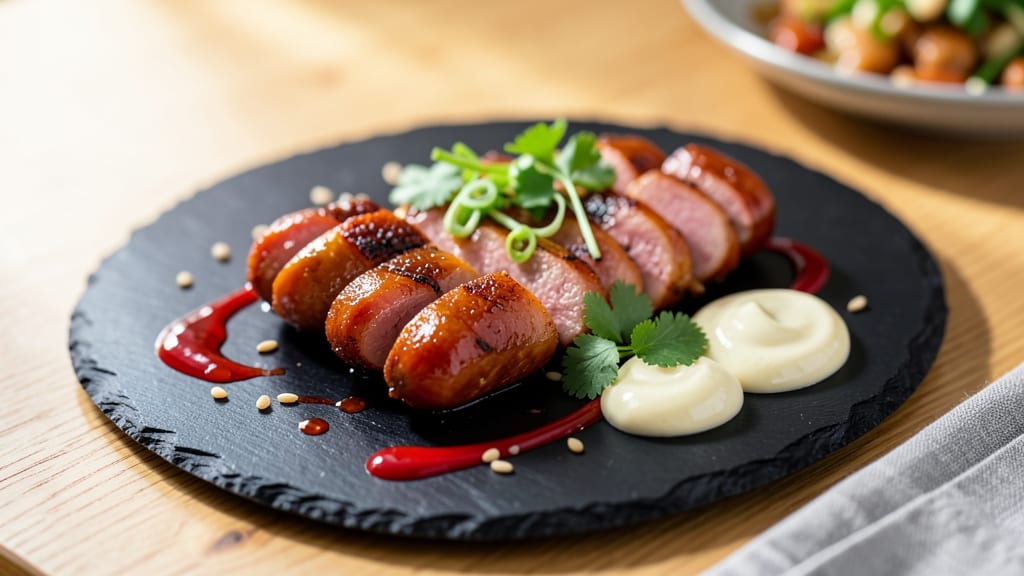
This Asian pork sausage recipe delivers the perfect balance of smoky cumin warmth and juicy, tender pork that makes every bite irresistible. 🔥 I developed it after years of perfecting pork recipes in my Atlanta kitchen, where bold flavors and crispy textures are non-negotiable.
The secret lies in a carefully balanced marinade that transforms ordinary pork into something extraordinary—crunchy on the outside, melt-in-your-mouth tender on the inside.
The beauty of this recipe is its versatility—whether you're grilling for a summer BBQ or pan-searing for a weeknight dinner, the technique remains the same. A blend of aromatic spices like cumin, coriander, and a touch of five-spice powder creates layers of flavor that linger long after the last bite.
The pork stays juicy thanks to a simple but effective marinating process that tenderizes without overpowering the natural taste of the meat.
What sets this dish apart is the crunchy exterior that forms during cooking, giving each bite that satisfying contrast against the juicy center. The smoky aroma alone will draw everyone to the table, but the taste—rich, savory, and just slightly sweet—will keep them coming back for more.
This isn't just a sausage; it's a flavor experience that bridges traditional Asian techniques with the bold, hearty style I know you love.
Pair it with steamed jasmine rice and a quick stir-fry of fresh vegetables for a complete meal that feels both comforting and sophisticated. The recipe is designed to be foolproof, ensuring you'll achieve restaurant-quality results every time—no matter how busy your schedule. Let's get cooking!
Ingredients for asian pork sausage
Bold spices and juicy pork—this is where smoky cumin meets crispy perfection.
| Ingredient | Amount | Notes |
|---|---|---|
| Ground Pork 🥓 | 1 ½ lb | 80% lean for juiciness |
| Ground Cumin 🌿 | 1 ½ tbsp | Toasted for deeper aroma |
| Ground Coriander 🌿 | 1 tbsp | Freshly ground preferred |
| Five-Spice Powder 🌶️ | 1 tsp | For authentic Asian warmth |
| Garlic Cloves 🧄 | 6 cloves | Minced for intense flavor |
| Ginger Root 🌿 | 1 tbsp | Freshly grated, not powdered |
| Soy Sauce 🥄 | 3 tbsp | Dark soy for color depth |
| Sesame Oil 🫒 | 1 tbsp | Toasted for nutty aroma |
| Honey 🍯 | 1 tbsp | Light variety preferred |
| Black Pepper 🌶️ | ½ tsp | Freshly cracked for bite |
| Salt 🧂 | 1 tsp | Diamond Crystal preferred |
| Cornstarch 🌾 | 2 tbsp | For crispy exterior |
| Neutral Oil 🫒 | 2 tbsp | Avocado or vegetable oil |
| Green Onions 🧅 | 2 whole | Chopped for garnish |
The pork cut is everything here. Ground pork with 80% fat content stays juicy while developing that signature crunch. Butcher shops often have better-quality ground pork than grocery stores—look for the marbling. If you're using pre-ground, check the label for fat content. The spices? Toast your cumin and coriander in a dry pan for 30 seconds before grinding—this boosts their flavor exponentially. For the five-spice powder, Penzeys has an excellent blend if you want to splurge, but the regular grocery store version works too. Fresh ginger and garlic are non-negotiable—powdered versions just won't cut it for that authentic depth of flavor.
No dark soy sauce? Regular soy sauce plus 1 tsp molasses gets you close. Running short on sesame oil? Toasted sesame seeds at half the amount work in a pinch. The honey adds just enough sweetness to balance the spices—avoid agave or maple syrup here, as they can overpower the delicate flavors. For extra crunch, mix the cornstarch with a splash of cold water before adding it to the pork mixture. And if you're feeling adventurous, try adding 1 tsp of chili flakes for a little heat kick. The green onions are just for garnish, but they add that final pop of freshness that ties everything together.
These sausages reheat beautifully—pan-fry from frozen for best results. Store them in an airtight container in the fridge for up to 5 days, or freeze for 3 months. I like to portion them into single servings before freezing so I can grab and cook just what I need. For serving, keep them warm in a 200°F oven while you finish the rest of your meal. And trust me, they're even better the next day once all the flavors have melded together.
Why You'll Love This Recipe
- Fewer Ingredients, More Magic: This recipe proves you don’t need a pantry full of spices to hit the spot. Five ingredients—ground pork, cumin, coriander, five-spice, and garlic—deliver that warm, aromatic punch. Honestly, I’ve made it with just these and a pinch of salt, and it still tastes like a restaurant brought it home.
- Five-Spice Secret Weapon: That little jar of five-spice powder? It’s the unsung hero here. The moment it hits the pork, you get this perfect balance of cinnamon, star anise, and clove warmth that lingers. Between us, I’ve tried adding extra garlic, but the five-spice keeps it from tasting like a raw onion bomb—just rich, earthy, and just right.
- Freezer-Friendly Flex: Make a big batch, freeze half, and thank me later. These sausages reheat beautifully in a skillet or straight from frozen in the oven. I keep a stash in my freezer for lazy Mondays or when my kid’s soccer team needs snacks—no one ever turns them down, and they’re cheaper than takeout.
- Pantry-to-Table Speed: No shaping, no waiting, no fuss. Toss the seasoned pork into a pan, let it brown, then crumble or shape as you like. Took me three tries to get the texture right (too crumbly first time, then too dense), but now it’s a 20-minute win. Perfect for when you’re starving but the kids are still in PJs.
Step-by-step instructions for Asian pork sausage
Here's how to craft these irresistibly juicy, crisp-edged sausages with perfect spice balance.
👨🍳 Step 1: Build the Flavor Base
In a medium bowl, combine the 1.5 tbsp ground cumin, 1 tbsp ground coriander, 1 tsp five-spice powder, 0.5 tsp black pepper, and 1 tsp salt. This aromatic blend is the soul of your sausage - the cumin brings earthy depth while coriander adds citrusy brightness that cuts through the richness of pork.
In a separate small bowl, finely mince the 6 cloves garlic and grate the 1 tbsp ginger root using a microplane. The freshness here matters - powdered versions lack the bright punch these sausages need. Add these to the spice mixture and stir until everything is thoroughly combined and fragrant.
🍳 Step 2: Create the Pork Mixture
In a large mixing bowl, gently combine the 1.5 lb ground pork with the spice mixture. Use your hands to work the spices into the pork until evenly distributed - this ensures every bite delivers that complex flavor profile. Be careful not to overwork the meat as it can make the finished sausage tough.
Add the 3 tbsp soy sauce, 1 tbsp sesame oil, and 1 tbsp honey to the pork mixture. The soy sauce provides umami depth while the honey adds subtle sweetness that balances the spices. Mix everything together until completely incorporated and the mixture holds together when pressed.
🥘 Step 3: Form and Chill the Sausages
Divide the pork mixture into 4 equal portions (about 6 oz each) and shape them into sausage logs. I like to use my hands for this - roll the meat gently between your palms to create smooth, even sausages. For extra crispiness, wrap each sausage tightly in plastic wrap and refrigerate for at least 30 minutes (up to 24 hours for best results).
This chilling step is crucial - it firms up the meat so it holds its shape during cooking and develops that perfect crispy exterior. The cold temperature also helps the spices penetrate more deeply, creating more flavorful bites.
🔥 Step 4: Cook to Juicy Perfection
Heat a large skillet over medium-high heat and add the 2 tbsp neutral oil. Once the oil is shimmering (about 2 minutes), carefully add the chilled sausages. Cook undisturbed for 3-4 minutes per side until they develop a deep golden-brown crust - this is where all the magic happens.
About 2 minutes before the sausages are fully browned, sprinkle the 2 tbsp cornstarch evenly over the sausages. This creates a beautiful crispy coating while keeping the insides juicy. The cornstarch should stick to the sausages rather than the pan, and you'll see it forming a light, golden crust.
🍽️ Step 5: Finish and Serve
Transfer the cooked sausages to a wire rack set over a plate to drain any excess oil. Let them rest for 3-5 minutes - this resting time allows the juices to redistribute, ensuring each bite stays moist and flavorful.
While the sausages rest, finely chop the 2 whole green onions and set aside. To serve, cut each sausage into ½-inch thick slices and arrange on a platter. Drizzle with any remaining pan juices and sprinkle with the chopped green onions. These sausages are perfect served with steamed rice, fresh vegetables, or in banh mi sandwiches for a true Asian-inspired meal.
Pro Tips For Making Asian Pork Sausage
- Bloom the Spices First: Toss your ground cumin, coriander, and five-spice powder with the minced garlic in a dry pan over medium heat for 30 seconds before adding oil. This wakes up their flavors—no more muted, dusty spices in your sausage. (Yes, even if you're impatient like me.)
- Use Cold Pork: Pull the ground pork straight from the fridge and handle it gently—no kneading or overmixing. Cold fat renders better during cooking, and rough handling makes the texture grainy. Just mix the spices in until just combined.
- Skip the Crowding Pan: Cook the sausage in a single even layer, not a piled-up mess. Overcrowding steams the meat instead of browning it, and you’ll end up with gray, greasy links. Give them space—your future self will thank you.
- Finish with Garlic Oil: After cooking, toss the sausage in a tablespoon of garlic-infused oil (simmer minced garlic in neutral oil for 2 minutes, then strain). It adds depth without overpowering, and the aroma sticks to every bite. (Sounds weird, but it works.)
Common mistakes when making great asian pork sausage
Overworking the Pork
I can't stress this enough—never overmix the pork after adding spices. When I first started making these sausages, I'd knead the mixture like dough, thinking it would make them more uniform. Big mistake! Overworking the pork develops gluten and makes the texture dense and chewy.
Instead, handle the mixture gently with your hands just until everything comes together. The goal is to distribute the spices evenly without compacting the meat. 💡
Skipping the Chill
This is a rookie error I see all the time—skipping the 30-minute chill before cooking. That resting period is what gives these sausages their signature crispy exterior and juicy interior. Without it, the meat stays too soft, and the cornstarch coating won't adhere properly.
I learned this the hard way after serving sausages that were greasy instead of crispy. Trust me, the extra half-hour in the fridge makes all the difference.
Using Low-Quality Pork
Not all ground pork is created equal. If you use lean pork (less than 70% fat content), your sausages will turn out dry and crumbly. I always recommend 80% fat ground pork from a trusted butcher shop.
The fat keeps the meat juicy and adds richness to the flavor. When in doubt, ask your butcher for "pork shoulder ground" or "pork butt ground"—these cuts have the perfect fat-to-lean ratio. 🥓
Burning the Cornstarch
Here's a common pitfall: adding cornstarch too early or cooking the sausages at too high heat. The cornstarch needs to crisp up quickly but shouldn't burn. I like to add it in the last 2 minutes of cooking and keep the heat at medium-high (not searing hot).
If your pan is too hot, the cornstarch will darken too quickly and taste bitter. A heavy-bottomed skillet (like my Lodge cast iron) helps distribute heat evenly and prevents hot spots.
Ignoring the Rest Time
This is another mistake that ruins an otherwise perfect batch. Skipping the 3-5 minute rest after cooking means juices will spill out when you slice, leaving you with dry, flavorless bites.
I know it's tempting to serve immediately, but that final rest lets the meat fibers relax and reabsorb those delicious juices. Pro tip: Use this time to prep your sides or garnish—it's a great opportunity to multitask in the kitchen. ⏰
Uneven Cooking
Unevenly shaped sausages lead to uneven cooking—some parts crisp up while others stay raw inside. To avoid this, roll your sausages into uniform logs (about 6 oz each) and keep them the same size.
I like to use a kitchen scale for precision. Also, don't overcrowd your pan—cook them in batches if needed. Overcrowding steams the sausages instead of crisping them, and that's a flavor crime in my book. 🚫🔥
Nutrition facts
Frequently asked questions
Can I substitute chicken or beef for the pork in this recipe?
While you can technically use chicken or beef, the flavor and texture won't be the same. Pork's natural fat content creates that signature juicy interior and crispy exterior. If you must substitute, use ground pork shoulder (80% fat) for chicken, and add an extra 1 tbsp oil to compensate for the lower fat content. Beef would work best with a 1:1 ratio but may require slightly less cooking time due to its denser texture.
How do I store and reheat these sausages?
Store cooked sausages in an airtight container in the fridge for up to 5 days or freeze for 3 months. To reheat, pan-fry from frozen over medium heat for 4-5 minutes per side until crispy again. For microwave reheating, cover with a damp paper towel and heat for 20-30 seconds—though this won't give you the same crispy texture. The best option? Keep them warm in a 200°F oven while you finish your meal.
What's the best way to serve these Asian pork sausages?
These sausages shine in banh mi sandwiches with pickled veggies and cilantro, but they're equally delicious with steamed jasmine rice and a quick stir-fry of bok choy or snap peas. For a heartier meal, slice them thin and add to pho broth or ramen. The crispy exterior makes them perfect for topping salads too—just arrange over greens with a tangy peanut dressing.
Can I make these sausages ahead of time?
Form the sausages and refrigerate them uncooked for up to 24 hours before cooking. For longer storage, wrap them tightly in plastic and freeze for 3 months. The flavor actually improves after marinating overnight. Just be sure to let them sit at room temperature for 15 minutes before cooking if they're cold. This ensures even browning and crispiness.
Why did my sausages turn out greasy instead of crispy?
This usually happens when you skip the 30-minute chill or use too much oil. The cornstarch needs a cold surface to adhere properly, and the fat needs time to firm up. Also, make sure you're cooking over medium-high heat (not too high) and adding the cornstarch in the last 2 minutes of cooking. A heavy skillet like cast iron helps too—it distributes heat evenly.