
Main Courses
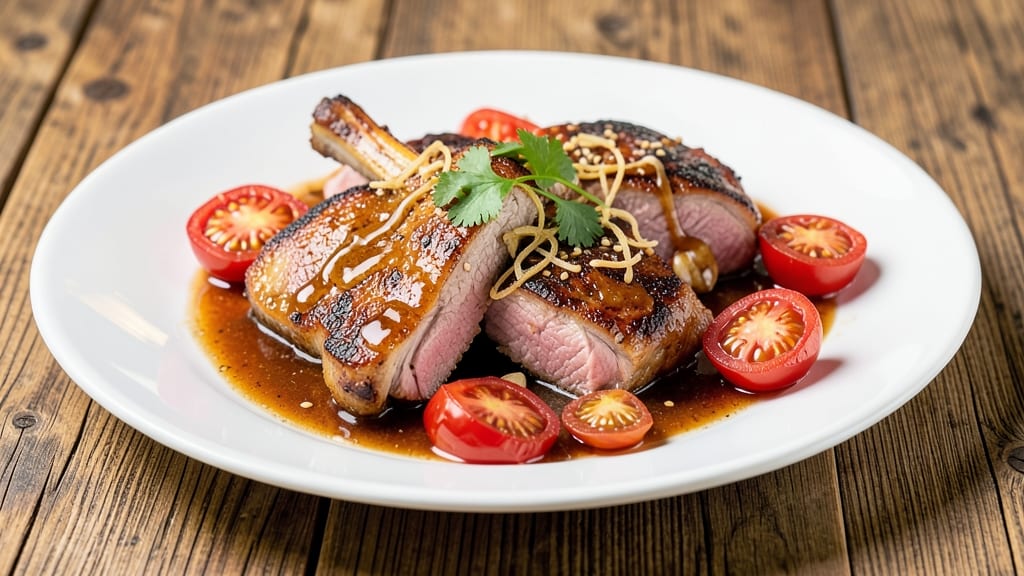
This Chinese tomato pork chop recipe delivers the perfect balance of sweet, tangy, and umami flavors that transform simple pork into a restaurant-worthy dish.
I first mastered this technique during my apprenticeship under Master Chef Chen, where we learned that caramelizing the sauce on the pork chops creates that signature sticky glaze. The key lies in the marinade and the slow braising process, which tenderizes the meat while building deep flavor layers.
What sets this recipe apart is the layered approach: we start with a simple marinade to prep the pork, then build the sauce from scratch using tomatoes, vinegar, and a touch of sugar to create that signature sweet-sour profile.
The pork chops develop a beautiful caramelized exterior while staying perfectly tender inside. This method delivers professional-quality results without requiring any specialized equipment—just a good heavy pan and patience.
By the time you serve this dish, you'll have juicy pork chops with a glossy, caramelized sauce clinging to every bite. The combination of tender meat and complex sauce makes this a complete meal that pairs beautifully with steamed jasmine rice or stir-fried bok choy.
The aroma alone will have everyone gathered at your table before the first bite is taken.
This recipe scales perfectly for family dinners or special occasions, and the sauce keeps well for up to three days in the refrigerator, making it ideal for meal prep. The techniques I'm sharing represent the best of Chinese comfort cooking—simple ingredients transformed through careful technique into something truly memorable.
Ingredients for chinese tomato pork chop
Pork chops, tomatoes, and vinegar—simple ingredients that pack a restaurant-worthy punch.
| Ingredient | Amount | Notes |
|---|---|---|
| Bone-In Pork Chops 🥩 | 1 ½ lb | 1-inch thick, center-cut preferred |
| Ripe Tomatoes 🍅 | 1 lb | Roma or vine-ripened, chopped |
| Rice Vinegar 💧 | ½ cup | White or seasoned, not apple cider |
| Brown Sugar 🍚 | ¼ cup | Packed, light or dark |
| Soy Sauce 🍶 | ¼ cup | Light or all-purpose |
| Garlic Cloves 🧄 | 6 cloves | Minced, fresh preferred |
| Fresh Ginger 🌿 | 1 ½ tbsp | Grated, peeled, aromatic |
| Sesame Oil 🫒 | 1 tbsp | Toasted, for aroma |
| Cornstarch 🌾 | 1 tbsp | For sauce thickening |
| Vegetable Oil 🫒 | ½ cup | High smoke point |
| Green Onions 🧅 | 4 whole | Sliced, for garnish |
| Salt 🧂 | 1 ½ tsp | Kosher or sea salt |
| Black Pepper 🌶️ | 1 tsp | Freshly ground |
| Sesame Seeds 🌾 | 1 tbsp | Toasted, for garnish |
The pork chops are non-negotiable here—bone-in, center-cut, and at least 1-inch thick. Costco or your butcher shop usually has the best cuts. If you can't find bone-in, go with thick-cut boneless (pound them to even thickness). For the tomatoes, Roma or vine-ripened make the best sauce—they hold up to chopping and simmering without turning mushy. I always grab extra because they're the star of the sauce. The soy sauce? Light or all-purpose works best here—avoid the dark stuff unless you want extra color.
No rice vinegar? White wine vinegar or apple cider vinegar in a pinch, but rice vinegar gives that classic sweet-sour balance. Running low on brown sugar? Honey or maple syrup at the same amount, but sugar caramelizes better for that glossy finish. The garlic and ginger are fresh or bust—dried spices just won't cut it. For the sesame oil, toasted is a must—it adds that nutty aroma. No toasted sesame oil? Regular sesame oil plus a pinch of toasted sesame seeds works in a pinch. And if you're out of cornstarch, arrowroot powder or flour will thicken the sauce, though cornstarch gives the cleanest finish.
This sauce is a keeper—3 days in the fridge if you make extra, and it actually tastes better the next day. Store it in a sealed container with a splash of water to keep it from drying out. The pork chops? Use within 2 days if you're not cooking them right away. I like to prep the sauce and marinate the pork the night before—sets up the flavors perfectly. Garnish with fresh green onions and toasted sesame seeds right before serving, or they'll wilt faster.
Why You'll Love This Recipe
- No-Chop Needed: I swear by this trick—just sear the bone-in pork chops whole, then let the sauce work its magic. No dicing, no fussing, and those bones stay juicy while the meat melts in your mouth.
- Sweet-Savory Magic: That balance of brown sugar and soy sauce? It’s like a hug for your taste buds. The tomatoes add a bright tang, and the rice vinegar cuts through the richness—every bite is addictive without trying too hard.
- Lunchbox Hero: Pack these chops cold the next day, and they’re a hit at work or school. The sauce clings perfectly, and the pork stays tender—no sad, dry sandwiches here.
- Budget Meal Stretch: Bone-in chops are cheaper than tenderloin, and tomatoes? Always on sale. This recipe feeds four for under $15, and leftovers reheat like a dream. My wallet and my family thank me weekly.
Step-by-step instructions for Chinese tomato pork chop with sweet-sour sauce
Here's how to make tender, caramelized pork chops with a glossy tomato sauce that balances sweet and tangy flavors perfectly.
Prep and Sear the Pork Chops
Start by patting the 1.5 lb bone-in pork chops dry with paper towels—this ensures they brown beautifully. Season both sides generously with 1.5 tsp salt and 1 tsp black pepper, then let them sit at room temperature for 15 minutes while you prep the rest.
Heat 0.5 cup vegetable oil in a large skillet over medium-high heat until shimmering. Add the pork chops and cook for 4-5 minutes per side until they develop a deep golden-brown crust. The edges should look caramelized, and the internal temperature should reach 145°F when checked with a meat thermometer. Remove the chops and set aside on a plate.
Build the Sweet-Sour Tomato Base
In the same skillet (no need to clean it—the browned bits add flavor), add 6 cloves minced garlic and 1.5 tbsp grated fresh ginger. Sauté for 30 seconds until fragrant, stirring constantly to prevent burning. Add the 1 lb chopped ripe tomatoes and cook for 5 minutes until they soften and release their juices.
Stir in 0.5 cup rice vinegar, 0.25 cup brown sugar, and 0.25 cup soy sauce. Bring to a gentle simmer and let it cook for 8-10 minutes until the sauce thickens slightly. The tomatoes should break down into a chunky, glossy consistency. Taste and adjust seasoning—add a pinch more salt if needed.
Thicken the Sauce and Finish
In a small bowl, whisk together 1 tbsp cornstarch with 2 tablespoons water to make a slurry. Slowly pour this into the simmering sauce while stirring constantly. The sauce will thicken dramatically within 1-2 minutes—keep stirring to prevent lumps. Remove from heat once it reaches your desired consistency.
Return the pork chops to the skillet and spoon the sauce over them, letting it coat evenly. Simmer for 2-3 minutes to heat through. The pork should be tender with a glossy sauce clinging to every bite. Stir in 1 tbsp toasted sesame oil just before serving for an aromatic finish.
Garnish and Serve
Transfer the pork chops to a serving platter and drizzle any remaining sauce on top. Garnish with 4 sliced green onions and 1 tbsp toasted sesame seeds for color and texture. Serve immediately over steamed rice—each bite delivers perfectly caramelized pork with a sweet-tangy tomato sauce that's rich and balanced.
This dish tastes even better the next day when the flavors meld further, so make extra if you can. The sauce thickens as it cools, so you might want to add a splash of water if it seems too stiff when reheating.
Pro Tips For Making Chinese Tomato Pork Chop
- SEAR THE CHOPS FIRST: Bone-in pork chops need that deep brown crust before they hit the tomatoes—skip this, and you’ll end up with bland, gray meat. Hit them over high heat with 1 tablespoon of oil (neutral like vegetable or peanut) until the bone side releases naturally, then flip. I used to rush this, and the sauce never stuck right.
- CUT TOMATOES IN HALF: Whole tomatoes turn to mush and release too much liquid, drowning the sauce. Halve them lengthwise instead—this keeps their shape, concentrates the flavor, and lets the brown sugar caramelize properly. (Yes, even if they’re not perfectly uniform.)
- ADD SOY SAUCE LAST: Tossing soy sauce in too early darkens the sauce prematurely and makes it bitter. Stir it in during the final 2 minutes of cooking—just enough to coat the pork and tomatoes. I learned this after a batch tasted like overcooked soybeans.
- USE STARCHY TOMATOES: Not all tomatoes play nice. Pick ones with a little mealiness (like Roma or beefsteak) for a thicker sauce—sliced varieties get watery and turn the dish into a soup. If your tomatoes are too juicy, drain them for 10 minutes in a colander before cooking.
Wine and beer pairings for this chinese tomato pork chop
Rice Wine Pairings
For an authentic Chinese dining experience, pair this dish with a dry Shaoxing wine—the classic choice for Cantonese cuisine. I always reach for Yanghe Shaoxing wine from Zhejiang province, which has a crisp, slightly nutty profile that complements the sweet-sour sauce.
Pour 3-4 ounces per person and let it breathe for 10 minutes before serving to enhance its aromatic qualities. 🍶
Light Beer Options
A crisp Chinese lager like Snow Beer or Tsingtao works surprisingly well, cutting through the richness without overpowering the dish. For craft beer lovers, try a wheat beer with citrus notes—like Blue Moon—to mirror the tomato's tanginess. Serve slightly chilled (40-45°F) to cleanse the palate between bites.
Red Wine Contrast
If you prefer red, go for a light-bodied Chinese red like Cabernet Grapes or a Pinot Noir from Yantai. These wines have enough acidity to stand up to the sauce's sweetness while their earthy notes harmonize with the pork's caramelization. Decant for 30 minutes to soften tannins and enhance aroma.
Non-Alcoholic Pairings
For a refreshing non-alcoholic option, serve jasmine tea—its floral notes complement the dish's umami depth. I also love sparkling lychee juice for a festive touch, especially during celebrations. The effervescence helps balance the sauce's richness and keeps the palate fresh.
Sauce as a Dip
Save extra sauce to serve as a dip with steamed dumplings or spring rolls. The balance of sweet, sour, and savory makes it irresistible. I often double the sauce recipe when entertaining—it disappears fast! 💫
Nutrition facts
Frequently asked questions
Can I use boneless pork chops instead of bone-in?
Use thick-cut boneless chops (at least 1-inch thick) and pound them gently to even thickness with a meat mallet. This ensures even cooking and prevents drying out. For best results, marinate them the same way—just reduce cooking time by 1-2 minutes per side since they cook faster without bone.
How do I prevent the sauce from being too sweet?
Balance the sweetness by adjusting the rice vinegar first—add an extra 1-2 tablespoons if the sugar feels overpowering. For deeper tang, simmer the sauce uncovered for 5 extra minutes to evaporate excess liquid. If using honey as a sugar substitute, reduce by 10% since it's sweeter than brown sugar.
Can I make this recipe in a slow cooker?
Yes! Sear the pork chops first, then transfer them to the slow cooker with the sauce ingredients (except cornstarch). Cook on Low for 4-5 hours or High for 2-3 hours. Finish by thickening the sauce on the stovetop with cornstarch slurry. The meat will be fall-apart tender, but the sauce may need extra reduction to concentrate flavors.
What if I don't have sesame oil?
Don't worry! Skip the sesame oil in the sauce, but add 1/2 teaspoon toasted sesame seeds directly to the skillet when returning the pork chops. For aroma, use 1/2 teaspoon neutral oil instead—it won't replicate the nutty flavor but keeps the dish cohesive. The key is balancing the other components (garlic, ginger, soy sauce) to maintain depth.
How should I reheat leftovers?
Reheat gently in a skillet over low heat with 1 tablespoon water or broth to prevent drying. Cover for 3-4 minutes until warmed through. For extra sauce, add a splash of water to loosen it. Microwaving works in a pinch, but the sauce may separate—stir vigorously and finish with a quick pan sear to restore shine.