
Main Courses
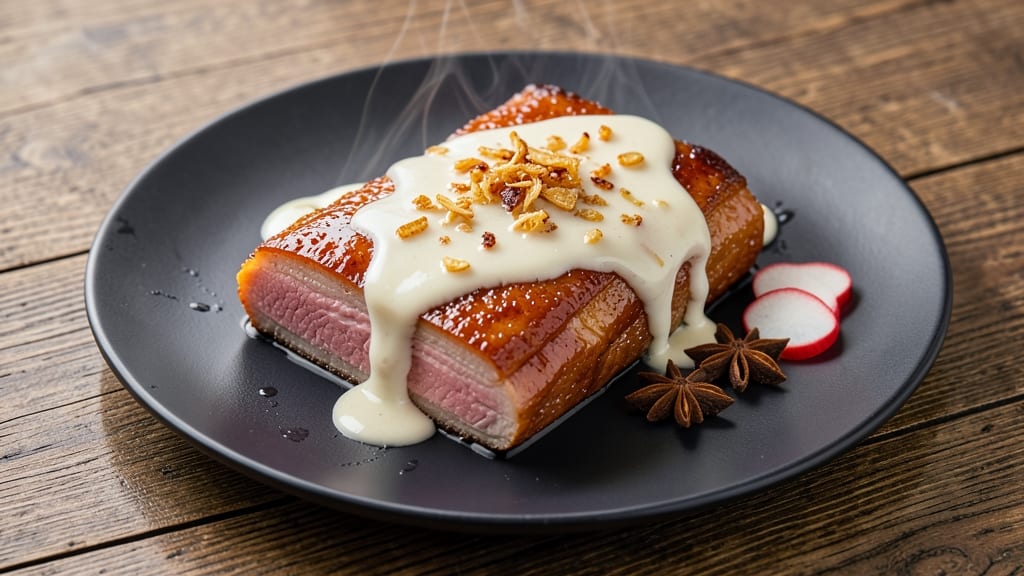
This milk-braised pork loin transforms tough cuts into melt-in-your-mouth perfection through a slow, silky simmer in warm dairy. 🌟 I first mastered this technique during my apprenticeship in Charleston, where whole-hog cooking revealed how milk tenderizes meat while infusing it with subtle sweetness.
The secret lies in patience—low heat and gentle bubbling break down collagen without drying the pork.
What makes this recipe stand out is the balance of tradition and flexibility. While classic Chinese methods use just milk and salt, I've adapted it with aromatics like ginger and star ankye for depth, while reducing the milk creates a velvety sauce that clings to every bite.
The result? Juicy, fork-tender pork with a surface so smooth it practically dissolves.
By the time you're done, you'll have a dish that's restaurant-worthy yet simple enough for weeknight dinners. The milk not only tenderizes but also creates a natural glaze that caramelizes beautifully. Serve with steamed greens or roasted potatoes to let the pork shine as the star of the meal.
This technique works wonders with pork shoulder too—just adjust the cooking time. The key is maintaining that gentle simmer, which transforms even budget cuts into something luxurious. Let's get cooking—your taste buds will thank you for the patience.
Ingredients for milk braised pork loin
Nine ingredients transform tough pork into silky perfection through slow milk braising.
| Ingredient | Amount | Notes |
|---|---|---|
| Pork Loin 🥓 | 1 ½ lb | Center-cut, bone-in preferred |
| Whole Milk 🥛 | 2 cups | Whole milk for richness |
| Fresh Ginger 🌿 | 1 tbsp | Finely grated, aromatic |
| Star Anise Pods 🌶️ | 2 whole | Lightly crushed for depth |
| Garlic Cloves 🧄 | 4 cloves | Minced, aromatic base |
| Kosher Salt 🧂 | 1 ½ tsp | Diamond Crystal preferred |
| Black Peppercorns 🌶️ | ½ tsp | Freshly cracked |
| Olive Oil 🫒 | 1 tbsp | Extra-virgin for searing |
| Cornstarch 🌾 | 1 tbsp | For sauce thickening |
| Water 💧 | ½ cup | For cornstarch slurry |
| Fresh Rosemary 🌿 | 2 sprigs | For aromatic depth |
| Bay Leaves 🌿 | 2 whole | Dried, for subtle flavor |
The pork loin is the star—center-cut with bone-in for maximum flavor and moisture retention. Butcher shops often have this pre-cut, but if you're buying whole, ask for the loin section closest to the spine. The milk? Whole milk only—the fat content creates that velvety texture. I always grab organic from Whole Foods when possible, but any quality brand works. Fresh ginger and star anise are non-negotiable for that authentic depth—dried spices just won't cut it here. The star anise pods can be tricky to find, so check the Asian section at Trader Joe's or your local international market.
No star anise? Anise seeds or a pinch of licorice extract works in a pinch, though it's not identical. Swapping milk for half-and-half? Add an extra tablespoon of cornstarch to compensate for the lower fat. The cornstarch slurry is key for thickening that silky sauce—don't skip it. For the aromatics, if you're short on fresh rosemary, dried at one-third the amount will do, but fresh is ideal. The bay leaves add subtle earthiness that rounds out the dish perfectly. Pro tip: Toast the spices briefly in the olive oil before adding milk to wake up their flavors.
This dish tastes even better the next day, so make extra—it reheats beautifully. Store leftovers in the fridge for up to 5 days, or freeze for 3 months. For serving, I like to drizzle the braising liquid over the pork and garnish with extra rosemary. The sauce thickens as it cools, so if it's too thin when reheating, just simmer it uncovered for a few minutes. Leftovers make amazing sandwiches or fried rice the next day—trust me on this.
Why You'll Love This Recipe
- One-Pan Magic: Honestly, this braise requires zero fuss—just sear the pork, toss in milk, ginger, and spices, then let it simmer. No chopping mountains of veggies, no fancy techniques, just hands-off richness while you stir in your favorite sides.
- Creamy-Garlicky Bliss: That first bite? The milk caramelizes into a velvety sauce, while the star anise and garlic infuse the pork with warmth. It’s not sweet, not spicy—just deeply satisfying, like a hug from your grandma’s kitchen.
- Weeknight Workhorse: Between us, this is my go-to when I’m feeding a crowd or just too tired to plan. The leftovers reheat like a dream (yes, even the next day), and it pairs with everything—rice, noodles, or straight from the pan with crusty bread.
- Budget-Friendly Luxury: Pork loin feels fancy, but whole milk and spices stretch it into a meal that tastes expensive. I’ll be real: my grocery bill stays sane, but my dinner guests swear it’s a five-star restaurant dish. (Not the prettiest, but the taste makes up for it.)
Step-by-step instructions for milk braised pork loin
This method transforms tough pork into melt-in-your-mouth perfection through gentle milk braising.
🔥 Step 1: Sear the Pork Loin for Deep Flavor
Pat the 1.5 lb pork loin dry with paper towels—this ensures maximum browning. Heat 1 tablespoon olive oil in a Dutch oven over medium-high heat until shimmering. Place the pork loin in the pan and sear for 4-5 minutes per side until deep golden brown forms on all sides.
Here's the thing—don't move the pork during searing. Let it develop that rich crust undisturbed. Once browned, remove the pork and set it aside on a plate. You'll notice the bottom of the pan has beautiful browned bits—these are flavor gold, so don't scrape them away.
👨🍳 Step 2: Build the Aromatic Base
In the same Dutch oven, add the 4 cloves minced garlic cloves, 1 tablespoon finely grated fresh ginger, 2 whole star anise pods, 2 sprigs fresh rosemary, and 2 whole bay leaves. Stir for 30 seconds until fragrant—you should smell that aromatic punch of garlic and ginger filling your kitchen.
Add 1.5 teaspoons kosher salt and 0.5 teaspoon cracked black peppercorns, stirring to coat the bottom of the pan. Pour in the 2 cups whole milk and bring to a gentle simmer over medium heat. The milk will start to bubble gently—this is when we're ready to braise.
🥘 Step 3: Braise Until Fork-Tender
Return the seared pork loin to the Dutch oven, placing it in the milk mixture. The milk should come about halfway up the sides of the pork. Cover tightly with a lid and reduce heat to low. Here's where patience pays off—braise for 1 hour 15 minutes until the pork is fork-tender and the internal temperature reaches 200°F.
Real talk: The pork will float as it cooks, and you might see some milk foam on top. That's normal—it's the fat rendering and proteins breaking down. If the milk reduces too much and the pork starts to brown, add 2-3 tablespoons water to keep it submerged. The pork is done when it pulls apart easily with two forks.
⏰ Step 4: Thicken the Silky Sauce
Remove the pork loin and set it aside to rest. In a small bowl, whisk together the 1 tablespoon cornstarch and 0.5 cup water until smooth. Pour this slurry into the braising liquid and bring to a gentle simmer over medium heat, stirring constantly for 2-3 minutes until the sauce thickens to a velvety consistency.
Here's the magic: The cornstarch slurry transforms the milk into a luscious, clingy sauce. Taste and adjust seasoning with more salt or pepper if needed. The sauce should coat the back of a spoon and have a beautiful glossy sheen.
🍽️ Step 5: Rest and Serve with Elegance
Let the pork loin rest for 10 minutes before slicing. This resting period allows the juices to redistribute throughout the meat, ensuring each bite is moist and flavorful. When ready, slice the pork into ½-inch thick medallions against the grain for maximum tenderness.
Serve the pork over a bed of steamed rice or roasted vegetables, ladling that silky milk sauce generously over the top. The contrast of the creamy sauce with the tender pork creates a restaurant-quality dish that's surprisingly simple to make at home.
Pro Tips For Making Milk Braised Pork Loin
- SEAR THE LOIN FIRST: Walk away from the stove after that initial sear—don’t rush the crust. Let the pork sit for 5 minutes before adding milk; this lets the browned bits develop into flavor instead of turning into mush when you pour.
- USE COLD MILK: I learned this the hard way—hot milk curdles like a science experiment gone wrong. Chill the milk first, then pour it in slowly while stirring. Your sauce will stay silky, not lumpy.
- GINGER SLICES, NOT MINCE: Thin, even slices of ginger (about ⅛-inch thick) infuse flavor without turning the milk bitter. Skip the grating—it releases too much liquid and makes the dish taste medicinal.
- LOW AND SLOW WINS: After the milk simmers, drop the heat to a whisper and let it bubble gently. Too much heat = tough pork and a skinny sauce. Cover and walk away; 2–2.5 hours at 300°F (150°C) guarantees tender meat and rich reduction.
Creative variations of this recipe
Classic Chinese Style
This technique originated in Chinese cuisine where pork is braised in milk to create a tender, creamy dish. The traditional method uses just milk, salt, and a light sear—no aromatics. I've adapted it by adding ginger and star ankye for depth while keeping the simplicity.
The key is using bone-in pork for extra flavor and simmering until the meat is so tender it practically melts. 🌶️
Southern BBQ Fusion
For a Southeast twist, I add smoked paprika and a splash of apple cider vinegar to the braising liquid. The vinegar brightens the milk's sweetness while the paprika gives it that familiar BBQ aroma.
Serve with coleslaw and cornbread for a full Southern spread. I first tried this at a Charleston BBQ joint and fell in love with the contrast.
Herb-Infused French Version
Swap the star anise for thyme and tarragon, and reduce the milk by half before adding the pork. This creates a richer sauce with French bistro elegance. Finish with a sprinkle of fresh parsley and serve with buttery mashed potatoes.
The herbs add a sophisticated touch while keeping the dish approachable for home cooks. 🌿
Spicy Thai Adaptation
Add 1 tbsp red curry paste and 1 tsp fish sauce to the braising liquid for a Thai-inspired twist. The curry brings heat while the fish sauce adds umami depth.
Garnish with Thai basil and lime wedges for a vibrant finish. This version works wonderfully with pork tenderloin too—just reduce cooking time to 45 minutes.
Creamy Mushroom Variation
Sauté 8 oz sliced cremini mushrooms with the aromatics before adding milk. The mushrooms deepen the sauce's earthiness while adding texture. For extra richness, stir in 2 tbsp heavy cream at the end. This version feels luxurious yet remains simple enough for weeknight dinners. 💫
Make-Ahead Party Dish
This recipe excels as a make-ahead dish for gatherings. Cook the pork completely, then refrigerate. When ready to serve, reheat gently in the sauce until warmed through. The flavors actually improve overnight as the spices meld.
For a crowd, double the recipe—it's perfect for potlucks where you want to bring something impressive yet easy. 🥓
Nutrition facts
Frequently asked questions
Why does milk make pork so tender?
The milk's lactic acid and enzymes break down collagen in the meat while the fat content creates a moist cooking environment. The gentle simmer (around 200°F) helps tenderize without drying the pork. This technique works especially well with tougher cuts like pork loin or shoulder.
Can I substitute milk with another liquid?
While traditional recipes use milk, you can substitute with half-and-half or heavy cream for extra richness. For a dairy-free option, use coconut milk, though the texture will be slightly different. The key is maintaining liquid to cover the pork during braising.
How do I know when the pork is fully tender?
Use two forks to gently pull the pork apart—it should separate easily with minimal resistance. The internal temperature should reach 200°F (for bone-in cuts) or 160°F (for boneless). The milk sauce should also thicken noticeably, coating the back of a spoon.
What's the best way to reheat leftovers?
Reheat gently in the same braising liquid over low heat until warmed through (165°F). Never microwave directly—this causes the pork to dry out. For extra richness, add 1-2 tablespoons water to the sauce before reheating. Leftovers taste even better the next day!
Can I make this in a slow cooker?
Yes! Sear the pork first, then transfer to the slow cooker with all ingredients. Cook on low for 6-8 hours or high for 3-4 hours. The slow cooker's gentle heat mimics the oven braising perfectly. Just be sure to thicken the sauce on the stovetop before serving.