
Main Courses
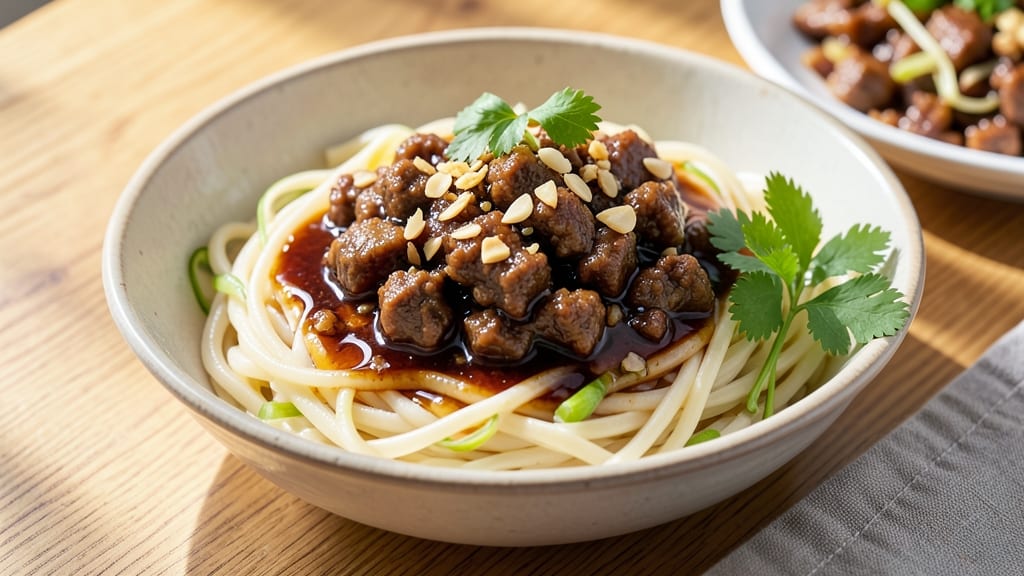
This mince pork noodles recipe transforms simple ingredients into a restaurant-quality dish with deep umami flavors and silky noodles in under 30 minutes. ✨ The secret lies in properly browning the pork—creating a flavorful crust that builds layers of taste as it cooks.
I perfected this technique during my time in Charleston, where pork played a starring role in every meal.
The beauty of this one-pan method is its simplicity: tender pork, aromatic vegetables, and perfectly cooked noodles all come together in a single skillet. No fancy equipment needed—just a good stove and a little patience for the browning step.
The sauce ties everything together with a perfect balance of sweet, salty, and tangy notes that make every bite irresistible.
What you'll end up with is a dish that's rich yet light, packed with texture and flavor without being heavy. The pork stays juicy and tender, the noodles maintain their bite, and the sauce clings perfectly to each strand.
This is the kind of meal that feels special enough for company but simple enough for weeknights.
Serve with steamed greens or a simple side salad to balance the richness, or keep it as a complete dish with extra noodles on the side. The technique works equally well with rice noodles for a gluten-free option—just adjust the cooking time slightly. Let's get cooking!
Ingredients for mince pork noodles
Simple ingredients that pack restaurant-quality umami punch in one pan.
| Ingredient | Amount | Notes |
|---|---|---|
| Ground Pork 🐖 | 1 lb | Lean but not too dry |
| Egg Noodles 🍜 | 12 oz | Medium width for texture |
| Garlic Cloves 🧄 | 4 cloves | Minced for aromatic base |
| Fresh Ginger 🌿 | 1 tbsp | Finely grated, zesty kick |
| Soy Sauce 🍶 | 3 tbsp | Light or dark preferred |
| Oyster Sauce 🍜 | 2 tbsp | For authentic umami depth |
| Sesame Oil 🌰 | 1 tbsp | Toasted for nutty aroma |
| Brown Sugar 🍚 | 1 tbsp | Balances savory flavors |
| Vegetable Oil 🫒 | 2 tbsp | High smoke point for browning |
| Green Onions 🧅 | 3 whole | Sliced, for fresh finish |
| Salt 🧂 | 1 tsp | Kosher preferred for balance |
| Black Pepper 🌶️ | ½ tsp | Freshly cracked for heat |
| Red Bell Pepper 🌶️ | 1 whole | Diced, for sweet crunch |
The ground pork is non-negotiable here—lean but not too dry. Trader Joe's or Costco carry excellent quality, but any butcher section will do. Look for good marbling, not fat chunks. Fresh ginger and garlic are worth the extra minute to prep: grate the ginger with a microplane for fine texture, mince the garlic so it melts into the pork instead of sitting as chunks. The noodles? Egg noodles hold up best, but rice noodles work for gluten-free—just cook them separately and toss in at the end.
No oyster sauce? Substitute with extra soy sauce plus a splash of fish sauce for umami. Sesame oil can be skipped if you're sensitive to its flavor, but toasted sesame oil from Asian markets adds that authentic aroma. Brown sugar isn't just for sweetness—it caramelizes slightly during cooking, deepening the sauce's complexity. For the bell pepper, red or yellow both work, but stay away from green—they're less sweet and more bitter. The green onions? Save half for garnish—it adds freshness that cuts through the richness.
This dish reheats beautifully—3 minutes in a skillet with a splash of water revives it perfectly. Store leftovers in the fridge for 3-4 days or freeze for 2 months in airtight containers. For make-ahead prep, brown the pork and set aside, then cook noodles and sauce separately before combining. The flavors actually improve overnight as everything melds. Portion into single servings for easy lunches—just microwave and garnish with extra green onions.
Why You'll Love This Recipe
- No Chopping Nightmares: I swear by this recipe because it’s the only time I let myself skip mincing garlic—just smash a few cloves and let the food processor do the work. The ginger? Same. Five minutes max, and you’re left with that perfect aromatic punch without the mess.
- Umami Bomb: That first spoonful of soy sauce hitting the hot pork? Instant flavor upgrade. The garlic and ginger caramelize just enough to coat every noodle, while the pork stays juicy—not dry, not greasy, just right. Honestly, it’s the kind of taste that makes you pause mid-bite.
- Lunchbox Hero: Between us, this is my go-to for packed lunches. The noodles hold up for days (yes, really), and the pork stays tender. Toss it cold or reheat it—either way, it’s a hit. My coworker even asked for the recipe after his third serving.
- Pantry Magic: Ground pork and egg noodles? Always in stock. Soy sauce? You’ve got it. Fresh ginger and garlic? Buy a big root, freeze what you don’t use. This recipe costs next to nothing, feeds four for under $10, and still feels like a restaurant dish. Budget win.
Step-by-step instructions for mince pork noodles
This one-pan method delivers restaurant-quality texture with minimal cleanup.
🍳 Step 1: Sear the Ground Pork Until Browned
Heat a large skillet or wok over medium-high heat until hot. Add the 2 tablespoons vegetable oil and swirl to coat the pan. Immediately add the 1 lb ground pork and break it apart with a wooden spoon or spatula.
Cook undisturbed for 2-3 minutes until the pork begins to brown and pull away from the pan in chunks. This creates the Maillard reaction—those deep, savory flavors that form when proteins brown. Once browned, stir the pork and continue cooking for another 2-3 minutes until fully cooked through. The pork should be golden brown with no pink remaining.
Here's the thing—don't drain the rendered fat. Those juicy bits packed with flavor will form the base of your sauce. If the pork starts to stick after browning, add a splash of water and scrape up any browned bits from the bottom of the pan. These bits are pure flavor.
👨🍳 Step 2: Sauté Aromatics for Maximum Flavor
Reduce heat to medium and add the 4 cloves minced garlic cloves and 1 tablespoon finely grated fresh ginger. Stir constantly for 30-45 seconds until fragrant—you'll smell that pungent, zesty aroma that signals they're ready. Be careful not to let them burn; garlic turns bitter quickly.
Next, add the 1 whole diced red bell pepper and cook for 2-3 minutes until it begins to soften slightly. The bell pepper will add a pleasant sweetness and texture contrast to the rich pork. Stir occasionally to ensure even cooking and prevent sticking.
This is where the foundation of your dish builds. The garlic and ginger infuse their flavors into the pork fat, creating a fragrant base that will carry through the entire dish. Don't rush this step—properly developed aromatics make all the difference in home cooking.
🍳 Step 3: Build the Umami Sauce
Pour in the 3 tablespoons soy sauce, 2 tablespoons oyster sauce, and 1 tablespoon brown sugar. Stir well to combine with the pork mixture. Let the sauce simmer for 1-2 minutes until it begins to thicken slightly and the flavors meld together.
Add the 1 tablespoon sesame oil and the 1 teaspoon salt and 0.5 teaspoon black pepper. The sesame oil will add a nutty aroma that complements the savory flavors perfectly. Taste the mixture and adjust seasoning if needed—you want a balance of sweet, salty, and umami flavors that excite your palate.
This is the moment that matters: the sauce should coat the back of a spoon with a glossy sheen. If it's too thick, add 1-2 tablespoons water to loosen it to your desired consistency. The sauce should be thick enough to cling to the noodles but still flow smoothly.
🍲 Step 4: Cook the Noodles Directly in the Pan
Add the 12 oz egg noodles directly to the skillet with the pork mixture. Stir everything together gently to coat the noodles evenly with the flavorful pork and sauce. The residual heat in the pan will begin cooking the noodles immediately.
Cover the skillet with a lid and cook for 3-4 minutes on medium heat, stirring occasionally. You want the noodles to soften and absorb the pork juices and sauce. The noodles should be tender but still slightly firm—they'll finish cooking in the residual heat.
Real talk: the noodles should be al dente when done. Overcooked noodles turn mushy and lose their bite. If your noodles cook faster, reduce the heat slightly during the last minute to prevent overcooking.
🥘 Step 5: Finish and Garnish
Remove the skillet from heat and let it sit covered for 1 minute to allow the flavors to meld together. Then, stir in the 3 whole sliced green onions, dividing them evenly throughout the dish. The green onions add a fresh, bright finish that cuts through the richness of the pork and sauce.
Taste one last time and adjust seasoning if needed. The dish should be perfectly balanced—sweet from the bell pepper and brown sugar, salty from the soy and oyster sauces, and umami-rich from the pork and aromatics. Serve immediately while the noodles are hot and the flavors are at their peak.
This one-pan method ensures maximum flavor with minimal cleanup. The pork, noodles, and sauce all cook together in the same pan, creating a harmonious dish that's ready in under 20 minutes. Enjoy your umami-packed mince pork noodles with a side of steamed vegetables or a simple green salad.
Pro Tips For Making Mince Pork Noodles
- Preheat the wok properly: I learned this the hard way—skipping the preheat makes the pork release grease instead of searing. Crank your wok or pan to high heat for 2-3 minutes before adding oil; you should see a visible shimmer when you flick a drop of water.
- Grind your own garlic: Store-bought minced garlic tastes like nothing. Use a microplane or knife to finely chop 3-4 cloves—this releases more aroma and prevents that harsh, bitter aftertaste. (Yes, it takes 30 seconds extra, but it matters.)
- Don’t overcrowd the pork: Piling all the ground pork in at once steams it instead of browning. Work in batches of 150g (about 1 cup) per pan, spreading it thin to get those crisp edges. I know, I know—it’s tempting to dump it all in.
- Bloom the ginger first: Toss in the julienned ginger before the garlic. It needs a full 10 seconds to soften and release its heat without burning. Skip this, and you’ll end up with raw ginger bits that taste like nothing. (Sounds weird, but it works.)
Best sauces and condiments for these flavors
Classic Soy-Ginger Base
This foundational sauce—3 tbsp soy sauce, 2 tbsp oyster sauce, and 1 tbsp brown sugar—creates the perfect umami backbone for your noodles. The soy sauce provides that signature salty depth, while the oyster sauce adds a briny, slightly sweet complexity that's essential for authentic flavor.
I always use Kikkoman soy sauce for its balanced profile, and Lee Kum Kee oyster sauce for its rich, caramelized notes. The brown sugar isn't just for sweetness—it caramelizes slightly during cooking, deepening the sauce's richness. 🌟
For an extra layer of depth, add ½ tsp fish sauce (like Red Boat) along with the soy sauces. This small addition amplifies the umami without overpowering the dish.
If you're avoiding fish sauce, a splash of mirin (about 1 tsp) works beautifully too—it adds a subtle sweetness that complements the pork perfectly. Trust me, this simple adjustment makes a world of difference in balancing the flavors.
Sesame Oil Finish
The 1 tbsp toasted sesame oil is where this dish truly shines—it adds a nutty aroma that cuts through the richness of the pork and sauce. I swear by La Choy toasted sesame oil from the Asian market section; it's consistently high-quality and adds that authentic wok-house flavor.
Add it at the very end, just before serving, so the aroma isn't lost to heat. A few drops of chili oil (about ½ tsp) can also add a subtle kick if you're craving some heat. 🌶️
Pro tip: If you're sensitive to sesame oil's strong flavor, reduce it to ½ tbsp and boost the aroma by lightly toasting ½ tsp sesame seeds in the pan for 30 seconds before adding them to the dish.
The seeds will add a gentle nutty crunch without overpowering the sauce. This works especially well if you're serving the dish to guests who might be hesitant about sesame oil's bold flavor.
Sweet and Tangy Variations
For a sweeter profile, replace ½ tbsp of the brown sugar with 1 tsp honey or maple syrup. This works surprisingly well and adds a floral note that pairs beautifully with the pork.
I've also found that adding 1 tsp rice vinegar (like Kikkoman) at the end brightens the dish with a tangy lift—it's a trick I picked up from my time in Charleston, where vinegar is often used to cut through rich flavors. 🍯
If you want to add a tangy element, try 1 tsp of rice vinegar or lime juice at the end. The acidity helps balance the richness of the pork and sauce, making each bite more vibrant.
For a smoky twist, add ½ tsp smoked paprika when building the sauce—it adds depth without overpowering the dish. This variation is perfect for serving with a side of pickled vegetables, which complement the smokiness beautifully.
Spicy Kick Options
For heat lovers, stir in ½ tsp of gochujang (Korean fermented chili paste) when building the sauce. It adds a deep, slightly sweet spice that pairs perfectly with the pork. I like to balance it with an extra ½ tsp of brown sugar to keep the flavors harmonious.
If you prefer a fresher heat, add 1 tsp of sriracha or ½ tsp of chili crisp at the end—just enough to wake up your palate. 🔥
For a more complex spice profile, toast ½ tsp of Sichuan peppercorns in the dry pan before adding the pork. The resulting numbing heat is unique and adds an exciting dimension to the dish.
If you're using fresh chili, like Thai bird's eye peppers, add just ¼ tsp and minced finely—you want heat, not pain! Always taste as you go, especially with spicy additions, to ensure the heat level matches your preference.
Umami Boosters
If you want to take the umami to the next level, add 1 tsp of mushroom powder (like Anthony's Organic) when building the sauce. It deepens the savory notes without altering the texture.
Another trick I learned from Master Chef Chen is to add 1 tsp of miso paste (preferably white miso) to the sauce. It dissolves smoothly and adds a subtle fermented depth that's hard to resist. 💫
For a more intense umami punch, stir in 1 tsp of anchovy paste (like Colavita) or 1 tsp of dried shiitake mushrooms (soaked and minced) when sautéing the aromatics. Both add a deep, meaty richness that elevates the dish.
If you're using dried shiitakes, soak them in ¼ cup hot water for 10 minutes, then chop finely and add to the pan with the garlic and ginger. The resulting broth adds a silky texture to the sauce.
Nutrition facts
Frequently asked questions
Can I use ground beef instead of pork?
You can substitute ground beef, but the flavor will be different. Use lean ground beef (85/15) for best results, and reduce the cooking time slightly since beef browns faster. The dish will have a richer, beefier taste rather than pork's delicate sweetness. For a closer match, add ½ tsp of five-spice powder to the aromatics.
How do I prevent the noodles from getting mushy?
Cook the noodles al dente—just until they're tender but still have a slight bite. The residual heat in the pan will finish cooking them perfectly. If your noodles cook too fast, reduce the heat slightly during the last minute of cooking. For extra texture, try udon or soba noodles—they hold up better than egg noodles in stir-fry situations.
Can I make this gluten-free?
Use rice noodles (like vermicelli) or chickpea pasta instead of egg noodles. Cook them separately in boiling water for 1-2 minutes less than package instructions, then toss them into the pan at the end. Also swap regular soy sauce for tamari or coconut aminos to keep it gluten-free.
What if I don't have oyster sauce?
No problem! Mix 1 tbsp soy sauce + 1 tsp fish sauce + ½ tsp brown sugar for a similar umami depth. For a vegetarian version, use 1 tbsp mushroom sauce or 1 tbsp hoisin sauce + ½ tsp soy sauce. The key is balancing sweetness and saltiness to mimic oyster sauce's complexity.
How can I make this dish ahead of time?
Prep the pork mixture (browned and sauced) up to 2 days ahead and refrigerate. Cook the noodles fresh and toss them with the pork just before serving. For freezing, package the pork mixture in airtight containers for up to 3 months. Thaw overnight in the fridge, then reheat gently in a skillet with a splash of water.