
Main Courses
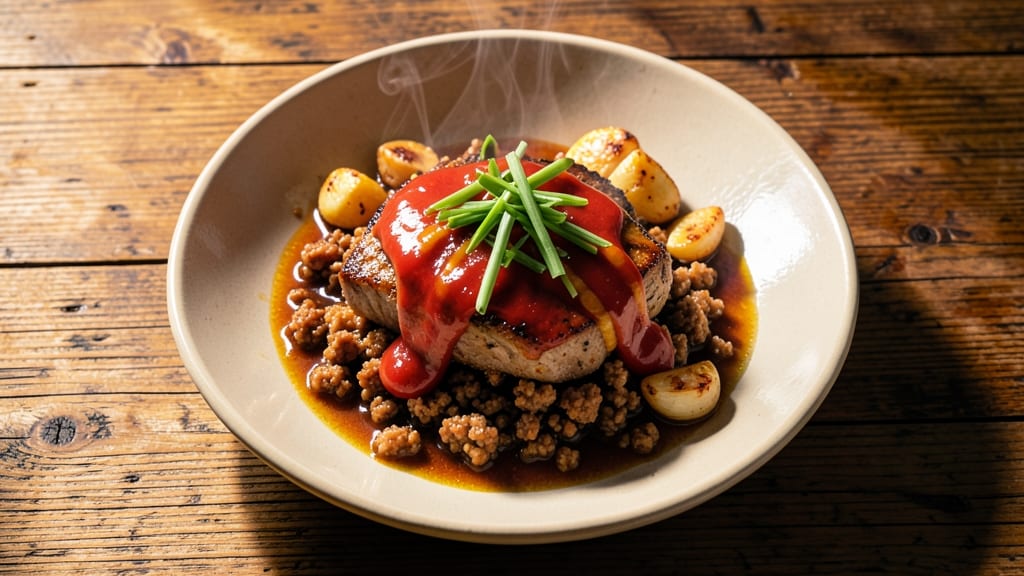
This mince pork recipe Pinoy delivers the crispy, savory bites that make Filipino comfort food unforgettable. The secret lies in perfectly ground pork shoulder, marinated in a blend of soy sauce, calamansi, and garlic that transforms simple ingredients into restaurant-quality flavor.
I learned this technique from my grandmother's handwritten notes—where she wrote "marinate overnight" in her unmistakable looping script, a detail that makes all the difference.
The magic happens when the pork develops a golden-brown crust while staying tender inside, thanks to a two-step cooking method: first searing in hot oil, then finishing with a splash of vinegar for that signature tang.
This dish is more than just a meal—it's a taste of home, packed with umami from fish sauce and the bright acidity of calamansi that cuts through the richness. The texture contrast alone—crispy edges against juicy centers—is what makes this recipe worth repeating.
Serve it over steamed rice with a side of atchara (pickled papaya) for the perfect Filipino spread, or pair it with garlic fried rice for a quick weeknight dinner. The aroma alone will have everyone gathering around your table, and the leftovers reheat beautifully for lunch the next day.
This is the kind of dish that turns ordinary weeknights into special moments without requiring hours in the kitchen.
What makes this recipe truly special is how it balances simplicity with depth—no fancy techniques, just good ingredients and patience. The marinating process infuses flavor deep into the meat, while the cooking method ensures that crispy texture we all love.
Whether you're cooking for family or treating yourself, this mince pork delivers that satisfying, homey taste that Filipino cuisine is famous for.
Ingredients for mince pork recipe pinoy
The crispy, savory heart of Filipino home cooking—just nine ingredients for restaurant-quality bites.
| Ingredient | Amount | Notes |
|---|---|---|
| Pork Shoulder 🥩 | 1 ½ lb | Ground or finely chopped |
| Soy Sauce 🍶 | ½ cup | Regular or light soy preferred |
| Calamansi Juice 🍋 | ¼ cup | Substitute lime juice if unavailable |
| Garlic Cloves 🧄 | 6 cloves | Minced finely for even distribution |
| Fish Sauce 🍶 | 1 tbsp | Red Boat preferred for quality |
| White Vinegar 🍶 | 1 tbsp | For finishing touch |
| White Peppercorns 🌶️ | ½ tsp | Ground for even seasoning |
| Vegetable Oil 🫒 | ½ cup | For high-heat searing |
| Green Onions 🧅 | 3 whole | Chopped, for garnish |
| Salt 🧂 | 1 tsp | Kosher or sea salt |
| Black Pepper 🌶️ | ¼ tsp | Freshly ground preferred |
| Sugar 🍚 | 1 tsp | Balances acidity |
| Cornstarch 🌾 | 1 tbsp | For extra crispiness |
The pork shoulder is non-negotiable here—ask your butcher to grind it fine if you can't find pre-ground. Filipino markets often carry it pre-chopped, but if you're at a regular grocery store, look for pork shoulder labeled 'ground' or 'finely chopped'. The Red Boat fish sauce makes all the difference—its umami depth is unmatched, though any quality fish sauce will work. For calamansi, Asian grocery stores usually stock it fresh, but lime juice in a pinch works surprisingly well. The garlic needs to be minced finely so every bite gets that aromatic punch.
No calamansi? Lime or lemon juice works, though calamansi's unique tartness is ideal. Substitute coconut aminos for soy sauce if you're avoiding gluten, but the flavor will be slightly different. The white vinegar is key for that signature tang—don't skip it! For extra crispiness, toss the pork with cornstarch before cooking. The green onions should be chopped into small pieces so they distribute evenly throughout the dish. If you're making this ahead, marinate the pork overnight for maximum flavor infusion, just like my grandmother's notes recommended.
The pork keeps best in the fridge for 3 days after cooking, though it's best enjoyed fresh. Store it in an airtight container with a paper towel to absorb any excess moisture. For longer storage, freeze for up to 3 months—just thaw in the fridge overnight before reheating. The marinade can be made a day ahead and stored in the fridge. When reheating, use low heat to avoid drying out the pork. Serve immediately over steamed rice for that perfect Filipino spread.
Why You'll Love This Recipe
- I swear by this trick: buy pre-minced pork shoulder (or pulse it in the food processor for 30 seconds). No knife skills required—just dump, stir, and simmer. That calamansi juice does the work of brightening the whole dish while you’re still chopping onions.
- No-Fuss Mincing: I swear by this trick: buy pre-minced pork shoulder (or pulse it in the food processor for 30 seconds). No knife skills required—just dump, stir, and simmer. That calamansi juice does the work of brightening the whole dish while you’re still chopping onions.
- Umami Bomb: The fish sauce and soy sauce combo isn’t just flavor—it’s layered flavor. The pork stays juicy, the garlic caramelizes into little crispy pockets, and that tangy calamansi cuts through like a citrusy wake-up call. Honestly, it’s the kind of dish that makes you want to eat straight from the pan.
- Weeknight & Potluck Star: This recipe doubles as my go-to for lazy Mondays and Sunday gatherings. Serve it over rice for a quick meal, or pile it onto steamed veggies for a crowd. My partner’s parents always ask for seconds—even when they bring their own sides.
Step-by-step instructions for crispy mince pork with savory umami
This method delivers restaurant-quality pork with perfectly crisp edges and flavorful bites every time.
Prepare the Pork Shoulder for Maximum Flavor
Start by finely chopping the 1.5 lb pork shoulder using a sharp knife or food processor. I aim for small, even pieces about the size of a pea—this ensures consistent cooking and maximum surface area for that crispy texture. Place the chopped pork in a large mixing bowl.
Add the 0.5 cup soy sauce, 1 tbsp fish sauce, 1 tsp salt, 0.25 tsp black pepper, and 1 tsp sugar to the bowl. Using clean hands, gently mix everything together until the pork is evenly coated. The soy sauce and fish sauce will begin breaking down the meat proteins right away, creating a sticky, flavorful base. Let this mixture sit at room temperature for 15 minutes while you prepare the remaining ingredients.
Build the Flavor Base with Aromatics
Heat the 0.5 cup vegetable oil in a large skillet over medium-high heat until shimmering—you should see small bubbles forming around the edges but no smoke. Add the 6 cloves minced garlic cloves and stir constantly for 30 seconds until fragrant. Be careful not to let the garlic burn; it should turn golden without darkening.
Next, add the seasoned pork mixture to the skillet, spreading it out evenly in a single layer. Cook undisturbed for 3-4 minutes until the pork begins to brown and crisp at the edges. This initial sear is crucial for developing that signature crispy texture. Only stir once, breaking up any large clumps, then return to cooking until the pork is evenly browned on all sides.
Add Liquids and Develop the Sauce
Pour in the 0.25 cup calamansi juice and 1 tbsp white vinegar, immediately scraping up any browned bits from the bottom of the pan with a wooden spoon. These bits are packed with flavor—don't miss them. Stir the mixture and let it simmer for 5-6 minutes until the liquid reduces by about half and the pork is fully cooked through.
Sprinkle the 0.5 tsp ground white peppercorns and 1 tbsp cornstarch over the mixture, stirring constantly for 1-2 minutes until the sauce thickens to a glossy consistency. The cornstarch will give the pork that extra crispy texture we're after. Taste and adjust seasoning if needed—you might want to add a splash more soy sauce or a pinch of sugar to balance the acidity from the calamansi.
Finish and Garnish for Presentation
Remove the skillet from heat and let the pork rest for 2 minutes. This brief rest allows the juices to redistribute, keeping the meat tender. Then, stir in the 3 whole chopped green onions, reserving a few sprigs for garnish. The green onions add a fresh contrast to the rich, savory pork.
Serve immediately, garnished with the reserved green onion sprigs. The pork should have crispy edges that give way to tender, juicy bites with a perfect balance of umami from the soy and fish sauce, brightness from the calamansi, and a touch of sweetness from the sugar. Pair with steamed rice to soak up every delicious bite.
Pro Tips For Making Mince Pork Recipe Pinoy
- CRUSH YOUR GARLIC: Don’t just mince it—slam those cloves with the flat side of your knife first, then chop fine. I learned this the hard way when my mince pork tasted bland because the garlic wasn’t releasing its flavor. A quick smash before chopping makes all the difference.
- SALT THE MINCED PORK: Toss the raw pork with a pinch of salt before cooking—it tenderizes the meat and keeps it from shrinking into a tough ball. Skip this, and you’ll end up with chewy chunks instead of that melt-in-your-mouth texture.
- LOW AND SLOW FOR SOY: Simmer the pork on medium-low heat after adding soy sauce—high heat burns the sauce and makes it bitter. Let it bubble gently so the flavors meld instead of turning your dish into a salty, burnt mess.
- USE CALAMANSI LAST: Add the calamansi juice right at the end of cooking—it’s acidic and can turn the pork mushy if it sits too long. A splash at the finish keeps the color bright and the tang sharp, not sour.
Creative variations of these flavors
Classic Lechon Kawali
This crispy pork variation is a Filipino street food staple. Use 1 lb pork belly instead of shoulder, cut into 1-inch cubes and marinate overnight in ¼ cup soy sauce, 2 tbsp calamansi juice, and 1 tbsp sugar.
Deep-fry until golden brown at 350°F for 8-10 minutes—the secret is double-frying for extra crunch. Serve with garlic vinegar dip (mix ¼ cup vinegar, 1 tbsp soy sauce, 1 minced garlic clove, and ½ tsp sugar). 🍴
Sweet & Tangy Pork Adobo
Transform your mince pork into adobo by simmering the cooked pork with ½ cup soy sauce, ½ cup vinegar, 2 tbsp sugar, and 2 bay leaves for 20 minutes. The sugar caramelizes beautifully, creating a glossy sauce.
Add 1 cup water if needed to deglaze the pan. Finish with 1 tbsp butter for richness and serve over rice. My grandmother always said the longer it simmers, the better it tastes!
Spicy Sisig Style
For a fiery twist, mix 1 tbsp sriracha or 1 tsp chili flakes into the marinade. After cooking, top with 2 fried egg yolks (runny is best!) and 1 tbsp chopped calamansi for brightness.
The sizzling egg adds a luxurious touch that makes this dish feel special. I love serving it with garlic fried rice on the side to balance the heat. 🌶️
Coconut Milk Version
Swap the calamansi for ½ cup coconut milk and add 1 tsp turmeric for color. Simmer the pork with 1 cup coconut milk, 1 tbsp fish sauce, and 1 stalk lemongrass (bruised) for 15 minutes.
The coconut milk makes the pork incredibly tender while adding a creamy, slightly sweet depth. Garnish with cilantro and serve with jasmine rice. This version feels like a hug in a bowl!
Quick Weeknight Adaptation
Short on time? Use pre-ground pork from the store and skip the overnight marinade. Toss it with 2 tbsp soy sauce, 1 tbsp fish sauce, and 1 tsp sugar, then cook immediately.
Add 1 cup sliced bell peppers and 1 onion (chopped) to the pan for a one-pan meal. Serve with steamed greens like bok choy or spinach. It won't be as flavorful as the overnight version, but it's still delicious and ready in 30 minutes. ✨
Nutrition facts
Frequently asked questions
Can I use ground pork instead of chopped pork shoulder?
Yes! Pre-ground pork works perfectly—just make sure it's finely ground (not coarse). The texture will be slightly different but still delicious. If using store-bought ground pork, pat it dry with paper towels first to remove excess moisture, which helps create that crispy crust.
What if I don't have calamansi? What's the best substitute?
Use a mix of lime juice and a pinch of sugar to mimic calamansi's tartness. For extra authenticity, add a drop of food coloring (like yellow #5) to match calamansi's hue. If you can't find either, lemon juice works in a pinch, though the flavor will be slightly different.
How do I prevent the pork from turning out dry?
Keep the heat at medium-high when searing and avoid overcrowding the pan. The cornstarch helps create a crispy exterior while keeping the inside juicy. If the pork seems dry after cooking, sprinkle a few drops of water or broth and cover for 2 minutes to steam it back to tenderness.
Can I make this recipe in an air fryer?
Spread the marinated pork in a single layer in your air fryer basket and cook at 375°F for 10-12 minutes, shaking halfway. For extra crispiness, spray with a tiny bit of oil before cooking. The air fryer version is lighter but still packed with flavor—just watch closely to avoid overcooking.
What's the best way to reheat leftovers?
Reheat in a skillet over low heat with a splash of water or soy sauce to restore moisture. Avoid microwaving as it can make the pork rubbery. For crispy texture, broil for 2-3 minutes at the end, watching closely to prevent burning.