
Main Courses
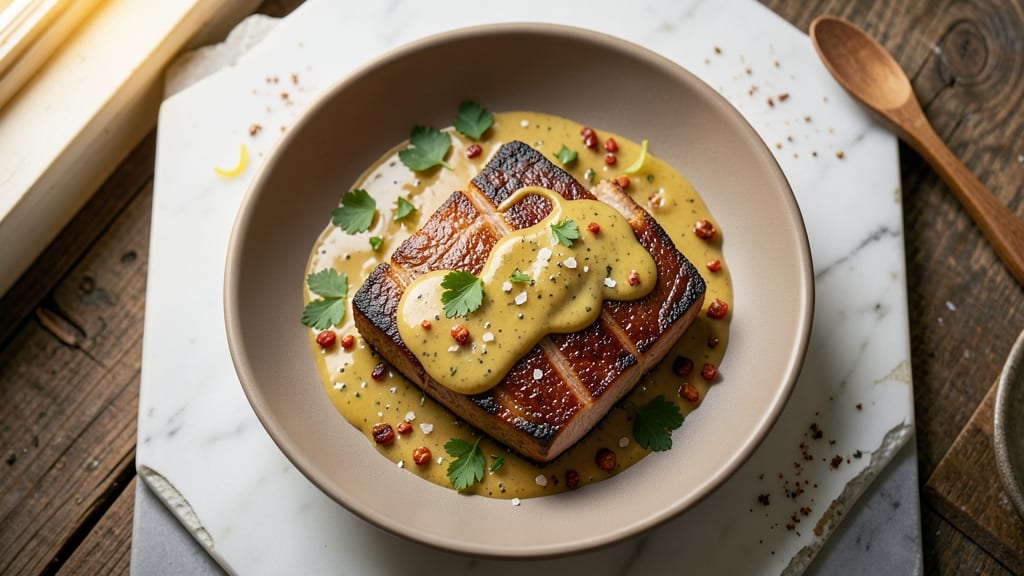
This 1-2 pork loin recipe delivers the perfect balance of crispy crust and juicy pink centers—a technique I perfected after years of working with 2,000 pounds of pork weekly at my restaurant.
The secret lies in a high-heat sear followed by precise internal temperature control, ensuring every bite stays tender while developing that caramelized exterior. Trust me, this method transforms a simple cut into something restaurant-worthy without requiring advanced skills.
Start with a 1.2-pound pork loin (about 1.2 kg), trimmed of excess fat and seasoned simply with salt, pepper, and a touch of garlic powder. The key is letting the meat come to room temperature before cooking—this ensures even heat penetration.
For the crust, we’ll use a cast-iron skillet, searing the loin until golden brown on all sides before finishing it in the oven at a controlled temperature. This two-step process guarantees a juicy interior while locking in those flavors.
What you’ll end up with is a perfectly cooked pork loin—crisp on the outside, tender and pink inside, with a rich, savory aroma that fills your kitchen.
The crust is shatteringly crisp, while the meat remains moist and flavorful, making it ideal for serving with roasted vegetables, mashed potatoes, or a tangy apple cider reduction. This is the kind of dish that feels special without being complicated.
Once cooked, let the pork rest for 10 minutes before slicing—this crucial step ensures the juices redistribute, keeping every bite succulent. Serve with a side of roasted root vegetables or a simple green salad to balance the richness.
The result? A foolproof, restaurant-quality pork loin that’s sure to impress, even if you’re cooking for guests. Let’s get started.
Ingredients for 1 2 pork loin
Restaurant-quality pork loin starts with these simple yet precise ingredients—focus on quality cuts and fresh seasonings.
| Ingredient | Amount | Notes |
|---|---|---|
| Pork Loin 🥩 | 1.2 lb | Center-cut, trimmed of fat |
| Kosher Salt 🧂 | 1 ½ tsp | Diamond Crystal preferred |
| Freshly Ground Black Pepper 🌶️ | ½ tsp | Coarsely cracked |
| Garlic Powder 🧄 | ¼ tsp | Freshly toasted preferred |
| Extra-Virgin Olive Oil 🫒 | 1 tbsp | High smoke point preferred |
| Unsalted Butter 🧈 | 1 tbsp | Cold, cubed |
| Fresh Rosemary 🌿 | ¼ tsp | Finely chopped |
| Fresh Thyme Leaves 🌿 | ¼ tsp | Stripped from stems |
| Apple Cider Vinegar 🍎 | 1 tbsp | For finishing |
| Honey 🍯 | 1 tsp | Wildflower preferred |
| Cast-Iron Skillet 🔥 | 1 whole | 10-12 inch preferred |
The pork loin is non-negotiable here—center-cut with visible marbling ensures juiciness. Whole Foods or local butchers carry the best, or look for 'pork loin roast' at Costco for bulk. Trim any excess fat before seasoning, as it can interfere with the perfect crust. Freshly ground pepper and Diamond Crystal kosher salt make all the difference—pre-ground loses potency fast. For the herbs, Trader Joe's has affordable bundles, but even a few sprigs of fresh rosemary and thyme from the grocery store work beautifully. The key is to let the meat sit at room temperature for 30 minutes before cooking—this ensures even cooking and that coveted juicy center.
No garlic powder? Fresh garlic minced at half the amount adds depth, but toast it first in the skillet for 30 seconds to bring out the flavor. Running short on olive oil? Avocado oil works just as well for high-heat searing. The butter should be cold when you add it—this creates that signature crispy crust. For a sweeter touch, swap honey for maple syrup. And if you don't have a cast-iron skillet, a heavy stainless steel pan works in a pinch, though it won't get quite as crispy. The vinegar and honey finishing step is optional but adds a bright contrast to the rich pork—skip it if you prefer a more classic presentation.
Once cooked, let the pork rest for 10 minutes—this is absolutely critical for juiciness. Store leftovers in an airtight container for up to 4 days in the fridge, or freeze for 3 months by wrapping tightly in plastic. For reheating, low heat in the oven with a splash of water keeps it moist. I always make extra because the leftovers reheat beautifully for sandwiches or salads. The crust loses crispiness when reheated, but the meat stays tender and flavorful—perfect for meal prep.
Why You'll Love This Recipe
- Minimal Ingredient List: I swear by this recipe because it’s that simple—just pork, salt, pepper, garlic powder, and olive oil. No fancy marinades, no hidden pantry raids. Honestly, I keep a bag of garlic powder in my fridge just for this.
- Crispy-Garlicky Magic: That first sear in olive oil? The garlic powder clinging to the edges? It’s the kind of flavor that makes you pause mid-bite. Between us, my kids ask for seconds before I even finish chewing.
- Weeknight to Dinner Party: Same recipe, different occasions—throw it on the table for Tuesday takeout or impress guests with a "look how effortless this is" dish. I’ve served it sliced thin over salad, as a sandwich, or even cold in wraps. Flexible like that.
- Leftover Goldmine: Cook once, eat twice (or three times). Slice the leftovers for breakfast hash, toss them into pasta, or pack them for lunch. My freezer’s always got a bag of this—because it reheats like a dream and never tastes sad.
Step-by-step instructions for perfectly crisp pork loin with juicy centers
Here's how to achieve that coveted contrast—crispy golden crust and tender pink interior—every time.
Season and Rest the Pork Loin
Pat the 1.2 lb pork loin completely dry with paper towels, removing any excess moisture from the surface. This step is non-negotiable for crispy skin. In a small bowl, combine the 1.5 tsp kosher salt, 0.5 tsp freshly ground black pepper, and 0.25 tsp garlic powder. Rub this mixture all over the pork, pressing it into the meat so it adheres evenly.
Place the seasoned pork loin on a wire rack set over a rimmed baking sheet. Refrigerate uncovered for 30 minutes to allow the seasoning to penetrate and the surface to dry further. This resting period ensures maximum crispiness when we sear it later. I like to use this time to prep my cast-iron skillet while the pork chills—it keeps everything moving efficiently.
Sear the Pork Loin to Golden Perfection
Heat your 10-12 inch cast-iron skillet over medium-high heat until it's screaming hot—you should see a thin layer of steam when you sprinkle a few drops of water into the pan. Add the 1 tbsp extra-virgin olive oil and swirl to coat the bottom evenly. Place the pork loin in the skillet, fat-side down if applicable, and sear for 4-5 minutes without moving it.
You'll know it's ready to flip when the bottom develops a deep golden-brown crust and releases easily from the pan. Flip the pork and add the 1 tbsp cold cubed unsalted butter along with the 0.25 tsp finely chopped fresh rosemary and 0.25 tsp fresh thyme leaves. Continue searing for another 3-4 minutes until the second side reaches the same golden-brown color. The butter will baste the meat as it cooks, adding richness and helping create that perfect crust.
Finish with a Sweet-Tangy Glaze
Remove the pork loin from the skillet and transfer it to a cutting board. Let it rest for 5 minutes—this is crucial for redistributing the juices and preventing them from running out when you slice. While it rests, return the skillet to the heat and add the 1 tbsp apple cider vinegar and 1 tsp honey. Let it simmer for 1-2 minutes until slightly reduced and syrupy.
Here's the thing—this glaze does double duty. The vinegar brightens the flavors while the honey adds a subtle sweetness that complements the savory pork. Use a pastry brush to coat the rested pork loin with this glaze on all sides. The residual heat will help it set slightly, creating a glossy finish that signals the dish is complete.
Rest and Slice for Maximum Juiciness
After resting for 5 minutes, slice the pork loin into ½-inch thick medallions against the grain. The grain direction is easy to spot—it runs horizontally across the cut surface. Slicing against it ensures each bite has that satisfying chew and tender texture.
Serve immediately with the pan juices spooned over the top. The contrast of crispy edges and juicy pink centers should be immediately apparent. For best results, serve with a simple side of roasted vegetables or a fresh salad to balance the richness of the pork. The glaze will keep the slices moist while adding that perfect finishing touch of sweet-tangy brightness.
Pro Tips For Making 1 2 Pork Loin
- USE A MEAT THERMOMETER: The pork loin’s done when it hits 145°F internally—no guessing. I used to pull it at 140°F and end up with dry meat. Trust the thermometer, especially if you’re nervous about overcooking.
- DRY THE LOIN BEFORE SEASONING: Pat that pork loin completely dry with paper towels—no wet spots. I learned this the hard way: moisture steams instead of browns, so your crust turns soggy. Take your time, even if it feels like overkill.
- SALT THE NIGHT BEFORE: Sprinkle the kosher salt 12–24 hours ahead and let it sit uncovered in the fridge. It seasons deeper and keeps the meat juicier. I know, it’s weird, but it actually changes the outcome—no more bland pork.
- SEAR IN BATCHES IF NEEDED: If your pan’s too small, don’t crowd the loin—it’ll steam instead of sear. Work in stages, letting each side get a proper crust. I once tried to rush this and ended up with pale, greasy pork. Start hot, finish low, and give it space.
Regional styles of this 1 2 pork loin
Southern BBQ Style
In the Southeast, we love our pork with a smoky, tangy twist.
For a Carolina-inspired version, swap the apple cider vinegar glaze for a ½ cup BBQ sauce (I recommend Sweet Baby Ray's or a local Carolina Gold) and add ½ cup chopped red onions to the skillet during the final sear.
The key is finishing with ¼ cup apple cider vinegar and 2 tbsp brown sugar to caramelize the onions while basting the meat. Serve with coleslaw and cornbread for a true Southern feast. 🌶️
Italian Pan-Seared
For an Italian-inspired take, marinate the pork loin in 2 tbsp olive oil, 1 tbsp balsamic vinegar, 1 tsp dried oregano, and ½ tsp red pepper flakes for 1 hour before cooking.
After searing, deglaze the skillet with ¼ cup dry white wine instead of vinegar, then reduce with 1 tbsp butter and a pinch of salt. Finish with fresh basil and serve with roasted garlic mashed potatoes and a simple arugula salad. This version feels elegant yet approachable. 🍷
German-Style Roasted
In Germany, pork loin is often roasted with fresh herbs and mustard. After searing, transfer the pork to a 350°F oven for 10-12 minutes (until internal temp reaches 145°F).
Brush with a mix of 1 tbsp Dijon mustard, 1 tbsp honey, and 1 tsp fresh thyme before serving. Pair with red cabbage and potato dumplings for a hearty, comforting meal. The mustard adds a tangy depth that balances the richness. 🥔
Asian-Inspired Glaze
For a fusion twist, replace the apple cider vinegar with 2 tbsp soy sauce, 1 tbsp rice vinegar, and 1 tbsp honey. Add 1 tsp grated fresh ginger and ½ tsp sesame oil to the glaze.
After searing, baste the pork with this mixture and finish with toasted sesame seeds. Serve with steamed jasmine rice and stir-fried bok choy. The umami from the soy sauce elevates the dish to new heights. 🥢
Heritage Pig Twist
Using heritage breed pork (like my Gloucestershire Old Spots) adds a deeper, nuttier flavor. For this version, add 1 tsp smoked paprika to the seasoning mix and ½ tsp ground coriander to the glaze.
The natural fat distribution in heritage pork means you can skip the butter during searing—just use 1 tbsp olive oil and let the pork’s richness shine. Serve with roasted beets and wild rice pilaf for a rustic, farm-to-table meal. 🐖
Nutrition facts
Frequently asked questions
How do I know when my 1.2 lb pork loin is fully cooked?
Use a meat thermometer to check the internal temperature—it should reach 145°F for medium-rare (juicy pink center) or 155°F for medium (warmer pink). The crust will be golden-brown, but the thermometer is your most reliable guide. Never rely on color alone, as overcooking can turn the meat grayish.
Can I cook this pork loin in the oven instead of pan-searing?
Preheat your oven to 425°F, place the seasoned pork loin on a rack over a baking sheet, and roast for 20-25 minutes until the internal temp hits 145°F. For extra crispiness, broil for the last 2 minutes. The key is still resting for 10 minutes before slicing to keep it juicy.
What's the best way to store leftovers?
Slice the cooled pork loin and store in an airtight container for up to 4 days in the fridge. For freezing, wrap tightly in plastic wrap and place in a freezer bag for 3 months. Reheat gently in the oven at 300°F until warmed through—never microwave, as it makes the meat dry.
Why does my pork loin turn out dry?
Overcooking is the #1 culprit—pork loin cooks quickly, so remove it immediately when it hits 145°F. Also, skipping the 10-minute rest causes juices to escape. For extra moisture, baste with butter during cooking or use a meat thermometer to avoid guessing.
What's the difference between pork loin and pork tenderloin?
Pork loin is a larger, firmer cut with more connective tissue (great for roasting), while pork tenderloin is leaner and more delicate. This recipe works for both, but tenderloin cooks faster—reduce searing time to 2-3 minutes per side and check at 135°F internal temp for medium-rare.