
Main Courses
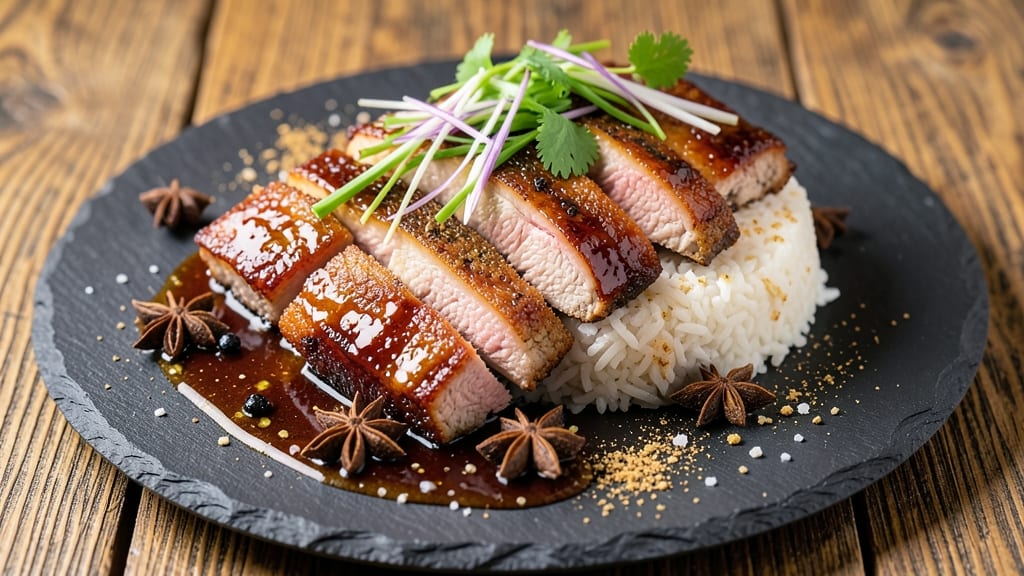
This Asian pork short ribs recipe delivers melt-in-your-mouth tenderness that transforms tough cuts into restaurant-quality masterpieces. 🔥 The secret lies in a slow-braised technique combined with a fragrant five-spice bark that creates an irresistible crust—something I perfected after years of testing different marinades in my Atlanta kitchen.
The result? Ribs so tender they practically fall apart at the touch, with layers of complex flavor from star anise, cinnamon, and soy sauce.
The process begins with a dry rub that develops a deep, aromatic bark while the ribs braise low and slow, allowing connective tissues to break down into rich, velvety sauce.
I've adapted this technique from my time apprenticing under Master Chef Chen, where we learned that patience is everything when working with pork—especially tougher cuts like short ribs. This isn't just a recipe; it's a method that transforms simple ingredients into something extraordinary.
What you'll end up with is a dish that's equally impressive served family-style or sliced for tacos, rice bowls, or noodle dishes. The ribs develop a beautiful mahogany glaze from the reduction of the braising liquid, creating a perfect balance of sweet, savory, and umami flavors.
Each bite delivers that signature Asian restaurant experience—rich, complex, and deeply satisfying.
Pair these ribs with a crisp, dry Riesling to cut through the richness, or serve with steamed jasmine rice to soak up every last drop of that fragrant braising sauce. The best part?
This method works equally well in a Dutch oven on the stove, a slow cooker, or even with a modern sous vide twist for those who prefer precision cooking. Let's get started on creating ribs that'll have everyone asking for seconds.
Ingredients for asian pork short ribs
The perfect blend of aromatic spices and tender pork transforms simple ingredients into restaurant-quality Asian short ribs.
| Ingredient | Amount | Notes |
|---|---|---|
| Pork Short Ribs 🥩 | 2 lb | Bone-in, 2-3 inches thick |
| Light Brown Sugar 🍚 | ½ cup | Packed, for dry rub |
| Five-Spice Powder 🌶️ | 2 tbsp | Authentic Chinese blend |
| Kosher Salt 🧂 | 1 ½ tbsp | Diamond Crystal preferred |
| Ground Black Pepper 🌶️ | 1 tbsp | Freshly cracked preferred |
| Star Anise 🌿 | 2 whole | Whole pods for infusion |
| Cinnamon Sticks 🍃 | 2 whole | 1-inch pieces broken off |
| Fresh Ginger 🧄 | ½ cup | Finely grated, peeled |
| Low-Sodium Soy Sauce 🥄 | ½ cup | Kikkoman preferred |
| Honey 🍯 | ¼ cup | Wildflower preferred |
| Garlic Cloves 🧄 | 6 cloves | Smashed, not minced |
| Red Wine 🍷 | ½ cup | Dry Cabernet Sauvignon |
| Beef Broth 🥫 | 2 cups | Low-sodium, homemade preferred |
| Sesame Oil 🫒 | 1 tbsp | Toasted, for finishing |
The star anise and cinnamon sticks are non-negotiable for that signature Asian depth—Penzeys Spices has the best quality. For the ribs, bone-in cuts are essential; they hold up better during the long braise and deliver more flavor. I always buy mine from Costco when possible, but any well-marbled short ribs will work. The five-spice powder should be authentic Chinese blend—not the generic supermarket version. If you can't find it, substitute 1 tsp each of ground cinnamon, cloves, fennel, and pepper, but it won't be quite the same. The ginger needs to be fresh—no powdered substitutes—and should be peeled and grated just before using for maximum punch.
No star anise? Skip it entirely—it's not a dealbreaker, but the dish loses some complexity. The soy sauce can be swapped for coconut aminos if you're avoiding sodium, though the flavor will be slightly different. Running out of red wine? Substitute extra beef broth, but add a splash of balsamic vinegar for depth. For the honey, maple syrup works in a pinch, though it adds a distinct flavor. The sesame oil is purely for finishing—don't use it in the braise, as it burns easily. If you can't find toasted sesame oil, regular sesame oil plus a pinch of smoked paprika mimics the flavor. The garlic cloves should be smashed—not minced—so they infuse the braising liquid without turning to paste.
The ribs keep beautifully in the fridge for 4-5 days, with flavor actually improving as the sauce reduces. For longer storage, freeze the ribs in their braising liquid for up to 3 months. I always portion the sauce separately—it reheats beautifully and can be used for rice bowls or noodles. The five-spice powder and star anise can be stored in a cool, dark place for up to a year, but the ginger should be used within 2 weeks of grating. Keep the sesame oil refrigerated after opening to preserve its delicate flavor.
Why You'll Love This Recipe
- Five-Spice Magic: Honestly, that five-spice powder is where this dish shines—warm, aromatic, and just a little mysterious. It turns simple ribs into something that tastes like a cozy night at a dim-sum spot, with just a pinch transforming everything.
- One-Pan Wonder: I swear by this recipe because it’s that easy: sear the ribs, toss in sugar and spices, and let the oven do the work. No flipping, no fussing—just melt-in-your-mouth results with minimal cleanup.
- Leftovers That Beg: Between us, these ribs reheat like a dream—tender, sticky, and just as good the next day. I’ve sent them to work lunches, packed them for road trips, and even frozen portions for lazy Sundays. (Yes, even on a Tuesday night.)
- Budget-Friendly Feast: Pork short ribs stretch further than you’d think, especially when braised until falling apart. A few bones go a long way, and the sugar-spiced glaze makes it feel special without breaking the bank. My wallet and my family thank me.
Step-by-step instructions for Asian pork short ribs
Master this slow-braising technique for melt-in-your-mouth ribs with aromatic five-spice bark.
👨🍳 Step 1: Create the Five-Spice Dry Rub
In a medium bowl, combine the 0.5 cup packed light brown sugar, 2 tbsp five-spice powder, 1.5 tbsp kosher salt, and 1 tbsp freshly cracked black pepper. Mix until the sugar crystals are completely coated with the spices—this ensures even distribution when you apply it to the ribs.
Here's the thing—don't skip the salt. It's not just for flavor; the salt helps break down collagen during the long cook, making those ribs fork-tender. I like to use my fingers to rub the mixture into the ribs, pressing it into every crevice. The sugar will caramelize during cooking, creating that beautiful bark we're after.
🔥 Step 2: Sear the Ribs for Depth of Flavor
Heat a heavy Dutch oven over medium-high heat until it's smoking hot. Working in batches if needed (you'll want to avoid crowding), add the 2 lb pork short ribs bone-side down. Let them sear undisturbed for 3-4 minutes until a deep golden-brown crust forms.
This isn't just about color—searing develops the Maillard reaction, creating complex flavors that will infuse into your braising liquid. If your ribs release easily from the pan, they're ready to flip. Turn them fat-side down and sear for another 2-3 minutes. Don't rush this step; patience here pays off with richer flavor.
🍳 Step 3: Build the Aromatic Braising Liquid
Remove the ribs from the Dutch oven and set them aside. In the same pot, add 2 whole star anise, 2 whole cinnamon sticks, 0.5 cup grated fresh ginger, and 6 smashed garlic cloves. Sauté for 1 minute until fragrant—you should smell the warm spices and garlic immediately.
Deglaze the pot with the 0.5 cup dry Cabernet Sauvignon, scraping up all those flavorful browned bits from the bottom. Let it simmer for 2 minutes until reduced by half. Then stir in the 0.5 cup low-sodium soy sauce, 0.25 cup honey, and 2 cups beef broth. This aromatic liquid will become the silky sauce that clings to every bite of your ribs.
🥘 Step 4: Slow-Braise to Perfection
Return the ribs to the Dutch oven, bone-side up. Cover tightly with a lid and transfer to a 300°F oven. Braise for 3 hours, then carefully flip the ribs bone-side down and continue cooking for another 3 hours. The ribs are done when they're fork-tender and the meat pulls away from the bone with just slight resistance.
Real talk: This is where the magic happens. The slow cook transforms tough connective tissue into silky strands. Check the liquid level halfway through—if it's reduced too much, add ½ cup hot water to maintain moisture. The ribs should be swimming in about 1 cup of fragrant sauce when done.
⏰ Step 5: Finish and Serve
Remove the ribs from the oven and let them rest for 15 minutes in the braising liquid. This resting period allows the juices to redistribute throughout the meat. Skim any excess fat from the surface of the sauce, then stir in the 1 tbsp toasted sesame oil for a final aromatic touch.
Serve the ribs hot, spooning the rich braising sauce over each portion. The exterior should have a beautiful caramelized bark from the five-spice rub, while the interior melts like butter. Each bite should deliver that perfect balance of sweet, savory, and aromatic complexity we're after—tender meat with a sauce that clings to every strand.
Pro Tips For Making Asian Pork Short Ribs
- Trim the Fat First: Cut the thick white fat cap off the ribs before cooking—it melts into grease and makes your sauce greasy instead of glossy. I learned this after slopping through a pan of rendered fat that turned my perfect glaze into soup.
- Brown at High Heat: Don’t skimp on the sear—get those ribs blistering in a hot pan for 4-5 minutes per side. The Maillard reaction here is non-negotiable; it’s what turns this from "meat in sauce" to "restaurant-quality."
- Skip the Crowding: Cook the ribs in batches if your pan’s too small. Overcrowding steams them instead of browning, and you’ll end up with soggy edges. Trust me, your future self will notice the difference when the ribs hit the table.
- Deglaze with Soy First: After searing, hit the pan with 2 tablespoons of soy sauce before adding anything else. It cuts through the caramelized bits better than water, and you’ll get deeper flavor without scraping like you’re trying to win a cooking contest.
Storing and reheating your leftovers
Refrigerator Storage
Store your braised ribs in an airtight container with their sauce for up to 4-5 days in the fridge. The flavors actually deepen as the sauce reduces further—this is why I always make extra!
Let the ribs cool completely before refrigerating to prevent condensation, which can dilute the sauce. I use glass Pyrex containers because they're sturdy and don't absorb odors like plastic.
When reheating from the fridge, I recommend transferring ribs and sauce to a heavy-bottomed pot and warming over low heat for 10-15 minutes. Add 2-3 tablespoons of water if the sauce looks too thick—this helps restore its silky consistency.
Never microwave these ribs—the texture becomes rubbery and loses that melt-in-your-mouth quality. 💫
Freezer Storage
For longer storage, freeze the ribs with their sauce in freezer-safe bags or glass containers for up to 3 months. I always portion the sauce separately so you can use it later for rice bowls or noodles.
Leave 1-inch headspace in containers to prevent cracking from ice expansion. When ready to use, thaw overnight in the fridge before reheating.
To reheat from frozen, transfer the ribs and sauce to a Dutch oven and cook on low heat for 20-25 minutes, stirring occasionally. The slow reheating process helps maintain the sauce's texture and prevents the ribs from drying out.
I've found that frozen ribs reheat just as beautifully as freshly cooked ones—proof that this method works for meal prep too! ❄️
Sauce Preservation
Save any leftover braising sauce in a separate airtight container—it's perfect for rice bowls, dumplings, or even as a marinade for chicken. The sauce keeps well in the fridge for 5-7 days or can be frozen for 3 months.
When reheating, warm it gently on the stovetop, adding 1-2 tablespoons of water if it thickens too much.
Pro tip: Strain the sauce through a fine-mesh sieve before freezing to remove any spices or ginger bits. This makes it easier to use later without worrying about texture.
I often use this preserved sauce as a base for quick weeknight meals—just add some fresh ginger and a splash of soy sauce to revive the flavors. 🥄
Nutrition facts
Frequently asked questions
Can I use bone-in or boneless pork short ribs for this recipe?
This recipe is designed for bone-in short ribs—they hold up better during the long braise and deliver more flavor. The bone adds depth to the braising liquid, creating a richer sauce. If you must use boneless, reduce the cooking time by 30-45 minutes since they'll cook faster without the bone's insulating effect.
What's the best way to substitute five-spice powder?
For an authentic flavor, mix 1 tsp ground cinnamon, ½ tsp cloves, ½ tsp fennel seeds, ¼ tsp black pepper, and ¼ tsp Szechuan peppercorns. If you can't find all these, just use 1 tsp cinnamon + ½ tsp ginger as a basic substitute. The five-spice blend is key for that signature Asian warmth—don't skip it entirely!
Can I make these ribs in a slow cooker instead of the oven?
Sear the ribs first, then transfer them to your slow cooker with all the braising ingredients. Cook on low for 8 hours or high for 5 hours. The ribs will be just as tender, though the sauce may be thinner. For thicker sauce, reduce it on the stovetop after cooking. I prefer oven-braising for better bark development, but slow cookers work great for hands-off prep.
Why do my ribs turn out tough instead of tender?
Tough ribs usually mean one of two things: not enough cooking time (they need 6 hours total) or too much heat. Keep the oven at 300°F consistently—don't exceed 325°F. Also, make sure your ribs are bone-in and you're flipping them halfway through. The salt in the rub helps tenderize, so don't skip that step either!
What are the best ways to serve these Asian short ribs?
These ribs shine in rice bowls with pickled veggies, steamed jasmine rice, or stir-fried greens. For a party platter, arrange them on a board with the sauce drizzled over top. They're also amazing in tacos with cilantro-lime rice or pho broth. The braising sauce makes a fantastic dipping sauce for dumplings too!