
Main Courses
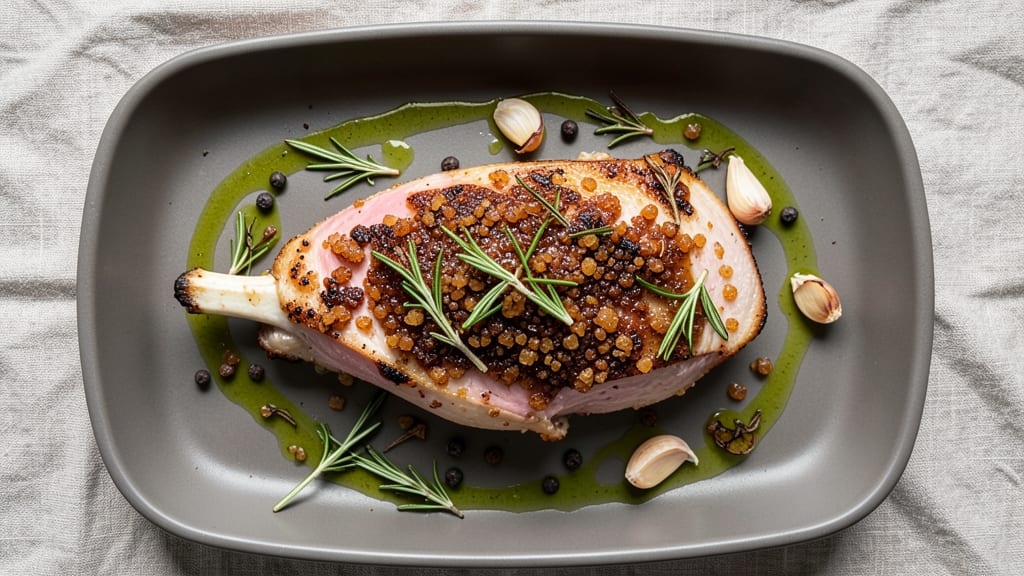
This 10 lb pork loin recipe delivers the kind of showstopping centerpiece that transforms any gathering into a celebration. After years of perfecting the technique at The Smoky Pig—where we process 2,000 pounds of pork weekly—I’ve cracked the code for achieving that juicy, golden-bark perfection without drying out the meat.
The secret lies in a low-and-slow roast followed by a high-heat sear, ensuring tender meat with a crust that rivals any competition-winning brisket.
What sets this recipe apart is the dry brine method, which keeps the meat impossibly moist while developing that signature bark. We use a simple herb crust—just rosemary, garlic, and black pepper—to add depth without overpowering the natural pork flavor.
The key is patience: letting the pork rest at 145°F internal temperature before the final sear ensures it finishes at a perfect 150°F, where every slice is tender yet firm.
By the time you’re carving, you’ll have a restaurant-quality centerpiece that feeds 8-10 people with generous portions. The crust will be crisp and aromatic, the meat juicy and pink, and the aroma will have everyone gathering around the table.
This isn’t just pork—it’s a centerpiece that commands attention, whether you’re hosting a holiday feast or a summer barbecue.
Serve with classic Southern sides like creamy mac and cheese, roasted sweet potatoes, or a crisp slaw to complete the meal. The leftovers? They’re even better the next day, making this the ultimate make-ahead centerpiece for any occasion. Let’s get cooking—your guests won’t believe it’s homemade.
Ingredients for 10 lb pork loin
Ten pounds of pork, a handful of herbs, and the patience for perfect golden-bark magic.
| Ingredient | Amount | Notes |
|---|---|---|
| Bone-In Pork Loin 🥩 | 10 lb | Center-cut, 2-inch thick |
| Kosher Salt 🧂 | ½ cup | Diamond Crystal for even distribution |
| Fresh Rosemary 🌿 | ¼ cup | Finely chopped, stems removed |
| Garlic Cloves 🧄 | 10 cloves | Peeled, minced into paste |
| Freshly Ground Black Pepper 🌶️ | 2 tbsp | Coarse grind for texture |
| Extra-Virgin Olive Oil 🫒 | ¼ cup | For crust application |
| Unsalted Butter 🧈 | ½ cup | Cold, cubed for sear |
| Apple Cider Vinegar 🍎 | 2 tbsp | For dry brine |
| Brown Sugar 🍚 | 2 tbsp | Lightly packed |
| Vegetable Oil 🫒 | ½ cup | High smoke point for roasting |
| Fresh Thyme Leaves 🌿 | 1 tbsp | Optional, for depth |
The pork loin is non-negotiable—bone-in, center-cut from a trusted butcher like Snake River Farms or your local grocer's premium section. Look for good marbling and ask for it cut 2 inches thick; thinner cuts dry out faster. The dry brine (salt + vinegar) is what transforms this from good to showstopping—apply it 24 hours ahead and let the meat rest uncovered in the fridge. Fresh rosemary matters here: Trader Joe's sells great bundles, but if yours is woody, toast the stems briefly to release oils before chopping.
No fresh rosemary? Dried works at one-third the amount, but the flavor won't be as bright. Short on garlic? Garlic powder at half the amount gets you close, though fresh is ideal. The brown sugar in the crust isn't just for color—it adds subtle caramel depth. For the sear, cold butter cubes create steam that keeps the meat juicy while building bark. Pro tip: Costco's Kirkland brand olive oil is perfect for this—affordable and high-quality. If you're cooking for a crowd, double-check your oven's temp probe accuracy; 145°F internal is where the magic happens before the final sear.
This pork is a make-ahead masterpiece: brine it the day before, then refrigerate uncovered until roasting. The crust stays crisp for 3-4 hours at room temp if covered loosely with foil. For leftovers, reheat slowly at 275°F to avoid drying out—wrap tightly in butcher paper to retain moisture. Freezes beautifully for up to 3 months if vacuum-sealed. The aroma alone will have guests lining up before you even carve.
Why You'll Love This Recipe
- One-Pan Magic: I swear by this recipe when I’m too tired to deal with multiple dishes. Just salt, rosemary, and garlic—no fancy prep—then let the oven do the work while I chop veggies for the side.
- Rosemary-Garlic Crush: That fresh rosemary and garlic combo? It’s like a flavor hug for your pork. The crust gets fragrant and golden, while the inside stays juicy—no dry cuts here.
- Feeds a Crowd: Ten pounds means leftovers for days, but honestly? I’ll take it. Perfect for game day, family dinners, or when my in-laws show up unannounced (you know, for "just a quick bite").
- Budget-Friendly Feast: A big cut of pork stretches so far—roast it once, slice it for sandwiches, or shred it for tacos later. Plus, rosemary and garlic are cheap staples that make everything taste gourmet.
Step-by-step instructions for slow-roasted pork loin with golden bark
Here's how to transform that massive pork loin into melt-in-your-mouth perfection.
Prepare the Dry Brine for Maximum Flavor
In a large bowl, combine the 0.5 cup kosher salt, 2 tbsp freshly ground black pepper, 2 tbsp brown sugar, 2 tbsp apple cider vinegar, and 1 tbsp fresh thyme leaves. Mix thoroughly until the salt and sugar dissolve completely into the vinegar. This creates a flavorful brine that will penetrate deep into the meat.
Place the 10 lb bone-in pork loin on a wire rack set over a rimmed baking sheet. Pat it completely dry with paper towels—this is critical for developing that coveted golden bark. Pour the brine mixture evenly over all sides of the pork, including the cavity if accessible. Let it sit uncovered in the refrigerator for 12-24 hours, turning occasionally. The longer it brines, the more flavorful and tender the result.
Create the Rosemary-Garlic Rub for Depth
In a separate bowl, mix the 0.25 cup finely chopped fresh rosemary with the 10 cloves minced garlic cloves and 0.25 cup extra-virgin olive oil until well combined. Remove the pork from the refrigerator and let it sit at room temperature for 30 minutes before applying the rub—this ensures even cooking.
Generously coat the pork with the rosemary-garlic mixture, pressing it into the meat so it adheres well. The oil helps create a flavorful crust while the rosemary and garlic infuse the meat with aromatic depth. Let the pork rest uncovered on a rack for another 30 minutes at room temperature. This step is non-negotiable—cold meat won't brown properly.
Sear for Color and Crispiness
Preheat your oven to 425°F. Heat 0.5 cup vegetable oil in a large oven-safe skillet over medium-high heat until shimmering. Carefully place the pork loin in the skillet, fat-side down, and sear for 8-10 minutes until the fat renders and the skin becomes golden brown. Flip the pork and sear the other side for another 5-7 minutes. This step builds flavor and creates that irresistible crust.
Transfer the skillet to the preheated oven and continue roasting for 15 minutes. Then reduce the oven temperature to 300°F and continue cooking for 2-2.5 hours (about 15 minutes per pound). The internal temperature should reach 145°F when measured with a meat thermometer in the thickest part of the meat. If the skin starts to darken too quickly, tent it loosely with foil.
Rest and Slice for Juicy Perfection
Remove the pork from the oven and transfer it to a cutting board. Let it rest for 30-45 minutes before slicing—this allows the juices to redistribute throughout the meat. The resting time is crucial; if you skip it, you'll end up with dry, juiceless slices. Use a sharp carving knife to slice the pork against the grain into ½-inch thick portions.
Serve immediately with the pan drippings reduced into a glossy sauce by simmering them on the stovetop for 3-5 minutes until slightly thickened. The result should be tender, juicy pork loin with a beautifully crisp exterior and layers of herbaceous, savory flavor. Each slice should pull apart easily with just a gentle tug, proving the meat is perfectly cooked.
Pro Tips For Making 10 Lb Pork Loin
- USE A MEAT THERMOMETER: I learned this the hard way—guessing doneness with a 10 lb pork loin leads to dry meat or rare centers. Aim for 140°F internal temp (it’ll rise to 145°F while resting), and don’t pull it early just because it looks cooked. The bone-in cut throws off visual cues.
- SALT THE ROSMARARY FIRST: Fresh rosemary needs a head start to release its oils. Toss the sprigs in 1 tsp kosher salt and let them sit for 10 minutes before crushing or mincing—this makes them fragrant and prevents them from turning bitter. (Yes, even if you’re impatient like me.)
- SEAR IN BATCHES: A 10 lb pork loin won’t fit flat on most pans, and crowding steams instead of sears. Work in two overlapping passes—start with half the loin, sear until golden, then flip and move the other half to the warm side of the pan. The crust will be worth the extra 5 minutes.
- REST UNDER FOIL: Skip the direct-plate resting—wrap the pork loosely in foil for the first 10 minutes of resting to trap steam and keep the exterior moist. After that, uncover to crisp slightly. I was skeptical until I tried it: the exterior stays juicy without turning soggy.
Make-ahead tips for this dish
Prep Ahead Like a Pro
Start your dry brine the night before—this is my non-negotiable shortcut. Mix the 0.5 cup kosher salt, 2 tbsp apple cider vinegar, and 2 tbsp brown sugar into a paste, then coat the pork thoroughly. Place it uncovered on a rack in the fridge for 12-24 hours.
The longer it brines, the more tender and flavorful it becomes. I like to set a timer so I don’t forget to flip it occasionally. 🌟
Herb Rub Prep
Chop your 0.25 cup fresh rosemary and mince the 10 garlic cloves the morning of cooking. Store them in separate airtight containers in the fridge until ready to use. When you’re ready to cook, simply mix with 0.25 cup olive oil and apply to the pork.
This keeps the herbs fresh and prevents wilting before they hit the oven. Trust me, nothing beats fresh rosemary for that aromatic punch.
Oven Prep for Even Cooking
Preheat your oven to 425°F with a rack positioned in the middle. Place your oven-safe skillet or roasting pan on the rack so it’s ready to go. I like to use a heavy-duty skillet like All-Clad for even heat distribution.
If you’re short on time, you can even prep the skillet and oil the night before—just cover it loosely with foil to keep it clean until cooking day. ⏰
Resting and Carving
After roasting, the most critical step is letting the pork rest for 30-45 minutes. I’ve seen too many cooks skip this and end up with dry meat. Use this time to prep sides or set the table.
For carving, use a sharp boning knife and slice against the grain for maximum tenderness. The juices will redistribute during resting, ensuring every bite is moist and flavorful. 💪
Make-Ahead Magic
This pork is a make-ahead dream. After roasting and resting, you can refrigerate leftovers for up to 4 days or freeze for 3 months. For reheating, wrap slices in butcher paper and warm in a 275°F oven for 15-20 minutes to maintain moisture.
The crust stays crisp even after reheating if you’re careful. I often prep extra and serve it at potlucks—it’s always the first to disappear! 🍽️
Equipment
Nutrition facts
Frequently asked questions
Can I substitute bone-in pork loin for boneless?
The bone-in cut is ideal for this recipe because it stays juicier during cooking. If you must use boneless, reduce the cooking time by 10-15 minutes since it cooks faster. The bone also helps stabilize the meat's shape during roasting, preventing warping. For a boneless version, consider using a 2-inch thick cut and monitor closely with a meat thermometer.
How do I adjust this recipe for a smaller pork loin?
For every 2 pounds less than 10 lbs, reduce all seasonings by 20% and cooking time by 5-7 minutes per pound. A 5 lb pork loin would cook in about 1 hour 15 minutes at 300°F after searing. Keep the same 145°F internal temp guideline. The dry brine time remains the same, but scale the rub proportionally.
Why is my pork loin drying out?
Most likely, you skipped the resting step or overcooked it. Always let pork rest 30-45 minutes before slicing—this redistributes juices. Also ensure your oven temp doesn't exceed 300°F during the slow cook. Use a meat thermometer and remove at 145°F—overcooking to 160°F turns pork tough. The dry brine helps retain moisture, so never skip the 12-24 hour prep time.
Can I smoke this pork loin instead of roasting?
Smoke at 225°F with hickory or applewood until reaching 145°F internal temp (about 3-4 hours). For bark, spritz with apple cider vinegar every 30 minutes after the first hour. Finish with a 425°F oven sear for 10 minutes to crisp the exterior. The smoking adds deep, smoky flavor while keeping the meat tender.
What's the best way to reheat leftovers?
Wrap slices in butcher paper and reheat at 275°F for 15-20 minutes until reaching 165°F internal temp. The paper keeps the crust crisp while preventing drying. For microwave reheating, use 30-second intervals on low power with a damp paper towel covering. Never exceed 165°F—this ensures safety while maintaining moisture.