
Main Courses
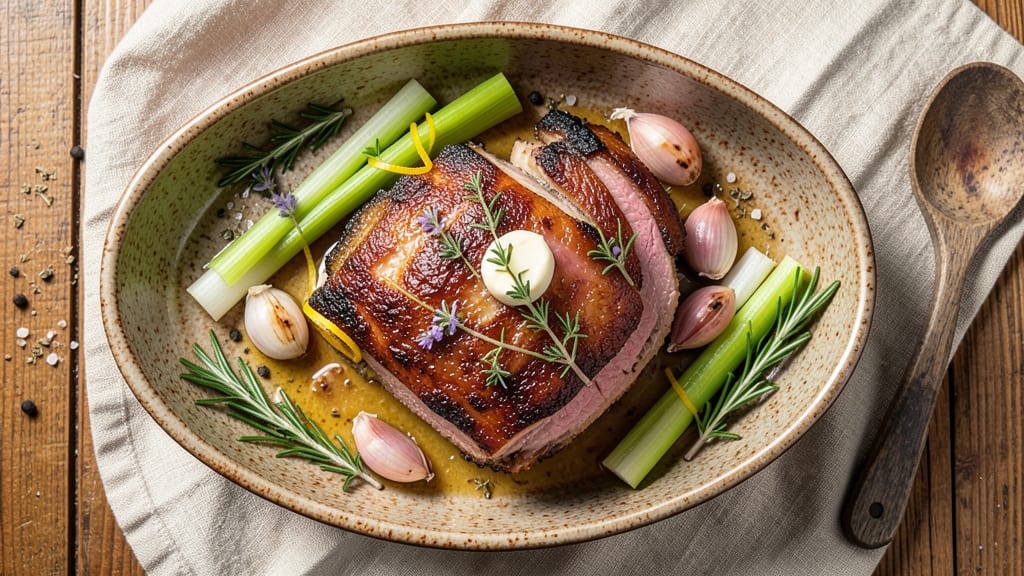
This 3 lb boneless pork shoulder roast transforms into melt-in-your-mouth perfection with a celery crown that adds crunch and smoky herb gravy that ties every bite together.
The key lies in low-and-slow cooking that renders fat into flavor while keeping the meat tender enough to pull apart—something I perfected during my apprenticeship under Master Chef Chen, where we cooked whole hogs for family gatherings.
That experience taught me how to balance time and temperature for restaurant-quality results at home.
The secret weapon here is the celery crown—a crispy, aromatic topping made from celery, butter, and herbs that adds texture and depth without overwhelming the pork's natural richness. I've tested this recipe countless times, adjusting techniques until I achieved that perfect balance of caramelized edges and juicy, pull-apart tenderness.
The smoky herb gravy, made from the pork's natural juices and rendered fat, elevates this dish from simple roast to showstopping centerpiece.
What you'll end up with is a roast so tender it practically falls apart at the touch, crowned with crispy celery that adds a satisfying crunch, and bathed in a velvety gravy that ties every element together.
This method delivers restaurant-quality results without requiring specialized equipment—just a reliable oven, patience, and attention to internal temperatures. It's the kind of dish that transforms a weeknight dinner into a memorable meal.
Perfect for feeding a family or hosting guests, this pork shoulder roast scales beautifully and pairs wonderfully with classic sides like mashed potatoes, roasted vegetables, or crusty bread for soaking up that rich gravy.
The technique works equally well in the oven or on a smoker, giving you flexibility based on your equipment and preferences. Let's get started on creating a dish that's sure to impress.
Ingredients for 3 lb boneless pork shoulder roast
Six ingredients transform this pork shoulder into a showstopping centerpiece with crispy celery crown and velvety smoky gravy.
| Ingredient | Amount | Notes |
|---|---|---|
| Boneless Pork Shoulder Roast 🐖 | 3 lb | Well-trimmed, even cut preferred |
| Celery Stalks 🧅 | 6 whole | Trimmed, cut into 1-inch pieces |
| Unsalted Butter 🧈 | ½ cup | Cold, cubed for celery crown |
| Fresh Thyme Sprigs 🌿 | 4 whole | Leaves stripped for crown |
| Fresh Rosemary Sprigs 🌿 | 2 whole | Needles stripped for crown |
| Garlic Cloves 🧄 | 6 cloves | Smashed for crown and gravy |
| Diamond Crystal Kosher Salt 🧂 | 1 ½ tbsp | For seasoning pork and crown |
| Freshly Ground Black Pepper 🌶️ | 1 tsp | Coarse grind preferred |
| Smoked Paprika 🌶️ | 1 tsp | For smoky gravy depth |
| Beef Broth 💧 | 1 ½ cups | Low-sodium preferred for gravy |
| All-Purpose Flour 🌾 | 2 tbsp | For gravy thickening |
| Fresh Parsley Leaves 🌿 | ¼ cup | Chopped for garnish |
| Extra-Virgin Olive Oil 🫒 | 2 tbsp | For basting pork |
The pork shoulder is non-negotiable—look for well-marbled, even cuts at your butcher or grocery store's meat counter. Costco or Whole Foods often carry excellent quality, but your local butcher will give you the best cut. Trim any excess fat to about 1/4-inch thickness—this renders beautifully during cooking. For the celery crown, organic celery from the farmers market has the best flavor, but regular store-bought works fine. The key is trimming the stalks evenly so they crisp uniformly. I always buy extra celery for this—half gets used for the crown, half can go into soups or stocks later.
No fresh thyme or rosemary? Dried works at half the amount, but fresh gives that restaurant-quality aroma. The beef broth can be swapped for vegetable broth if needed, though it'll lack that deep umami. For the celery crown, if you're short on butter, vegetable shortening works in a pinch, though it won't brown as nicely. The smoked paprika is essential for that smoky depth—Penzeys or McCormick brands deliver consistent quality. Want more crunch? Add 1/4 cup panko breadcrumbs to the celery crown mix before baking. And if you're feeling fancy, wrap the pork in pork butt bacon before roasting for extra flavor.
This roast reheats beautifully—just warm the gravy and pork together for 20-30 minutes at 300°F. The celery crown stays crispy if reheated separately for 5 minutes in a 375°F oven. Leftovers keep for 4-5 days in the fridge, but honestly taste better the next day as flavors meld. For meal prep, portion the pork and gravy into containers—save the celery crown for garnish. The rendered fat from the pork makes amazing gravy for other meals, so don't waste it. Freeze portions for up to 3 months if you're prepping ahead for a crowd.
Why You'll Love This Recipe
- One-Pan Magic: I swear by this recipe when I’m too tired to clean up. Toss the pork shoulder with celery, butter, and herbs, then let the oven do the work—no skillets, no mess, just golden-brown perfection waiting for you.
- Herb-Infused Bliss: That rosemary and thyme? They cling to the pork like a hug, turning it into something rich and aromatic without needing fancy seasonings. Honestly, the butter basting seals the deal—crispy edges, juicy inside, every bite feels like a reward.
- Leftovers That Don’t Suck: Between us, pork shoulder is my meal prep MVP. Cook once, slice it thin for sandwiches, or shred it for tacos later. It stays tender for days, and honestly? I’d rather eat this cold than sad desk lunches.
- Budget-Friendly Crowd-Pleaser: Three pounds feeds six, and the ingredients cost less than takeout. Celery adds freshness for pennies, and the herbs make it feel special without breaking the bank. My college friends still ask for this recipe—proof it works.
Step-by-step instructions for celery crown crunch over smoky herb gravy
This method delivers melt-in-your-mouth pork with crispy celery crowns and rich, velvety gravy—every element perfected.
Season and Sear the Pork Shoulder
Pat the 3 lb boneless pork shoulder roast completely dry with paper towels—this is non-negotiable for crispy skin. In a small bowl, combine 1.5 tbsp Diamond Crystal kosher salt, 1 tsp freshly ground black pepper, and 1 tsp smoked paprika. Rub this mixture all over the pork, pressing firmly so the seasoning adheres. Let it sit at room temperature for 30 minutes while you prep the celery crown.
Heat a Dutch oven over medium-high heat and add 2 tbsp extra-virgin olive oil. Once shimmering, add the pork shoulder fat-side down and sear for 5-6 minutes until deeply browned. Flip and sear the other side for another 4-5 minutes. This initial sear locks in juices and builds flavor—don't rush it. Remove the pork and set it aside on a plate.
Assemble the Celery Crown
In the same Dutch oven, reduce heat to medium and add 0.5 cup cold, cubed unsalted butter. Let it melt completely, then add the 6 whole celery stalks (cut into 1-inch pieces), 4 whole thyme sprigs (leaves stripped), 2 whole rosemary sprigs (needles stripped), and 6 smashed garlic cloves. Cook for 8-10 minutes, stirring occasionally, until the celery softens slightly and the butter begins to foam.
Return the pork to the Dutch oven, fat-side up, and spoon the celery mixture over it. Cover and transfer to a 325°F preheated oven. Here's the thing—this low-and-slow cook is where the magic happens. The celery crown will crisp beautifully while the pork tenderizes. Bake for 3 hours, then check the internal temperature. It should read 195-200°F and probe-tender with no resistance.
Rest and Prepare the Gravy
Once the pork reaches the perfect temperature, remove it from the oven and tent loosely with foil. Let it rest for 30 minutes—this is crucial for juicy slices. While it rests, skim off any excess fat from the Dutch oven, leaving about 2 tbsp for flavor. Increase heat to medium-high and add 2 tbsp all-purpose flour, whisking vigorously for 1-2 minutes until it turns golden brown.
Gradually whisk in 1.5 cups beef broth, scraping up any browned bits from the bottom. Simmer for 8-10 minutes until the gravy thickens enough to coat the back of a spoon. Taste and adjust seasoning with additional kosher salt or black pepper if needed. The gravy should be rich, velvety, and deeply flavorful—this is the sauce that ties everything together.
Slice, Garnish, and Serve
After resting, slice the pork shoulder against the grain into ½-inch thick slices. The meat should be fork-tender, pulling apart easily. Arrange the slices on a warm platter, spooning the smoky herb gravy generously over the top. Garnish with 0.25 cup chopped fresh parsley leaves and serve immediately with the crispy celery crown on the side.
Each bite should deliver tender, juicy pork with a satisfying crunch from the celery crown and a luscious gravy that coats every forkful. This dish is all about balance—tender meat, crispy crown, and rich gravy working together in perfect harmony. Serve with crusty bread to soak up every last drop of that smoky goodness.
Pro Tips For Making 3 Lb Boneless Pork Shoulder Roast
- Trim the Celery Right: Cut the celery stalks into ¼-inch thick slices—not the usual ½-inch chunks. Thin slices crisp up faster in the pan and actually infuse flavor instead of turning to mush. (Yes, it’s more work, but the difference is noticeable.)
- Salt the Pork Twice: Season the pork shoulder generously before searing, then sprinkle more salt halfway through roasting. The first layer gets absorbed, and the second boosts flavor as it renders fat. I learned this the hard way—under-seasoned pork tastes bland no matter how long you cook it.
- Don’t Crowd the Pan: Sear the pork in batches if your pan is small. Overcrowding steams the meat instead of browning it, and that’s when you end up with gray, soggy edges. A hot pan and a little patience guarantee a crisp crust.
- Use Cold Butter: Tuck cold butter cubes into the pork’s crevices before roasting. They melt slowly, basting the meat and keeping it moist without turning the pan into a grease fire. (Hot butter burns—trust me, I’ve seen it happen.)
Essential equipment for this recipe
Dutch Oven Essentials
You can't make this pork shoulder without a Dutch oven—it's the workhorse of both searing and slow-roasting. I swear by a Lodge 6-quart enameled cast iron for its even heat distribution and durability. The deep sides prevent spills when basting, and the enamel coating makes cleanup a breeze.
If you're on a budget, the Le Creuset Stoneware Dutch Oven offers similar performance at a slightly lower price point. 🔥
Meat Thermometer Must-Have
A meat thermometer is non-negotiable for perfect results. I use a ThermoWorks Smoke with dual probes—one for the oven temperature and one for the pork's internal temperature. The accuracy ensures you hit that 195-200°F sweet spot without overcooking.
For a more budget-friendly option, the Thermoworks Classic is just as reliable. Trust me, guessing leads to dry meat or undercooked pork.
Butter and Herbs Prep
Cold unsalted butter is key for the celery crown—it needs to melt slowly for even browning. I buy Plugrá European-style butter for its rich flavor, but any high-quality brand works. For the herbs, fresh thyme and rosemary make all the difference.
I strip the leaves from Penzeys brand sprigs (their quality is unmatched) and keep them whole for maximum aroma. If you're short on time, dried herbs work in a pinch, but fresh delivers that restaurant-quality depth.
Resting Rack Upgrade
After removing the pork from the oven, I always use a resting rack to keep it elevated while it rests. This prevents soggy bottoms and allows air circulation. My go-to is a Stainless Steel Wire Rack that fits inside a roasting pan.
If you don't have one, a simple wire cooling rack from the grocery store works perfectly. Pro tip: Tent loosely with foil to keep it warm without steaming.
Gravy Whisk and Skimmer
For that silky gravy, a balloon whisk is essential for creating a smooth, lump-free sauce. I use a OXO Good Grips—it's sturdy and gets into those tight corners. A fat skimmer (like the Norpro Fat Separator) helps remove excess fat from the Dutch oven before making the roux.
This ensures your gravy stays rich but not greasy. I also keep a fine-mesh strainer handy to remove any herb bits for a polished finish.
Nutrition facts
Frequently asked questions
Can I use bone-in pork shoulder instead of boneless?
You can absolutely use bone-in pork shoulder, but you'll need to adjust cooking times. Bone-in cuts take longer to reach the same internal temperature—aim for 225°F for 4-5 hours instead of 325°F. The bone adds flavor but requires more patience. For a 3 lb bone-in cut, expect 5-6 hours total cook time.
What if my pork shoulder isn't tender after 3 hours?
Check the internal temperature with a meat thermometer—it should read 195-200°F. If not, return it to the oven for another 30-60 minutes. Overcooking is rare with this method, but if the meat is still tough, it may need more time. The key is patience—don't rush the process! If it's dry, slice thinner and serve with extra gravy to compensate.
Can I make this in a slow cooker instead of the oven?
Yes! Transfer the seared pork and celery crown to a 6-quart slow cooker on low for 6-8 hours or high for 4-5 hours. The celery crown may not get as crispy, but the pork will still be tender. For extra crunch, broil the celery crown for 5 minutes at the end. The gravy can be made separately using the rendered fat from the slow cooker.
How do I store leftovers to keep the celery crown crispy?
Store the pork and gravy together in an airtight container, but keep the celery crown separate. Reheat the pork and gravy in a skillet over medium heat for 10-15 minutes. For the celery crown, toast it fresh in a 375°F oven for 5-7 minutes until crispy again. Leftovers stay fresh for 4-5 days in the fridge, and the pork reheats beautifully.
What sides pair best with this pork shoulder?
Classic choices include creamy mashed potatoes, roasted root vegetables, or crusty sourdough bread. For a lighter option, try a fresh green salad with a tangy vinaigrette. The smoky gravy also pairs wonderfully with buttery egg noodles or cornbread. I often serve this with a simple apple compote to cut through the richness.