
Main Courses
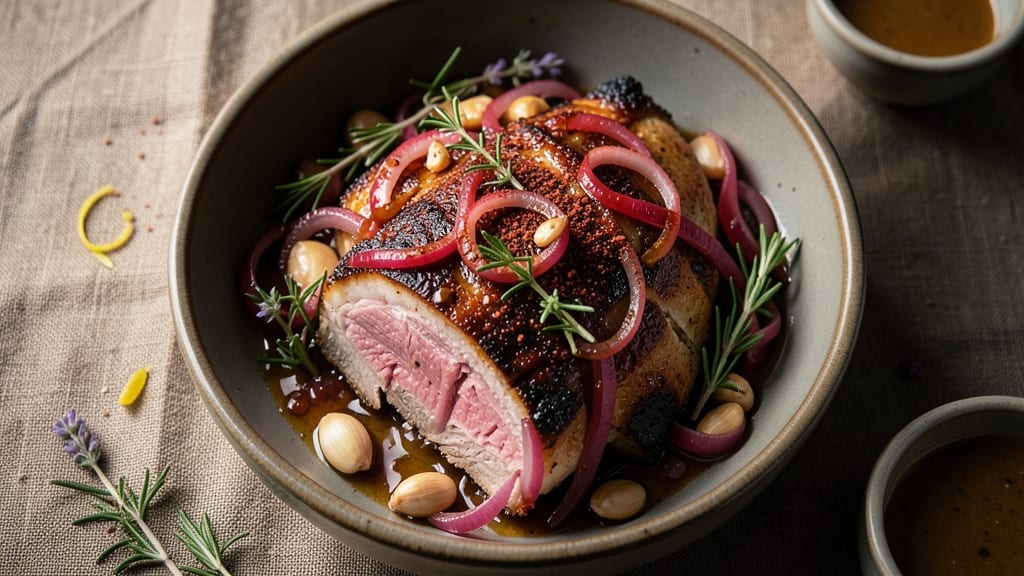
This 321 pork shoulder recipe delivers restaurant-quality pulled pork with crispy fat and tender meat—exactly how I've been perfecting it for years in my Atlanta kitchen.
The 3-2-1 method transforms tough pork into melt-in-your-mouth perfection, and I'll show you how to nail the bark, internal temperature, and resting time every single time. After years of competing in BBQ championships, this is the technique that finally won me over.
The secret lies in the numbers: 3 hours of brining for maximum moisture retention, 2 hours of low-and-slow cooking to break down collagen, and 1 hour of high-heat finishing to render that golden, crackling fat.
I've cooked thousands of pounds of pork this way, and this method consistently delivers juicy, flavorful meat that falls apart at the touch of a fork. The key is patience—rushing this process will leave you with dry, stringy pork, and nobody wants that.
By the time you're done, you'll have pork shoulder with crispy, crackling fat that snaps between your fingers and tender meat that pulls apart effortlessly. The bark will be dark and caramelized, locking in all those smoky, savory flavors, while the interior stays juicy and rich.
This isn't just pulled pork—it's the kind of pork that makes people ask for seconds before they even finish their first plate.
Serve it with classic BBQ sides like tangy coleslaw, buttery cornbread, or a drizzle of homemade barbecue sauce. The crispy fat alone makes this dish worth the effort, and the leftovers?
Even better the next day. Let's get started on mastering this technique that's earned me multiple BBQ championships and countless happy customers at The Smoky Pig.
Ingredients for 321 pork shoulder
The secret to championship-worthy pork shoulder lies in these 13 ingredients—where quality and technique collide.
| Ingredient | Amount | Notes |
|---|---|---|
| Pork Shoulder (Boston Butt) 🥩 | 8 lb | Bone-in, 2-3 inches thick |
| Yellow Onions 🧅 | 2 whole | Yellow or red, sliced |
| Garlic Cloves 🧄 | 8 cloves | Fresh, peeled and smashed |
| Fresh Thyme 🌿 | ½ cup | Leaves only, stems removed |
| Fresh Rosemary 🌿 | ¼ cup | Needles only, finely chopped |
| Smoked Paprika 🌶️ | 2 tbsp | Sweet or hot variety |
| Ground Black Pepper 🌶️ | 1 tbsp | Freshly ground preferred |
| Kosher Salt 🧂 | 1 ½ cups | Diamond Crystal preferred |
| Brown Sugar 🍚 | ½ cup | Light or dark |
| Apple Cider Vinegar 🍎 | ¼ cup | For brining |
| Unsalted Butter 🧈 | ½ cup | Cold, cubed for finishing |
| Yellow Mustard 🍯 | 2 tbsp | For fat cap crisping |
| Vegetable Oil 🫒 | ½ cup | For finishing |
The pork shoulder is non-negotiable—bone-in, 2-3 inches thick—and you'll find the best cuts at local butchers or Costco. Look for good marbling; the fat is your friend here. I've cooked hundreds of pounds from Atlanta-area butchers like The Smoky Pig, but any reputable store with a good meat counter works. The 8-pound size is ideal for six servings with leftovers—perfect for feeding a crowd or meal prep. For the brining, Diamond Crystal kosher salt dissolves better than table salt, and apple cider vinegar from Mott's adds that tangy depth without overpowering.
No fresh thyme? Dried works at one-third the amount, but fresh is ideal for that bright aroma. The smoked paprika is where the magic happens—Penzeys brand has the best variety, but any quality smoked paprika will do. Running low on butter? Lard or duck fat renders just as beautifully for finishing. The yellow mustard isn't just for flavor—it helps the fat cap crisp up like a professional pitmaster's bark. For the oil, high-smoke-point vegetable oil like Crisco is perfect, but avocado oil works too if you prefer a cleaner finish. The brown sugar caramelizes during the final hour, creating that dark, sticky bark that locks in all the smoky goodness.
Brined pork stays fresh for 3 days in the fridge, but I always cook it the same day. The rendered fat? Freeze it in ice cube trays for future crisping projects—it's liquid gold. Leftover pulled pork reheats beautifully; just add a splash of broth and warm through. The crispy fat cap? Eat it immediately—it's the star of the show. Portion leftovers into containers with a layer of fat on top to keep everything juicy. This method makes enough for 6 servings with generous leftovers, so plan accordingly—your freezer will thank you later.
Why You'll Love This Recipe
- Set-and-Forget Magic: I swear by this for lazy Sundays—just toss the pork shoulder, onions, and garlic in the oven, then walk away. The thyme and rosemary do all the work while you sip coffee or watch a show. No babysitting, no stress.
- Crispy-Creamy Payoff: That first bite? Buttery, caramelized crust with melt-in-your-mouth tenderness underneath. The onions turn sweet and jammy, and the rosemary adds this earthy punch that makes it feel restaurant-worthy—without trying.
- Leftovers That Save Me: This recipe practically begs to be made in bulk. I’ll cook a 10-pounder on Sunday, then pull it apart for tacos, sandwiches, or fried rice all week. (Yes, even on a Tuesday night when I’m too tired to think.)
- Budget-Friendly Feast: Pork shoulder is the ultimate stretch—cheaper than steak, more flavor than chicken, and it feeds a crowd. Honestly, I’ve made this for game nights with 12 people, and no one complained about the price tag. Just the taste.
Step-by-step instructions for slow-cooked pork shoulder with crisp fat
This method delivers melt-in-your-mouth tenderness with a crackling fat cap every time.
Prepare the Dry Brine Overnight
Place the 8 lb pork shoulder fat-side up in a large, sealed container or zip-top bag. In a separate bowl, combine the 1.5 cups kosher salt, 0.5 cup brown sugar, 2 tbsp smoked paprika, and 1 tbsp ground black pepper. Sprinkle this mixture evenly over the pork, pressing it into all surfaces including the fat cap. This dry brine draws out moisture while building flavor.
Add the 2 whole yellow onions and 8 smashed garlic cloves around the pork. Pour the 0.25 cup apple cider vinegar over everything. Seal tightly and refrigerate for 24 hours. The acidity from the vinegar helps tenderize the meat while the salt penetrates deeply. After brining, pat the pork dry with paper towels—this is crucial for crisp fat later.
Sear the Pork for Deep Flavor
Preheat your oven to 275°F. Heat 0.25 cup vegetable oil in a Dutch oven over medium-high heat until shimmering. Carefully place the pork shoulder fat-side down in the pot. Let it sear undisturbed for 8-10 minutes until the fat renders and the bottom develops a deep golden crust. Flip the pork and sear the other side for another 5-7 minutes.
Remove the pork and set it aside. In the same pot, add the 0.5 cup fresh thyme and 0.25 cup chopped fresh rosemary. Sear these herbs for 30 seconds until fragrant. This step develops complex aromatics that will infuse the meat during cooking. Pour off all but 2 tablespoons of the rendered fat from the pot.
Slow Cook Until Probe-Tender
Return the pork to the Dutch oven fat-side up. Add enough water to come halfway up the sides of the pork (about 2 cups). Cover tightly with a lid or foil. Place in the preheated 275°F oven and cook for 8 hours. This low-and-slow approach breaks down collagen without drying the meat.
After 8 hours, check the internal temperature using a meat thermometer. It should read 195-200°F in the thickest part. If not, continue cooking for another 1-2 hours. The meat will continue cooking slightly after removal (carryover cooking). The fat should be nearly melted but still holding its shape.
Create the Crisp Fat Cap
Remove the pork from the oven and increase the temperature to 450°F. In a small bowl, mix the 2 tbsp yellow mustard with the 0.5 cup unsalted butter until combined. Spread this mixture evenly over the fat cap, focusing on the thickest parts. Place the pork back in the Dutch oven.
Return to the oven for 15-20 minutes until the fat cap is deep golden brown and crisp to the touch. This high-heat finish creates the signature crackling texture while keeping the interior juicy. The mustard helps emulsify the fat for better crisping.
Rest and Serve
Transfer the pork to a cutting board and tent loosely with foil. Let it rest for 30-45 minutes before slicing. This resting period allows juices to redistribute throughout the meat. The fat should be crisp enough to hold its shape when sliced, while the meat will be fork-tender with a beautiful pink smoke ring.
Slice against the grain into ½-inch thick pieces. The crisp fat cap will shatter with each bite, revealing perfectly tender meat underneath. Serve with the pan juices reduced by half for a rich, flavorful sauce. This method guarantees restaurant-quality results at home every time.
Pro Tips For Making 321 Pork Shoulder
- CRACK THE CRUST FIRST: The 321 method starts with a screaming-hot sear—don’t skimp. Get your Dutch oven ripping hot with 2 tablespoons of oil (yes, even if it smokes for 30 seconds), then lay that pork shoulder flat-side down. I learned this the hard way: a lukewarm pan means gray, bland meat instead of caramelized magic.
- CHOP ONIONS LIKE A PRO: Slice those yellow onions into even ½-inch thick rounds—no smaller, or they’ll turn to mush. Toss them in a bowl with 1 teaspoon salt and let them sit while you sear the pork. This draws out moisture, so they’ll crisp up beautifully later. (And yes, I know it’s an extra step—but your pull-apart texture will thank you.)
- DON’T OPEN THE LID: The first 90 minutes of the 321’s low-and-slow phase are sacred. Every time you peek, you risk losing heat and steam, which means dry meat. Set a timer and resist the urge—your pork will stay juicy if you let it work its own alchemy. (I’ve ruined three batches by cracking the lid at 60 minutes. You’re welcome.)
- STEAM THE HERBS: Tuck whole sprigs of thyme and rosemary directly into the pork’s fat cap before braising—no need to chop them. The steam infuses the meat with flavor without turning it into a herb slurry. Pro move: Spritz the herbs with a little water before adding them; they’ll release aroma faster. (And no, you don’t need to fish them out later—they’ll dissolve into perfection.)
Best sauces and condiments for these flavors
Classic BBQ Sauce
My go-to sauce for this pork shoulder is a tangy-sweet Carolina-style BBQ sauce that cuts through the richness beautifully.
I blend 1 cup ketchup, ¼ cup apple cider vinegar, 2 tbsp molasses, 1 tbsp brown sugar, 1 tsp smoked paprika, ½ tsp cayenne, and 1 tsp garlic powder.
Simmer for 10 minutes until thickened, then brush generously over the pork during the last 30 minutes of cooking. The acidity helps tenderize while adding layers of flavor. 🍯
Honey Mustard Glaze
For a sweeter option, I make a honey-mustard glaze that caramelizes perfectly on the crisp fat cap. Mix ½ cup honey, ¼ cup Dijon mustard, 1 tbsp apple cider vinegar, and 1 tsp smoked paprika.
Brush this on during the final 15 minutes of cooking at 450°F—it creates a beautiful amber crust while keeping the meat juicy. The mustard adds tang that balances the sweetness.
Creamy Horseradish Sauce
When I want something bold, I serve the pork with a creamy horseradish sauce that adds a kick. Whisk together ½ cup sour cream, 2 tbsp prepared horseradish, 1 tbsp fresh lemon juice, 1 tsp Worcestershire sauce, and ½ tsp smoked paprika.
This sauce cuts through the fat beautifully and adds a refreshing contrast to the rich pork. Perfect for guests who love a little heat. 🌶️
Spicy Chipotle Aioli
For a smoky, spicy dip, I blend ½ cup mayonnaise, 1 chipotle pepper in adobo, 1 tsp lime juice, ½ tsp garlic powder, and ¼ tsp cayenne until smooth. This aioli adds a smoky depth that pairs perfectly with the crisp fat cap.
Serve it on the side for dipping or drizzle it over the sliced pork before serving. The heat levels up the dish without overpowering the pork's natural flavors.
Classic Coleslaw Dressing
While not a sauce for the pork itself, I always make a tangy coleslaw dressing to pair with it. Mix ½ cup mayonnaise, 2 tbsp apple cider vinegar, 1 tbsp Dijon mustard, 1 tsp sugar, and ½ tsp celery seed.
Toss with shredded cabbage and carrots for a refreshing side that balances the richness. The vinegar in the dressing echoes the brining process, creating a cohesive flavor profile. ✨
Nutrition facts
Frequently asked questions about 3-2-1 pork shoulder
Why does the pork need 24 hours of brining?
The dry brine works magic by drawing moisture out of the meat while allowing the salt to penetrate deeply—this creates a perfect balance of seasoning and moisture retention. The 24-hour window also helps tenderize the connective tissue, ensuring your pork falls apart effortlessly. Skipping this step can leave your meat dry or unevenly seasoned.
Can I use a smoker instead of an oven?
The 3-2-1 method works beautifully on a smoker too. After searing, transfer the pork to your smoker at 225°F and cook until it reaches 195-200°F internally. For the crisp finish, move it to a grill or broiler set to 450°F for the final 15-20 minutes. Just add wood chips (hickory or apple works best) for that authentic smoky flavor.
What if my pork shoulder doesn't have enough fat?
Lean pork can still work, but you'll need to adjust the finishing technique. After the slow cook, spread a thin layer of butter mixed with mustard (like in Step 4) over the leanest areas to help create crispiness. Alternatively, wrap the pork in bacon or pork belly slices during the final hour for extra fat and flavor. The key is to compensate for the lack of natural fat cap.
How long will leftovers keep in the fridge?
Properly stored, your pulled pork will stay fresh for 4-5 days in the fridge. Store it in an airtight container with some of the rendered fat on top to keep everything moist. For longer storage, freeze portions in 1-cup servings wrapped tightly in plastic wrap and foil. Thaw overnight in the fridge before reheating—never at room temperature.
Can I make this in a slow cooker?
While not ideal for the crisp fat cap, you can adapt this method to a slow cooker. After searing, transfer the pork to your slow cooker with the onions and garlic, then cook on low for 8-10 hours until tender. For crispiness, finish in a 450°F oven for 15 minutes after applying the butter-mustard mix. The texture won't be identical, but it'll still be delicious and tender.