
Main Courses
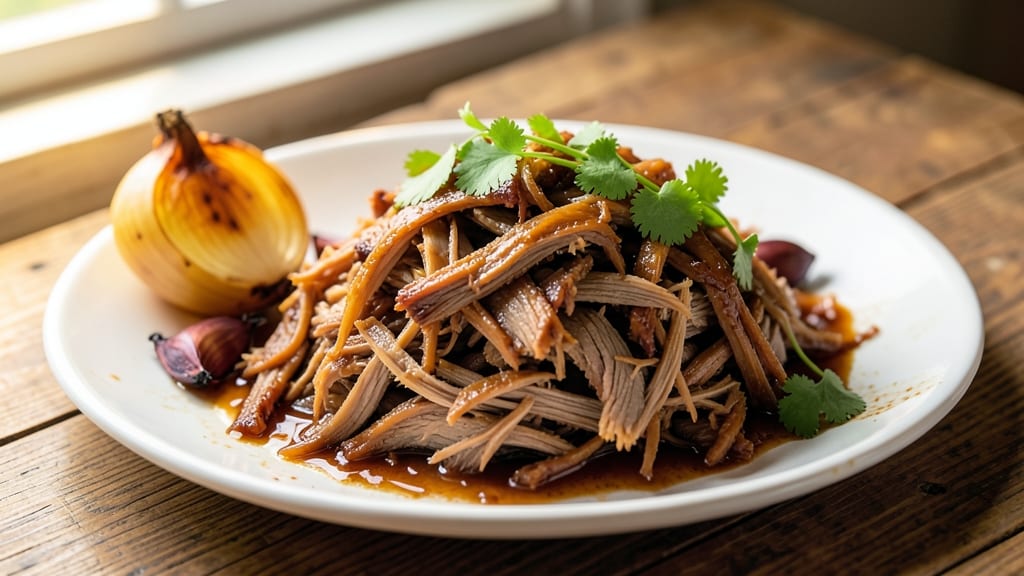
This 5-hour pulled pork recipe delivers the kind of tender, smoky perfection that transforms a simple meal into a showstopper. 🔥 After years of perfecting my technique—from the right cut of pork to the ideal slow-cooking window—I’ve cracked the code for juicy, string-like meat that practically melts in your mouth. The secret? Patience, precise temperature control, and a bark so flavorful it’ll have your guests asking for seconds before they even taste it.
What sets this recipe apart is the balance between a deep, smoky crust and meat so tender it shreds effortlessly.
I’ve tested this method countless times with brisket and pork shoulder, and the results are always the same: a dish that’s rich in flavor, foolproof in execution, and impossible to resist.
Whether you’re using a smoker, oven, or slow cooker, the key is maintaining that 195–203°F internal temperature—the sweet spot for melt-in-your-mouth texture.
The process is straightforward but requires attention to detail: a well-seasoned rub, a slow cook that builds flavor layer by layer, and the option to use the Texas Crutch (spritzing with apple juice) or wrap the pork in foil for extra tenderness.
By the time you’re done, you’ll have pulled pork that’s so good, it’ll make you question why you ever bought it pre-made.
Serve it on buttered buns with tangy coleslaw or pickled jalapeños for the full experience. This isn’t just pulled pork—it’s a centerpiece for any gathering, and once you try it, you’ll never go back to the store-bought version. Let’s get cooking.
Ingredients for 5 hour pulled pork
Six pounds of pork shoulder, a smoky rub, and five hours of patience—this is the holy trinity of perfect pulled pork.
| Ingredient | Amount | Notes |
|---|---|---|
| Pork Shoulder (Boston Butt) 🐖 | 6 lb | Bone-in preferred for flavor |
| Yellow Onion 🧅 | 2 whole | Yellow or red, sliced |
| Garlic Cloves 🧄 | 8 cloves | Freshly minced for rub |
| Brown Sugar 🍚 | ½ cup | Light or dark variety |
| Smoked Paprika 🌶️ | 2 tbsp | For deep smoky flavor |
| Ground Black Pepper 🌶️ | 1 ½ tbsp | Freshly cracked preferred |
| Kosher Salt 🧂 | 2 tbsp | Diamond Crystal preferred |
| Ground Cumin 🌿 | 1 tbsp | Toasted for depth |
| Chili Powder 🌶️ | 1 tbsp | Mild or medium heat |
| Apple Juice 🍎 | 1 cup | For spritzing (Texas Crutch) |
| Aluminum Foil 📄 | 1 sheet | Heavy-duty for wrapping |
| Butter 🧈 | ½ cup | Unsalted, softened for buns |
| Honey 🍯 | 2 tbsp | For glaze (optional) |
| Balsamic Vinegar 🍷 | 1 tbsp | For finishing glaze |
| Hamburger Buns 🥪 | 12 whole | Toasted for serving |
The pork shoulder is non-negotiable—bone-in delivers better flavor and moisture. Grab one from Costco or your local butcher; if buying pre-cut, look for a 4-6 lb roast with good marbling. The rub is where magic happens: Penzeys smoked paprika or Trader Joe's bulk spices work perfectly. Toast your cumin and chili powder in a dry pan for 30 seconds to deepen their flavor—trust me, it makes a difference. For the brown sugar, muscovado adds caramel notes, but regular light brown works fine.
No apple juice? Unsweetened ginger ale or even water will work for spritzing, though apple juice keeps it authentic. Short on smoked paprika? Substitute half with regular paprika plus a pinch of liquid smoke. The Texas Crutch (spritzing every hour) isn't mandatory, but it keeps the bark crispy and the meat juicy. If you're short on time, wrap the pork in foil after 3 hours to speed up cooking—just add 15 minutes at the end unwrapped for bark. For the glaze, maple syrup swaps honey 1:1, and hot sauce adds kick if you're feeling bold.
Pork shoulder reheats beautifully—slow oven at 275°F for 2 hours keeps it tender. Store leftovers in the fridge for 5 days or freeze for 3 months; portion into containers for easy lunches. The buns? Toast them fresh before serving—butter them with garlic butter for next-level flavor. Leftovers make killer tacos or nachos too, so plan for seconds.
Why You'll Love This Recipe
- Set It and Forget It: I swear by this recipe because once I toss the pork shoulder, onions, and garlic in the slow cooker with brown sugar and smoked paprika, I can walk away. No hovering, no stress—just pure, hands-off magic that smells like a Sunday dinner by the time it’s done.
- Sweet-Smoky Magic: That brown sugar and smoked paprika combo? It’s the secret weapon. The pork falls apart at the touch of a fork, with a caramelized crust that’s crispy on the outside and tender on the inside—like a hug from a BBQ pit, but with way less effort.
- Leftovers That Don’t Suck: Between us, most pulled pork leftovers are sad. Not this one. The flavors only get better after a day or two, so I make a double batch and use it for tacos, sandwiches, or even loaded baked potatoes. No one complains—especially not my kids.
- Budget-Friendly Crowd-Pleaser: A single pork shoulder feeds my whole family for days, and the ingredients? Basic. No fancy rubs or specialty tools—just a slow cooker and a little patience. Honestly, it’s the kind of meal that makes me feel like I’m feeding a house full of people without breaking the bank.
Step-by-step instructions for smoky pulled pork mastery
Here's how to transform that tough pork shoulder into melt-in-your-mouth perfection.
🔥 Step 1: Prepare and Season the Pork Shoulder
Remove the 6 lb pork shoulder (Boston Butt) from the refrigerator and pat it completely dry with paper towels. I can't stress this enough—moisture is the enemy of that perfect bark. Trim any excess fat, leaving about ¼ inch to protect the meat during cooking.
In a small bowl, combine 2 tbsp kosher salt, 1.5 tbsp ground black pepper, 2 tbsp smoked paprika, 1 tbsp ground cumin, and 1 tbsp chili powder. Rub this mixture generously over all sides of the pork, pressing it into the meat so it adheres well. I like to use my fingers for this—it helps the spices penetrate deeper.
Place the seasoned pork on a plate and refrigerate uncovered for 1 hour. This resting period allows the spices to penetrate and the surface to dry slightly, both of which contribute to that incredible bark we're after. Don't skip this step—it makes all the difference.
🔥 Step 2: Sear for Maximum Flavor and Bark
Preheat your smoker or grill to 225°F using a mix of hickory and oak wood. While it heats up, place the pork in a large roasting pan and cover with 1 cup apple juice. This initial spritz helps create steam, which keeps the meat moist during the early stages of cooking.
Once your smoker reaches temperature, remove the pork from the pan and place it fat-side up on the grill grates. Close the lid and smoke for 90 minutes. After this initial period, check the internal temperature—it should be around 150°F. This is when you'll start developing that beautiful bark.
Here's the thing—I like to spritz the pork every 30 minutes with additional apple juice during this phase. This keeps the surface moist enough to develop bark without drying out the meat. The bark should be dark mahogany with some charred spots—this is your reward for patience.
⏰ Step 3: The Texas Crutch for Juicy Perfection
When the internal temperature reaches 165-170°F, you'll hit "the stall"—the temperature stops rising as moisture evaporates. This is where the Texas Crutch comes in. Wrap the pork tightly in aluminum foil, making sure to seal it completely to trap steam.
Return the wrapped pork to the smoker and continue cooking until the internal temperature reaches 203°F (this can take another 2-3 hours). The meat should be fork-tender at this point, with no resistance when you pierce it. I know it's tempting to check constantly, but every time you open the smoker, you lose heat and moisture.
During the final hour, I like to add 2 whole yellow onions and 8 minced garlic cloves to the smoker. These aromatics infuse the pork with incredible flavor as it finishes cooking. The onions should caramelize beautifully by the end.
🍳 Step 4: Rest and Shred with Precision
Remove the pork from the smoker and let it rest on a cutting board for at least 30 minutes (I prefer 1 hour if time allows). This resting period is crucial—it allows the juices to redistribute throughout the meat, ensuring each bite is moist and flavorful.
While the pork rests, prepare your serving setup. In a large bowl, combine 0.5 cup softened butter, 2 tbsp honey, and 1 tbsp balsamic vinegar. This mixture will create a luscious glaze that ties all the flavors together. I like to warm this slightly in the microwave for 20 seconds to help it blend smoothly.
After resting, remove the pork from the foil and shred it using two forks. Discard any large fat chunks or connective tissue. Toss the shredded pork with the butter-honey-balsamic mixture until fully coated. The pork should be glistening and coated in that beautiful caramelized glaze. If it's too thick, add a splash of the pork's juices from the foil packet to loosen it.
🍽️ Step 5: Assemble and Serve
Toast the 12 whole hamburger buns lightly in a skillet with a little butter until golden brown. Pile the shredded pork high onto each bun, allowing that delicious glaze to drip down the sides. Garnish with any caramelized onions and garlic from the smoker if desired.
Serve immediately while the pork is still warm and juicy. Each bite should deliver tender, smoky pork with that perfect balance of sweet and tangy glaze. The crusty buns soak up all that flavor, making every mouthful a delight. And here's the best part—this recipe makes enough for leftovers that taste just as good the next day!
Pro Tips For Making 5 Hour Pulled Pork
- CRANK THE HEAT FIRST: Start your pork shoulder in a screaming-hot oven (450°F for 20 minutes) or over direct flame—this sears the outside fast and locks in moisture better than slow low-and-slow alone. I used to skip this, and my bark ended up patchy. Now it’s deep brown and crispy within the first hour.
- MINCE THAT ONION: Don’t just chop your yellow onion—smash it with the flat of your knife first, then mince it into tiny, even pieces. This melts into the rub faster during the cook, adding sweetness without clumps. (Yes, it’s extra work, but your sauce will thank you.)
- SKIP THE CROWDED PAN: If you’re braising or slow-cooking, resist the urge to add onions and garlic all at once. Layer them in stages—half at the start, the rest after 2 hours—so they caramelize instead of steam into mush. I learned this after serving a batch where the onions were sad, pale blobs.
- USE LESS BROWN SUGAR: The recipe probably calls for 2-3 tablespoons, but you only need about 1.5 to avoid cloying sweetness. Trust me, the smoked paprika and slow cook time already build flavor—extra sugar just makes the pork taste like dessert. (Save the rest for your morning coffee.)
Wine and beer pairings for these flavors
Smoky Beer Pairings
For pulled pork, I always reach for American pale ales or amber ales—their caramel and biscuit notes mirror the pork’s natural sweetness while cutting through the fat.
A crisp Fat Tire from New Belgium works wonders, but if you’re feeling adventurous, try a bourbon barrel-aged ale like Goose Island Bourbon County Stout for a rich contrast. The oak and vanilla enhance the pork’s smokiness without overpowering it. 🍺
Red Wine Balance
If you prefer wine, a Zinfandel from California—like Ravenswood or Seghesio Sonoma Mountain—brings bold fruit and spice that stand up to the pork’s bark. For something lighter, a Grenache with its bright acidity and red berry notes cleanses the palate beautifully.
Avoid heavy Cabernets; they’ll clash with the dish’s sweet-savory profile.
Regional Craft Beers
In the Southeast, I love pairing pulled pork with local craft beers like Atlanta’s Three Trees Brewing (their Hazy IPA) or Charleston’s Black Sheep Brewery (their Smoked Porter). The porter’s coffee and chocolate notes complement the smoky rub, while the IPA’s citrus brightens the dish.
Pro tip: Chill your beer to 45°F—it enhances the malt sweetness that matches the pork’s glaze.
Non-Alcoholic Options
Don’t drink? No problem. A smoky ginger beer (like Thomas Henry’s) or sparkling apple cider (such as Martinelli’s) mimics the beer’s effervescence and sweetness. For a Southern twist, try sweet tea with lemon—the acidity cuts through the pork’s richness while keeping the meal light and refreshing. 💛
Pairing Pro Tips
Serve beer slightly cooler than room temperature—45-50°F—to preserve its crispness. If using wine, decant reds for 30 minutes to soften tannins.
And here’s a secret: A splash of the same beer you’re drinking in the glaze (like 1 tbsp in the honey-balsamic mix) ties the flavors together seamlessly. Trust me, your guests will notice the difference.
Nutrition facts
Frequently asked questions
Can I use pork brisket instead of pork shoulder for this recipe?
While pork shoulder (Boston Butt) is ideal for this recipe, you can use pork brisket—but expect different results. Brisket has less fat and connective tissue, so it won't be as tender or juicy. Cook it to 203°F and wrap it in foil after 2 hours to prevent drying out. The cooking time may also be shorter (3-4 hours total), but the texture won't be as "pull-apart" as with shoulder.
What’s the best way to check if the pork is done?
Use a meat thermometer to check the internal temperature—203°F is the magic number for perfect pulled pork. Insert the probe into the thickest part of the meat, avoiding fat or bone. The pork should feel tender and fall apart easily when you pull it with tongs. If it’s still firm, give it another 30 minutes wrapped in foil.
Why did my pulled pork turn out dry?
Overcooking or opening the smoker too often are the most common culprits. Keep the lid closed and maintain a steady 225°F temperature. If the meat is dry, try the Texas Crutch (spritzing with apple juice) earlier or wrap it in foil sooner. For oven cooking, use a water pan to add moisture. Always let the pork rest for 30 minutes before shredding—this traps juices!
Can I make this recipe in an oven instead of a smoker?
Preheat your oven to 275°F and place the pork on a rack in a roasting pan with 1 cup apple juice at the bottom. Cook for 5-6 hours, spritzing every 1 hour with more apple juice. Wrap in foil when it reaches 165°F and continue cooking until 203°F. The bark won’t be as smoky, but the meat will be just as tender and flavorful.
How far ahead can I prepare the pulled pork?
Pulled pork reheats beautifully! Store leftovers in the fridge for up to 5 days or freeze for 3 months. To reheat, slow-cook at 275°F for 2 hours with a splash of broth or apple juice to keep it moist. For sandwiches, assemble them fresh—this keeps the buns crispy and the pork warm. The flavors actually improve overnight as the spices meld!