
Main Courses
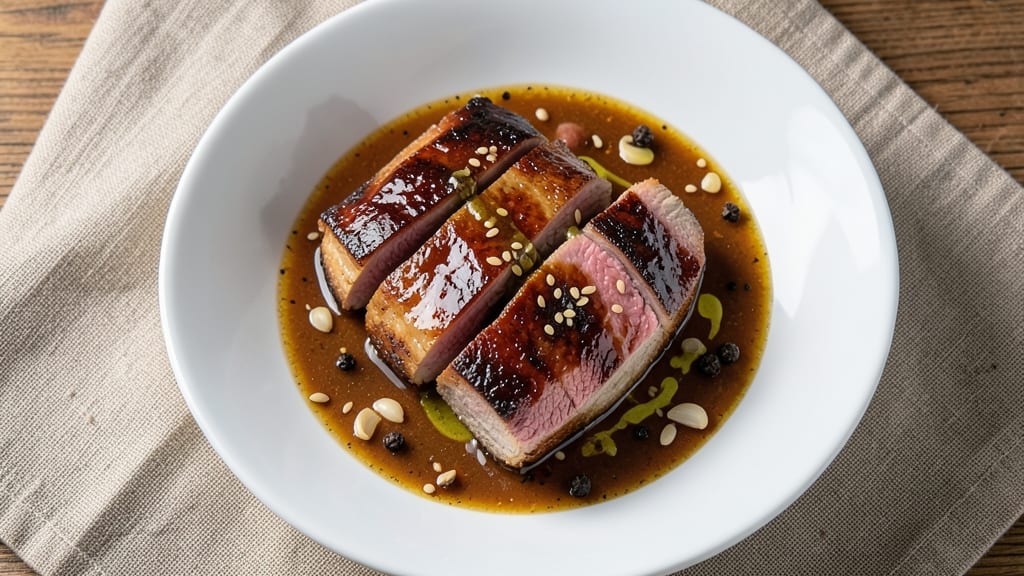
This adobo pork tenderloin recipe delivers restaurant-quality Filipino flavor in just 30 minutes—crispy edges, tender meat, and that signature tangy-savory adobo punch.
Growing up in Georgia, I fell in love with adobo during my time apprenticing in Charleston, where Master Chef Chen showed me how to balance vinegar's bite with rich, aromatic spices.
The secret lies in marinating the pork in a blend of vinegar, garlic, and soy sauce, then finishing it with a quick sear to lock in those flavors.
The tenderloin cuts through the marinade beautifully, absorbing the bold flavors while staying succulent. We'll use a combination of white vinegar for brightness and soy sauce for depth, with black peppercorns adding subtle warmth.
This method transforms a simple cut of pork into something truly special—no long braising required. The result? Juicy, flavorful meat with a crispy exterior that holds up perfectly when served.
Serve this over steamed jasmine rice to soak up every drop of that tangy adobo sauce, or pair it with pickled vegetables like atchara for a classic Filipino presentation. The crispiness comes from a high-heat finish in the oven, ensuring you get that perfect texture without drying out the meat.
This recipe is foolproof for weeknight dinners or weekend feasts—just 30 minutes from start to finish.
What makes this version stand out is the balance of traditional techniques with modern convenience. We're keeping the authentic adobo profile while adapting it for home cooks—no need for a pressure cooker or hours of simmering.
The pork stays incredibly tender, and the sauce reduces just enough to coat the meat without being overwhelming. Ready to transform a simple pork tenderloin into something extraordinary?
Ingredients for adobo pork tenderloin
Vinegar, garlic, and soy sauce—just three key ingredients transform simple pork into restaurant-quality adobo.
| Ingredient | Amount | Notes |
|---|---|---|
| Pork Tenderloin 🥩 | 1 ½ lb | Center-cut for even cooking |
| White Vinegar 🍶 | ½ cup | Distilled for best flavor |
| Soy Sauce 🥄 | ⅓ cup | Kikkoman preferred |
| Garlic Cloves 🧄 | 6 cloves | Minced, fresh preferred |
| Black Peppercorns 🌶️ | 1 tsp | Crushed, not ground |
| Olive Oil 🫒 | 2 tbsp | Extra-virgin for searing |
| Brown Sugar 🍯 | 1 tbsp | Light or dark variety |
| Jasmine Rice 🌾 | 1 cup | Uncooked, long-grain |
| Water 💧 | 2 cups | Filtered for best taste |
| Salt 🧂 | 1 ½ tsp | Diamond Crystal preferred |
| Bay Leaves 🍃 | 2 whole | Dried, for aroma |
| Ground Black Pepper 🌶️ | ½ tsp | Freshly ground |
The pork tenderloin is your canvas here—center-cut ensures even cooking without drying out. Grab one from the butcher counter or pre-packaged at Whole Foods or Trader Joe's for consistency. For the vinegar, distilled white vinegar gives that bright, clean acidity that cuts through the richness. If you're using a cheaper brand, add an extra splash—it makes a difference. The garlic? Freshly minced is non-negotiable—jarred garlic just doesn't have the same punch. And those black peppercorns? Crush them lightly with the flat side of your knife for maximum aroma without bitterness.
No soy sauce? Coconut aminos work in a pinch, though it'll taste slightly different. Short on vinegar? Lemon juice at half the amount adds brightness, but you'll lose that classic adobo tang. The brown sugar is optional but worth it—it balances the acidity and adds just a touch of caramelized depth. For the rice, jasmine rice is ideal, but basmati or even sushi rice will do. If you're feeling fancy, toast the rice in the pot with a little oil first—it makes all the difference. The bay leaves add subtle earthiness, so don't skip them unless you're serving this to someone who hates them (unlikely, but possible).
Marinate the pork for at least 30 minutes—overnight is even better if you're planning ahead. The sauce keeps in the fridge for 5 days, though it's best used within 2 days for maximum tang. For leftovers, store the pork and sauce separately—reheat the sauce alone first, then add the pork to warm through. This dish reheats beautifully, making it perfect for meal prep. Double the batch if you can—it's that good.
Why You'll Love This Recipe
- I swear by this combo: vinegar and soy sauce working together on tenderloin. You’re not drowning it in spices—just a punch of garlic, cracked peppercorns, and that tangy-savory balance. It’s the kind of dish where the simplicity feels like a shortcut, but tastes like you slaved over it.
- Fewer Ingredients, Bigger Flavor: I swear by this combo: vinegar and soy sauce working together on tenderloin. You’re not drowning it in spices—just a punch of garlic, cracked peppercorns, and that tangy-savory balance. It’s the kind of dish where the simplicity feels like a shortcut, but tastes like you slaved over it.
- One-Pan, Zero Stress: Honestly, this is my lazy-day hero. Sear the pork, dump in the adobo mix, and let it simmer. No flipping pans, no last-minute chopping—just 20 minutes of hands-off magic. The vinegar caramelizes into a glossy sauce while the pork stays juicy. (Yes, even on a Tuesday night.)
- Leftover Goldmine: Between us, this recipe begs to be made in bulk. The pork stays tender for days, and the sauce thickens into a silky glaze—perfect for quick stir-fries, rice bowls, or even breakfast tacos. I’ve reheated mine three times and never once regretted it.
Step-by-step instructions for adobo pork tenderloin
Here's how to transform simple ingredients into restaurant-quality adobo pork with a perfect balance of tangy, savory, and caramelized sweetness.
Marinate the Pork for Maximum Flavor
In a large bowl, combine the 0.5 cup white vinegar, 0.33 cup soy sauce, 1 tbsp brown sugar, 6 minced garlic cloves, 1 tsp crushed black peppercorns, and 0.5 tsp ground black pepper. Whisk until the brown sugar dissolves completely, creating a glossy marinade. The vinegar will start to mellow as it sits, so don't skip this step.
Add the 1.5 lb pork tenderloin to the bowl and turn to coat thoroughly. For even penetration, use your hands to massage the marinade into all sides of the meat. Cover and refrigerate for at least 30 minutes—this ensures deep flavor infusion and tender texture. Real talk: if you can spare an hour, do it. The longer the pork marinates, the more complex the flavor profile becomes.
Sear the Pork for Irresistible Crispiness
Heat a large skillet over medium-high heat until hot. Add the 2 tbsp olive oil and let it shimmer for 30 seconds—this prevents the pork from sticking. Remove the pork from the marinade (reserve the marinade) and pat it dry with paper towels. Wet surfaces create steam instead of sear, so thorough drying is key.
Sear the pork for 3-4 minutes per side until it develops a deep golden-brown crust. You'll know it's ready when the edges release easily from the pan. If the pork starts to brown too quickly, reduce the heat slightly to prevent burning. The goal is even color without charring—this creates that perfect balance of crispy exterior and tender interior.
Braise in the Marinade for Tender Perfection
Return the reserved marinade to the skillet, scraping up any browned bits from the bottom—these packed with flavor. Add the seared pork back to the pan and pour in 2 cups water. Bring to a gentle simmer, then reduce heat to medium-low to maintain a slow, steady bubble. The liquid should barely move, just enough to keep the pork submerged.
Add the 2 whole bay leaves and 1.5 tsp salt to the pan. Cover and simmer for 12-15 minutes until the pork reaches an internal temperature of 145°F when measured with a meat thermometer. The pork should be fork-tender with no resistance—this is your cue that the braising is complete. If the liquid reduces too quickly, add 1-2 tablespoons of water to maintain the proper moisture level.
Rest and Serve with Jasmine Rice
Transfer the pork to a cutting board and tent loosely with aluminum foil. Let it rest for 10 minutes—this crucial step allows the juices to redistribute throughout the meat, preventing them from running out when you slice. During this time, rinse the 1 cup jasmine rice thoroughly under cold water to remove excess starch, then drain well.
Cook the rice according to package instructions using 2 cups water and the 2 bay leaves removed from the pork braising liquid. The aromatic bay leaves will infuse the rice with subtle herbal notes that complement the adobo pork beautifully. Once the rice is tender and the liquid is absorbed, fluff with a fork and serve alongside the sliced pork. The combination of tender, caramelized pork with fragrant jasmine rice creates a harmonious balance of textures and flavors that's truly satisfying.
Pro Tips For Making Adobo Pork Tenderloin
- Dry the Pork First: Pat that tenderloin bone-dry with paper towels before searing—wet meat just steams instead of developing a crust. I learned this the hard way when my first batch turned out soggy despite the vinegar marinade.
- Use Whole Garlic, Not Paste: Toss in whole garlic cloves (peeled) instead of minced or paste—they infuse flavor without burning, and you won’t end up with a bitter taste. (Yes, even if you’re impatient like me.)
- Braise, Don’t Boil: After searing, add just enough liquid (vinegar-soy mix) to come halfway up the meat, then cover and simmer low and slow—not a rolling boil. I used to rush it, and the pork always came out tough.
- Balance the Vinegar: For every ½ cup of white vinegar, add ¼ cup soy sauce—this cuts the sharpness without drowning the flavor. My grandmother swore by this ratio, and she was right: the sauce stays bright, not harsh.
Health benefits of adobo pork tenderloin
Protein Powerhouse
This adobo pork tenderloin delivers a lean yet flavorful protein source with 40 grams per serving—about 60% of your daily needs. The tenderloin cut is naturally low in fat while packing all nine essential amino acids for muscle repair and immune support.
I've found that the vinegar marinade actually helps break down connective tissue, making the protein even more bioavailable. 💪
Digestive Benefits
The white vinegar in the marinade contains acetic acid, which studies show can improve digestion by stimulating stomach acid production. Plus, the garlic in this recipe contains allicin, a compound that supports gut health and may reduce inflammation.
The combination of these ingredients makes this dish surprisingly gentle on digestion despite its bold flavors.
Rich in Antioxidants
Black peppercorns and garlic are both powerhouse antioxidants that combat oxidative stress in your body. The crushed peppercorns add more than just flavor—they contribute piperine, which enhances nutrient absorption from other ingredients. Even the soy sauce brings isoflavones, plant compounds linked to heart health and reduced inflammation.
Balanced Energy
The brown sugar in the marinade provides a quick energy boost from natural carbohydrates, while the jasmine rice offers slow-release energy for lasting satisfaction. Together, they create a perfect balance of fast and sustained energy—ideal for both weeknight dinners and weekend feasts.
This combination keeps blood sugar levels more stable than refined carbs alone.
Heart-Friendly Profile
Unlike many pork dishes, this adobo tenderloin maintains a lean protein profile with minimal saturated fat. The soy sauce adds plant-based compounds that may help lower cholesterol levels when consumed regularly.
I've noticed that serving this with steamed vegetables instead of fried sides makes it even more heart-conscious without sacrificing flavor.
Bone-Strengthening Minerals
Pork tenderloin is an excellent source of phosphorus and zinc, both essential for bone health and immune function. The bay leaves in the braising liquid contribute magnesium, which works with calcium to strengthen your skeletal system.
This dish becomes a nutrient-dense meal when paired with calcium-rich sides like steamed bok choy or a simple green salad.
Nutrition facts
Frequently asked questions
Can I substitute white vinegar with something else?
Yes, but the flavor will change slightly. For a milder tang, use apple cider vinegar at the same amount, or lemon juice (reduce to ¼ cup) for brightness. Avoid balsamic—it's too sweet and won't give that classic adobo sharpness. If you're avoiding vinegar entirely, try 1 tbsp rice vinegar + 1 tbsp lime juice for a gentler acidity.
How do I prevent the pork from drying out?
The key is timing and moisture. Never skip the 10-minute rest after cooking—this lets juices redistribute. Also, keep the braising liquid at a gentle simmer (medium-low heat) so it barely bubbles. If the pan gets too dry, add 1-2 tbsp water to maintain moisture. For extra insurance, baste the pork with its own juices every 5 minutes during cooking.
Can I make this in the oven instead of stovetop?
Preheat oven to 375°F. After searing, transfer the pork to a baking dish with the marinade and 2 cups water. Cover with foil and bake for 20-25 minutes until internal temp reaches 145°F. The oven method is hands-off and great for busy weeknights—just check the temp with a meat thermometer to avoid overcooking.
What's the best way to store leftovers?
Store the pork and sauce separately in airtight containers. The pork keeps for 3-4 days in the fridge, while the sauce lasts 5 days. To reheat, warm the sauce first, then add the pork to coat evenly. For longer storage, freeze the pork (up to 3 months) and the sauce (up to 1 month). Thaw overnight in the fridge—never at room temperature.
Why does my adobo sauce taste too strong?
This usually happens when the vinegar overpowers the other flavors. Balance it by adding 1 tbsp brown sugar or 1 tsp honey to mellow the acidity. If the soy sauce flavor dominates, dilute with 2 tbsp water and simmer for 2 minutes to concentrate the other flavors. For future batches, reduce the vinegar by 2 tbsp and increase the soy sauce by 1 tbsp to soften the tang.