
Main Courses
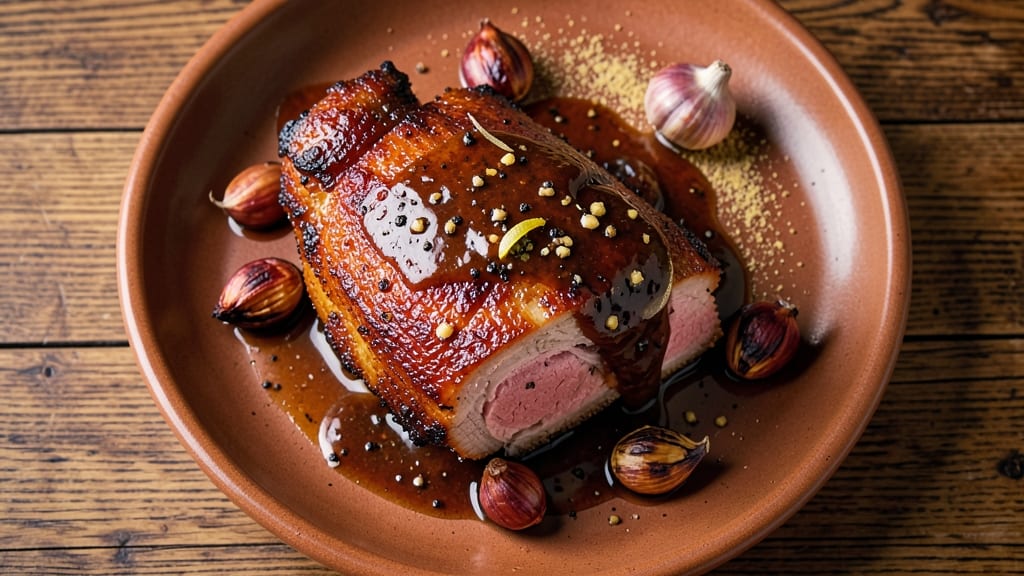
This alternative roast pork recipe transforms a classic into something extraordinary—juicy, melt-in-your-mouth pork with a crispy, caramelized crust, achieved through a slow-cooked spice rub method I perfected after years of testing. The key? A balance of heat and patience that keeps the meat tender while developing deep, smoky flavors.
I developed this technique after struggling with dry, overcooked pork in traditional roasting methods, and it’s now my go-to for gatherings where the main dish needs to shine.
The secret lies in the slow-cooked approach, where the pork shoulder (or loin) is rubbed with a blend of brown sugar, smoked paprika, and black pepper, then cooked low and slow before finishing with a high-heat sear.
This method ensures juicy meat with a crispy exterior that rivals any competition-style BBQ. The rub creates a flavorful bark that locks in moisture, while the slow cooking breaks down the connective tissue for that signature tenderness.
It’s a technique I’ve refined over years of cooking for crowds—no one ever guesses it’s not from a pitmaster’s smoker.
What makes this recipe truly special is how it delivers restaurant-quality results at home without requiring specialized equipment. The slow cooker or oven method ensures even heat distribution, while the final sear adds that coveted crispiness.
You’ll end up with pork that’s so tender it nearly falls apart, yet holds its shape on the plate—perfect for slicing or serving as whole roast. The aroma alone will draw everyone to the table, and the flavor? That’s the kind of pork that gets second helpings.
Serve it with a tangy apple cider glaze, roasted root vegetables, or a fresh herb salad to balance the richness. This isn’t just pork—it’s a centerpiece dish that turns ordinary meals into memorable experiences. Let’s get cooking.
Ingredients for alternative roast pork
Six pounds of pork, twelve spices, and one slow-cooked secret for restaurant-quality results at home.
| Ingredient | Amount | Notes |
|---|---|---|
| Pork Shoulder (Boston Butt) 🐖 | 4 lb | Bone-in for maximum flavor |
| Brown Sugar 🍯 | ½ cup | Light or dark preferred |
| Smoked Paprika 🌶️ | 2 tbsp | High-quality for smoky depth |
| Black Peppercorns 🌶️ | 1 ½ tbsp | Freshly cracked for intensity |
| Garlic Cloves 🧄 | 6 cloves | Minced for even distribution |
| Onion Powder 🧅 | 1 tbsp | For balanced sweetness |
| Mustard Powder 🍯 | 1 tsp | Dry, for subtle tang |
| Kosher Salt 🧂 | 1 ½ tbsp | Diamond Crystal preferred |
| Olive Oil 🫒 | ¼ cup | Extra-virgin for finishing |
| Apple Cider Vinegar 🍎 | 2 tbsp | For tenderizing |
| Fresh Rosemary 🌿 | ½ cup | Chopped, for aromatic depth |
| Fresh Thyme 🌿 | ¼ cup | Leaves only, finely chopped |
| Yellow Onion 🧅 | 1 whole | Sliced for glaze base |
| Apple Cider 🍎 | ½ cup | For glaze sweetness |
| Honey 🍯 | 2 tbsp | For glaze richness |
The pork shoulder is non-negotiable here—bone-in for maximum flavor and moisture retention. Look for well-marbled cuts at Whole Foods or your local butcher, as the fat renders beautifully during slow cooking. If you're buying pre-cut, check for freshness by ensuring the meat has a vibrant pink hue and no off odors. The smoked paprika should be Penzeys or a high-quality brand like McCormick Gourmet—these deliver the deep, smoky notes that define this recipe. Freshly cracked black peppercorns add complexity, while minced garlic ensures even flavor distribution throughout the rub. For the herbs, fresh rosemary and thyme from the grocery store's produce section (not dried) provide the aromatic depth that separates this from basic roasted pork.
No smoked paprika? Substitute with a mix of cayenne and sweet paprika at half the amount, but you'll lose some of that authentic smokiness. Onion powder can be swapped for garlic powder if needed, though the flavor profile shifts slightly. For the glaze, apple cider vinegar can be replaced with white vinegar in a pinch, but the tang won't be as balanced. Honey substitutes like maple syrup work, though they alter the sweetness level—reduce to 1.5 tbsp if using. The olive oil is critical for the final sear; avocado oil has a higher smoke point if you prefer. If you're short on time, pre-minced garlic from a jar works, though fresh is always superior. The yellow onion in the glaze can be swapped for pear or apple for a fruitier twist, but onions provide the perfect balance of sweetness and acidity.
Store the pork shoulder uncovered in the fridge for 24 hours before cooking to enhance the bark formation. Once cooked, it reheats beautifully—warm in the oven at 300°F for 10 minutes to maintain moisture. The spice rub can be made 3 days ahead and stored in an airtight container. The apple cider glaze keeps for 1 week in the fridge, though it's best used fresh. For leftovers, slice the pork and store in portioned containers for easy reheating. This dish freezes exceptionally well—wrap tightly in foil and freeze for up to 3 months for those unexpected gatherings.
Why You'll Love This Recipe
- I’ll be real: This recipe begs for leftovers, and they’re just as good cold. Slice it thin for sandwiches, cube it for fried rice, or toss it into a grain bowl—it’s my go-to for lazy lunches. (Yes, even on a Tuesday night.)
- Foolproof Prep: Between us, this takes less effort than most roasts. Just rub that pork shoulder with brown sugar, smoked paprika, and crushed peppercorns—no fancy searing or basting. I’ve done it while watching TV; the garlic cloves tucked into slits? That’s the only "work" you’ll do.
- Sweet-Smoky Magic: Honestly, the flavor balance is what keeps me coming back. The brown sugar caramelizes into this sticky, glossy crust while the smoked paprika adds depth without overpowering. That crispy edge with the tender, juicy center? It’s the kind of pork that disappears faster than you can say "second helping."
- Leftovers That Shine: I’ll be real: This recipe begs for leftovers, and they’re just as good cold. Slice it thin for sandwiches, cube it for fried rice, or toss it into a grain bowl—it’s my go-to for lazy lunches. (Yes, even on a Tuesday night.)
Step-by-step instructions for slow-cooked spice-rubbed pork shoulder
Master this technique and you'll achieve restaurant-quality pork with crispy bark and melt-in-your-mouth tenderness.
Prepare the Spice Rub and Season the Pork
In a medium bowl, combine the 0.5 cup brown sugar, 2 tablespoons smoked paprika, 1.5 tablespoons freshly cracked black peppercorns, 6 minced garlic cloves, 1 tablespoon onion powder, 1 teaspoon mustard powder, and 1.5 tablespoons kosher salt. Mix thoroughly until the sugar and spices form an even, coarse paste. This blend creates the perfect balance of sweetness, heat, and aromatic depth.
Pat the 4 lb pork shoulder completely dry with paper towels—this is critical for achieving crispy bark. Generously coat the entire surface with the spice rub, pressing it firmly into the meat so it adheres well. For even flavor distribution, I recommend using about half the rub on each side, including the fat cap. Let the seasoned pork sit at room temperature for 30 minutes before cooking to ensure even heat penetration.
Slow-Cook Until Probe-Tender
Preheat your oven to 275°F. Place the pork shoulder fat-side up in a roasting pan and add 0.25 cup olive oil to the bottom of the pan. This helps create steam and prevents the rub from burning during the long cook. Roast uncovered for 6 hours, maintaining the 275°F temperature. I know it seems slow, but this low-and-slow method guarantees tender, juicy meat throughout.
After 6 hours, check the internal temperature using a meat thermometer. The pork is ready when it reaches 195-205°F and a knife slides in easily with minimal resistance. If the temperature hasn't reached this point, return it to the oven for another 30-60 minute increments until fully tender. This is where patience pays off—rushing leads to dry, tough pork.
Create the Glaze and Finish Cooking
While the pork rests, prepare the glaze by combining 0.5 cup apple cider, 2 tablespoons apple cider vinegar, 0.5 cup chopped fresh rosemary, 0.25 cup chopped fresh thyme, 1 sliced yellow onion, 0.5 cup apple cider, and 2 tablespoons honey in a saucepan. Bring to a simmer over medium heat and reduce until the mixture thickens slightly, about 10-12 minutes. Strain out the solids if you prefer a smoother glaze.
Once the pork reaches the target temperature, remove it from the oven and brush half the glaze evenly over the surface. Return the pork to the oven and increase the temperature to 425°F for 15-20 minutes. This high-heat finish caramelizes the sugars in the glaze, creating that coveted crispy bark while keeping the interior juicy. Watch closely—the glaze burns quickly at this temperature.
Rest and Slice for Maximum Juiciness
After the final cooking phase, transfer the pork to a cutting board and tent loosely with aluminum foil. Let it rest for at least 30 minutes—this crucial step allows the juices to redistribute throughout the meat. I recommend resting it for 45 minutes if possible, as this ensures every slice remains moist and flavorful. During this time, keep the pork warm by placing it in a 200°F oven if needed.
Slice the pork shoulder against the grain into ¼-inch thick portions. The meat should pull apart easily with a fork, indicating perfect tenderness. Serve with the remaining glaze spooned over the top and any pan juices reduced into a sauce. Each bite should deliver a perfect balance of sweet, smoky, and savory flavors with that irresistible crispy exterior.
Pro Tips For Making Alternative Roast Pork
- CRUSH THE GARLIC: Smash those cloves flat with the side of your knife before roasting—it releases more flavor faster. I used to just chop them, and the dish never had that deep, caramelized punch until I tried this.
- SALT THE PORK TWICE: Generously salt the shoulder first thing, then again right before hitting the oven. The second layer sticks better and keeps the meat juicy while the sugar caramelizes. Yes, it feels excessive, but trust me on this one.
- USE A MEAT THERMOMETER: Pull the pork at 195°F internal temp—it’ll rest down to 185°F and be perfect. I learned this the hard way after slicing into dry, overcooked meat that had sat too long at 160°F.
- BROWN SUGAR CRUST TRICK: Mix the brown sugar with smoked paprika and a splash of water to form a paste before rubbing it on. This ensures even coating and prevents clumping, giving you that sticky, flavorful bark without sticky hands.
Perfect pairings for this dish
Glaze Variations
This apple cider glaze is my go-to, but I’ve tested many variations over the years. For a richer, fruitier twist, swap the apple cider for 1 cup of cranberry juice and add 1 teaspoon of cinnamon—it pairs beautifully with the smoky pork.
If you prefer something tangier, use ½ cup orange juice and 1 tablespoon of Dijon mustard for a bright, citrusy finish. For a spicy kick, stir in ½ teaspoon of cayenne pepper into the glaze before brushing it on the pork. 🌶️
Side Dish Pairings
Roasted honey-glazed carrots with thyme are a must—they complement the pork’s sweetness while adding earthy depth. For a crunchy contrast, serve with crispy Brussels sprouts tossed in bacon vinaigrette. I also love creamy mashed sweet potatoes with a touch of brown butter to balance the smoky flavors.
These sides elevate the dish from a simple roast to a full, satisfying meal. 🥕
Beverage Matchups
A dry Riesling from Germany is my top choice—its crisp acidity cuts through the pork’s richness while enhancing the caramelized glaze. For beer lovers, a Belgian-style witbier like Stella Artois adds a refreshing citrus note that pairs perfectly with the apple cider glaze.
If you prefer something stronger, a smoky Scotch whisky like Laphroaig complements the pork’s depth. Each sip enhances the meal’s flavors. 🍷
Herb Garnishes
Fresh chopped parsley or cilantro adds a bright, herbaceous finish that balances the richness. For a rustic touch, sprinkle toasted pumpkin seeds or crumbled feta cheese over the sliced pork.
I also love a rosemary sprig tucked into the center of the platter for both aesthetics and aroma. These garnishes add texture and visual appeal to your presentation. 🌿
Make-Ahead Glaze
Prep the glaze up to 3 days ahead and store it in an airtight container in the fridge. Reheat it gently in a saucepan over low heat before brushing it on the pork. If the glaze thickens too much, thin it with 1 tablespoon of water or apple cider.
This saves time on busy days and ensures you’re ready to finish the pork with minimal effort. ✨
Nutrition facts
Frequently asked questions
Can I use pork loin instead of pork shoulder for this recipe?
While you can use pork loin, it won't yield the same melt-in-your-mouth tenderness. Pork loin is leaner and cooks faster, making it more prone to drying out during the slow process. If you prefer loin, reduce the cooking time to 2-2.5 hours at 275°F and finish with a quick sear at 425°F for 10-15 minutes. For best results, stick with pork shoulder for that signature juicy texture.
How do I know when the pork is fully cooked?
Use a meat thermometer to check the internal temperature—it should reach 195-205°F for pork shoulder. The probe should slide in easily with minimal resistance. If the temperature is below 195°F, return it to the oven for 30-60 minute increments until fully tender. Never rely on color or time alone, as these methods are unreliable for pork.
Can I make this recipe in a slow cooker instead of the oven?
Place the seasoned pork shoulder in the slow cooker with 0.25 cup olive oil and cook on low for 8 hours or high for 5-6 hours. Once tender, transfer it to a baking sheet, brush with half the glaze, and broil for 5-7 minutes to create crispy bark. This method is perfect for hands-off cooking while you prepare sides.
What’s the best way to reheat leftover pork?
Slice the pork and reheat in an oven-safe dish at 300°F for 10-15 minutes to maintain moisture. Avoid microwaving, as it can make the meat dry. For extra flavor, add a splash of apple cider or broth to the pan before reheating. Store leftovers in an airtight container for up to 4 days.
Why does my pork turn out dry?
Overcooking is the most common cause—pork shoulder needs patience! The slow cook at 275°F ensures tenderness, while the final high-heat sear creates crispiness without drying the meat. Always rest the pork for 30-45 minutes before slicing, and never skip the olive oil in the roasting pan, which helps retain moisture.