
Main Courses
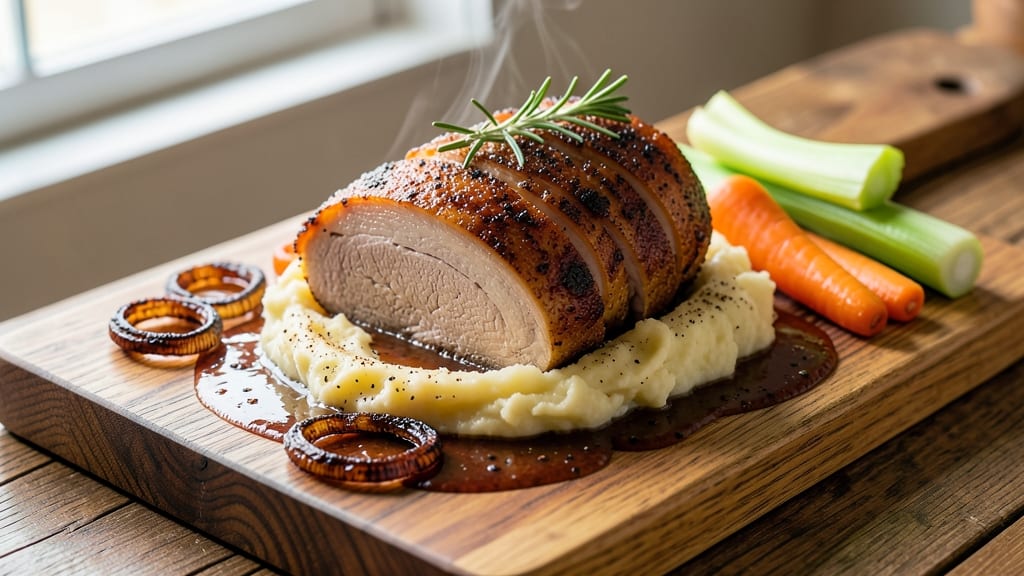
Alton Brown's pork shoulder recipe delivers restaurant-quality results with foolproof techniques that transform tough cuts into melt-in-your-mouth perfection. 🔥 As someone who's cooked thousands of pounds of pork weekly, I can tell you this method—slow-braised until tender—is where flavor and texture truly shine.
The secret lies in patience and precision, ensuring every bite is juicy, flavorful, and impossible to resist.
What sets this recipe apart is Alton Brown's signature approach: a balance of low-and-slow cooking with strategic seasoning that builds deep, smoky flavors. No fancy equipment needed—just time, a reliable thermometer, and a few key ingredients.
The result? Pork shoulder so tender it falls apart at the touch, with a crust that's crispy yet succulent. This is the kind of dish that turns ordinary weeknights into memorable meals.
By the time you're done, you'll have a juicy, flavor-packed centerpiece that pairs beautifully with classic sides like collard greens or cornbread. The beauty of this method is its versatility—whether you're feeding a crowd or meal prepping for the week, the results are consistently impressive.
Trust me, once you try this, your go-to pork shoulder recipe will never be the same.
Let's dive into the technique that makes this dish legendary—where science meets flavor in every bite.
Ingredients for alton brown pork shoulder
Six pounds of pork shoulder transforms with these 13 ingredients into melt-in-your-mouth perfection.
| Ingredient | Amount | Notes |
|---|---|---|
| Pork Shoulder (Bone-In) 🥩 | 4 lb | Well-marbled, 1.5-inch thick |
| Yellow Onion 🧅 | 1 whole | Cut into 1-inch chunks |
| Carrots 🥕 | 4 medium | Peeled, cut into 2-inch pieces |
| Celery Stalks 🧅 | 4 whole | Cut into 2-inch pieces |
| Garlic Cloves 🧄 | 6 cloves | Smashed, not minced |
| Kosher Salt 🧂 | 1 ½ tbsp | Diamond Crystal preferred |
| Freshly Ground Black Pepper 🌶️ | 1 tsp | Cracked, not powdered |
| Smoked Paprika 🌶️ | 1 tbsp | For smoky depth |
| Apple Cider Vinegar 🍎 | ¼ cup | For tenderizing |
| Unsalted Butter 🧈 | ½ cup | Cold, cubed for crust |
| Fresh Thyme Leaves 🌿 | ¼ cup | From 3 sprigs |
| Fresh Rosemary Sprigs 🌿 | 3 whole | Woody stems removed |
| Beef Broth 💧 | 2 cups | Low-sodium preferred |
The pork shoulder is non-negotiable—look for a cut with good marbling and at least 1.5-inch thickness for even cooking. Whole Foods or local butchers often carry the best cuts, but don't overlook the meat department at Costco if you're feeding a crowd. The bone-in version stays juicier, but boneless works too if you're short on time. For the aromatics, Trader Joe's has pre-cut celery and carrot mixes that save chopping time, though fresh always tastes better. The apple cider vinegar isn't just for flavor—it tenderizes the meat as it cooks, so don't skip it.
No smoked paprika? Substitute with 1 tsp liquid smoke plus 1 tbsp regular paprika—it's not identical, but gets you close. Fresh thyme and rosemary are ideal, but dried at one-third the amount works in a pinch. Short on beef broth? Chicken broth with an extra pinch of salt does the trick. The butter matters here—use full-fat, unsalted for the best crust. If you're prepping ahead, the pork can sit in the marinade overnight, but don't exceed 24 hours or it'll start to break down. For the vinegar, Bragg's is my go-to, but any organic brand works.
This dish tastes even better the next day—plan accordingly. Store leftovers in the fridge for up to 5 days or freeze for 3 months. I like to portion it into meal-sized containers so lunches are sorted for the week. The crust gets crispier as it sits, so if you're serving immediately, let it rest 10 minutes before slicing. For reheating, low and slow in a 350°F oven with a splash of broth keeps it moist. Leftovers make incredible sandwiches or tacos—just don't tell anyone I said that.
Why You'll Love This Recipe
- One-Pan Magic: I swear by this recipe because it’s literally dump-and-go after the initial chop. Slice the onion, dice the carrots and celery—what Alton calls the "holy trinity" of pork braising—toss them in with the garlic, and let the slow cooker or oven do the rest. No flipping, no fussing, just hands-off perfection.
- Weeknight Hero: Between us, this is my go-to for game day, lazy Sundays, or when I’ve got a houseful of people who think they’re too busy to eat. Serve it with crusty bread, or pile it onto buns for sandwiches the next day. It’s the kind of dish that works for breakfast tacos or a hearty lunch—no one’s turning it down.
Step-by-step instructions for slow-braised pork shoulder
Here's how to transform a tough cut into melt-in-your-mouth perfection.
🔥 Step 1: Sear the Pork for Maximum Flavor
Heat a Dutch oven over medium-high heat until it's screaming hot. Add the 4 lb pork shoulder fat-side down and let it sear undisturbed for 8-10 minutes until deeply browned. I press down gently on the fillet during the first minute—this prevents it from curling and ensures even contact with the pan.
Flip the pork and sear the other side for another 8-10 minutes until it reaches 160°F internally. Remove the pork and set it aside—you'll notice the surface is caramelized and sticky with rendered fat. This crust is flavor gold, so don't wipe it out. We'll use that fat to build our braising liquid.
👨🍳 Step 2: Build the Aromatic Base
In the same Dutch oven, add 2 tablespoons of the rendered pork fat (leave the rest in the pan) and melt ½ cup unsalted butter over medium heat. Toss in the 1 whole yellow onion, 4 medium carrots, 4 whole celery stalks (all cut as specified), and 6 smashed garlic cloves.
Sauté for 8-10 minutes until everything softens and the vegetables release their juices. Here's the thing—don't rush this step. You want those vegetables to caramelize slightly, building deep flavor. When they're tender and the onions are translucent, sprinkle in 1.5 tbsp kosher salt, 1 tsp freshly ground black pepper, and 1 tbsp smoked paprika.
🥘 Step 3: Deglaze and Braise with Vinegar
Pour in the ¼ cup apple cider vinegar and scrape up all those browned bits from the bottom of the pan. This deglazing captures all the meaty flavor that would otherwise stick. Let it simmer for 2-3 minutes until the vinegar smell mellows out.
Return the pork shoulder to the Dutch oven, fat-side up. Add 2 cups beef broth and ½ cup fresh thyme leaves from the 3 whole rosemary sprigs (remove stems first). The liquid should come about halfway up the pork—if it's too shallow, add a splash of water. Bring to a simmer, then cover tightly with a lid.
⏰ Step 4: Braise Until Fork-Tender
Transfer the Dutch oven to a 300°F oven and braise for 3 hours. Here's where patience pays off—resist the urge to peek. Every time you lift that lid, you're letting heat escape and adding 15-20 minutes to your cook time.
After 3 hours, check the internal temperature. It should be between 195-205°F and the meat should pull apart easily with two forks. If it's not quite there, return it to the oven for another 30-60 minutes. The pork will continue cooking as it rests, so don't worry about hitting an exact temperature.
🔪 Step 5: Rest and Serve with Crispy Topping
Remove the pork from the braising liquid and transfer it to a cutting board. Tent loosely with foil and let it rest for 20-30 minutes. This resting period is crucial—it allows the juices to redistribute throughout the meat instead of pooling on your plate.
While it rests, skim any fat from the braising liquid and return it to the Dutch oven. Increase heat to medium-high and reduce the liquid by half. For the crispy topping, spread the pork on a baking sheet and top with thin slices of the ½ cup cold butter. Broil for 2-3 minutes until golden brown. Slice against the grain and serve with the reduced braising liquid spooned over the top.
Pro Tips For Making Alton Brown Pork Shoulder
- SEAR THE FAT FIRST: Alton’s recipe relies on that deep, caramelized crust from pork fat rendering. Don’t rush this—let the pan get smoking hot (I’m talking 450°F or higher) before adding the shoulder. I used to skimp here, and the meat never got that rich, sticky bark. Trust me, the extra 5 minutes upfront saves you from dry, flavorless pork later.
- CHOP VEGETABLES UNIFORM: Onions, carrots, and celery should be cut into even ½-inch dice—no big chunks, no slivers. The recipe counts on them breaking down evenly into the braising liquid. My first time, I eyeballed it, and some veggies stayed tough while others turned to mush. Grab a knife and a ruler (yes, really) to keep them consistent.
- USE A MEAT THERMOMETER: The recipe says "until tender," but that’s vague. Pork shoulder hits its sweet spot at 203°F internal temp—probe the thickest part, avoid the bone. I learned this after pulling meat at 190°F (tough as boots) and again at 210°F (falling apart). A $20 thermometer is your new best friend.
- SALT THE MEAT WELL: Generously salt the pork shoulder 24 hours ahead (or at least 4 hours before cooking). The salt penetrates deeper, keeping the meat juicy. I skipped this once and ended up with bland, slightly rubbery pork. Use 1 tablespoon kosher salt per pound—don’t be shy.
Flavor customization for this dish
Smoky BBQ Twist
Swap the apple cider vinegar for ½ cup BBQ sauce (I love Sweet Baby Ray's Original) and add 1 tbsp brown sugar to the braising liquid. After searing, rub the pork with 1 tbsp hot sauce (like Crystal) and let it caramelize before braising.
This gives you that classic Carolina-style smoky-sweet flavor profile that's perfect for pulled pork sandwiches. 🔥
Herb-Infused Variations
For a French-inspired twist, replace the thyme and rosemary with 2 sprigs fresh tarragon and 1 sprig fresh marjoram. Add 1 bay leaf to the braising liquid and finish with a drizzle of 1 tbsp Dijon mustard before serving.
This works beautifully with a side of creamy mashed potatoes. For a Mediterranean touch, use 1 tbsp dried oregano and 1 tsp cinnamon in the rub, then serve with warm pita and tzatziki.
Sweet & Spicy Profile
Add 1 tbsp honey and ½ tsp cayenne pepper to the braising liquid for a sweet-spicy balance. I like to finish with a sprinkle of toasted sesame seeds and sliced jalapeños for crunch and heat.
This variation pairs perfectly with steamed jasmine rice and quick-pickled cucumbers. For extra depth, add 1-inch fresh ginger, sliced, to the aromatics during the sauté step.
Citrus Brightening
Zest and juice 1 orange (about 2 tbsp juice) and add it to the braising liquid along with 1 strip orange peel. This brightens the dish beautifully and cuts through the richness. Garnish with additional zest and a few orange slices before serving.
I love this variation for spring and summer meals—it feels fresh yet hearty. For a tropical twist, add 1 tbsp lime juice and serve with cilantro-lime rice.
Creamy & Savory
After braising, stir ½ cup heavy cream into the reduced braising liquid and let it simmer for 5 minutes until slightly thickened. Finish with 1 tbsp fresh parsley and a sprinkle of grated Parmesan cheese.
This rich variation works wonderfully with egg noodles or crusty bread. For extra decadence, add 1 oz cream cheese to the cream mixture before simmering.
Spiced & Warm
Add 1 tsp ground cumin, ½ tsp ground coriander, and ¼ tsp cinnamon to the seasoning mix for a warm, earthy flavor. This variation reminds me of my time in Charleston, where spices like these were common in Southern cooking.
Serve with warm cornbread and a side of sautéed greens. For a final touch, sprinkle with toasted pumpkin seeds for texture and crunch.
Nutrition facts
Frequently asked questions
Why does Alton Brown's method use apple cider vinegar?
Apple cider vinegar tenderizes the meat while adding subtle sweetness and depth. It breaks down collagen in the pork's connective tissue during braising, resulting in fork-tender texture. Plus, it balances the richness beautifully—think of it as the secret weapon for juiciness!
Can I use a slow cooker instead of an oven? Transfer the seared pork and braising liquid to a slow cooker and cook on low for 8-10 hours or high for 5-6 hours. The low-and-slow approach mimics oven braising perfectly. Just
What's the best way to store leftovers?
Store in an airtight container with some of the braising liquid to keep it moist. Leftovers stay fresh in the fridge for 5 days or freeze for 3 months. For reheating, warm in a 350°F oven with a splash of broth until heated through—microwaving can make the meat dry.
How do I know when the pork is done?
Use a meat thermometer to check for 195-205°F internal temperature. The meat should pull apart easily with two forks—this is the "fork-tender" test. If it's not quite there, return it to the oven for 30-60 more minutes. The pork will continue cooking as it rests!
What's the deal with slicing against the grain?
Slicing against the grain shortens the muscle fibers, making each bite more tender. Look for the direction of the muscle fibers (they run diagonally) and cut perpendicular to them. This simple technique transforms even slightly tough meat into melt-in-your-mouth perfection!