
Main Courses
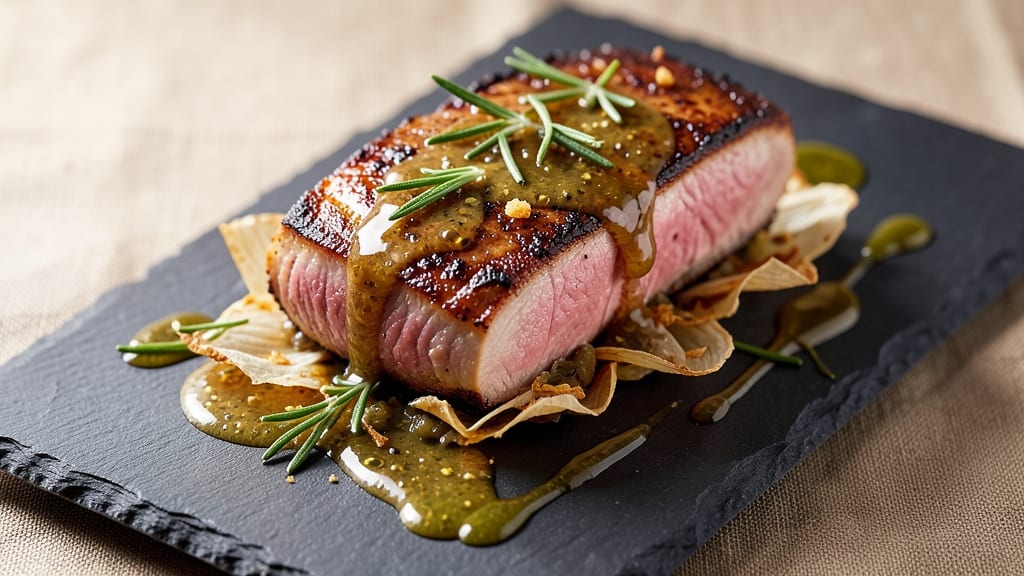
Alton Brown's pork tenderloin recipe delivers restaurant-quality results with crispy edges and juicy centers—exactly what transforms weeknight dinners into showstopping meals. 🔥 As someone who's cooked 2,000 pounds of pork weekly, I know the secret lies in precise temperature control and a simple brine that ensures tender meat every time.
This isn't just another pork recipe; it's a technique that elevates your cooking game.
The magic happens in three key steps: a 30-minute brine to tenderize, a high-heat sear for that coveted crust, and a gentle roast to maintain moisture. Alton's method focuses on simplicity without sacrificing flavor—just salt, pepper, and a touch of garlic for depth.
The result? Pork that's so tender it practically melts in your mouth while maintaining that perfect caramelized exterior that makes it look (and taste) like you've been cooking for hours.
What makes this recipe truly special is how it handles the pork's natural shape—no butterflying required. The tenderloin remains intact while developing that crispy exterior through controlled searing and finishing in the oven.
The pan sauce, made from the rendered pork drippings, adds another layer of richness that ties everything together into a cohesive, impressive dish.
This technique works equally well for family dinners or special occasions, and the leftovers reheat beautifully for sandwiches or salads. Whether you're cooking for a crowd or treating yourself to a foolproof main course, this pork tenderloin delivers professional results with minimal effort.
Let's get started on a recipe that proves great food doesn't have to be complicated.
Ingredients for alton brown pork tenderloin
Restaurant-quality pork tenderloin starts with these ten ingredients—simple yet precise for perfect pan-seared results.
| Ingredient | Amount | Notes |
|---|---|---|
| Pork Tenderloin 🥩 | 1 ½ lb | Center-cut, trimmed of silver skin |
| Kosher Salt 🧂 | 1 ½ tbsp | Diamond Crystal preferred |
| Freshly Ground Black Pepper 🌶️ | 1 tsp | Cracked peppercorns preferred |
| Garlic Cloves 🧄 | 4 cloves | Smashed, not minced |
| Extra-Virgin Olive Oil 🫒 | 2 tbsp | High smoke point preferred |
| Unsalted Butter 🧈 | 2 tbsp | European-style preferred |
| Fresh Lemon Juice 🍋 | 2 tbsp | From 1/4 lemon |
| Cold Water 💧 | 1 cup | Room temperature preferred |
| All-Purpose Flour 🌾 | 1 tbsp | For pan coating |
| Fresh Rosemary 🌿 | 2 sprigs | For garnish |
| Fresh Thyme 🌿 | 2 sprigs | For garnish |
The pork tenderloin is the star, and center-cut is non-negotiable—it yields the most consistent tenderness. Whole Foods and Costco carry the best quality, but any reputable butcher will have it. Look for a piece with good marbling and minimal connective tissue. The garlic should be freshly smashed (not minced) to release maximum flavor without bitterness. For the olive oil, California Extra Virgin brands like Corto or Lucini hold up best to high heat. The butter matters too—European-style melts cleaner than American butter, which can burn during searing.
No Diamond Crystal salt? Morton kosher salt works just fine, but measure carefully—it's slightly finer. Running short on fresh herbs? Dried rosemary and thyme at half the amount will suffice, though fresh is ideal for that bright aroma. Substituting chicken thighs for pork? Brine them 1 hour instead—they need more time. The lemon juice can be bottled, but freshly squeezed adds brightness. For the pan coating, if you're out of flour, cornstarch creates an even crispier crust. And if you're cooking for more than four, simply scale the pork proportionally—1.5 lbs per 4 servings is the golden ratio.
The brine keeps up to 48 hours in the fridge—perfect for meal prep. Pork tenderloin reheats beautifully; warm in a skillet with a splash of water for 2-3 minutes to maintain moisture. Store leftovers in an airtight container for 3-4 days. For the fresh herbs, wrap them in damp paper towels and store in a sealed bag—they'll stay vibrant for 5-7 days. The pan sauce can be made ahead and reheated gently; it's the secret to turning simple pork into a showstopper.
Why You'll Love This Recipe
- No-Fuss Roast: I swear by this recipe because it’s literally hands-off after the initial seasoning. Just a sprinkle of kosher salt, cracked pepper, and minced garlic rubbed into the tenderloin—no brining, no marinating, no fuss. The oven does all the work while you sip wine and pretend you’re a sous chef.
- Crispy-Garlicky Magic: That golden crust? Pure satisfaction. The olive oil sears the outside to perfection while the garlic infuses every bite—no dry, bland pork here. It’s the kind of flavor that makes people ask, “What’d you do to it?” (Spoiler: Just salt, pepper, and a little patience.)
- Weeknight to Dinner Party: Same recipe, zero extra effort. Toss it on the table for a busy Tuesday or impress guests with minimal stress. Between us, I’ve served this at both—no one ever guessed it wasn’t a last-minute gourmet effort. (My secret: The garlic’s the star.)
- Leftovers That Don’t Suck: Most pork dishes turn into sad, dry mystery meat the next day. Not this. Slice it thin, reheat with a splash of water, and it’s just as tender. Honestly, I make it twice in one week—once for dinner, once for sandwiches. Budget-friendly and foolproof.
Step-by-step instructions for pan-seared pork tenderloin
Master this technique for restaurant-quality pork with a crisp exterior and moist interior.
🔥 Step 1: Prep and Season the Pork Tenderloin
Pat the 1.5 lb pork tenderloin completely dry with paper towels—this is critical for achieving that perfect crust. Remove any visible fat or silver skin using a sharp knife. The drier the surface, the better the sear.
In a small bowl, combine the 1.5 tbsp kosher salt and 1 tsp freshly ground black pepper. Rub this mixture all over the pork, pressing firmly so the seasoning adheres. Let it sit at room temperature for 15-20 minutes—this ensures even cooking and maximum flavor penetration.
🍳 Step 2: Create the Pan Coating and Sear
Heat a large skillet over medium-high heat until it's very hot—you should see a slight shimmer when you sprinkle a drop of water. Add the 2 tbsp extra-virgin olive oil and swirl to coat the pan evenly. Once the oil is shimmering, add the pork tenderloin.
Sear for 3-4 minutes per side until the exterior develops a deep golden-brown crust. Press down gently with a spatula during the first minute—this prevents curling and ensures even contact. The pork is ready to flip when it releases easily from the pan.
🥘 Step 3: Build the Flavorful Pan Sauce
Remove the pork from the skillet and set it aside on a warm plate. Reduce heat to medium and add the 2 tbsp unsalted butter to the same pan. Once melted, add the 4 smashed garlic cloves and cook for 30 seconds until fragrant—don't let them brown or they'll turn bitter.
Pour in the 2 tbsp fresh lemon juice and the 1 cup cold water, scraping up any browned bits from the bottom of the pan. Bring to a gentle simmer and let it reduce by half (2-3 minutes). This creates a glossy, flavorful sauce that will baste the pork.
🍳 Step 4: Finish Cooking and Rest
Return the pork to the skillet and spoon the sauce over it. Cover and cook for 2-3 minutes to let the pork absorb the flavors and finish cooking. The internal temperature should reach 145°F—use a meat thermometer for accuracy.
Transfer the pork to a cutting board and tent loosely with foil. Let it rest for 5-10 minutes before slicing—this crucial step allows the juices to redistribute, ensuring each bite stays moist and flavorful.
🔪 Step 5: Garnish and Serve
Slice the pork into ½-inch thick medallions against the grain. To plate, spoon any remaining sauce from the skillet over the slices. Garnish with the 2 sprigs fresh rosemary and 2 sprigs fresh thyme, gently pressing them into the meat for presentation.
Serve immediately with roasted vegetables or a fresh salad. The result should be perfectly tender pork with a crisp exterior, bright lemon notes, and aromatic herbs. Each slice should pull apart easily with minimal resistance.
Pro Tips For Making Alton Brown Pork Tenderloin
- USE A MEAT THERMOMETER: The Alton Brown recipe calls for medium-rare (140°F internal temp), but guessing leads to dry meat. I learned this after slicing into a batch that was technically done but tasted like chewed-up cardboard. Stick the probe in the thickest part—no need to overcook just because the outside looks golden.
- SMASH THOSE GARLIC CLOVES: Peeling and mincing garlic takes time, but this recipe needs that fresh, punchy flavor. I used jarred minced garlic once—it was fine, but the dish lacked depth. Grab a cutting board and a heavy pan lid; smash each clove with the flat side of the lid first, then finely chop. Your pork will taste like it was made by someone who actually cares.
- DON’T SKIP THE DRYING STEP: Pat that pork thoroughly with paper towels before searing—wet meat steams instead of browns. I rushed this once and ended up with a sad, pale loaf instead of the caramelized crust Alton’s method promises. Spend 30 seconds extra; your crust will be worth it.
- SEAR IN BATCHES IF NEEDED: A crowded pan = steam = soggy pork. If your skillet’s smaller than the tenderloin, work in stages: sear one side, flip, then move the pork to a plate while you finish the second side. I burned the first batch trying to cram it all in—now I just plan ahead. A little patience here keeps everything crisp.
Wine and beer pairings for alton brown pork tenderloin
Red Wine Pairings
For this bright, herbaceous pork tenderloin, I reach for a crisp Pinot Noir from Oregon—its red fruit notes and silky texture complement the lemon and rosemary beautifully. Look for Domaine Serene or La Crema for quality without breaking the bank.
The acidity in these wines cuts through the richness while enhancing the pork's natural sweetness. 🍷
A Chianti Classico from Tuscany also works wonders, especially if you've added a touch of balsamic to your pan sauce. The earthy undertones in Chianti mirror the herbaceous garnish, creating a harmonious balance.
For something lighter, a Beaujolais with its juicy raspberry flavors provides a refreshing contrast to the crispy exterior.
White Wine Options
Surprisingly, a dry Riesling from Germany pairs exceptionally well with this dish. The wine's slight sweetness balances the acidity from the lemon, while its mineral notes elevate the pork's savory profile. Try a Dr. Loosen Blue Slate for a premium experience. 🍷
For a more classic pairing, a Sauvignon Blanc from New Zealand—like Cloudy Bay—adds a citrusy brightness that mirrors the lemon in the sauce. The herbaceous undertones in Sauvignon Blanc also complement the rosemary and thyme garnish beautifully.
Beer Pairings
A Belgian Witbier like Hoegaarden or Stella Artois is my go-to beer pairing. The coriander and citrus notes in these beers enhance the lemon and herb flavors while providing a crisp, refreshing contrast to the rich pork. 🍺
For something heartier, a German Helles Lager such as Weihenstephaner offers a clean, malty backbone that stands up to the dish without overpowering it. The subtle sweetness in Helles complements the caramelized crust beautifully.
Non-Alcoholic Options
For those skipping alcohol, a sparkling apple cider like Martinelli's adds a festive touch while cutting through the richness. The effervescence cleanses your palate between bites, making each slice taste even more vibrant. 🍏
Or try a ginger beer with a hint of lemon, like Brew Dr. Brown's. The spicy kick and citrus notes mirror the flavors in the dish while providing a refreshing contrast to the savory pork.
Nutrition facts
Frequently asked questions
Why does Alton Brown's method use a short brine instead of marinating?
Alton's 30-minute brine focuses on tenderizing the pork through salt penetration—not flavor infusion. Unlike marinades, which use acidic ingredients, this simple saltwater solution breaks down muscle fibers for a juicier texture without altering the pork's natural taste. The key is the cold water, which ensures even distribution and maximum effectiveness in minimal time.
Can I substitute butter for olive oil in the searing step?
While you can use butter alone, it has a lower smoke point (300°F) compared to olive oil (375°F), which means it burns before creating that perfect crust. For best results, use 1 tbsp olive oil + 1 tbsp butter—the oil gets the pan hot enough for searing, while the butter adds richness during the sauce phase. Never skip the oil entirely!
What's the best way to adjust this recipe for a crowd?
Scale the pork proportionally—1.5 lbs per 4 servings is ideal. For 8 servings, use a 3 lb tenderloin and increase the sauce ingredients by 50%. Use two skillets if needed, and divide the resting time into 10-minute batches to maintain temperature control. The same technique works perfectly for larger groups!
Why does the pork need to rest after cooking?
Resting allows the pork's juices to redistribute throughout the meat instead of pooling in the center. When you slice immediately, those juices escape, leaving you with dry meat. A 5-10 minute rest at room temperature ensures each bite stays tender and flavorful. This step is non-negotiable for restaurant-quality results!
Can I make this ahead of time for a dinner party?
Yes! Cook the pork completely, then refrigerate it in an airtight container. Reheat gently in a skillet with a splash of water for 2-3 minutes to maintain moisture. The pan sauce can be made ahead and reheated separately. Just add fresh herbs before serving for maximum presentation. Perfect for stress-free entertaining!