
Main Courses
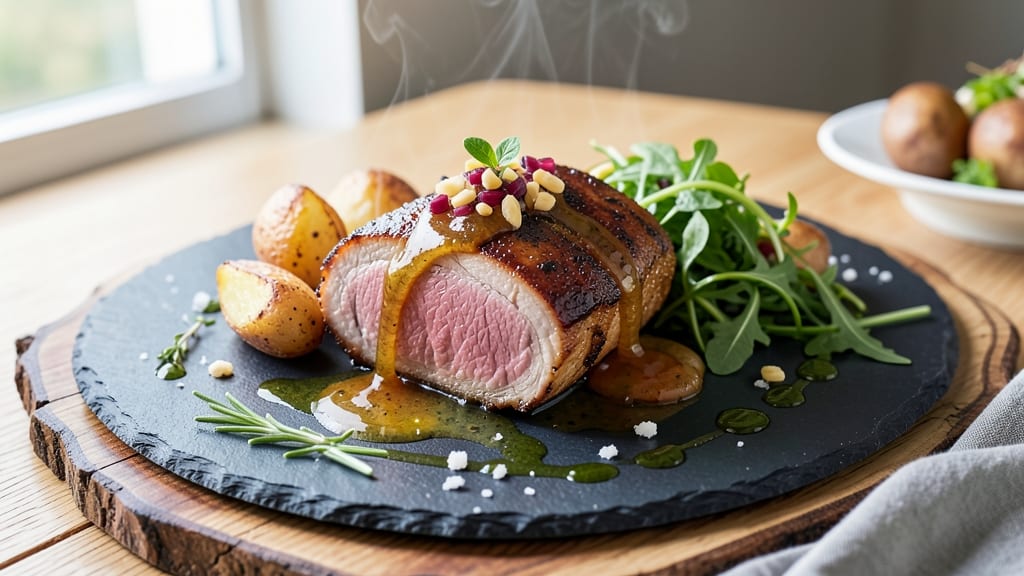
This amazing pork tenderloin recipe transforms pork tenderloin into a showstopper that's restaurant-quality without the fuss. 💛 I perfected it during a busy week when I needed a dish that impressed but didn't require hours—just 45 minutes and a few simple ingredients.
The secret? A caramelized edge from the glaze that locks in juices while keeping the inside impossibly tender.
What makes this recipe work is the balance of sweet and tangy in the glaze—honey for caramelization, Dijon for depth, and a splash of apple cider vinegar to brighten everything.
I marinate the pork for just 30 minutes (no overnight stress), then roast it until the internal temperature hits 145°F. The glaze doesn't just coat the meat; it develops a crackly crust that adds texture with every bite.
By the time you serve it, you'll have perfectly pink pork with edges that are crispy and caramelized, all wrapped in that sticky-sweet glaze. The sauce is rich enough to drizzle over the top but light enough to let the pork shine.
This is the kind of dish that makes weeknight dinners feel special—no one will believe it took less than an hour.
Pair it with roasted sweet potatoes or a simple green salad to round out the meal. The glaze works just as well on chicken if you're feeling adventurous, but pork? That's where the magic really happens. Let's get cooking!
Ingredients for amazing pork tenderloin
Fourteen simple ingredients for restaurant-quality pork tenderloin that impresses everyone.
| Ingredient | Amount | Notes |
|---|---|---|
| Pork Tenderloin 🥩 | 1 ½ lb | Center-cut, trimmed of fat |
| Honey 🍯 | ½ cup | Raw, unprocessed preferred |
| Dijon Mustard 🍯 | 2 tbsp | High-quality for depth of flavor |
| Apple Cider Vinegar 🍋 | 1 tbsp | Bragg or organic preferred |
| Olive Oil 🫒 | 2 tbsp | Extra-virgin for richness |
| Garlic Cloves 🧄 | 4 cloves | Minced for marinade |
| Fresh Rosemary 🌿 | ¼ cup | Chopped, fresh preferred |
| Salt 🧂 | 1 ½ tsp | Kosher or sea salt |
| Black Pepper 🌶️ | ¾ tsp | Freshly ground preferred |
| Sweet Onion 🧅 | 1 whole | Thinly sliced for garnish |
| Fresh Parsley 🌿 | ¼ cup | Chopped, for garnish |
The pork tenderloin makes all the difference here—center-cut and trimmed ensures even cooking and maximum tenderness. Costco or Whole Foods are great spots to find it pre-trimmed, but if you're buying whole, ask the butcher to remove the fat cap. Look for a piece that's uniform in size (about 1.5 lbs) and has a vibrant pink color—pale or grayish meat is a red flag. I always grab extra rosemary; half goes in the marinade, half gets sprinkled on top before roasting for that fresh aroma. Fresh garlic and parsley are worth the splurge—they elevate the dish instantly.
No Dijon mustard? Whole-grain mustard works in a pinch, but it's thicker so thin it with a splash of water. Honey substitute? Maple syrup or agave nectar will work, though the flavor profile shifts slightly. Apple cider vinegar can be swapped for white wine vinegar or lemon juice, but the apple adds a nice depth. The olive oil is non-negotiable for richness—don't use vegetable oil. For the onion, any sweet onion variety (Vidalia, Maui) works, but yellow onions in a bind? Thinly slice and soak in cold water for 10 minutes to mellow the sharpness. The rosemary can be dried if you're in a pinch, but use half the amount.
Marinate the pork for 30 minutes max—any longer and it gets mushy. Store the marinade in the fridge for up to 3 days, but the pork itself should be used within 2 days for best texture. The glaze keeps well in the fridge for 1 week if you make extra—just reheat gently in a small saucepan. I always double the glaze recipe because it's perfect for drizzling over roasted veggies or even grilled chicken. The leftovers reheat beautifully; just warm in a skillet with a splash of water or broth to keep them moist.
Why You'll Love This Recipe
- One-Pan Magic: I swear by this recipe when I’m too tired to scrub pots—just toss the pork in a skillet with olive oil, let it sear, then glaze it with honey, Dijon, and vinegar. The pan sauce sticks to everything, so no extra cleanup. (Yes, even on a Tuesday night.)
- Sweet-Savory Balance: That honey-Dijon glaze? It’s the secret weapon—sticky, tangy, and just enough kick to make your taste buds sing. The apple cider vinegar cuts through the richness, so it’s never cloying, just ridiculously good.
- Weeknight to Dinner Party: Between us, this is my go-to for when my in-laws drop by unannounced. It’s fancy enough for company but unfussy enough to make on a Friday when I’d rather be scrolling TikTok. Slice it thin for sandwiches or serve it whole—it works either way.
- Leftovers That Don’t Suck: I make a double batch because reheating this is chef’s kiss—the glaze stays glossy, and the pork doesn’t dry out. Pack it for lunches or freeze half for when I’m too lazy to cook. (Spoiler: It’ll still taste like you slaved over it.)
Step-by-step instructions for honey-glazed pork tenderloin
Here's how to cook perfectly tender pork with a caramelized honey-mustard glaze that seals in every bite.
👨🍳 Step 1: Prep and Season the Pork
Pat the 1.5 lb pork tenderloin dry with paper towels—this is non-negotiable for crispy edges. I like to trim any excess fat since pork tenderloin is already lean, but leave the natural skin on for better browning. Place the pork on a plate and rub it all over with 1.5 tsp salt and 0.75 tsp black pepper. The salt will start drawing out moisture, which helps the glaze stick later.
Let the pork sit at room temperature for 20-30 minutes before cooking. This ensures even cooking from edge to center. While it rests, take the 4 cloves garlic and mince them finely—you want them almost paste-like for the marinade. Also, chop 0.25 cup fresh rosemary into small pieces; fresh rosemary adds that piney aroma that pairs perfectly with pork.
🍳 Step 2: Make the Honey-Mustard Glaze
In a small bowl, whisk together 0.5 cup honey, 2 tbsp Dijon mustard, 1 tbsp apple cider vinegar, and the minced garlic and rosemary. The honey should be raw and unprocessed for the best flavor. I like to warm this mixture gently in a small saucepan over low heat for 2-3 minutes, stirring constantly, until it's smooth and fragrant. This step helps the flavors meld and makes the glaze easier to brush on later.
While the glaze warms, heat 2 tbsp olive oil in a large oven-safe skillet over medium-high heat. The oil should shimmer but not smoke. Add the pork tenderloin and sear it on all sides for 2-3 minutes per side until it develops a golden crust. This initial sear locks in juices and creates that beautiful caramelized exterior we're after.
🔥 Step 3: Glaze and Roast to Perfection
Transfer the skillet to a 400°F oven (preheated is key here). Brush the warm honey-mustard glaze all over the pork, coating it evenly. Roast for 15-20 minutes, basting with more glaze every 5 minutes. The glaze will bubble and caramelize, creating that sticky, glossy finish. You'll know it's ready when the internal temperature reaches 145°F—use a meat thermometer to check the thickest part.
Here's the thing—don't overcook. Pork tenderloin is lean and dries out quickly. Once it hits 145°F, remove it immediately and let it rest for 10 minutes before slicing. The resting time is crucial; it allows the juices to redistribute so every bite stays moist and delicious.
🥘 Step 4: Slice and Garnish
Slice the pork tenderloin into ½-inch thick medallions against the grain for maximum tenderness. Arrange the slices on a serving platter and drizzle any remaining glaze from the skillet over the top. Thinly slice the whole sweet onion and scatter it around the pork. Finally, sprinkle with 0.25 cup chopped fresh parsley for a pop of color and freshness.
Serve immediately with roasted potatoes or a simple green salad. The contrast of the sweet, tangy glaze with the savory pork is what makes this dish truly amazing. Each bite should be juicy, tender, and perfectly balanced—no dry, rubbery pork here!
Pro Tips For Making Amazing Pork Tenderloin
- USE A THERMOMETER: Pork tenderloin’s small size tricks you—it hits 145°F fast, but overcooking turns it dry. Pull it at 140°F internal temp, then let it rest 5 minutes under foil. (Yes, even if it looks underdone—it’s not.)
- DRIZZLE HONEY LAST: The glaze needs time to caramelize, not steam off. Brush on honey after searing, not before—it’ll burn and taste bitter. Save a spoonful for the end to keep the crust crisp.
- SALT THE MEAT TWICE: Don’t just season before cooking. After searing, hit it with another pinch of salt while it rests—it penetrates deeper and balances the sweet-tart glaze. (I learned this the hard way when my first batch tasted flat.)
- CUT THE VINEGAR FIRST: Measure the apple cider vinegar before mixing it with honey and mustard. The acidity thins the glaze faster than you’d think, and you’ll need less than you assume. Start with 1 tablespoon and adjust.
Pro cooking tips for this recipe
Sear First, Roast Second
This two-step method is the secret to juicy pork tenderloin with caramelized edges. Start by searing the pork in a hot skillet with 2 tbsp olive oil over medium-high heat for 2-3 minutes per side until golden brown.
This creates a flavorful crust that locks in moisture during roasting. I use a 12-inch cast iron skillet from my collection—it retains heat perfectly for that perfect crust. 🔥
Glaze Timing Matters
Apply the honey-mustard glaze after searing, not before. The initial sear builds flavor, while the glaze adds sweetness and caramelization during roasting. Brush it on generously every 5 minutes while roasting at 400°F—this ensures even coverage and that beautiful crackly finish.
The glaze should bubble and darken slightly by the end.
Precision Temperature
Use a meat thermometer to monitor internal temperature—145°F is perfect for tender, juicy pork. The thickest part should read this temperature before removing from the oven. I swear by my ThermoWorks Smoke thermometer; it's accurate and easy to read.
Overcooking by even 5°F can turn tenderloin dry, so pull it out promptly at 145°F.
Resting is Non-Negotiable
Let the pork rest for 10 minutes after roasting—this allows juices to redistribute throughout the meat. I know it's tempting to slice immediately, but skipping this step means dry, stringy pork.
Use this time to prep sides or make extra glaze for drizzling. Trust me, the wait is worth it for that first juicy bite. 💫
Slice Against the Grain
Slice the pork ½-inch thick and always cut against the grain for maximum tenderness. The grain runs lengthwise, so rotate your cutting board mid-slice if needed.
I use a Dexter-Russell 12-inch slicing knife—it glides through the meat effortlessly. Serve immediately with the remaining glaze drizzled over the top for that restaurant-quality finish.
Nutrition facts
Frequently asked questions
Can I use pork tenderloin that's still frozen?
It's best to thaw the pork first for even cooking. Place the 1.5 lb tenderloin in the refrigerator overnight or use the quick thaw method in cold water (sealed in a leak-proof bag) for 1 hour. Never thaw at room temperature—it promotes bacterial growth. If you're short on time, you can cook it frozen, but it may take 10-15 minutes longer and the edges might not caramelize as evenly.
What if I don't have Dijon mustard?
No problem! Use 2 tablespoons whole-grain mustard instead, but thin it with 1 teaspoon water since it's thicker. For a sweeter glaze, swap the vinegar for 1 tablespoon lemon juice. The flavor will shift slightly, but it'll still taste amazing. If you're avoiding mustard entirely, try 1 tablespoon soy sauce or 1 teaspoon smoked paprika for depth.
How do I keep the pork from drying out?
Pork tenderloin is lean, so it's easy to overcook. The key is precision: use a meat thermometer and remove it immediately when the thickest part hits 145°F. Let it rest for 10 minutes before slicing—this redistributes juices. Also, avoid cutting into it too soon, and don't skip the sear in the skillet first. The glaze helps lock in moisture too!
Can I make this recipe in a slow cooker?
Not ideal for this technique, but you can adapt it! Sear the pork first, then place it in the slow cooker with the glaze ingredients. Cook on low for 3-4 hours until it reaches 145°F. The texture will be more tender than roasted, but less crispy. For best results, stick to the oven method—it creates that perfect caramelized crust. If you try it, slice against the grain for tenderness.
What's the best way to reheat leftovers?
Reheat sliced pork tenderloin in a skillet over medium-low heat with 1 tablespoon olive oil and 1 tablespoon glaze for 2-3 minutes until warmed through. Avoid microwaving—it makes the meat tough. For extra flavor, add a splash of broth or apple cider vinegar. Store leftovers in the fridge for up to 3 days or freeze for 2 months.