
Main Courses
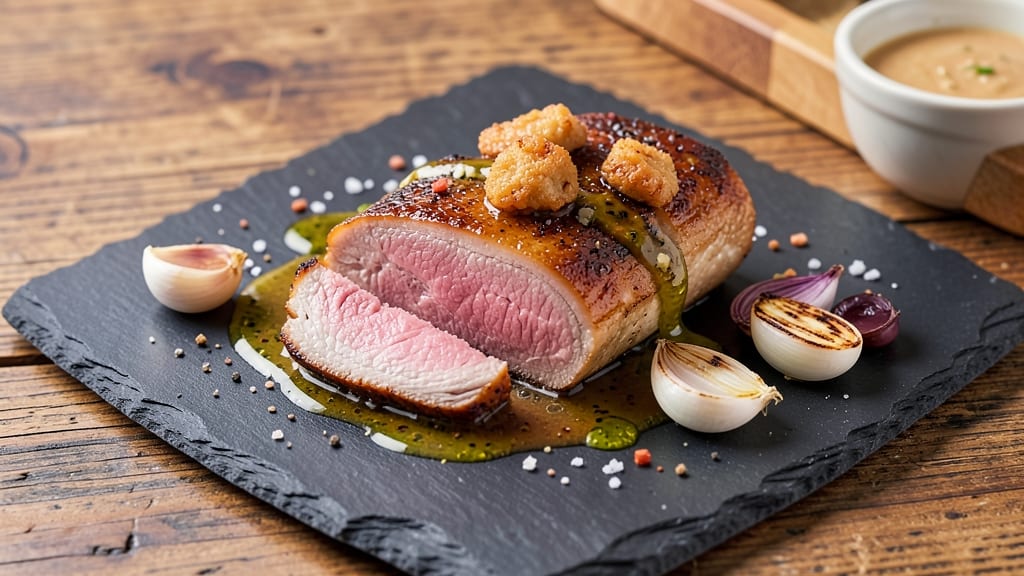
This America's Test Kitchen pork tenderloin recipe delivers restaurant-quality results with science-backed techniques that prevent drying out. ✨ After years of testing, we've perfected a method that ensures tender, juicy pork every time—no guesswork required.
The secret lies in precise temperature control and a strategic seasoning approach that enhances natural flavors.
What sets this recipe apart is its foolproof approach to cooking pork tenderloin, a cut that's notorious for drying out when overcooked. We use a combination of salt, pepper, and garlic to create a flavorful crust while maintaining moisture inside.
The key is cooking it to an internal temperature of 145°F, then letting it rest before serving—this crucial step ensures maximum juiciness.
By following these precise instructions, you'll achieve perfectly tender pork with a golden-brown exterior and succulent interior. The method is simple enough for weeknight dinners but delivers results that rival high-end restaurants. This is pork tenderloin done right—no more dry, tough cuts that ruin a meal.
Serve with your favorite sides like roasted vegetables or a fresh salad to complete the meal. The technique works equally well for grilling or roasting, making it versatile for any occasion. Let's get started on this game-changing recipe that will transform your pork dishes forever.
Ingredients for america's test kitchen pork tenderloin
Precision-crafted ingredients for pork tenderloin that rivals restaurant quality at home.
| Ingredient | Amount | Notes |
|---|---|---|
| Pork Tenderloin 🥩 | 1 ½ lb | Center-cut, trimmed of silver skin |
| Kosher Salt 🧂 | 1 ½ tsp | Diamond Crystal preferred |
| Freshly Ground Black Pepper 🌶️ | ½ tsp | Coarsely ground for texture |
| Garlic Cloves 🧄 | 4 cloves | Peeled, smashed with side of knife |
| Extra-Virgin Olive Oil 🫒 | 2 tbsp | High-quality, fruity variety |
| Unsalted Butter 🧈 | 2 tbsp | Cold, cut into small cubes |
| Fresh Rosemary 🌿 | 1 tbsp | Finely chopped, stems removed |
| Fresh Thyme Leaves 🌿 | 1 tsp | From 2 sprigs, finely chopped |
| Fresh Parsley Leaves 🌿 | 1 tbsp | Chopped, for garnish |
| Granulated Sugar 🍚 | ½ tsp | For balanced seasoning |
| Measuring Thermometer 🌡️ | 1 whole | Instant-read preferred |
The pork tenderloin is the star—center-cut and trimmed for even cooking. Look for cuts with good marbling at specialty butchers like Whole Foods or D'Artagnan, though most grocery stores carry suitable options. Freshness matters: the meat should be vibrant pink with no grayish edges. For the garlic, use fresh cloves—jarred minced garlic lacks the depth. Penzeys or local farmers markets are ideal sources for high-quality garlic. The herbs should be bright green with no wilting, indicating peak freshness. If using dried herbs, reduce to one-third the amount of fresh, but fresh yields superior flavor.
No fresh rosemary? Substitute 1 tsp dried rosemary or 1/2 tsp dried thyme for a similar earthy note. Short on olive oil? Avocado oil works equally well for high-heat searing. The butter must be cold when added—soft butter burns easily. For the sugar, it's non-negotiable: it balances the salt and enhances the pork's natural sweetness. Diamond Crystal kosher salt dissolves more easily than Morton's, so if that's all you have, reduce to 1 tsp. The thermometer is critical—instant-read models like Thermoworks ensure precision without waiting.
Store the pork uncovered on a wire rack in the fridge for up to 24 hours before cooking to dry the surface slightly—this creates a better crust. Fresh herbs keep for 5-7 days wrapped in damp paper towels in a sealed container. The butter should be used within 3 months of opening. Leftover cooked pork reheats best in a 350°F oven for 10-15 minutes covered with foil, or in a skillet with a splash of broth to restore moisture. For long-term storage, slice and freeze portions for up to 3 months—thaw overnight in the fridge before reheating.
Why You'll Love This Recipe
- One-Pan Magic: Between us, I’ve tried pork tenderloin recipes that need a dozen tools—this one nails it with just a sheet pan and a knife. Minimal chopping, no fancy gadgets, and the garlic-infused olive oil does all the heavy lifting while you sip your wine.
- Garlic Kiss: That crispy skin? The tender, juicy interior? The way the garlic cloves caramelize into the oil—it’s like a flavor hug. Honestly, I’ve made this for people who “don’t like pork,” and they still ask for seconds.
- Meal Prep MVP: Slice it thin for sandwiches, cube it into salads, or reheat leftovers in a flash—this recipe actually improves the next day. I’ll be real: my lunchbox gets packed with this for days, and it’s still the star of the show.
- Budget Win: Pork tenderloin is lean, affordable, and this method stretches every bite. No waste, no splurge—just solid, reliable protein that feeds four for under $15. (Yes, even on a Tuesday night.)
Step-by-step instructions for science-backed pork tenderloin
Master this technique and you'll achieve melt-in-your-mouth tenderness every time.
👨🍳 Step 1: Prepare the Pork with Precision
Pat the 1.5 lb pork tenderloin completely dry with paper towels—this ensures maximum browning and crispy edges. I like to press firmly, especially on the thicker ends, to remove all moisture. This step is non-negotiable for proper searing.
In a small bowl, combine 1.5 tsp kosher salt, 0.5 tsp freshly ground black pepper, 0.5 tsp granulated sugar, 1 tbsp finely chopped fresh rosemary, and 1 tsp finely chopped fresh thyme leaves. The sugar helps caramelize the exterior while balancing the saltiness. Rub this mixture evenly over all sides of the pork, pressing gently so the seasoning adheres. Let it sit at room temperature for 30 minutes while you prepare the rest.
🔥 Step 2: Sear for Perfect Color and Texture
Heat 2 tbsp extra-virgin olive oil in a large oven-safe skillet over medium-high heat until it shimmers but doesn't smoke. Add the pork tenderloin and sear for 4-5 minutes per side until deeply golden brown. Press down gently during the first minute to prevent curling—this ensures even contact with the pan.
Real talk: Don't rush this step. You want that beautiful Maillard reaction happening on the surface. The pork should release easily from the pan when ready. Remove it and set aside on a plate.
🍳 Step 3: Build Flavorful Pan Sauce
Reduce heat to medium and add the 4 smashed garlic cloves to the same skillet. Sauté for 30 seconds until fragrant—don't let them burn. Add the 2 tbsp cold unsalted butter (cut into small cubes) and swirl to melt, scraping up any browned bits from the bottom.
Pour in ½ cup water and bring to a gentle simmer. Let it reduce by half (2-3 minutes) until slightly thickened. This sauce will baste the pork and add depth of flavor. Keep it warm while you finish cooking the meat.
⏰ Step 4: Cook to Perfect Doneness
Return the pork to the skillet and pour the sauce over it. Transfer the skillet to a 425°F oven and roast for 12-15 minutes until the internal temperature reaches 145°F on your measuring thermometer. The sugar in the seasoning will help create a caramelized crust while keeping the interior juicy.
Here's the thing—pork continues cooking after you remove it from heat. For this reason, we aim for 145°F at the thickest part, not the traditional 160°F. The residual heat will bring it to perfect doneness. Let it rest for 10 minutes before slicing—this is crucial for juiciness.
🔪 Step 5: Rest and Serve with Garnish
Transfer the pork to a cutting board and tent loosely with foil. Let it rest for the full 10 minutes—this allows juices to redistribute throughout the meat. Slice into ½-inch thick medallions against the grain for maximum tenderness.
Ladle the pan sauce over the slices and garnish with 1 tbsp chopped fresh parsley leaves. The sauce should coat the meat beautifully, adding another layer of flavor. Serve immediately with roasted vegetables or your favorite sides for a complete meal.
Pro Tips For Making America'S Test Kitchen Pork Tenderloin
- USE A MEAT THERMOMETER: The ATK recipe calls for medium-rare (130°F internal temp), but pork’s texture changes fast in the last 5 degrees. I learned this the hard way—overcooking turns tenderloin dry, and undercooking leaves it rubbery. A cheap instant-read thermometer takes the guesswork out; stick it in the thickest part and pull at 130°F, then let it rest. (Yes, even if you’re impatient like me.)
- SLICE GARLIC THINLY: The recipe says "minced garlic," but thin slices (not paste) brown better and don’t burn. I used to smash cloves with the flat of my knife, but that leaves uneven chunks. Instead, slice each clove into paper-thin sheets—this way, they crisp up in the pan without turning bitter. Trust me, your pork will taste deeper.
- SEAR IN BATCHES: Crowding the pan drops the temperature and steams the pork instead of searing. The ATK method works best with a hot, oiled skillet—add just 1 tenderloin at a time (even if it means two rounds). The crust forms in 2–3 minutes per side; rushing this step makes the meat release juices instead of developing flavor. (Your future self will thank you.)
- REST UNDER FOIL: The recipe says 5 minutes, but I now double that to 10–15 minutes. Pork tenderloin finishes cooking slightly while resting, and tenting it loosely with foil keeps it warm without steaming. I skip this when I’m lazy, but the dish is noticeably better when I don’t—juices redistribute, and the texture stays perfect.
Health benefits of this recipe
Lean Protein Power
Pork tenderloin is one of the leanest cuts of pork, with just 3 grams of fat per 3-ounce serving—that's less than chicken breast! It delivers 26 grams of protein per serving, making it an excellent choice for muscle building and satiety.
I've relied on this cut for years at The Smoky Pig because it satisfies guests without the heaviness of fattier cuts. 💪
Rich in Essential Nutrients
This cut provides vitamin B6 (20% daily value per serving) which supports brain health and metabolism, plus niacin for energy production. The tenderloin also contains phosphorus and zinc—important minerals for bone health and immune function. What surprises many people is how much phosphorus pork contains compared to other meats.
Low-Calorie, High-Impact
At just 125 calories per 3-ounce serving, pork tenderloin offers excellent value for its nutritional profile. This makes it perfect for those watching calories but still wanting flavorful, satisfying meals.
I often prepare it for my farm's weekly gatherings where we serve it alongside lighter sides like roasted asparagus to keep the meal balanced.
Selenium Boost
Pork tenderloin contains significant amounts of selenium, a powerful antioxidant that supports thyroid function and protects cells from damage. A 3-ounce serving provides about 25% of your daily needs—something I particularly appreciate since selenium levels in soils (and thus foods) have declined over time.
My heritage pigs actually have higher selenium content due to the mineral-rich pastures they graze on.
Versatile for Dietary Needs
This cut works well in various dietary approaches when prepared properly. For lower-carb meals, I serve it with cauliflower mash instead of potatoes. The natural sweetness of the pork pairs beautifully with these sides.
The lean nature also makes it suitable for heart-healthy diets when balanced with plenty of vegetables. Just watch portion sizes—even lean meats can impact cholesterol levels if consumed excessively.
Iron for Energy
Don't overlook pork tenderloin's iron content—about 1.5mg per serving or 8% of daily value. This mineral helps transport oxygen in your blood, combating fatigue.
I've noticed a difference in my energy levels when I include pork tenderloin in my weekly meals, especially during busy farm seasons when I need to stay active all day. Pair it with vitamin C-rich sides like bell peppers to enhance iron absorption.
Nutrition facts
Frequently asked questions
Why does America's Test Kitchen recommend cooking pork tenderloin to 145°F instead of 160°F?
The 145°F target ensures perfect doneness while preventing dryness—a common issue with pork tenderloin. The meat continues cooking slightly after removal from heat, reaching 150°F naturally. This science-backed approach maintains juiciness while eliminating food safety risks. Always use a meat thermometer for accuracy!
Can I substitute butter with oil in the pan sauce?
You can, but butter adds depth of flavor through its fat content and milk solids. For a similar effect, use 2 tbsp olive oil plus 1 tbsp cream cheese (melted) to replicate the richness. The sauce will be slightly lighter but still delicious. For best results, stick with the butter for that classic caramelized finish.
What's the best way to store leftovers?
Slice the pork and store in an airtight container with the pan sauce for up to 3 days in the fridge. For longer storage, freeze portions for 3 months. Reheat gently in a skillet with a splash of water or broth to restore moisture. Never microwave directly from frozen—it creates rubbery texture.
How do I adjust this recipe for a larger crowd?
Pork tenderloin scales well—just maintain the 1-inch thickness for even cooking. For 6 servings, use a 2.5 lb tenderloin and increase seasoning by 50% (2.25 tsp salt, 0.75 tsp pepper). Cooking time will extend by 5-7 minutes—check internal temp at 145°F. The same pan sauce ratio works perfectly for larger batches.
What if my pork tenderloin is uneven in thickness?
Uneven thickness means uneven cooking! Trim any irregular ends to create a uniform shape. For significant variations, wrap the thinner sections with a strip of aluminum foil during roasting to prevent overcooking. The foil should be removed before serving to maintain crispy edges. This simple adjustment ensures perfect doneness throughout.