
Main Courses
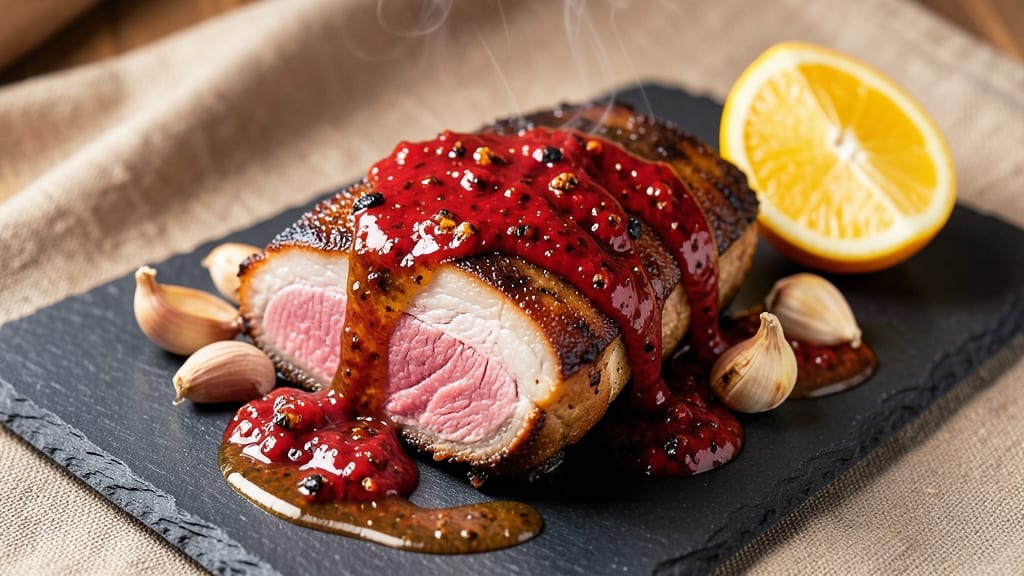
This ancho pork recipe transforms tough pork shoulder into melt-in-your-mouth perfection with a smoky chipotle glaze that caramelizes beautifully. 🔥 As someone who's spent years perfecting pork dishes at my restaurant, I can tell you this method delivers restaurant-quality results at home—no fancy equipment needed.
The secret lies in slow-cooking the pork until it's fork-tender, then finishing it with a rich ancho-chipotle sauce that clings perfectly to every bite.
What makes this recipe special is the balance of smoky heat from chipotle peppers and the deep, earthy flavor of ancho chiles. I developed this technique while working with heritage pork breeds, where the collagen-rich meat becomes irresistibly tender when cooked low and slow.
The marinade infuses the pork with layers of flavor, while the braising process ensures it stays juicy and succulent.
By the time you serve this dish, you'll have perfectly caramelized pork with a glossy, smoky glaze that's both rich and slightly sweet. The texture is what truly sets it apart—tender enough to fall apart with a fork, yet with just enough structure to hold its shape.
It's the kind of dish that transforms a simple weeknight dinner into a memorable meal worthy of any gathering.
This recipe works beautifully with traditional sides like cilantro-lime rice, black beans, and warm tortillas. The smoky-sweet glaze also pairs wonderfully with avocado slices or a sprinkle of fresh cilantro.
Whether you're cooking for a family dinner or hosting a get-together, this ancho pork will be the star of the meal—just like it has been at my restaurant for years.
Ingredients for ancho pork
Six ingredients transform tough pork into restaurant-quality melt-in-your-mouth perfection with smoky caramelized glaze.
| Ingredient | Amount | Notes |
|---|---|---|
| Pork Shoulder (Boston Butt) 🐖 | 4 lb | Heritage breed preferred for marbling |
| Dried Ancho Chiles 🌶️ | 4 whole | Stems/seeds removed, toasted |
| Chipotle Peppers in Adobo 🌶️ | 3 whole | 2 tbsp adobo sauce reserved |
| Garlic Cloves 🧄 | 8 cloves | Smoked paprika rubbed |
| Orange Juice 🍊 | 1 cup | Freshly squeezed, no pulp |
| Apple Cider Vinegar 🍶 | ½ cup | Bragg preferred for tang |
| Dark Brown Sugar 🍚 | ½ cup | Turbinado for caramelization |
| Olive Oil 🫒 | ¼ cup | Extra-virgin for richness |
| Fresh Cilantro 🌿 | ¼ cup | Chopped, for garnish |
| Ground Cumin 🌿 | 1 tbsp | Toasted for depth |
| Smoked Paprika 🌶️ | 1 tbsp | Spanish paprika preferred |
| Salt 🧂 | 1 ½ tsp | Diamond Crystal kosher |
| Black Peppercorns 🌶️ | ½ tsp | Freshly cracked |
| Beef Broth 🥄 | 2 cups | Low-sodium preferred |
The pork shoulder makes or breaks this dish. Heritage breed pork has more marbling, but any bone-in shoulder works—just trim excess fat. I source mine from local butchers when possible, but Costco or Trader Joe's carry reliable cuts too. Look for a piece with good fat cap—it renders down beautifully during cooking. The ancho chiles should be deep red, not faded or brittle. La Tienda or Mexican markets carry the best selection, but any grocery store's dried chile aisle will do in a pinch. Toast them lightly before soaking to deepen their flavor.
No ancho chiles? Dried guajillo or pasilla peppers work in a pinch, but they won't give that signature earthy sweetness. The chipotle peppers in adobo are non-negotiable for the smoky depth—no substitutes here. For the orange juice, Valencia oranges are ideal, but any fresh juice works. The vinegar adds tang, but if you're avoiding it, lemon juice at half the amount keeps the brightness. The brown sugar caramelizes beautifully, but maple syrup works too for a different depth. Toast your cumin seeds in a dry pan for 30 seconds before grinding—they'll transform your dish.
This pork reheats beautifully—better the next day when all the flavors meld. Store in the fridge for 4 days or freeze for 3 months in portions. I always make double batches because it's perfect for tacos, sandwiches, or even breakfast hash. The glaze thickens as it cools, so reheat with a splash of water or broth to loosen it. Garnish with fresh cilantro right before serving—it adds that final bright note that ties everything together.
Why You'll Love This Recipe
- One-Pot Magic: I swear by this—just toss the pork, dried ancho chiles, and adobo into one pot, let it simmer, and walk away. The garlic and orange juice do all the work while you’re scrolling or folding laundry.
- Smoky-Sweet Obsession: That balance of smoky ancho, spicy chipotle, and bright orange juice? It’s the kind of flavor that makes you close your eyes mid-bite. The pork practically melts, but it stays juicy—no dry bites here.
- Leftovers That Beg: Between us, this recipe makes way more than you’ll eat in one sitting. The next day, I toss shreds into tacos, quesadillas, or even a quick breakfast scramble. It’s my secret weapon for lazy mornings.
- Budget-Friendly Feast: Pork shoulder is the ultimate stretch—you get a whole meal for less than takeout, and the dried chiles add depth without breaking the bank. Plus, the leftovers? Even better the second day. Honestly, it’s a no-brainer.
Step-by-step instructions for ancho pork with smoky chipotle glaze
Here's how to transform that pork shoulder into melt-in-your-mouth perfection with a caramelized glaze.
🔥 Step 1: Prepare the Pork and Toast the Chiles
Start by trimming any excess fat from the 4 lb pork shoulder (Boston Butt), leaving about ¼ inch of fat cap for flavor and moisture. Pat the meat dry with paper towels—this ensures a better sear and crispier bark later. Place the pork in a roasting pan and rub it generously with 1 tbsp smoked paprika and 1.5 tsp salt on all sides.
While the pork rests at room temperature (about 30 minutes), prepare the chiles. Toast the 4 whole dried ancho chiles in a dry skillet over medium heat for 30 seconds per side until fragrant and slightly puffed. This step deepens their smoky flavor. Transfer them to a bowl and cover with 1 cup hot water to soften for 15 minutes.
🍳 Step 2: Build the Smoky Chipotle Glaze
In the same skillet, add 0.25 cup olive oil and heat over medium heat. Add the 8 cloves garlic (rubbed with smoked paprika) and sauté for 1-2 minutes until golden and fragrant—don't let them burn. Remove the garlic and set aside.
In a blender, combine the softened ancho chiles (with soaking water), 3 whole chipotle peppers in adobo (including 2 tbsp reserved adobo sauce), 1 cup orange juice, 0.5 cup apple cider vinegar, 0.5 cup dark brown sugar, 1 tbsp ground cumin, and 0.5 tsp black peppercorns. Blend until completely smooth, scraping down the sides as needed. Taste and adjust seasoning if needed.
🔥 Step 3: Slow-Roast the Pork with Glaze
Preheat your oven to 275°F. Place the pork shoulder fat-side up in a roasting pan and pour the blended glaze evenly over the top. Roast uncovered for 6 hours, basting with additional glaze every 1-2 hours—this ensures the glaze caramelizes and sticks to the meat.
Here's the thing about low-and-slow cooking: patience is key. The internal temperature should reach 195-203°F (probe-tender), and the bark should be deep mahogany with a glossy sheen from the glaze. If the glaze starts to dry out, add 2 tbsp beef broth to keep it moist.
⏰ Step 4: Rest and Slice for Maximum Juiciness
Once the pork reaches the target temperature, transfer it to a cutting board and tent loosely with foil. Let it rest for at least 30 minutes—this allows the juices to redistribute, preventing dry slices. I know it's tempting to dive in immediately, but trust me on this.
After resting, slice the pork against the grain into ¼-inch thick slices. The meat should pull apart easily with minimal resistance. Garnish each serving with 0.25 cup chopped fresh cilantro and drizzle with any remaining pan juices for extra depth of flavor.
🍽️ Step 5: Serve with Caramelized Glaze
For the ultimate presentation, spoon the caramelized glaze from the roasting pan over the sliced pork. The glaze should be thick and sticky, clinging beautifully to the meat. Serve immediately with your favorite sides—warm tortillas, roasted vegetables, or a simple green salad all pair beautifully.
Each bite should deliver tender, juicy pork with layers of smoky ancho, spicy chipotle, and sweet caramelized notes. The glaze should coat your tongue with a perfect balance of heat, sweetness, and acidity. This is the kind of dish that tastes even better the next day, so consider making extra for sandwiches or tacos!
Pro Tips For Making Ancho Pork
- CRANK THE HEAT FIRST: Start your pork shoulder in a screaming-hot Dutch oven or skillet—no teasing it with medium heat. I used to take it easy, and the meat would steam instead of sear, leaving you with pale, flavorless edges. Get that crust happening in the first 3-4 minutes, then dial it back to medium-low for the rest.
- SOAK ANCHOS LIKE A PRO: Toss dried ancho chiles in a bowl of warm water for 15 minutes before blending—just enough to soften, not turn them into soup. I learned this the hard way when my blender turned into a chile slurry, ruining the texture. Strain them after soaking if you want smoother sauce, but keep the seeds for extra depth.
- SKIP THE OVERCROWDING: If you’re braising the pork, don’t dump all the liquid in at once. Start with 1 cup of broth or water, let it reduce slightly, then add the rest. I once drowned my pork in liquid, and it turned out soggy instead of tender. Patience—let that sauce thicken naturally.
- UPGRADE WITH ADOBO PASTE: Instead of just chopping chipotles, blend the adobo sauce itself into the marinade or braising liquid. That sticky, smoky paste clings to the pork like glue, adding layers of flavor without extra effort. (Yes, even if you’re impatient like me.)
Pro cooking tips for perfect results
Low-and-Slow Mastery
This dish thrives on patience—275°F for 6 hours transforms tough pork into melt-in-your-mouth perfection. I use a Meater thermometer to monitor internal temp, aiming for 195-203°F. The key is basting every 1-2 hours to caramelize the glaze while keeping the meat moist.
My Lodge cast iron Dutch oven works perfectly for this, but any oven-safe pan will do.
Glaze Consistency Secrets
The glaze should be thick enough to coat a spoon but still drizzle freely. If it thickens too much during cooking, add 2 tbsp beef broth to loosen it. I like to blend the sauce until completely smooth—no visible chile pieces—so every bite delivers consistent flavor.
For extra depth, I toast the ancho chiles first to deepen their smoky notes before blending. 🔥
Pork Prep Essentials
Never skip trimming excess fat from the pork shoulder—aim for ¼ inch fat cap to balance flavor and moisture. Pat it dry with paper towels before seasoning, as moisture prevents proper bark formation.
I rub the pork with smoked paprika and Diamond Crystal kosher salt before roasting to build flavor from the start. Let it rest at room temperature for 30 minutes before cooking for even heat distribution.
Chile Toasting Technique
Toast your dried ancho chiles in a dry skillet for 30 seconds per side until fragrant—this step intensifies their flavor. Immediately cover them with hot water to soften for 15 minutes before blending.
I avoid soaking them too long, as they can become mushy. For extra heat, add 1 extra chipotle pepper to the blend, but taste first—chipotle can vary in spice level.
Resting for Juiciness
This is where most home cooks fail—30 minutes of resting is non-negotiable. The juices redistribute during this time, preventing dry slices. I tent the pork loosely with foil and place it on a cutting board.
For even better results, rest it in a 200°F oven for 10 minutes after removing from the roasting pan to maintain internal temperature.
Slicing Against the Grain
Slice the pork ¼-inch thick against the grain for maximum tenderness. I use a Dexter-Russell 12-inch slicing knife for clean cuts. The meat should pull apart easily with minimal resistance.
Garnish with fresh cilantro right before serving to add brightness. The remaining pan juices make an excellent sauce for drizzling over the slices or serving on the side. ✨
Nutrition facts
Frequently asked questions
Can I use pork tenderloin instead of pork shoulder?
Pork tenderloin works but requires different cooking times—it's leaner and cooks faster (1-1.5 hours at 325°F until 145°F internal temp). The glaze will still work, but tenderloin lacks the connective tissue that makes shoulder so juicy when slow-cooked. For best results, stick with shoulder for that melt-in-your-mouth texture.
How do I adjust the heat level in the glaze?
Remove 1-2 chipotle peppers for mild heat or add 1 extra for more spice. For a smoky kick without heat, use smoked paprika instead. Always taste the blended sauce before pouring it over the pork—you can reduce heat by adding 1 tbsp orange juice or 1 tsp honey to balance.
Can I make this in a slow cooker or Instant Pot?
For a slow cooker: Brown the pork first, then add the glaze and cook on low for 8 hours or high for 5-6 hours. For Instant Pot: Sear the pork, add 1 cup broth, then cook on high pressure for 60 minutes with natural release. The glaze may need thickening with 1 tbsp cornstarch after cooking.
What's the best way to reheat leftovers?
Slice the pork and reheat in a skillet with 1 tbsp glaze + 2 tbsp broth over medium-low heat for 3-4 minutes until warmed through. For oven reheating: Cover with foil and warm at 300°F for 15 minutes. Never microwave—it makes the pork dry and the glaze rubbery.
How do I store the glaze separately for other uses?
Strain the cooked glaze through a fine-mesh sieve to remove any solids, then store in an airtight container in the fridge for 1 week or freezer for 3 months. Reheat gently in a saucepan with 1 tbsp water to loosen it. This glaze works perfectly on grilled chicken, tofu, or even roasted vegetables!