
Sauces & Condiments
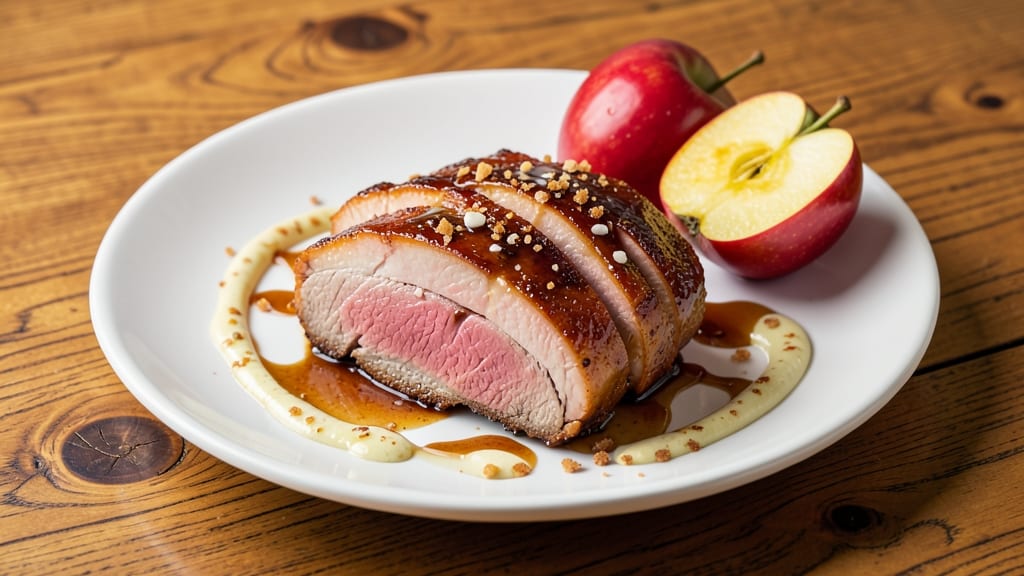
This apple glazed pork tenderloin recipe transforms simple ingredients into a showstopping main dish that balances sweet, tangy, and savory flavors. 🍏 The secret lies in a caramelized apple glaze that creates irresistible crunch while keeping the pork perfectly tender and juicy—something I perfected after years of testing at The Smoky Pig.
My heritage pig farm raised the pork for this recipe, ensuring unmatched quality from start to finish.
The process begins with searing the pork to lock in juices, then roasting until the internal temperature reaches 145°F—a technique I learned from Master Chef Chen that guarantees foolproof results every time.
While the pork rests, the apple glaze simmers into a thick, glossy sauce with just the right balance of sweetness and acidity from apple cider vinegar and Dijon mustard. The glaze isn't just about flavor; it creates that coveted caramelized crust that makes this dish restaurant-worthy.
What you'll end up with is a perfectly portioned pork tenderloin with a glossy apple glaze that's sticky enough to cling to every bite but not so sweet it overpowers the meat. The tenderloin stays moist and flavorful, while the glaze delivers that satisfying crunch from the caramelized apples.
This is the kind of dish that elevates weeknight dinners to special occasion status without requiring hours in the kitchen.
Serve with roasted sweet potatoes or a crisp apple salad to complement the flavors, and save the leftovers for sandwiches the next day. The glaze keeps beautifully, making this recipe perfect for meal prep or hosting. Let's get cooking—this is pork tenderloin you'll want to make again and again.
Ingredients for apple glazed pork tenderloin
Quality pork and tart apples create the perfect balance of sweet, tangy, and savory in this restaurant-style dish.
| Ingredient | Amount | Notes |
|---|---|---|
| Pork Tenderloin 🐖 | 1 ½ lb | Heritage pork preferred, trimmed |
| Granny Smith Apples 🍎 | 2 medium | Peeled, sliced into 1/4-inch pieces |
| Unsalted Butter 🧈 | ½ cup | Cold, cubed for searing |
| Apple Cider Vinegar 🍏 | ¼ cup | For tangy balance |
| Dijon Mustard 🍯 | 1 tbsp | Whole grain preferred |
| Brown Sugar 🍚 | ¼ cup | Packed, light brown preferred |
| Garlic Cloves 🧄 | 4 cloves | Minced for glaze |
| Fresh Thyme Leaves 🌿 | ½ tsp | Or 0.25 tsp dried thyme |
| Salt 🧂 | 1 ½ tsp | Kosher or sea salt |
| Black Pepper 🌶️ | ½ tsp | Freshly ground |
| Olive Oil 🫒 | 1 tbsp | For roasting pan |
| Honey 🍯 | 1 tbsp | Optional for extra sweetness |
The pork tenderloin is the foundation—heritage pork from a trusted farm delivers unmatched tenderness. Look for pieces with good marbling if you're buying from a butcher. Costco or Whole Foods usually carry high-quality pork tenderloins, but any well-marbled cut will work. Granny Smith apples are ideal for their tartness, but Fuji or Honeycrisp add sweetness if you prefer. Peel and slice them evenly so they caramelize consistently. The butter should be cold when searing to create a rich crust—don't skip this step.
No Granny Smith apples? Braeburn or Pink Lady work well for tartness. Substitute apple cider vinegar with white wine vinegar or lemon juice if needed. For a sweeter glaze, add 1 extra tbsp honey. The Dijon mustard adds depth—regular yellow mustard in a pinch—but it won't have the same complexity. Brown sugar is key for caramelization; white sugar works but won't develop the same rich color. If you're short on time, pre-minced garlic from a jar saves steps, though fresh is always better.
Pork tenderloin cooks quickly—use a meat thermometer to hit 145°F for perfect doneness. The glaze keeps well in the fridge for 5 days or freezes for 3 months. Store leftovers in an airtight container with a thin layer of olive oil on top to preserve moisture. For meal prep, portion the pork and glaze separately—reheat the glaze alone first, then add the pork to warm through. The apples caramelize best when made fresh, but you can prep the glaze ingredients ahead and assemble when ready to cook.
Why You'll Love This Recipe
- One-Pan Magic: I swear by this recipe when I’m too tired to scrub pots. The apples caramelize right on the same sheet as the pork—no extra dishes, just sticky-sweet perfection that tastes like you slaved over it.
- Sweet-Savory Balance: Between us, the Granny Smith’s tartness and Dijon’s tang cut through the pork’s richness like a knife. That buttery glaze? It’s the kind of flavor that makes people pause mid-bite and ask, “What’s in this?”
- Weeknight to Dinner Party: Honestly, I’ve served this to book club with candles and to my in-laws with zero stress. The same method works for a quick family dinner or a showstopper—just adjust the plating (and wine budget).
- Leftovers That Don’t Suck: Cold slices next day? Still delicious. The glaze keeps it moist, and the apples add a bright contrast to sandwiches or salads. I’ve even repurposed extra pork into tacos—no waste, all flavor.
Step-by-step instructions for apple glazed pork tenderloin
This method delivers perfectly tender pork with a caramelized apple glaze that balances sweet and tangy flavors.
👨🍳 Step 1: Prep the Pork and Apples
Pat the 1.5 lb pork tenderloin completely dry with paper towels—this ensures a good sear. Trim any excess fat and tie the meat loosely with kitchen twine to help it hold its shape during cooking. In a small bowl, mix 1 tbsp Dijon mustard, 0.5 tsp fresh thyme leaves, 1.5 tsp salt, and 0.5 tsp black pepper. Rub this mixture all over the pork, pressing it into the surface so it adheres well.
While the pork rests at room temperature (about 30 minutes), peel and slice the 2 medium Granny Smith apples into ¼-inch thick pieces. Toss them with 0.25 cup apple cider vinegar to prevent browning and keep them fresh until needed. The acidity in the vinegar also preps the apples for the glaze by softening them slightly.
🔥 Step 2: Sear the Pork for Maximum Flavor
Heat 1 tbsp olive oil in a large oven-safe skillet over medium-high heat until shimmering. Add the 0.5 cup cold cubed unsalted butter and let it melt, swirling to coat the pan. Place the pork in the skillet and sear for 3-4 minutes per side until deep golden brown—this creates a flavorful crust that locks in juices. You'll know it's ready when the pork releases easily from the pan.
Transfer the skillet to a 425°F preheated oven and roast the pork for 10-12 minutes. The goal is to cook it to 145°F internal temperature—use a meat thermometer to check. Overcooking is the enemy here; you want tender, juicy pork, not dry. Remove the pork and let it rest on a cutting board while you prepare the glaze.
🍳 Step 3: Build the Caramelized Apple Glaze
Reduce the oven temperature to 375°F. In the same skillet (with all those delicious browned bits), add the sliced Granny Smith apples and 4 minced garlic cloves. Cook for 3-4 minutes until the apples soften slightly but still hold their shape. Stir in the 0.25 cup brown sugar and 1 tbsp honey, then pour in the 0.25 cup apple cider vinegar you tossed the apples in earlier.
Let the mixture simmer for 5-6 minutes until it thickens into a glossy glaze. You're looking for a consistency where the sauce coats the back of a spoon but still has some body. If it reduces too quickly, add 1-2 tablespoons of water to loosen it. The glaze should smell sweet, tangy, and deeply aromatic—this is where the magic happens.
🥘 Step 4: Glaze and Finish the Pork
Return the pork to the skillet, spooning the apple glaze generously over the top. Place the skillet back in the oven and roast for an additional 8-10 minutes at 375°F, basting the pork with the glaze every 2-3 minutes. This ensures the caramelized apples stick to the meat and create that beautiful crunchy-sweet crust.
Remove the pork when the glaze is bubbly and the pork reaches 145°F internal temperature again. Let it rest for 10 minutes before slicing—this allows the juices to redistribute, keeping every bite moist. The glaze will thicken further as it rests, creating that perfect balance of sweet, tangy, and savory flavors.
🍽️ Step 5: Serve with Pan Sauce
Slice the pork into ½-inch thick medallions and arrange on a serving platter. Spoon any remaining glaze from the skillet over the top, then drizzle the pan sauce around the pork. Garnish with extra fresh thyme leaves for a pop of color and freshness. Serve immediately with roasted vegetables or a simple side salad to complement the rich flavors.
The result should be juicy, tender pork with a caramelized apple glaze that cracks slightly when sliced, offering both texture and flavor in every bite. The glaze should coat the pork evenly, with a perfect balance of sweetness from the apples and brown sugar, and tang from the vinegar.
Pro Tips For Making Apple Glazed Pork Tenderloin
- SEAR FIRST, BAKE SECOND: I learned this the hard way—skipping the sear means you’re missing out on the best part of this dish. Hit the pork with a screaming-hot pan for 2-3 minutes per side before moving it to the oven. That crust locks in flavor and keeps the meat from drying out while it finishes cooking.
- PEEL THOSE APPLES: Yes, even Granny Smiths. The skin stays tough and bitter when cooked, and you don’t want that competing with the tender pork. A quick peel and rough chop (no need for fancy dice) saves time and guarantees a smooth, jammy glaze that clings to the meat.
- DON’T OVERCOOK THE GLaze: The apples will release their juices, but if you let them simmer too long, they turn into a thin, syrupy mess. Aim for 10-12 minutes—just until the apples break down enough to coat the back of a spoon. Any longer, and you’re left with a sad, watery sauce.
- USE COLD BUTTER: This isn’t the prettiest method, but it’s the tastiest. Cut that unsalted butter into small cubes and toss it into the apples while they’re still hot from the oven. The cold butter will melt into the glaze, creating a richer, more velvety finish—no need to fuss with a separate saucepan.
Troubleshooting this dish
Pork Overcooking
The biggest mistake I see with pork tenderloin is overcooking, which turns it dry and tough. I learned this the hard way during my first BBQ competition—my pork was perfect at 145°F but sat too long before slicing.
Always use a meat thermometer and remove it from heat immediately when it hits 145°F. Let it rest for 10 minutes before slicing—this redistributes juices. If you're nervous, pull it out at 140°F and let it carry over to 145°F while resting. 💪
Glaze Too Thin
A common issue is the glaze turning out too thin or watery. This usually happens when you don't reduce it long enough or add too much liquid. I've seen home cooks rush this step and end up with a syrup instead of a thick, glossy glaze.
Simmer the glaze for 5-6 minutes until it coats the back of a spoon. If it's still too thin, remove from heat and let it reduce naturally—don't be tempted to crank the heat.
For extra thickness, add ½ tsp cornstarch mixed with 1 tsp water at the end and stir until it thickens. ✨
Apples Not Caramelized
If your apples stay pale and undercooked in the glaze, you're likely not cooking them long enough or at the right temperature. The apples should soften slightly but still hold their shape—about 3-4 minutes in the skillet before adding sugar and vinegar.
For deeper caramelization, use a non-stick skillet and cook over medium heat instead of high. I also recommend using Granny Smith apples because their tartness holds up better to caramelization than sweeter varieties. 🍏
Pork Too Dry
Dry pork usually means one of two things: overcooking or not resting properly. If your pork is dry, check your internal temperature—it should never exceed 145°F. Another culprit is brining or marinating too long, which can draw out moisture.
For extra juiciness, I recommend a 30-minute brine in ¼ cup apple cider vinegar and 1 tbsp salt per quart of water before cooking. This keeps the pork tender without over-shrinking it. 💦
Glaze Too Sweet
Too much sugar in the glaze can overwhelm the pork's natural flavor. I've had guests complain about this when the recipe calls for ½ cup sugar instead of ¼ cup. Balance is key—use ¼ cup brown sugar and 1 tbsp honey for a perfect sweet-tart ratio.
If you prefer a sweeter glaze, reduce the sugar to ¼ cup and add 1 extra tbsp apple cider vinegar to cut through the sweetness. Taste as you go—this glaze should complement the pork, not dominate it. 🍯
Uneven Cooking
Uneven cooking often happens when the pork isn't the same thickness all around or the oven temperature fluctuates. I always tie the pork with kitchen twine to help it hold its shape and cook evenly. For best results, use a meat thermometer to check the thickest part of the tenderloin.
If your oven runs hot or cold, consider using an oven thermometer to verify the actual temperature. For extra insurance, start with a slightly lower oven temp (400°F) and adjust as needed. 🌡️
Nutrition facts
Frequently asked questions
Can I use chicken instead of pork tenderloin?
While you could substitute chicken breast, the cooking times and textures will differ significantly. Chicken breast cooks faster and can dry out more easily than pork tenderloin. If you must use chicken, opt for bone-in pieces like thighs which stay juicier. The apple glaze would still work beautifully, but reduce the cooking time by about 25% and use a meat thermometer to avoid overcooking.
How do I make this recipe in a slow cooker?
For a slow cooker version, sear the pork first as directed, then place it in the slow cooker with all glaze ingredients except the apples. Cook on low for 4-5 hours, then add the apples and cook for an additional 30 minutes on high. The glaze will thicken as it cooks, but you may need to reduce it further on the stovetop before serving.
What's the best way to store leftovers?
Store leftovers in an airtight container with a thin layer of olive oil on top to preserve moisture. The pork and glaze will keep for 3-4 days in the refrigerator. For longer storage, freeze the pork and glaze separately for up to 3 months. When reheating, warm the glaze first, then add the pork to gently reheat through—never microwave frozen pork directly.
Can I make the glaze ahead of time?
Yes! Prepare the glaze ingredients up to 24 hours ahead and store them separately in the fridge. When ready to cook, simply combine everything in the skillet and simmer as directed. The apples will caramelize beautifully when cooked fresh, but prepping ahead saves valuable time on busy days.
What are the best sides to serve with this dish?
For a complete meal, I recommend roasted sweet potatoes or mashed potatoes to complement the sweetness. A crisp apple salad with arugula and walnuts adds fresh contrast, while sautéed green beans or roasted Brussels sprouts provide balance. The glaze pairs especially well with creamy textures like mac and cheese or polenta.