
Main Courses
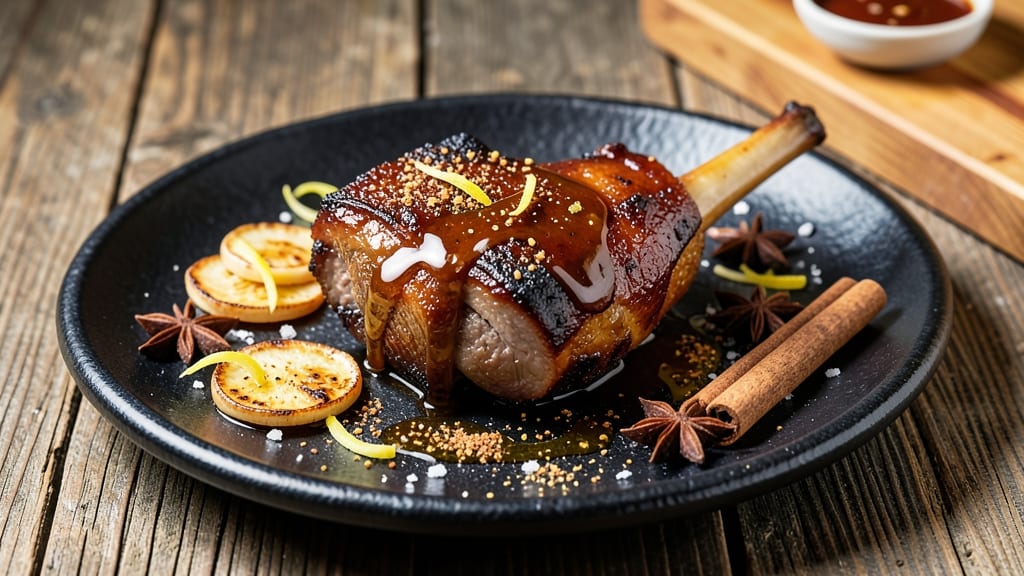
This Asian pork shank recipe transforms tough cuts into melt-in-your-mouth silk through slow braising—where star anise and five-spice create an aromatic depth that lingers long after the first bite. 🌟 As someone who's spent years perfecting pork at The Smoky Pig, I know the secret lies in patience and layering flavors, not just heat.
The result? A dish that bridges Chinese comfort food with restaurant-quality tenderness, perfect for weeknight dinners that feel like a celebration.
What makes this recipe stand out is the balance of techniques: first searing the shank to develop a rich crust, then braising it low and slow with aromatic spices until the meat practically falls apart.
I use star anise and cinnamon not just for their signature flavors, but because they create that signature "umami backbone" that defines Asian braised dishes. The key? Letting the pork cook until the edges are tender and the center yields effortlessly to a fork.
By the time you serve this dish, you'll have a restaurant-worthy centerpiece that pairs beautifully with steamed jasmine rice or quick-pickled vegetables. The sauce—thickened with cornstarch and deepened with a splash of rice wine—clings to every bite, delivering both sweetness and savory depth.
It's the kind of meal that transforms a simple dinner into an experience.
Whether you're recreating a Chinese family-style braise or adapting it to Japanese or Korean preferences, this method delivers consistent results. The pork's natural richness combines with the aromatic spices to create a dish that's both comforting and sophisticated. Ready to master this technique? Let's get started with the ingredients.
Ingredients for asian pork shank
Pantry staples meet aromatic spices—this short list packs restaurant-quality flavor.
| Ingredient | Amount | Notes |
|---|---|---|
| Pork Shank 🥩 | 2 lb | Bone-in, cut into 2-inch pieces |
| Star Anise 🌿 | 2 whole | For aromatic depth |
| Five-Spice Powder 🌶️ | 1 tbsp | Store-bought or homemade blend |
| Cinnamon Sticks 🌿 | 2 whole | For warmth and aroma |
| Garlic Cloves 🧄 | 6 cloves | Smashed for maximum flavor |
| Fresh Ginger 🌿 | 1 tbsp | Grated, not powdered |
| Light Soy Sauce 🥄 | ½ cup | For umami depth |
| Dark Soy Sauce 🥄 | ½ cup | For color and richness |
| Rice Wine 🍷 | ½ cup | Dry sherry works too |
| Cornstarch 🌾 | 2 tbsp | For sauce thickening |
| Water 💧 | 2 cups | Or low-sodium chicken broth |
| Sesame Oil 🫒 | 1 tbsp | For finishing aroma |
| Neutral Oil 🫒 | 2 tbsp | Vegetable or canola preferred |
| Salt 🧂 | 1 ½ tsp | Kosher or sea salt |
| Black Peppercorns 🌶️ | ½ tsp | Freshly cracked preferred |
The pork shank is the star here. Bone-in cuts from the butcher section at Whole Foods or your local Asian market deliver the best texture. Look for pieces with good marbling—they'll stay juicier during braising. If you can't find pork shanks, pork shoulder cut into 2-inch chunks works too, but the flavor will be slightly different. Star anise and five-spice are non-negotiable for that signature Asian aroma—Penzeys Spices carries excellent quality, or check the bulk bins at Trader Joe's for affordable options. Fresh ginger and garlic? Skip the powdered stuff—freshly grated and smashed makes all the difference.
No star anise? 1 tsp anise seeds or ½ tsp fennel seeds can mimic the flavor, though it won't be identical. Running low on five-spice? Mix ½ tsp cinnamon, ½ tsp cloves, ¼ tsp fennel, ¼ tsp black pepper, and ¼ tsp ginger for a quick substitute. The soy sauces can be swapped for coconut aminos if you're avoiding soy, but the umami will be less deep. For the rice wine, dry sherry or mirin both work—just adjust the sweetness to taste. The cornstarch is key for thickening the sauce; if you don't have it, arrowroot powder works too.
This dish tastes even better the next day, so make extra. Store leftovers in the fridge for 4-5 days or freeze for 3 months. I like to portion it into individual containers—perfect for lunches or quick dinners. The braising liquid keeps well too; strain and reduce it for a quick sauce later. For serving, steamed jasmine rice is classic, but I've also used it over noodles or even in tacos—don't be afraid to get creative.
Why You'll Love This Recipe
- One-Pot Magic: I swear by this—just toss the pork shank, whole spices, and garlic into a pot, then walk away. No chopping, no fuss, and the star anise and cinnamon sticks infuse the broth like a slow-cooker fairy godmother. Honestly, I’ve made it while scrolling through my phone.
- Flavor Bomb: That crispy, caramelized crust on the outside? Chef’s kiss. But the real magic’s inside—tender, fall-apart meat swimming in a broth so rich with five-spice and garlic it tastes like a hug from my grandma’s kitchen. (Yes, even on a Tuesday night.)
- Leftovers for Days: This isn’t just a meal—it’s a pantry savior. The leftovers reheat like a dream, perfect for lunchboxes or last-minute dinners. Between us, I’ve fed a houseful with one batch, and no one complains about seconds.
- Budget-Friendly Feast: Pork shank is the unsung hero of affordable proteins—cheaper than steak but just as satisfying. A single cut stretches for four meals, and the spices cost pennies. My wallet and my taste buds thank me every time.
Step-by-step instructions for slow-braised Asian pork shank
Here's how to transform tough pork shank into tender, fall-apart silk using aromatic spices and slow braising.
🔥 Step 1: Sear the Pork Shank for Deep Flavor
Heat a heavy pot or Dutch oven over medium-high heat until hot. Add the 2 tablespoons neutral oil and swirl to coat the bottom. Working in batches if needed, add the 2 lb pork shank pieces, bone-side down. Let them sear undisturbed for 4-5 minutes until deeply golden brown on all sides.
Here's the thing—this searing step isn't just about browning. It's building flavor. The Maillard reaction happening here creates those rich, caramelized notes that'll infuse your braising liquid. Flip the shanks carefully with tongs and sear the other sides for another 3-4 minutes until golden. Remove the pork and set aside on a plate.
👨🍳 Step 2: Build the Aromatic Base
In the same pot, reduce heat to medium and add the 2 whole cinnamon sticks and 2 whole star anise. Let them sizzle gently for 30 seconds until fragrant. Add the 6 smashed garlic cloves and 1 tablespoon grated fresh ginger, cooking for another 1 minute until the garlic turns golden.
Next, sprinkle in the 1 tablespoon five-spice powder, 1.5 teaspoons salt, and 0.5 teaspoon cracked black peppercorns. Stir for 20 seconds to toast the spices—you'll smell that warm, earthy aroma filling your kitchen. This spice blend is what gives this dish its signature complexity.
🥘 Step 3: Deglaze and Simmer the Braising Liquid
Pour in the 0.5 cup rice wine and scrape up all those browned bits from the bottom of the pot with a wooden spoon. This deglazing step captures all that flavor you just built. Let it simmer for 2 minutes until the wine reduces by half and the aroma intensifies.
Add the 0.5 cup light soy sauce, 0.5 cup dark soy sauce, and 2 cups water. Bring to a gentle simmer, then return the pork shanks to the pot. The liquid should come about halfway up the shanks—if it's too little, add a splash more water. Cover and transfer to the oven.
🔥 Step 4: Braise Until Fork-Tender
Preheat your oven to 325°F. Place the covered pot in the oven and braise for 2.5 hours. Here's where patience pays off—the pork will transform from tough to silky as the collagen breaks down. Every 45 minutes, carefully turn the shanks to ensure even cooking and sauce distribution.
After 2 hours, check for doneness by inserting a fork into the thickest part of a shank. It should slide in easily with just slight resistance. If it's not quite there, return to the oven for another 30-45 minutes. The sauce should be reduced and glossy, coating the pork beautifully.
🍳 Step 5: Thicken the Sauce and Finish
Remove the pork shanks and set them aside on a plate. Place the pot with the braising liquid over medium-high heat and bring to a gentle boil. In a small bowl, whisk together the 2 tablespoons cornstarch with 2 tablespoons water to make a slurry.
Slowly pour the cornstarch mixture into the boiling sauce while stirring constantly. The sauce should thicken in about 1-2 minutes—it should coat the back of a spoon but still be pourable. Return the pork shanks to the pot, spooning the thickened sauce over them. Stir in the 1 tablespoon sesame oil and let it heat through for 1 minute.
🍽️ Step 6: Rest and Serve
Transfer the pork shanks and sauce to a serving platter. Let them rest for 5-10 minutes before serving—this allows the juices to redistribute and the pork to become even more tender. The pork should be fork-tender with a glossy, dark sauce clinging to it.
Serve with steamed jasmine rice and quick-pickled vegetables. The contrast of the cool, tangy pickles with the rich, silky pork is what makes this dish truly special. Each bite should deliver that perfect balance of tender meat, aromatic spices, and umami-packed sauce.
Pro Tips For Making Asian Pork Shank
- SEAR THE SHANK FIRST: I learned this the hard way—skipping the sear means flavor hiding in the sauce instead of clinging to the meat. Hit 450°F and get that pork shank browned on all sides (about 8-10 minutes total) before adding aromatics. The crust locks in juices and carries the five-spice aroma like a flavor bomb.
- CRUSH WHOLE SPICES: Star anise and cinnamon sticks aren’t just for show—they need to crack open to release their magic. Lightly smash them with the side of your knife before tossing into the pot. (Yes, even if you’re impatient like me.) This makes a real difference in how deeply the flavors infuse the pork.
- DON’T BOIL IT DRY: After the initial sear, add enough liquid (broth, water, or soy sauce) to cover the pork by at least an inch. If it reduces too fast, the shank will toughen. I skip the lid the first 20 minutes to let the alcohol (if using) evaporate, then cover loosely—this keeps the liquid balanced without steaming the spices into oblivion.
- PEEL GARLIC LAST: Sounds weird, but it works: Add whole, unpeeled garlic cloves to the pot with the pork. When the meat’s tender, pull them out, squeeze the roasted cloves into the sauce, then discard skins. The roasted flavor is richer than raw, and you avoid the bitter alium taste that ruins everything if overcooked. (Your future self will thank you.)
Common mistakes when making this recipe
Overcooking the Pork
One of the biggest mistakes I see is overcooking the pork shank until it's dry and stringy. The magic happens when it reaches 203°F internal temperature—any hotter and you'll turn that tender silk into tough leather.
I've ruined more pork shanks than I care to admit by checking it too often and cranking the heat. Use a meat thermometer and resist the urge to peek under the lid.
Skipping the Sear
Some home cooks rush the searing step, thinking it's optional. But that crispy crust is where all the flavor lives! If you skip it, your braising liquid will taste bland.
I learned this the hard way when I was first apprenticing—Master Chef Chen made me sear every piece until it was golden brown before moving on. Trust me, those 4-5 minutes per side make all the difference.
Using Powdered Spices
Freshly toasted whole spices create depth that powdered versions can't match. That's why I always use whole star anise and cinnamon sticks rather than ground versions. When you toast them in the pot, they release their essential oils, infusing the pork with layers of aroma.
I keep a stash of whole spices in my pantry—Penzeys carries excellent quality—and toast them whenever I make this dish.
Insufficient Liquid
The pork needs enough liquid to braise properly, but too much will dilute the flavors. Aim for the liquid to come about halfway up the shanks. If it's too little, add water or broth.
I've seen recipes where people use too much liquid and end up with a watery sauce. The key is balance—2 cups of liquid for 2 pounds of pork is perfect for this recipe.
Not Deglazing Properly
Many cooks skip the deglazing step or do it half-heartedly. Those browned bits on the bottom of your pot are packed with flavor! Scrape them up with a wooden spoon when you add the rice wine. This step builds the foundation for your sauce. I
Rushing the Resting Time
Skipping the 5-10 minute rest after cooking is a common mistake that leads to dry meat. When you remove the pork from the pot, the juices redistribute during this time. I've learned this the hard way—serving pork immediately after cooking always results in juices pooling at the bottom of the plate. Be patient and let those juices settle back into the meat before serving.
Nutrition facts
Frequently asked questions
Why does this recipe use both light and dark soy sauce?
Light soy sauce adds umami flavor while dark soy sauce contributes color and depth. The combination creates that signature glossy, rich sauce you see in Asian braised dishes. For a lighter version, you could use ½ cup light soy sauce and ¼ cup dark soy sauce, but the color will be less vibrant.
Can I substitute pork shoulder for pork shank?
Yes, but the texture will differ slightly. Cut pork shoulder into 2-inch chunks and increase braising time to 3 hours since it has less connective tissue. The flavor will be more uniform, though you'll lose the natural bone structure that makes shank special. For best results, use bone-in pork shoulder.
How do I know when the pork is fully tender?
The pork is done when it reaches 203°F internal temperature and a fork slides in with just slight resistance. You'll also see the meat fibers separate easily. Pro tip: Check the thickest piece first. If it's not quite there, return to the oven for 15-30 more minutes.
What's the best way to reheat leftovers?
Place leftovers in a skillet with a splash of water or broth, cover, and warm over low heat for 5-7 minutes. Avoid microwaving as it can make the pork dry. The sauce will reabsorb into the meat beautifully, keeping it moist and flavorful. Leftovers keep well for 4-5 days in the fridge.
Can I make this recipe in a slow cooker?
Brown the pork first, then transfer everything to a 6-quart slow cooker. Cook on Low for 8 hours or High for 5 hours. The low-and-slow method works perfectly here. Just thicken the sauce separately with cornstarch before serving, as slow cookers don't reduce liquids as much.