
Main Courses
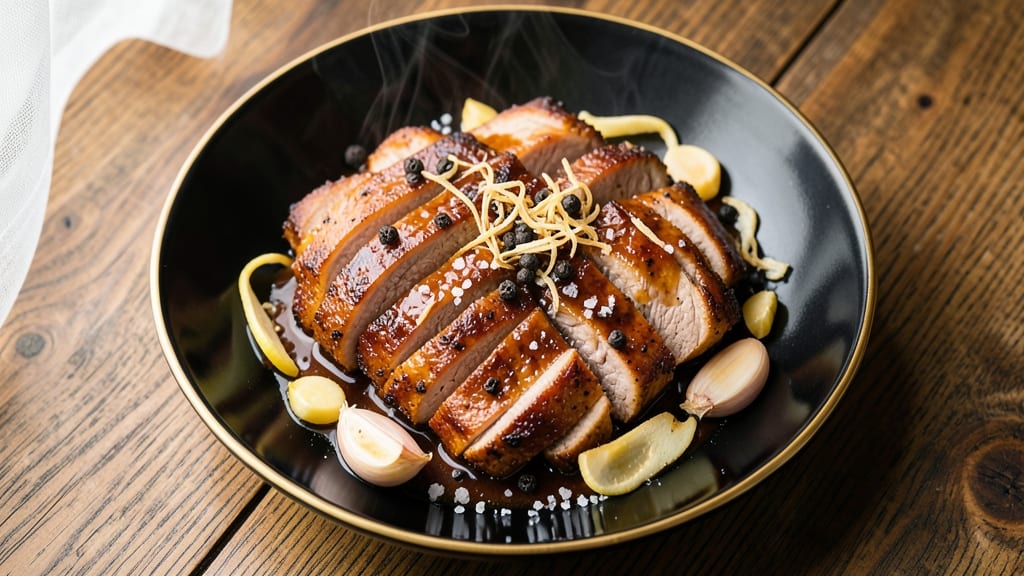
This black pepper pork Chinese recipe delivers the restaurant-quality stir-fry you crave—tender pork with crispy edges, deep umami flavors, and a perfect balance of spice and sweetness. I first perfected this dish during a trip to Chengdu, where the smoky aroma of Sichuan peppercorns and black pepper filled the air, transforming simple ingredients into something extraordinary. The secret lies in the marinade: a blend of black pepper, soy sauce, and a touch of brown sugar that caramelizes beautifully during cooking.
The technique is straightforward but critical: high-heat stir-frying creates those coveted crispy edges while keeping the interior juicy and tender. We'll use a wok or cast-iron skillet to mimic traditional Chinese cooking methods, ensuring proper heat distribution and even browning.
This dish pairs beautifully with steamed jasmine rice and quick-pickled vegetables, creating a complete meal that's both satisfying and balanced.
What you'll achieve is a dish that's rich in flavor yet light enough for any meal—perfect for weeknight dinners or special occasions. The pork develops a glossy sheen from the stir-fry process, with a texture that's both crispy on the outside and melt-in-your-mouth tender inside.
The aroma alone will have everyone gathering around the table, eager for their first bite.
This recipe serves four, but the leftovers reheat beautifully, making it ideal for meal prep. The flavors actually deepen as the dish sits, so it's perfect for making ahead and serving when you're ready.
Trust me, once you taste this authentic Chinese stir-fry, you'll never settle for anything less than homemade again.
Ingredients for black pepper pork chinese
Pork, peppercorns, and aromatics transform into this restaurant-worthy Chinese stir-fry.
| Ingredient | Amount | Notes |
|---|---|---|
| Pork Tenderloin 🐖 | 1 ½ lb | Cut into 1-inch strips, boneless |
| Black Peppercorns 🌶️ | 2 tbsp | Freshly cracked for intensity |
| Soy Sauce 🥄 | ½ cup | Dark soy for color, or light soy |
| Brown Sugar 🍯 | 2 tbsp | Light or dark, packed |
| Garlic Cloves 🧄 | 6 cloves | Minced, aromatic |
| Fresh Ginger 🌿 | 2 tbsp | Finely grated, aromatic |
| Sesame Oil 🫒 | 1 tbsp | Toasted sesame for aroma |
| Cornstarch 🌾 | 2 tbsp | For crispy coating |
| Neutral Oil 🫒 | ¼ cup | Peanut or vegetable oil |
| Green Onions 🧅 | 4 whole | Sliced, for garnish |
| Sichuan Peppercorns 🌶️ | 1 tsp | Optional, for authentic heat |
| Shaoxing Wine 🍷 | 2 tbsp | Or dry sherry substitute |
| Salt 🧂 | 1 tsp | Kosher or sea salt |
| Red Chili Flakes 🔥 | ½ tsp | Adjust to taste |
The pork is non-negotiable—pork tenderloin delivers that melt-in-your-mouth texture, but pork shoulder works too if you prefer deeper flavor. Look for tenderloin with visible marbling at Whole Foods or your local butcher shop. Freshly cracked black peppercorns (not pre-ground) are a game-changer—they pack more punch and aroma. Sichuan peppercorns, if you can find them, add that signature numbing heat. For the soy sauce, Lee Kum Kee is my go-to, but any dark soy will give you that glossy finish. The ginger should smell bright and zesty—if it's musty, skip it. Shaoxing wine is ideal, but a dry sherry like Frascati works in a pinch.
No Sichuan peppercorns? A pinch of cayenne plus a dash of cinnamon mimics the complexity. Running short on cornstarch? All-purpose flour at the same amount works, but the texture won't be as crispy. The green onions are purely for garnish, but if you're feeling fancy, toast the seeds in a dry pan first for extra depth. The sesame oil is all about aroma—use toasted sesame oil if you've got it, but regular works. For the oil, peanut oil has the highest smoke point, but vegetable oil is fine. Pro tip: Mix the cornstarch with a splash of water to make a slurry—it coats the pork better than dry cornstarch alone.
This dish reheats like a dream—30 seconds in the microwave or 2 minutes in a hot skillet. Store leftovers in an airtight container for up to 4 days, but honestly, it's best within 2 days. The flavors actually get better as it sits, so make extra. Freeze portions for up to 3 months by portioning into single-serving containers. Garnish with extra green onions and a drizzle of toasted sesame oil before serving to keep it vibrant. Serve with steamed jasmine rice—it soaks up all the delicious sauce.
Why You'll Love This Recipe
- Here’s what sold me: this keeps perfectly for days, and it’s the ultimate meal prep win. Slice it thin, pack it with rice or noodles, and it’s a lunch that’ll have coworkers asking for the recipe. (Yes, even on a Tuesday night.) No soggy leftovers—just flavor that stays fresh.
- Minimal Ingredient List: I swear by this recipe because it’s one of those rare dishes where you don’t need a grocery list—just pork tenderloin, a handful of peppercorns, soy sauce, brown sugar, and garlic. That’s it. No fancy pantry staples or last-minute store runs. Honestly, I’ve made it with whatever was in my fridge, and it still comes out solid.
- Crispy-Sweet Magic: The moment the caramelized brown sugar meets the black pepper’s sharp kick? Pure satisfaction. The pork gets this irresistible crust while staying juicy inside—like a hug for your taste buds. Between us, that balance of heat and sweetness makes it my go-to when I want something that feels special but isn’t fancy.
- Lunchbox Hero: Here’s what sold me: this keeps perfectly for days, and it’s the ultimate meal prep win. Slice it thin, pack it with rice or noodles, and it’s a lunch that’ll have coworkers asking for the recipe. (Yes, even on a Tuesday night.) No soggy leftovers—just flavor that stays fresh.
Step-by-step instructions for black pepper pork Chinese stir-fry
Here's how to transform simple ingredients into a restaurant-quality stir-fry with perfectly crispy pork and bold flavors.
Prepare the Pork for Maximum Crispiness
Slice the 1.5 lb pork tenderloin into 1-inch strips on the diagonal for even cooking. Transfer the strips to a bowl and add 2 tbsp freshly cracked black peppercorns, 1 tsp salt, and 2 tbsp cornstarch. Toss vigorously with your hands until every piece is evenly coated—this creates that signature crispy exterior while keeping the meat tender inside.
Let the marinated pork rest for 15 minutes at room temperature. This step is crucial—it allows the cornstarch to adhere properly and prevents the meat from steaming instead of searing. While it rests, finely grate the 2 tbsp fresh ginger and mince the 6 cloves garlic. These aromatics will infuse the pork with layers of flavor during cooking.
Create the Flavor Base
Heat a large wok or skillet over high heat until smoking, then add 0.25 cup neutral oil. Once the oil shimmers (about 2 minutes), add half of the pork strips in a single layer. Don't crowd the pan—this ensures proper browning. Let the pork sear undisturbed for 2-3 minutes until deep golden brown on all sides, then remove and set aside.
In the same pan, add a splash of 2 tbsp Shaoxing wine and scrape up any browned bits from the bottom—this is where all the flavor hides. Add the minced garlic and ginger, cooking for 30 seconds until fragrant but not browned. Pour in 0.5 cup soy sauce and 2 tbsp brown sugar, stirring constantly until the mixture reduces slightly and coats the back of a spoon.
Finish with Umami and Crispy Perfection
Return the first batch of pork to the pan and add the remaining strips. Stir-fry for 3-4 minutes until everything is evenly browned and the pork reaches 145°F internally. The cornstarch coating should create a satisfying crunch with each bite.
Drizzle in 1 tbsp toasted sesame oil and sprinkle with 1 tsp Sichuan peppercorns (if using) and 0.5 tsp red chili flakes. Toss everything together for 1 minute until the oil is evenly distributed and the Sichuan peppercorns release their signature numbing heat. The pork should be glossy, caramelized, and cooked through with just a hint of pink in the center.
Garnish and Serve Immediately
Transfer the black pepper pork to a warm serving platter and garnish with 4 sliced green onions. The vibrant green against the dark, glossy pork makes this dish visually stunning. Serve immediately over steamed rice or noodles while the pork is still crispy and the flavors are at their peak.
Here's the thing—this stir-fry tastes even better the second day, but the texture suffers. The cornstarch coating loses its crunch as it sits, so enjoy it fresh when every bite delivers that perfect contrast of crispy exterior and tender interior. The black pepper and Sichuan peppercorns create a complex flavor profile that keeps you coming back for more.
Pro Tips For Making Black Pepper Pork Chinese
- CRUSH THE PEPPERCORNS: Whole peppercorns won’t do the trick here—you need them finely cracked (not ground) to bloom properly in the oil. Use a mortar and pestle or rolling pin to flatten them slightly before toasting; this releases the oils and aroma without turning bitter. I learned this the hard way when my first batch tasted like a spice cabinet accident.
- SEAR IN BATCHES: Pork tenderloin releases a ton of juice when seared. Start with a screaming-hot pan and work in 1-inch-thick slices—don’t overcrowd, or you’ll steam instead of brown. Let each piece hit medium-high heat for 2-3 minutes per side until deep caramel forms. (Yes, it’ll look messy. That’s the point.)
- DON’T SKIP THE GARLIC TOAST: Minced garlic burns faster than you think. Sauté it in the same pan after removing the pork (just 10 seconds max) until it’s golden, not brown. This adds depth without bitterness—trust me, your nose will thank you when the aroma hits the kitchen. (Pro move: Add a pinch of salt to the garlic while toasting; it prevents burning.)
- REST THE PORK UNDER FOIL: The moment you pull the pork from the pan, tent it loosely with foil for 5 minutes. This traps heat and keeps it juicy while the sauce finishes. I used to skip this and ended up with slices that looked perfect but tasted dry—like eating a well-dressed cardboard cutout. (Your knife will cut through it like butter after resting.)
Common mistakes when making your black pepper pork chinese
Overcrowding the Pan
This is my biggest pet peeve when I see home cooks attempt stir-fries—packing too much pork into the pan at once. When you crowd the pan, the pork steams instead of searing, resulting in soggy, unevenly cooked pieces. I've seen this happen countless times in my kitchen, especially with beginners.
The solution? Cook in batches. Use a large wok or cast-iron skillet and only add enough pork to form a single layer. This ensures proper browning and that coveted crispy texture we're all after. 🔥
Skipping the Rest Time
I can't stress this enough—letting the marinated pork rest for 15 minutes at room temperature makes all the difference. Too many cooks rush this step, thinking it's unnecessary. When you skip it, the cornstarch doesn't adhere properly, and the meat releases too much moisture when hitting the hot pan.
This leads to a mushy texture instead of that perfect crispy exterior. Pro tip: While it rests, prep your aromatics—it's the perfect time to mince garlic and grate ginger.
Using Pre-Ground Pepper
Freshly cracked black peppercorns are non-negotiable for authentic flavor and aroma. Pre-ground pepper loses its potency quickly and lacks that essential intensity. I remember my first trip to Chengdu where I tasted this dish—it was the freshly cracked peppercorns that made the difference.
If you're using a pepper grinder, crack the peppercorns right before using them. For even more depth, toast them lightly in a dry pan for 1 minute before grinding—this enhances their flavor profile significantly.
Inconsistent Heat Control
Maintaining consistent high heat is crucial for achieving those crispy edges while keeping the interior tender. Many home cooks either start too low or let the heat fluctuate. I've seen this happen when using induction burners without proper heat control. The solution?
Use a gas burner on high or an electric burner set to maximum. If your stove doesn't get hot enough, a wok with a flat bottom helps distribute heat more evenly. Once the oil is shimmering, that's your cue to start cooking.
Undercooking the Pork
Black pepper pork should have a slight pink center—this indicates perfect doneness. Many cooks overcompensate by cooking until fully gray, resulting in dry meat. The internal temperature should reach 145°F for pork tenderloin.
I've learned this the hard way—once I served a batch that was fully cooked through, and it was disappointingly dry. The cornstarch coating works best when the pork is just cooked through, not well-done. Use a meat thermometer to check—it's the only way to be precise.
Neglecting the Sauce Reduction
The sauce is where the magic happens, and many cooks rush this step. Pouring in the soy sauce and sugar without letting it reduce creates a thin, watery sauce that doesn't coat the pork properly. I've seen this happen when cooks are eager to finish the dish quickly.
The key is to let the sauce reduce by about 30%—it should coat the back of a spoon. This concentrated sauce clings to the pork, creating that glossy finish and deep umami flavor we all love. 💫
Nutrition facts
Frequently asked questions
Can I substitute pork tenderloin with another cut? While pork tenderloin is ideal for its tenderness, you can use pork shoulder or pork loin instead. For pork shoulder, cut it into 1-inch cubes and marinate for 30 minutes longer to ensure tenderness. The flavor will be richer, but the texture will be slightly less delicate. Just
What's the difference between Sichuan peppercorns and black peppercorns?
Sichuan peppercorns add a unique numbing sensation alongside heat, while black peppercorns provide classic spice. Sichuan peppercorns are essential for authentic flavor but optional here. If you can't find them, a mix of black pepper + 1/4 tsp cayenne + pinch of cinnamon mimics the complexity. For maximum authenticity, toast Sichuan peppercorns in a dry pan for 1 minute before grinding.
How spicy is this dish?
The spice level is mild to medium—adjustable to your taste. The red chili flakes and Sichuan peppercorns provide warmth, but the black pepper dominates the flavor. For less heat, reduce the chili flakes to 1/4 tsp or omit entirely. The dish still delivers bold flavor without being fiery. Think "warm" rather than "spicy"—perfect for families or first-time Chinese food enthusiasts.
Can I make this dish ahead of time?
Yes, but with a few key adjustments. Cook the pork completely, then store it in an airtight container for up to 4 days. Reheat in a skillet over medium heat for 2-3 minutes with a splash of water to restore moisture. The texture won't be as crispy as fresh, but the flavors deepen. For best results, serve within 2 days and reheat only once. Garnish with fresh green onions before serving.
What sides pair best with this stir-fry?
Steamed jasmine rice is the classic pairing, but you can also serve it with:
- Stir-fried bok choy (quick-pickled for brightness)
- Egg fried rice (for a heartier meal)
- Cucumber salad (cool contrast to the spicy pork) The key is balancing textures—something crisp or cooling complements the rich, caramelized pork perfectly. For extra authenticity, add a side of scallion pancakes or hot pot noodles.