
Main Courses
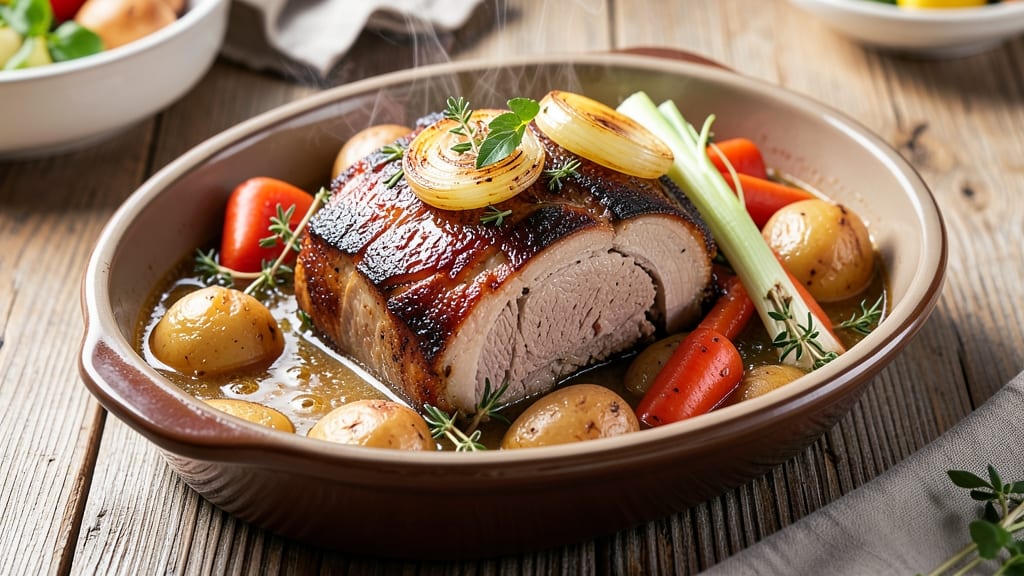
This boiled dinner recipe with pork shoulder transforms a simple pot into a showstopping Sunday centerpiece—no fancy equipment required. 💛 I remember my grandmother's kitchen always smelled like this when family gathered, and I've perfected her method over years of cooking for crowds at The Smoky Pig.
The secret lies in slow, gentle simmering that renders the pork to melt-in-your-mouth tenderness while infusing the broth with deep, savory flavor.
The beauty of this one-pot approach is how effortlessly it comes together: a well-seasoned pork shoulder cooks alongside potatoes and vegetables until everything is perfectly tender.
We'll use aromatic vegetables—carrots, onions, and celery—as the flavor base, then let the pork's natural juices create a rich, golden broth that needs no extra gravy. This is the kind of meal that feeds a crowd, warms the soul, and leaves your kitchen smelling like a Southern Sunday.
What makes this recipe truly special is the balance of technique and simplicity—no pressure cooker needed, just patience and attention to detail. The pork shoulder develops a beautiful bark while staying impossibly tender inside, and the vegetables absorb the meaty broth until they're impossibly flavorful.
This is comfort food at its finest: hearty, satisfying, and full of the kind of flavors that make people linger at the table.
Perfect for family gatherings, holiday feasts, or when you want to recreate that nostalgic Sunday dinner experience. The leftovers reheat beautifully too, making this an ideal make-ahead meal for busy weeks. Let's get started on creating a dish that tastes like home.
Ingredients for boiled dinner recipe pork shoulder
Six ingredients transform a simple pot into a nostalgic Sunday feast that smells like home.
| Ingredient | Amount | Notes |
|---|---|---|
| Pork Shoulder (Bone-In) 🐖 | 4 lb | Well-marbled, 2-3 inches thick |
| Yellow Onions 🧅 | 2 whole | Medium size, peeled and halved |
| Carrots 🥕 | 6 whole | Medium size, peeled and halved |
| Celery Stalks 🧄 | 4 whole | Trimmed and cut into 2-inch pieces |
| Russet Potatoes 🥔 | 4 lb | Whole, unpeeled, scrubbed |
| Fresh Thyme Sprigs 🌿 | 4 whole | Or 1 tbsp dried thyme |
| Fresh Rosemary Sprigs 🌿 | 2 whole | Or 1 tsp dried rosemary |
| Garlic Cloves 🧄 | 6 cloves | Peeled and smashed |
| Bay Leaves 🍃 | 2 whole | Fresh preferred |
| Kosher Salt 🧂 | 1 ½ tbsp | Diamond Crystal preferred |
| Freshly Ground Black Pepper 🌶️ | 1 tbsp | Coarse grind preferred |
| Apple Cider Vinegar 🍎 | ¼ cup | For bright acidity |
| Whole Black Peppercorns 🌶️ | 1 tsp | For broth depth |
| Water 💧 | 8 cups | Enough to cover ingredients |
The pork shoulder is the heart of this dish—look for one with good marbling at Whole Foods or your local butcher. A 4-pound bone-in cut gives you that rich, meaty broth everyone loves. If you're buying pre-cut, make sure it's not too lean; the fat renders down into flavor gold. I always ask the butcher to trim excess fat from the top but leave the marbling intact. For the aromatic vegetables, Trader Joe's has great pre-cut celery, carrot, and onion mixes, but whole is better if you've got the time. The potatoes should be firm and free of sprouts—Idahoan or Russet work best for their fluffy texture. Fresh herbs make all the difference here, so grab a small bunch of thyme and rosemary from the grocery store's produce section—they'll keep for up to a week in the fridge if wrapped loosely in paper towels.
No fresh herbs? Dried will work at one-third the amount, but honestly, the fresh stuff is worth it for this recipe. Running short on vinegar? A splash of lemon juice does the trick, though apple cider gives that classic boiled dinner tang. The black peppercorns are non-negotiable for depth—if you're feeling fancy, toast them lightly in a dry pan before adding. For the salt, Diamond Crystal is my go-to because it dissolves beautifully, but any kosher salt works. The water should be cold when you start—this helps the pork cook gently and evenly. If you're cooking for a crowd, you can easily double the recipe without any issues; just use a larger pot.
This dish tastes even better the next day, so plan ahead—it reheats beautifully in the same pot over low heat. Store leftovers in the fridge for up to 5 days, or freeze portions for 3 months by wrapping tightly in foil. The broth reduces as it cools, so you might want to skim off some fat before reheating if you prefer a lighter texture. I always make extra because the broth alone is worth saving—freeze it in ice cube trays for future soups and stews. The potatoes and pork will keep their texture perfectly when reheated gently, so don't rush it.
Why You'll Love This Recipe
- No Chopping Chaos: I swear by the "mirepoix shortcut"—just toss in whole onions, carrots, and celery stalks (no need to dice). The flavors still meld perfectly while you’re busy stirring the pot or answering the door.
- Fork-Tender Magic: That bone-in pork shoulder? It practically falls apart after hours of simmering, soaking up the sweetness of the onions and the earthiness of the potatoes. Honestly, the first bite is like hugging your taste buds.
- Sunday Supper Staple: Between us, this is my go-to for game days, family dinners, or when I need to feed a crowd without stress. Double the recipe, and you’ve got leftovers for lunch all week—no sad desk salads here.
- Pocketbook Hero: A bone-in pork shoulder costs less than half what a pre-cut roast does, and it stretches across three meals. Plus, the veggies are cheap, and the flavor? Ridiculously good. My wallet and I both approve.
Step-by-step instructions for one-pot Sunday roast magic
This classic boiled dinner transforms humble ingredients into a comforting centerpiece.
🍳 Step 1: Sear the Pork Shoulder for Maximum Flavor
Heat a large Dutch oven over medium-high heat until hot. Pat the 4 lb pork shoulder dry with paper towels—this ensures a better sear. Working in batches if needed, sear the pork on all sides until deeply golden brown and crispy, about 8-10 minutes total. The reason for searing is simple: it creates a flavorful crust that infuses into the broth during cooking.
While the pork sears, prepare your vegetables. Peel and halve the 2 whole yellow onions and 6 whole carrots. Trim the 4 whole celery stalks into 2-inch pieces. These will form the aromatic base of your one-pot masterpiece. Keep them nearby—they'll join the pot shortly after the pork develops its crust.
🥘 Step 2: Build the Aromatic Base and Layer Vegetables
Remove the seared pork from the Dutch oven and set it aside. In the same pot, add the prepared onions, carrots, and celery along with the 4 whole fresh thyme sprigs, 2 whole fresh rosemary sprigs, 6 cloves garlic, and 2 whole bay leaves. Sauté for 5 minutes until the vegetables begin to soften slightly and release their natural sweetness.
Here's where the magic happens: add the 4 lb russet potatoes (whole and scrubbed) to the pot. Arrange them around the pork shoulder, creating a single layer. Pour in the 8 cups water and add the 1.5 tbsp kosher salt, 1 tbsp freshly ground black pepper, 0.25 cup apple cider vinegar, and 1 tsp whole black peppercorns. The vinegar brightens the broth while the peppercorns add subtle depth.
🔥 Step 3: Simmer Until Fork-Tender Perfection
Return the pork shoulder to the pot, placing it on top of the potatoes. Bring everything to a gentle boil over high heat, then immediately reduce to a low simmer. The key here is patience—cover the pot and let it cook undisturbed for 2.5-3 hours. You'll know it's ready when the pork shoulder is fork-tender (a knife should slide in easily) and the potatoes are soft when pierced with a fork.
Check the liquid level occasionally and add hot water if needed to keep the vegetables submerged. This ensures even cooking and prevents burning. The aroma filling your kitchen will be worth the wait—earthy herbs, sweet carrots, and the rich pork all melding together in perfect harmony.
⏰ Step 4: Rest and Shred for Maximum Juiciness
Once the pork reaches 203°F internally and the vegetables are tender, remove the pot from heat. Let everything rest for 15-20 minutes before serving. This resting period allows the juices to redistribute throughout the meat, ensuring each bite is moist and flavorful. During this time, you can prepare your sides or simply enjoy the incredible aroma.
Use two forks to shred the pork shoulder directly in the pot, then serve it family-style with the vegetables and rich broth. The potatoes should be creamy inside with crisp edges from the long simmer, while the carrots and celery will have absorbed all that wonderful flavor. Ladle the broth over everything for the ultimate comfort food experience.
Pro Tips For Making Boiled Dinner Recipe Pork Shoulder
- SEAR THE PORK FIRST: Skip the slow start—get that pork shoulder browned in a hot pot for 3-4 minutes before adding liquid. The crust locks in flavor and keeps the meat from turning bland during hours of simmering. (Yes, even if you’re impatient like me, this step is worth the wait.)
- CUT POTATOES UNIFORM: Big chunks stay tough; tiny bits turn to mush. Aim for 1.5-inch cubes—big enough to hold shape but small enough to cook through without drying out. I learned this the hard way after serving rubbery spuds to skeptical guests.
- DON’T CROWD THE POT: Overloading the pot steams the veggies instead of simmering them. Start with a single layer of potatoes, then add more as they cook, or do a second batch. Crowding turns your boiled dinner into a sad, watery stew.
- USE THE PORK FAT: After removing the meat, don’t dump that golden fat—it’s liquid gold. Strain it into a small pan, reduce it for 2-3 minutes, then drizzle it over the potatoes and veggies. It adds richness without extra butter. (Your future self will thank you.)
Regional styles of boiled dinner recipe pork shoulder
Southern Comfort Style
In the heart of the Deep South, this boiled dinner takes on a soulful character with the addition of smoked paprika and a splash of bourbon. After searing the pork, I toss in 1 tbsp smoked paprika with the vegetables for a subtle smoky warmth.
Then, when adding the liquid, replace 2 tbsp of the apple cider vinegar with 2 tbsp bourbon—this adds depth and a touch of Southern hospitality. The result? A dish that tastes like it's been simmering all day in a Georgia kitchen. 🌶️
For extra richness, I like to finish with a drizzle of hot honey (mix 1 tbsp honey with ½ tsp cayenne pepper) over the shredded pork. This sweet-spicy contrast is pure Southern comfort food magic. Serve with classic cornbread and collard greens for the full experience.
Charleston Lowcountry Twist
Charleston's coastal influence brings a briny touch to this dish. After building the aromatic base, I add 2 tbsp Old Bay seasoning to the vegetables before adding the potatoes. The seafood-inspired blend of celery salt, paprika, and black pepper adds a unique depth that locals love.
For the liquid, I use ½ cup chicken broth instead of water to enhance the savory notes. 🍤
Once the pork is cooked, I finish it with a sprinkle of fresh parsley and a squeeze of lemon juice—this brightens the dish and cuts through the richness. The Lowcountry version pairs beautifully with buttermilk biscuits and a simple green salad with a tangy vinaigrette.
Midwest Heartland Adaptation
The Midwest takes this boiled dinner and makes it heartier with the addition of sausage. Alongside the pork shoulder, I brown 4 oz kielbasa sausage (sliced into rounds) and add it to the pot with the vegetables.
The sausage adds a smoky, spiced dimension that Midwesterners adore. I also include 1 small head of cabbage (cut into wedges) for extra texture and volume. 🥓
For seasoning, I use 1 tsp mustard powder in the broth to give it that classic Midwest tang. The result is a dish that's perfect for cold winters—packed with protein, flavor, and enough leftovers to feed the family all week.
New England Classic
Up north, this boiled dinner becomes a New England staple with the addition of clams or mussels. After the pork and vegetables have simmered for 1.5 hours, I add 1 lb fresh clams or mussels (scrubbed and debearded) to the pot.
The steam opens them perfectly, and they absorb all the rich pork broth flavors. The dish finishes with a sprinkle of fresh parsley and a crack of black pepper. 🦪
New Englanders love serving this with buttered noodles or crusty bread to soak up the broth. The contrast of tender pork, briny seafood, and creamy potatoes makes this a regional favorite that feels like a hug in a bowl.
Texas-Style BBQ Boil
In Texas, this boiled dinner gets a smoky, spicy upgrade inspired by BBQ traditions. After searing the pork, I rub it with a mix of 1 tbsp chili powder, 1 tsp cumin, and ½ tsp smoked paprika before adding it to the pot.
The vegetables get a boost from 1 jalapeño pepper (halved and seeded) for a subtle kick. 🌶️
For the liquid, I replace 2 cups of water with 2 cups beef broth> and add 1 tbsp apple cider vinegar for brightness. The result is a dish that's rich, smoky, and perfect for feeding a crowd.
Serve with cornbread and a side of pickled jalapeños for the full Texas experience.
Nutrition facts
Frequently asked questions
Can I use a pressure cooker for this boiled pork shoulder? A pressure cooker cuts cooking time dramatically. Use the same ingredients but reduce water to 4 cups and cook on high pressure for 45-50 minutes after the pork comes to a boil. The meat will be just as tender, but with less hands-off time. Just
What if my pork shoulder isn't tender after 3 hours?
Check the internal temperature—it should reach 203°F for perfect tenderness. If not, return to a simmer and cook another 30-45 minutes. For extra help, add ½ cup broth or water to keep it submerged. Bone-in cuts take slightly longer than boneless, so adjust accordingly. Never rush this step—the difference between tough and melt-in-your-mouth pork is patience.
Can I make this ahead of time for a large gathering?
This is one of the best make-ahead meals! Cook the pork shoulder and vegetables completely, then refrigerate the whole pot for up to 3 days. Reheat gently on low, adding ½ cup water if needed. The flavors actually deepen overnight. For parties, I often cook it the night before—it reheats beautifully and tastes like it was just made.
What's the best way to use the leftover broth?
Save that golden broth for future meals! Strain it and freeze in 1-cup portions for soups or stews. It's perfect for mashed potatoes, rice dishes, or even gravy. For extra richness, skim off any solidified fat before freezing. I often use it to make pork and potato soup—just add some fresh veggies and a splash of cream!
Can I substitute other cuts of pork for the shoulder?
While pork shoulder is ideal for its fat content and flavor, you can use pork butt (Boston butt) as a direct substitute. Avoid lean cuts like tenderloin—they won't render enough fat for that rich broth. If using pork butt, increase cooking time by 15-20 minutes as it's slightly more tender. For extra insurance, sear it longer to build flavor.