
Main Courses
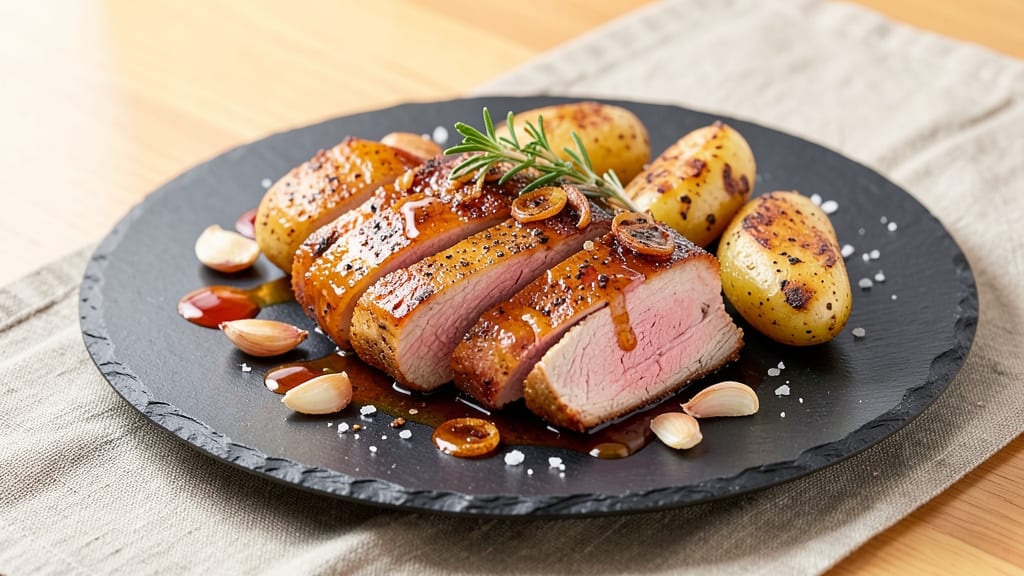
This Cajun honey pork tenderloin recipe delivers a perfect balance of spicy heat and sweet caramelization that'll have your guests begging for seconds. Growing up in Georgia, I learned pork deserves bold flavors—this dish combines smoky Cajun spices with honey's natural sweetness for a glaze that caramelizes into sticky perfection.
The tenderloin stays juicy while developing a deep mahogany crust that locks in all those complex flavors.
The secret lies in the glaze preparation: simmering Cajun seasoning with honey and a touch of apple cider vinegar creates a sauce that's both tangy and sweet. I've perfected this technique over years of cooking for crowds at The Smoky Pig, where we process 2,000 pounds of pork weekly.
The glaze needs time to develop—don't rush it, and trust the process for that restaurant-quality depth of flavor.
What you'll end up with is a pork tenderloin that's impossibly tender inside with a caramelized crust so sticky it'll make your fork cling to every bite.
The Cajun spices add just the right amount of heat without overpowering, while the honey creates a beautiful contrast that makes each piece irresistible. This is the kind of dish that transforms a simple weeknight dinner into something special.
Serve with roasted sweet potatoes or cornbread to soak up every last bit of that delicious glaze. The combination of textures and flavors makes this pork tenderloin a crowd-pleaser that's perfect for family gatherings or special occasions. Let's get cooking!
Ingredients for cajun honey pork tenderloin
Bold flavors and sticky caramelized perfection—just these ingredients transform pork tenderloin into a showstopper.
| Ingredient | Amount | Notes |
|---|---|---|
| Pork Tenderloin 🥩 | 1 ½ lb | Boneless, trimmed of fat |
| Honey 🍯 | ½ cup | Raw or wildflower preferred |
| Apple Cider Vinegar 🍎 | 2 tbsp | Bragg preferred for tang |
| Cajun Seasoning 🌶️ | 2 tbsp | Tony Chachere's or homemade |
| Olive Oil 🫒 | 1 tbsp | Extra-virgin for richness |
| Garlic Cloves 🧄 | 4 cloves | Minced for glaze |
| Salt 🧂 | 1 tsp | Diamond Crystal preferred |
| Black Pepper 🌶️ | ½ tsp | Freshly ground |
| Sweet Potatoes 🍠 | 2 medium | For serving (roasted) |
| Cornbread 🍞 | 1 loaf | Store-bought or homemade |
| Butter 🧈 | 2 tbsp | Unsalted for basting |
The pork tenderloin is the star, so look for fresh cuts with good marbling. Costco or local butchers usually have the best quality—ask for it cut that day. The honey should be raw or wildflower for the best flavor, and Bragg apple cider vinegar adds that perfect tang. Cajun seasoning is non-negotiable here; Tony Chachere's is my go-to, but any good brand works. If you're making this for a crowd, double the pork and glaze—it disappears fast. The sweet potatoes should be firm and vibrant, not soft or shriveled, and cornbread adds that perfect Southern touch.
No Cajun seasoning? Mix 1 tbsp paprika, 1 tsp garlic powder, 1 tsp onion powder, 1/2 tsp cayenne, 1/2 tsp thyme, and 1/4 tsp oregano for a quick swap. Running low on honey? Maple syrup works in a pinch, but it changes the flavor slightly. Fresh out of apple cider vinegar? Substitute lemon juice at half the amount. The butter for basting can be swapped for olive oil if you prefer, but it won't be quite as rich. For the sweet potatoes, orange-fleshed varieties like Garnet or Jewel hold up best when roasted. If you're short on time, pre-cut sweet potatoes from the grocery store save minutes.
This pork keeps beautifully—3-4 days in the fridge, or freeze for up to 3 months. The glaze reheats well, so if you have leftovers, just warm it in a saucepan with a splash of water. The sweet potatoes and cornbread reheat best in the oven at 350°F for 10-15 minutes. I always make extra glaze because it's perfect for drizzling over roasted veggies or even grilled chicken. Store it in a jar in the fridge for up to 2 weeks—it's too good to waste.
Why You'll Love This Recipe
- Five-Ingredient Magic: I swear by this combo—pork tenderloin stays juicy, honey caramelizes into a glossy glaze, and that vinegar kick cuts through the richness. Honestly, it’s the kind of recipe where you’ll wonder why you ever made anything more complicated.
- Sweet-Spicy Balance: The Cajun seasoning gives it a smoky punch, but the honey softens it into something addictive—like a hug for your taste buds. My kids ask for seconds before I even finish chewing mine.
- Weeknight Hero: This is my go-to when I’m starving but don’t want to slave over dinner. Twenty minutes in the oven, zero fuss, and it still feels special enough for company.
- Leftovers That Don’t Suck: Cold slices the next day? Still delicious—great for sandwiches or salads. I’ll be real: I’ve reheated this three times and never once regretted it. Budget-friendly, too, since pork tenderloin stretches far.
Step-by-step instructions for Cajun honey pork tenderloin
Here's how to transform simple ingredients into a showstopping main dish with bold flavors and melt-in-your-mouth tenderness.
🍳 Step 1: Create the Cajun Honey Glaze
In a small saucepan, combine the 0.5 cup honey, 2 tbsp apple cider vinegar, 2 tbsp Cajun seasoning, and 4 cloves minced garlic. Place over medium heat and stir constantly for 5-7 minutes until the mixture thickens slightly and becomes fragrant. You'll notice the honey darkens and develops a glossy sheen—this is your signal it's ready.
While the glaze simmers, keep an eye on it to prevent burning. The vinegar will add tanginess that balances the sweetness, and the Cajun seasoning infuses the honey with smoky, spicy depth. Remove from heat and set aside—this glaze will be the star of your dish.
👨🍳 Step 2: Season and Sear the Pork
Pat the 1.5 lb pork tenderloin dry with paper towels—this ensures a perfect sear. In a small bowl, mix 1 tsp salt and 0.5 tsp black pepper, then rub it all over the pork. Heat 1 tbsp olive oil in a large skillet over medium-high heat until shimmering.
Add the pork and sear for 3-4 minutes per side until golden brown. Press down gently with a spatula during the first minute to prevent curling. The pork should release easily from the pan when ready—this means it's developed a flavorful crust while staying juicy inside.
🔥 Step 3: Baste with Glaze and Roast
Transfer the seared pork to a baking dish. Pour the prepared glaze over the top, coating it evenly. Cover the dish loosely with foil and bake at 375°F for 20-25 minutes until the internal temperature reaches 145°F (use a meat thermometer for accuracy).
Here's the secret: every 5 minutes, spoon the pan juices over the pork and baste with the glaze. This keeps the meat moist and creates that signature sticky, caramelized crust. The pork is done when it's tender enough to pull apart easily with a fork but still holds together when sliced.
🥘 Step 4: Roast Sweet Potatoes and Prepare Cornbread
While the pork roasts, pierce the 2 medium sweet potatoes with a fork and rub them with 2 tbsp butter. Toss them in the glaze remaining in the baking dish (about 2 tbsp) and roast alongside the pork for the last 20 minutes at 375°F. They're done when tender with caramelized edges.
Warm the 1 loaf cornbread according to package instructions—either in the oven with the pork or in a toaster oven. The contrast of warm, slightly crumbly cornbread with the sticky pork and sweet potatoes makes this dish truly special.
⏰ Step 5: Rest and Serve with Confidence
Remove the pork from the oven and let it rest for 10 minutes before slicing. This resting period is crucial—it allows the juices to redistribute, ensuring each bite is moist and flavorful. During this time, spoon any remaining glaze from the baking dish over the sliced pork.
Slice the pork into ½-inch thick medallions and arrange on a platter with the roasted sweet potatoes and warm cornbread. The combination of spicy-sweet pork, caramelized sweet potatoes, and buttery cornbread creates a perfect balance of textures and flavors that will impress everyone at your table.
Pro Tips For Making Cajun Honey Pork Tenderloin
- SEAR THE PORK HOT: Start with a screaming-hot pan—no waiting for it to warm up. The Cajun seasoning needs to stick like glue, and a cold pan just makes the spices slide off. I used to rush this, and the flavor ended up muddled. Two minutes per side until deep brown, then back off the heat.
- THIN THE HONEY: Mix your honey and apple cider vinegar before adding it to the pan—otherwise, you’ll end up with gloppy, uneven drizzles. A 1:1 ratio works, but if your honey’s thick, add a splash of water first. Trust me, you don’t want clumps of raw honey burning while the rest stays sticky.
- DON’T OVERCOOK THE TENDERLOIN: Pork tenderloin dries out faster than a joke at a Cajun cook-off. Use a meat thermometer—pull it at 140°F (it’ll rise to 145°F while resting). I learned this after serving rubbery slices that tasted like regret. Let it rest 5 minutes under foil before slicing.
- USE LEFTBEHIND Cajun SPICE: That jar of Cajun seasoning you’ve had since 2019? Toss it. Old spices lose their kick, and your pork will taste like a sad, watered-down gumbo. Buy a fresh one—it’s the difference between "meh" and "holy smokes." A teaspoon per side is enough; you’re not seasoning a football field.
Essential equipment for perfect results
Cast Iron Skillet
I swear by my Lodge 10.25-inch cast iron skillet for searing the pork tenderloin—it retains heat like nothing else and develops that perfect mahogany crust. The deep sides help contain the glaze while basting, and the heavy weight ensures even heat distribution.
If you don't have cast iron, a stainless steel skillet like All-Clad works too, but preheat it for 5 extra minutes to match the searing power. 🔥
Meat Thermometer
A ThermoWorks Smoke or Meater thermometer is non-negotiable for this recipe. The pork should reach 145°F internal temperature, but I always pull it at 140°F—it carries over to perfection. These probes are fast, accurate, and can monitor multiple zones simultaneously.
Never guess with pork—overcooking turns tenderloin dry. My Lodge thermometer has been my trusty sidekick for years, but digital is better for precision.
Basting Brush
Use a silicone basting brush (like the OXO Good Grips) to spread the glaze evenly during roasting. The flexible silicone reaches into crevices, and the angled handle makes it easy to work around the pork.
I avoid metal brushes—they can scratch nonstick pans and leave residue. For extra shine, I dip the brush in warm water between applications to keep the glaze flowing smoothly. 💫
Roasting Pan
A half-sheet pan (18x13 inches) is ideal for this recipe—it gives the pork room to roast without crowding while allowing the glaze to pool and caramelize. Look for heavy-gauge aluminum pans with ramped edges (like the USA Pan) to prevent glaze spillage.
If you're short on space, a 9x13-inch baking dish works, but reduce the batch size to 1 lb pork to avoid steaming instead of roasting.
Offset Spatula
An offset spatula (I use OXO's 12-inch) is essential for basting and flipping the pork without losing precious glaze. The angled head lets me scoop up juices and spread them evenly, while the long handle keeps my hands safe from the skillet's heat.
For extra control, I keep one in my pocket while cooking—it's my most-used tool after the thermometer. The stainless steel version is easiest to clean, but silicone-coated handles stay cooler.
Mixing Bowls
Invest in two medium mixing bowls—one for the glaze ingredients and another for the pork seasoning. I prefer stainless steel (like Pyrex glass) because they're non-reactive and easy to clean. For the glaze, use a bowl with sloped sides to prevent spills when stirring.
Pro tip: Keep a small bowl of cold water nearby to rinse your brush between glaze applications—it prevents the honey from crystallizing on the brush. 💡
Nutrition facts
Frequently asked questions
Can I use regular honey instead of raw or wildflower honey?
Yes, but you'll notice a slightly different flavor profile. Raw or wildflower honey adds floral notes that complement the Cajun spices beautifully. If using regular honey, look for local varieties that haven't been ultra-filtered—they'll still have more depth than the supermarket brands. The recipe will work, but the glaze won't have quite the same complexity.
How do I adjust the heat level if I don't like spicy food?
Simply reduce the Cajun seasoning to 1 tbsp instead of 2 tbsp in the glaze. For a milder version, you can also remove the cayenne pepper from homemade Cajun blends. The honey and vinegar will still create that perfect sticky-sweet balance, just with less heat. The pork will still develop great flavor—just without the kick.
What's the best way to store leftovers?
Store the sliced pork in an airtight container with any remaining glaze spooned over the top. It keeps for 3-4 days in the fridge or 3 months in the freezer. Reheat gently in a skillet with a splash of water or in the oven at 325°F until warmed through. The glaze reheats beautifully—just add a little water to prevent burning.
Can I grill this pork instead of roasting? Grill over medium-high heat for 12-15 minutes, turning occasionally and basting with the glaze every 3 minutes. Use indirect heat for the last 5 minutes to finish cooking. The high heat will create beautiful grill marks while keeping the inside juicy. Just
Why did my pork turn out dry?
This usually happens from overcooking or not letting it rest. Pork tenderloin is a lean cut that dries out quickly, so never cook it past 145°F internal temp. Always let it rest for 10 minutes before slicing—this lets the juices redistribute. If you're in a hurry, try brining the pork for 30 minutes before cooking to help retain moisture.