
Main Courses
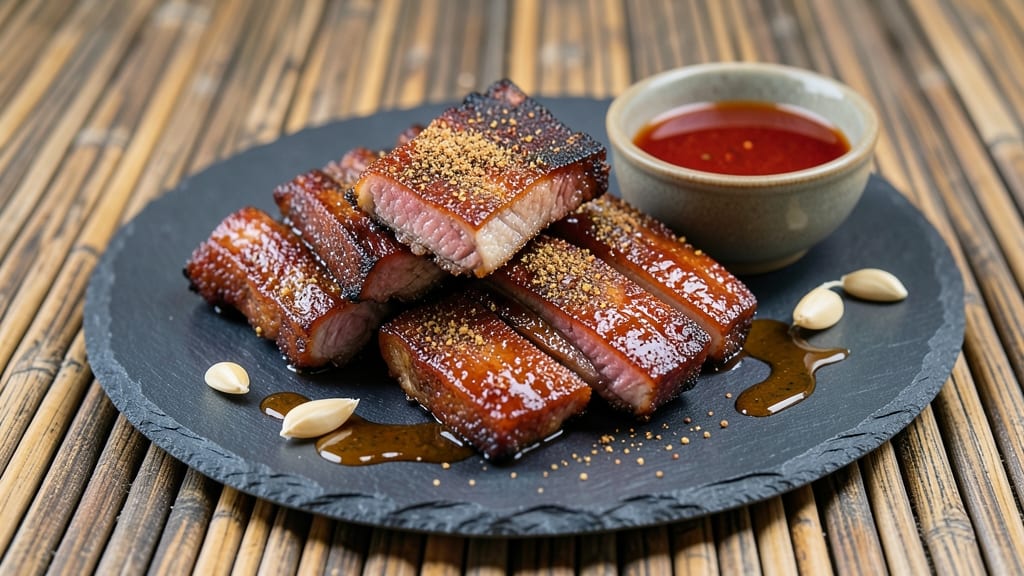
This Chinese barbecue pork spare ribs recipe delivers restaurant-quality results with a smoky five-spice crust and tamarind-kissed glaze that transforms tough cuts into melt-in-your-mouth perfection. 🔥 The secret lies in a slow, low-and-slow cook that develops deep, caramelized flavors while keeping the meat tender—just like my grandmother's technique, but adapted for modern kitchens.
Whether you're using a charcoal grill, oven, or broiler, this method ensures crispy edges and succulent meat every time.
The process begins with a marinade of aromatic five-spice powder, soy sauce, and a touch of brown sugar—this blend creates the signature crust while tenderizing the ribs. What sets this recipe apart is the tamarind glaze, which adds a bright, tangy contrast to the smoky richness.
I've perfected this technique over years of competition cooking, balancing traditional methods with foolproof timing for home cooks.
By the time you're done, you'll have ribs with a deep mahogany crust that shatters at the touch, revealing tender meat underneath. The tamarind glaze gives each bite a sticky, slightly sweet finish that pairs perfectly with steamed jasmine rice or fresh cucumber salad.
This is the kind of dish that makes weeknight dinners feel like a celebration.
Best of all, this recipe works equally well on a charcoal grill, in your oven, or even on a broiler—no fancy equipment required. The key is patience and attention to basting, which I'll walk you through step by step. Let's get cooking!
Ingredients for chinese barbecue pork spare ribs
These aromatic ingredients transform tough ribs into restaurant-worthy masterpieces with smoky depth and tangy brightness.
| Ingredient | Amount | Notes |
|---|---|---|
| Pork Spare Ribs 🍖 | 4 lb | Bone-in, trimmed of excess fat |
| Five-Spice Powder 🌶️ | 2 tbsp | Authentic Chinese blend preferred |
| Light Soy Sauce 🍶 | ½ cup | Kikkoman or similar quality |
| Brown Sugar 🍚 | ¼ cup | Packed, for caramelization |
| Tamarind Paste 🍈 | ¼ cup | Thick, not liquid concentrate |
| Garlic Cloves 🧄 | 8 cloves | Minced, for marinade depth |
| Fresh Ginger 🌿 | 2 tbsp | Grated, for aromatic balance |
| Sesame Oil 🫒 | 1 tbsp | Toasted, for nutty aroma |
| Honey 🍯 | 1 tbsp | Wildflower preferred |
| Rice Vinegar 🍶 | 1 tbsp | For glaze brightness |
| Cornstarch 🌾 | 2 tbsp | For glaze thickening |
| Vegetable Oil 🫒 | 2 tbsp | High smoke point for searing |
| Kosher Salt 🧂 | 1 ½ tsp | Diamond Crystal preferred |
| Black Pepper 🌶️ | ½ tsp | Freshly cracked |
| Jasmine Rice 🍚 | 2 cups | For serving, uncooked |
The ribs are the foundation—look for bone-in spare ribs with good meat-to-bone ratio. Costco or Asian markets usually carry the best cuts, but any butcher will trim them for you. Fresh ginger and garlic should have vibrant color and no soft spots. For the five-spice powder, Penzeys or local Asian grocers carry authentic blends that make all the difference. Tamarind paste can be found in the international aisle—pick the thick, block form for best results. I always double-check my brown sugar isn't packed too tightly; it needs to caramelize properly for that signature crust.
No tamarind paste? Substitute 1 tbsp lime juice plus 1 tbsp molasses—it won't be identical but works in a pinch. Running out of sesame oil? Avocado oil at half the amount gives similar neutral heat. The cornstarch is non-negotiable for the glaze—it creates that perfect sticky-sweet sheen. For the rice vinegar, Kikkoman or Mushroom brands are my go-tos. If you're using pre-minced garlic, toast it first in oil to deepen the flavor. The honey should be wildflower or clover—avoid that super-processed grocery store stuff that tastes like syrup.
Store your ribs uncovered in the fridge for 24 hours before cooking—this helps render fat and enhances flavor. The five-spice powder keeps its potency for 6-12 months in a cool, dark place. For the tamarind paste, once opened, it lasts 3 months in the fridge. Make extra glaze—it freezes beautifully for up to 6 months. I always prep my rice the night before so it's ready to steam alongside the ribs. The cooked ribs reheat best at 300°F for 15 minutes—just enough to warm through without drying.
Why You'll Love This Recipe
- One-Pan Magic: I swear by this recipe because it’s that simple—just ribs, a few pantry staples, and 20 minutes of hands-off time. No marinating overnight, no fancy tools, just toss everything in a pan, let the five-spice powder and tamarind work their magic, and boom. Done.
- Sweet-Savory Crunch: That caramelized crust from the brown sugar and soy sauce? Chef’s kiss. The tamarind adds this tangy depth, while the five-spice powder gives it warmth—like a hug in bite form. It’s the kind of flavor that makes you reach for seconds without even thinking.
- Leftover Goldmine: These ribs taste even better the next day. Honestly, I make a double batch so I can toss them into rice bowls, noodles, or even a quick stir-fry. (Yes, even on a Tuesday night.) The sauce clings to everything, so every bite is packed with that same addictive sweetness.
- Budget-Friendly Feast: Pork ribs are cheaper than you’d think, and this recipe stretches them far—perfect for feeding the whole family without breaking the bank. Plus, the ingredients? Most are already in my pantry. It’s my go-to when I need a hearty, satisfying meal that won’t drain my wallet.
Step-by-step instructions for Chinese barbecue pork spare ribs
Here's how to transform simple pork ribs into restaurant-quality Chinese barbecue—crispy, aromatic, and perfectly balanced.
🔥 Step 1: Marinate the Ribs Overnight for Maximum Flavor
In a large bowl, combine the 4 lb pork spare ribs, 2 tbsp five-spice powder, 0.5 cup light soy sauce, 0.25 cup brown sugar, 0.25 cup tamarind paste, 8 cloves minced garlic, and 2 tbsp grated fresh ginger. Mix thoroughly until the ribs are fully coated in the marinade—this ensures deep penetration of all those complex flavors.
Transfer the ribs to a resealable plastic bag and refrigerate for at least 12 hours (overnight is ideal). The longer they marinate, the more tender and flavorful they become. I like to flip the bag occasionally to ensure even coating. This step transforms tough ribs into melt-in-your-mouth perfection.
🍳 Step 2: Sear the Ribs for Irresistible Crust
Remove the ribs from the marinade (reserve the marinade for later) and pat them dry with paper towels—this is crucial for getting that crispy crust. Heat 2 tbsp vegetable oil in a large skillet over medium-high heat until shimmering.
Working in batches if needed, sear the ribs for 3-4 minutes per side until they develop a deep golden-brown crust. You'll see the edges start to crisp—that's your signal to flip. I press down gently on the ribs during the first minute to prevent them from curling and ensure even contact with the pan. Transfer the seared ribs to a plate and set aside.
🥘 Step 3: Create the Signature Glaze
In the same skillet (no need to clean it—the browned bits add flavor), reduce heat to medium and add the reserved marinade. Bring to a simmer and cook for 5-7 minutes until the liquid reduces by half and thickens slightly. This concentrated marinade becomes the base of our glaze.
Stir in 1 tbsp sesame oil, 1 tbsp honey, 1 tbsp rice vinegar, and 2 tbsp cornstarch mixed with 1 tablespoon water. Cook for another 2-3 minutes until the glaze thickens to a glossy, coatable consistency. You're looking for a sauce that's thick enough to cling to the ribs but still flows smoothly. Taste and adjust seasoning with 1.5 tsp kosher salt and 0.5 tsp black pepper if needed.
🔥 Step 4: Glaze and Caramelize for Perfect Finish
Return the seared ribs to the skillet and spoon the glaze generously over them. Increase heat to high and cook for 2-3 minutes on each side, basting frequently with the glaze. This final step creates that beautiful caramelized crust and sticky-sweet glaze that makes these ribs irresistible.
Watch closely—the glaze should bubble and darken slightly, creating a mirror-like sheen. The ribs are done when they're deep golden brown with a glossy finish. Remove from heat and let them rest for 5 minutes before serving. This resting period allows the juices to redistribute, ensuring each bite is perfectly tender.
⏰ Step 5: Serve with Jasmine Rice
While the ribs rest, cook the 2 cups jasmine rice according to package instructions. I like to use a rice cooker for perfect, fluffy grains every time. The aromatic rice complements the smoky-sweet ribs beautifully.
Slice the ribs between the bones or serve them whole, depending on your preference. Arrange them on a platter with the jasmine rice and drizzle any remaining glaze from the pan over the top. Garnish with extra black pepper for a finishing touch. These ribs are best served immediately while the glaze is still sticky and warm—every bite delivers that perfect balance of smoky, sweet, and savory flavors.
Pro Tips For Making Chinese Barbecue Pork Spare Ribs
- Trim the Fat First: Cut off the thick membrane layer on the bone side of the ribs before cooking—it’s that white, rubbery stuff. I learned this the hard way after biting into a chewy, tough bite that ruined the whole dish. Use kitchen shears or a sharp knife to score it loose, then pull it off with a spoon.
- Marinate Overnight: Toss the ribs in half the sauce (soy, sugar, tamarind, five-spice) and let them sit uncovered in the fridge for at least 12 hours. The acid in tamarind and soy will tenderize the meat, and the five-spice will cling deeper. Yes, even if you’re impatient like me—this makes a real difference.
- High Heat, Then Low: Sear the ribs over direct flame or high heat until they’re blistered and caramelized, then move them to indirect heat or a lower oven rack. After burning three batches, I finally figured out that rushing the sear leads to uneven cooking—finish them low and slow to render fat and keep the meat juicy.
- Deglaze with Tamarind: Don’t just toss the sauce on the ribs—let it reduce in the pan first. Add a splash of water or broth, scrape up the browned bits, then stir in the tamarind paste. This builds depth of flavor faster than just dumping everything at once. (Your future self will thank you.)
Dietary considerations for this dish
Gluten-Free Adaptations
This recipe is naturally gluten-free except for the soy sauce, which often contains wheat. I always use Kikkoman gluten-free tamari instead of regular soy sauce—it delivers the same umami depth without the gluten.
The tamarind paste, rice vinegar, and cornstarch slurry are all gluten-free, so no other substitutions are needed. Just be sure to check your five-spice powder label, as some blends contain wheat fillers. 🌱
Low-Sodium Options
For a lower-sodium version, reduce the soy sauce to 0.25 cup and compensate with 1 tbsp coconut aminos—it has a similar flavor profile but less salt. I also omit the extra salt in the glaze and rely on the natural seasoning from the five-spice and black pepper.
If you're on a strict low-sodium diet, you can skip the brown sugar entirely and use 1 tbsp maple syrup instead for caramelization.
Vegetarian Substitutes
While these ribs are made with pork, you can create a vegetarian version using mushroom spare ribs or extra-firm tofu cut into rib-like pieces. Marinate the tofu in the same five-spice mixture for at least 4 hours (tofu absorbs flavors faster), then press and pan-fry until crispy.
For mushrooms, use king oyster mushrooms—their meaty texture holds up well to the glaze. The tamarind-kissed finish works beautifully on both alternatives. 🍄
Allergen-Friendly Notes
This recipe contains soy (from soy sauce), sesame (from sesame oil), and corn (from cornstarch). For a soy-free version, replace the soy sauce with coconut aminos and use arrowroot powder instead of cornstarch.
If sesame allergies are a concern, omit the sesame oil entirely—the honey and rice vinegar will still provide depth. Always check labels on five-spice blends, as some contain tree nuts or other allergens.
Dairy-Free Considerations
This recipe is naturally dairy-free, but if you're serving it with sides, be mindful of common dairy-containing accompaniments. A simple steamed cucumber salad with rice vinegar and sesame seeds makes a great dairy-free pairing.
For extra richness, drizzle the ribs with toasted peanut sauce (peanut butter, soy sauce, lime juice, and a touch of honey) instead of traditional dairy-based sauces. The tamarind glaze adds enough tang without needing dairy components. 🥜
Spice Level Adjustments
If you're sensitive to heat, reduce the five-spice powder to 1 tbsp and add 1 tsp ground fennel for a sweeter, less spicy profile. For those who love heat, increase the five-spice to 3 tbsp and add 1 tsp chili flakes to the glaze.
I find that the tamarind naturally balances any extra spice, so don't be afraid to experiment—just adjust in small increments to avoid overwhelming the dish. 🌶️
Nutrition facts
Frequently asked questions
Can I use bone-in or boneless pork spare ribs for this recipe?
This recipe is designed for bone-in spare ribs—they develop the best flavor and texture through slow cooking. The bones add depth to the sauce and help create that signature mahogany crust. If you must use boneless, opt for pork loin chops cut into rib-like pieces, but expect slightly less moisture and flavor complexity. Never substitute pork belly—it has too much fat and won't develop the same texture.
How do I get that perfect crispy crust without a grill?
For oven-baked ribs, preheat your oven to 450°F and place the ribs on a wire rack over a baking sheet. Roast for 20 minutes before adding the glaze, then finish under the broiler for 3-5 minutes to crisp. For extra crunch, broil for 1 minute at the end while basting with sauce. The key is high heat and frequent basting—just like on a grill!
What's the best way to reheat leftover Chinese barbecue pork ribs?
Reheat ribs in a 300°F oven for 15 minutes with a splash of water in the pan to prevent drying. For extra crispiness, broil for 2 minutes at the end. Never microwave—it turns the crust soggy. If reheating from cold, add 5 minutes to the oven time. The glaze may thicken slightly, so drizzle with a little water before reheating if needed.
Can I make the tamarind glaze ahead of time?
Make the glaze 1 day ahead and store it in an airtight container in the fridge. The flavors meld beautifully overnight. When ready to use, simply reheat it gently in a saucepan until warm and smooth. If it thickens too much, add 1 tsp water at a time until it reaches the right consistency. The glaze keeps for up to 3 days refrigerated.
Why did my ribs turn out too sweet?
This usually happens from over-reducing the glaze or using too much brown sugar in the marinade. For next time, reduce the brown sugar to 0.125 cup and increase the tamarind to 0.375 cup—the acidity will balance the sweetness. Also, don't let the glaze cook too long; it should only reduce by half, not completely evaporate. Taste as you go and adjust with a splash of rice vinegar if needed.