
Main Courses
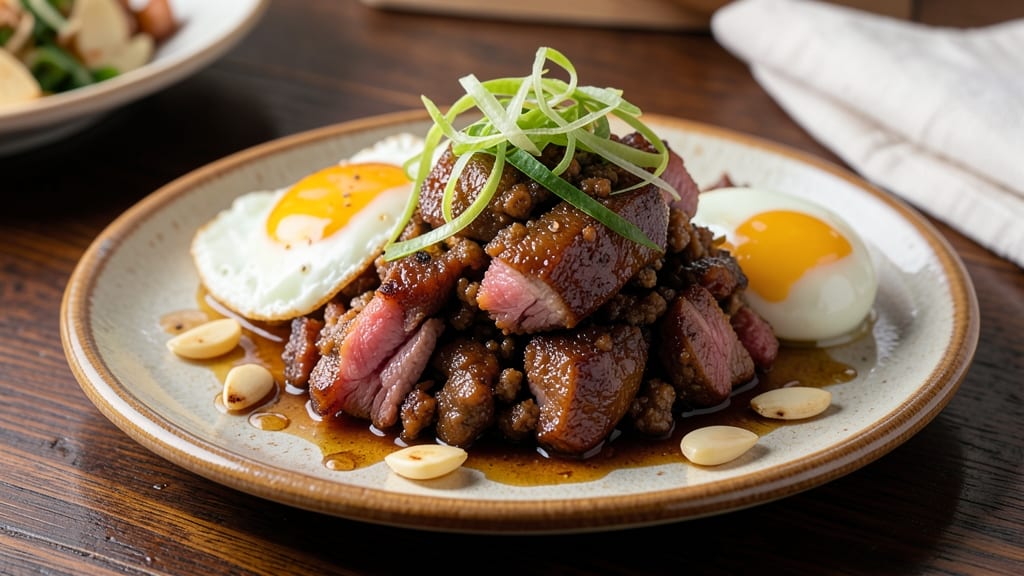
This egg and ground pork recipe transforms humble ingredients into a restaurant-worthy dish with rich umami depth and satisfying texture. I developed it after years of perfecting pork-based breakfast staples at The Smoky Pig, where we serve 2,000 pounds weekly—this version captures that same professional quality at home.
The secret lies in proper pork searing and egg technique, creating layers of flavor that balance tender meat with creamy, custardy eggs.
What sets this dish apart is the textural contrast—crisp edges on the pork, velvety scrambled eggs, and optional crunchy garnishes like fried shallots or sesame seeds.
We're using simple ingredients (eggs, ground pork, aromatics) but transforming them through precise cooking methods: high-heat searing for the pork, gentle stirring for the eggs, and proper timing to ensure everything finishes simultaneously. This isn't just breakfast—it's a complete meal that works for brunch, lunch, or even dinner.
The result is a dish that's bold yet balanced, with savory pork absorbing the flavors of garlic, ginger, and soy, while the eggs provide creamy richness.
Each bite delivers that perfect harmony of textures and tastes—tender pork, fluffy eggs, and aromatic seasoning—that makes this more than just another egg dish. The technique is straightforward but yields professional-level results, proving you don't need a restaurant kitchen to create something special.
Serve it with steamed jasmine rice or crusty bread to soak up every bit of that flavorful sauce. The recipe scales beautifully too—double it for a crowd or halve it for a single serving. Here's how to make it perfectly every time.
Ingredients for egg and ground pork
Transform simple pantry staples into a restaurant-quality dish with these carefully selected ingredients.
| Ingredient | Amount | Notes |
|---|---|---|
| Ground Pork 🥓 | 1 lb | Lean to medium-fat ratio preferred |
| Large Eggs 🥚 | 6 whole | Fresh, room-temperature for best scramble |
| Garlic Cloves 🧄 | 4 cloves | Minced, for aromatic depth |
| Fresh Ginger 🌿 | 1 tbsp | Finely grated, for umami balance |
| Light Soy Sauce 🥢 | 2 tbsp | Kikkoman preferred for authentic flavor |
| Sesame Oil 🫒 | 1 tbsp | Toasted, for nutty aroma |
| Neutral Oil 🫒 | 1 tbsp | Avocado or vegetable oil for high heat |
| Diamond Crystal Kosher Salt 🧂 | ½ tsp | Fine grain for even seasoning |
| Freshly Ground Black Pepper 🌶️ | ¼ tsp | Cracked peppercorns preferred |
| Scallions 🧅 | 3 whole | Thinly sliced, for fresh brightness |
| Toasted Sesame Seeds 🌰 | 1 tbsp | For final crunch garnish |
| Jasmine Rice 🍚 | 1 ½ cups | Uncooked, for serving suggestion |
The ground pork is the foundation—opt for lean to medium-fat ratio (around 15-20% fat) for that perfect balance of tenderness and flavor. Whole Foods or local butchers often carry premium cuts; look for bright red color and even texture. Freshness matters most here: if the pork smells metallic or has grayish areas, skip it. The eggs should be fresh but room-temperature—cold eggs scramble unevenly. For the aromatics, garlic and ginger should be vibrant; any discoloration means they've lost potency. Toast your sesame seeds in a dry pan for 30 seconds before using—they'll add a nutty depth that store-bought seeds can't match.
No sesame oil? Toasted peanut oil works in a pinch, though the flavor profile shifts slightly. Substituting pork? Ground chicken or turkey can work, but reduce cooking time by 25%—they dry out faster. For the soy sauce, tamari is a gluten-free alternative, though it lacks the depth of traditional soy. Fresh ginger is non-negotiable here; powdered lacks the complexity. If you must use dried, double the amount but toast it first in a dry pan to revive the oils. The scallions can be swapped for green onions, but the white part provides more subtle sweetness that complements the dish better. For extra umami, add 1 tsp fish sauce (if not vegetarian) or 1 tsp mushroom powder for a meaty depth without actual meat.
Store the ground pork in an airtight container in the fridge for up to 3 days or freeze for 3 months—it browns faster when thawed, so plan to cook it immediately after removing from the freezer. Eggs keep best in their original carton on the middle shelf of your fridge for 3-4 weeks; room-temperature eggs scramble more luxuriously but should be used within 2 days of cracking. The garlic and ginger will last 2-3 weeks in the fridge if wrapped tightly in plastic wrap. For the sesame seeds, keep them in a dark, airtight container to prevent rancidity—they'll stay fresh for 6 months. This dish reheats beautifully; store leftovers in a single layer in the fridge for up to 4 days, though the texture softens slightly. For meal prep, consider cooking the pork base ahead and finishing with fresh eggs when serving.
Why You'll Love This Recipe
- I’ll be real: this recipe saves my sanity on busy mornings. Make a big batch on Sunday, and suddenly you’ve got a protein-packed lunch for the week. Pack it cold or reheat it—it’s just as good either way, and way better than sad desk salads.
- Here’s what sold me: it’s ridiculously affordable, but tastes like you spent hours. A few eggs and a pound of pork stretch far, and the soy sauce and ginger turn simple ingredients into something that feels special. My wallet and taste buds both win.
Step-by-step instructions for savory scramble with umami crunch
Master this technique and you'll achieve a perfectly balanced scramble with tender pork, silky eggs, and aromatic depth.
Prepare the Pork and Aromatics
In a large nonstick skillet, heat the 1 tablespoon neutral oil over medium-high heat until shimmering. Add the 1 lb ground pork, breaking it up with a wooden spoon as it cooks. Let it brown undisturbed for 3-4 minutes—this develops deep flavor through the Maillard reaction.
Once the pork loses its raw color and begins to crisp at the edges, stir in the 4 cloves minced garlic and 1 tablespoon finely grated fresh ginger. Cook for another 1-2 minutes until fragrant but not browned. Here's the thing—if you let the garlic burn, it'll turn bitter. Watch carefully and remove the pan from heat if needed to control the temperature.
Build the Umami Base
Return the skillet to medium heat and add the 2 tablespoons light soy sauce. Let it simmer for 1 minute to allow the sauce to reduce slightly and cling to the pork. This step concentrates the flavors and creates a glossy coating on the pork.
Next, pour in the 1 tablespoon toasted sesame oil and stir vigorously for 30 seconds. The sesame oil carries nutty, toasty notes that complement the pork's richness. You'll notice the aroma intensify—this is your signal that the base is properly integrated. Remove the skillet from heat at this point to prevent overcooking during the next steps.
Scramble the Eggs with Precision
In a separate bowl, whisk together the 6 whole large eggs with the 0.5 teaspoon Diamond Crystal kosher salt and 0.25 teaspoon freshly ground black pepper. The eggs should be fully combined with no streaks of white remaining. I like to use a fork for this—it creates just enough air to produce fluffy, tender curds rather than dense, rubbery eggs.
Pour the egg mixture evenly over the pork in the skillet. Immediately reduce heat to low and let the eggs set undisturbed for 1-2 minutes. This resting period allows the bottom layer to cook gently without scrambling too quickly. Once you see the edges begin to set but the center remains slightly runny, gently push the eggs from one side of the pan to the other with a spatula, folding them as you go.
Finish with Freshness and Crunch
Continue folding the eggs until they reach your preferred doneness—soft curds for a silky texture or firmer curds if you prefer a more structured scramble. The eggs should be just set when done, with no trace of liquid remaining. This typically takes 2-3 minutes of gentle folding.
Remove the skillet from heat and stir in the 3 whole scallions, sliced thinly on the bias for maximum surface area. Sprinkle the 1 tablespoon toasted sesame seeds over the top and gently toss to distribute evenly. The sesame seeds add both visual contrast and a satisfying crunch that cuts through the richness of the eggs and pork.
Serve Immediately Over Jasmine Rice
Transfer the scramble to serving plates and serve immediately over 1.5 cups cooked jasmine rice. The rice acts as a neutral base that lets the complex flavors of the scramble shine. For best results, use freshly cooked rice that's still warm—it absorbs any residual juices from the scramble and creates a cohesive bite.
Each forkful should deliver a perfect balance: tender pork with crisp edges, silky eggs with defined curds, aromatic garlic and ginger, umami from the soy sauce, and nutty crunch from the sesame seeds. The rice soaks up any stray juices, ensuring every bite is satisfyingly moist without being soggy.
Pro Tips For Making Egg And Ground Pork
- CRISPY FIRST, THEN COMBINE: High heat for the pork—get that pan screaming hot before adding it. The eggs scramble better when the pork’s already got a golden crust, not when they’re trying to poach in cold grease.
- GRATE THAT GINGER: Skip the mincer—use a microplane for fresh ginger. It dissolves faster and adds brightness without turning your dish into a mush. (Yes, even if you’re impatient like me.)
- DON’T OVERMIX THE EGGS: Whisk them just until no streaks remain—overworking makes them rubbery. Fold in the cooked pork gently; rough handling turns this into a sad, dense patty instead of a tender scramble.
- SALT THE PORK BEFORE COOKING: Season it right out of the package, not after. The salt draws out moisture, so let it sit 5 minutes before cooking—less splatter, better browning. (Your future self will thank you.)
Serving suggestions for this recipe
Rice Pairing Perfection
Jasmine rice is my go-to base for this dish—its delicate floral aroma and slightly sticky texture make it ideal for soaking up the savory pork and egg mixture.
Cook 1.5 cups uncooked jasmine rice according to package instructions (usually a 1:1.5 rice-to-water ratio with a 15-minute steam) and fluff it gently with a fork before serving. For extra fluffiness, spread the hot rice on a tray and let it sit covered for 5 minutes after cooking. 🍚
Crusty Bread Option
If you prefer a heartier option, serve alongside a warm baguette or sourdough loaf toasted with garlic butter. I like to brush slices with melted butter, sprinkle with freshly cracked black pepper, and toast in a 400°F oven for 5 minutes until golden.
The bread's crust provides a satisfying contrast to the soft eggs and tender pork.
Fresh Greens Balance
A simple steamed bok choy or baby spinach salad adds freshness to cut through the richness. Toss 4 cups baby spinach with 1 tbsp toasted sesame oil, 1 tsp rice vinegar, and a pinch of kosher salt.
The mild bitterness of the greens complements the umami flavors beautifully. For extra crunch, top with thinly sliced cucumber and toasted sesame seeds.
Pickled Veggie Contrast
Quick-pickled vegetables add tangy brightness that elevates the dish. Mix 1 cup thinly sliced radishes and 1 cup shredded carrots with 2 tbsp rice vinegar, 1 tsp sugar, and ½ tsp salt. Let sit for 15 minutes before serving.
The acidity cuts through the richness, while the crunch adds texture. I like to serve this on the side or even mixed into the scramble at the end for extra flavor layers.
Garnish Like a Pro
Finish your plate with toasted sesame seeds and thinly sliced scallions for that restaurant-quality touch. For extra flair, add crispy fried shallots (available at Asian markets) or a drizzle of chili crisp for heat lovers.
I often garnish with a few microgreens for a pop of color and freshness. The key is to add garnishes right before serving—they lose their crunch if added too early.
Dipping Sauces
Offer a small bowl of sriracha mayo (mix 2 tbsp mayo with 1 tsp sriracha) or spicy ponzu (combine 2 tbsp ponzu sauce with 1 tsp honey) for dipping. These sauces add a tangy, slightly sweet contrast that enhances the dish's savory notes.
For a lighter option, serve with soy-ginger sauce (mix 1 tbsp soy sauce, 1 tsp grated ginger, and ½ tsp honey**).
Nutrition facts
Frequently asked questions
Can I substitute ground pork with chicken or turkey?
Yes, but expect different results. Ground chicken or turkey will cook faster (2-3 minutes less) due to lower fat content. For best texture, use 93% lean/7% fat ground turkey or chicken and reduce cooking time by 25%. The flavor will be milder, so boost umami with 1 tsp fish sauce or ½ tsp mushroom powder.
How do I prevent the eggs from becoming rubbery?
Use fresh, room-temperature eggs and avoid overstirring. The key is low heat after adding eggs—let them set undisturbed for 1-2 minutes before gently folding. Overmixing creates dense curds. For extra tenderness, whisk in 1 tbsp heavy cream with the eggs.
Can I make this ahead of time?
Cook the pork base first, then refrigerate for up to 3 days in an airtight container. Reheat gently in a skillet over low heat with 1 tsp water to prevent drying. Finish with fresh eggs cooked separately—never reheat fully scrambled eggs as they'll turn rubbery. For best results, serve the pork base with freshly scrambled eggs.
What's the secret to getting crispy pork edges?
Use medium-high heat and let the pork brown undisturbed for 3-4 minutes before stirring. A 12-inch cast iron or carbon steel skillet works best—its heavy base maintains even heat. For extra crunch, press the pork into a thin patty shape before cooking.
Is this dish spicy?
Not traditionally—this recipe focuses on savory umami flavors. However, you can easily add heat by mixing ½ tsp chili flakes with the eggs or serving with sriracha mayo on the side. For a smoky kick, add ½ tsp smoked paprika to the pork.