
Main Courses
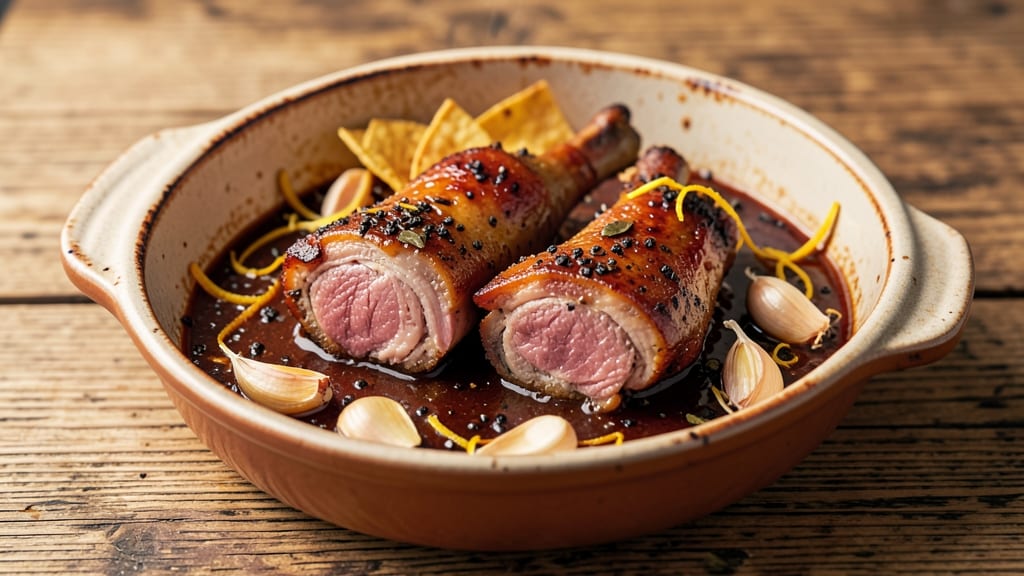
This Mexican pork shank recipe delivers the smoky, deep flavors of a traditional barbacoa with crispy edges that rival any restaurant dish. 🔥 After years of perfecting slow-cooked pork techniques, I’ve developed a method that transforms tough cuts into melt-in-your-mouth tenderness while keeping that coveted caramelized crust.
The secret? A bold blend of chipotle, cumin, and bay leaves that infuses every bite with authentic Mexican warmth.
The process begins with a marinade of adobo sauce, garlic, and cumin—ingredients that form the backbone of Mexican braising. Unlike rushed methods, this recipe demands patience: the pork shanks simmer for hours until fork-tender, absorbing flavors that turn simple ingredients into something extraordinary.
The result? A dish that’s rich, aromatic, and perfect for feeding a crowd or savoring solo.
What sets this apart is the crispy edge—a hallmark of well-braised pork shanks—that forms when the meat renders slowly in its own juices. Serve it with warm tortillas, charro beans, and a side of pickled red onions for a meal that feels like a celebration.
Every bite delivers layers of smoky chipotle, earthy cumin, and tender meat that practically falls apart.
This isn’t just a recipe; it’s a taste of Mexico’s culinary soul, made approachable for home cooks. Whether you’re hosting a fiesta or craving comfort food, this braise promises restaurant-quality results with minimal fuss. Let’s get cooking.
Ingredients for mexican pork shank
Six ingredients anchor this smoky, tender pork shank braise with restaurant-quality crispy edges.
| Ingredient | Amount | Notes |
|---|---|---|
| Bone-In Pork Shanks 🥩 | 3 lb | 2-3 inches thick, trimmed of excess fat |
| Adobo Sauce 🌶️ | ½ cup | From canned chipotle peppers in adobo |
| Ground Cumin 🌿 | 2 tbsp | Toasted for deeper aroma |
| Bay Leaves 🍃 | 2 whole | Fresh preferred for maximum flavor |
| Garlic Cloves 🧄 | 6 cloves | Peeled and smashed for robust flavor |
| Orange Zest 🍊 | 1 tbsp | Freshly grated for bright acidity |
| Orange Juice 🍊 | ½ cup | Freshly squeezed for vibrant flavor |
| Dried Oregano 🍃 | 1 tbsp | Mexican oregano preferred |
| Smoked Paprika 🌶️ | 1 tbsp | For authentic smoky depth |
| Beef Broth 💧 | 2 cups | Low-sodium preferred for balance |
| Olive Oil 🫒 | 2 tbsp | Extra-virgin for richness |
| Salt 🧂 | 1 ½ tsp | Kosher or sea salt |
| Black Peppercorns 🌶️ | ½ tsp | Freshly cracked for texture |
| Dark Brown Sugar 🍯 | 1 tbsp | For subtle sweetness |
| Fresh Thyme 🌿 | 1 sprig | Optional for herbal notes |
The pork shanks are the foundation—look for bone-in cuts with good marbling at your butcher or grocery store's meat counter. Costco or Whole Foods often carry high-quality shanks pre-trimmed for convenience. If buying fresh bay leaves, ensure they're vibrant green and pliable. The adobo sauce should come from canned chipotle peppers in adobo sauce—avoid powdered versions, as they lack the smoky depth. Toast your cumin seeds lightly in a dry pan before grinding for an aroma that elevates the entire dish. For the orange zest, use a microplane to avoid bitter pith—this brightens the rich, smoky flavors beautifully.
No adobo sauce? Substitute 1 tbsp smoked paprika plus 1 tsp liquid smoke for a similar effect. Running short on fresh thyme? Dried thyme at one-third the amount works, though fresh is ideal. The beef broth can be swapped for vegetable broth if preferred, though the umami depth will differ slightly. For the orange juice, grapefruit juice adds a tangy twist, while pineapple juice brings a tropical note. If you're avoiding sugar entirely, omit the brown sugar—its caramelization contributes to the crispy edges, but the dish remains robust without it. The olive oil should be extra-virgin for its fruity notes that complement the smoky flavors.
Pork shanks keep best in the fridge for 3-4 days before cooking, though they're often sold pre-frozen at grocery stores. Store them in an airtight container with a paper towel to absorb any moisture. The adobo sauce and canned chipotles last for up to 6 months in the pantry, while fresh bay leaves and thyme should be refrigerated in sealed bags for up to 2 weeks. Once braised, leftovers reheat beautifully—simmer gently in their juices for 5-10 minutes to restore moisture. This dish freezes exceptionally well for up to 3 months, with the flavors deepening over time. Portion into airtight containers with some of the braising liquid to maintain tenderness.
Why You'll Love This Recipe
- One-Pot Magic: I swear by this—just toss the pork shanks in a deep skillet, add the adobo and cumin, and let the oven do the work. No chopping, no fuss, and honestly, the bay leaves perfume the whole house while it cooks. That’s my kind of effortless dinner.
- Smoky Deep Flavor: Between the adobo’s tangy heat and the cumin’s earthy warmth, this isn’t just good—it’s the kind of dish that makes you close your eyes and sigh. The garlic cloves caramelize into little flavor bombs, and that crispy bone-in crust? Absolute perfection.
- Leftovers for Days: I make this on Sundays because it tastes even better reheated—better than takeout, even. The pork stays tender, the sauce thickens just right, and I’m feeding my family for the week without extra work. (Yes, even on a Tuesday night.)
- Budget Feast: Bone-in pork shanks are cheaper than chicken thighs, and this recipe stretches them into a full meal. A single batch feeds four, and the leftovers? Even my picky teenager asks for seconds. That’s a win for my wallet and my sanity.
Step-by-step instructions for Mexican pork shank braising
Here's how to transform tough pork shanks into tender, smoky perfection with crispy edges.
🔥 Step 1: Sear the Pork Shanks for Depth of Flavor
Heat a heavy Dutch oven over medium-high heat until hot. Add 2 tablespoons olive oil and swirl to coat the bottom. Place the 3 lb bone-in pork shanks in the pot, bone-side down, and sear undisturbed for 8-10 minutes until a deep golden-brown crust forms. This initial sear locks in juices and creates the foundation for crispy edges.
Flip the shanks and sear the other side for another 6-8 minutes. You'll see the fat begin to render and the meat develop a rich caramelization. Remove the shanks and set them aside—don't clean the pot yet. This browned fond will become part of your braising liquid, adding layers of flavor.
👨🍳 Step 2: Build the Aromatic Braising Base
In the same Dutch oven, reduce heat to medium and add 6 cloves smashed garlic cloves, 2 tablespoons ground cumin, 1 tablespoon smoked paprika, and 1 tablespoon dried oregano. Stir constantly for 1 minute until fragrant—you should smell toasted spices and garlic filling your kitchen. This aromatic base forms the flavor core of your braise.
Pour in ½ cup adobo sauce and scrape up any browned bits from the bottom of the pot. Let it simmer for 2 minutes until slightly thickened. Add 2 whole bay leaves, 1 sprig fresh thyme, 1 tablespoon dark brown sugar, 1.5 teaspoons salt, and ½ teaspoon black peppercorns. Stir to combine—this balanced mix of sweet, smoky, and savory elements will infuse the pork beautifully.
🥘 Step 3: Braise Until Fork-Tender
Return the seared pork shanks to the pot, bone-side up. Add 2 cups beef broth, ½ cup orange juice, and 1 tablespoon orange zest, then bring to a gentle simmer. The liquid should come about halfway up the shanks—if not, add a splash of water. Cover tightly with a lid and transfer to a 325°F oven.
Braise for 3 hours until the pork is fork-tender and the meat pulls away from the bone with minimal resistance. The sauce should reduce to a thick, glossy consistency that coats the back of a spoon. If the liquid evaporates too quickly, add ¼ cup water after the first hour to maintain moisture.
🔥 Step 4: Develop Crispy Edges and Finish
Remove the pork shanks from the oven and increase the heat to 425°F. Place the shanks on a baking sheet lined with parchment paper and broil for 3-5 minutes on each side until the edges are deeply browned and crispy. This high-heat finish creates that coveted texture contrast between tender meat and crispy exterior.
Return the shanks to the braising liquid and let them rest for 10 minutes before serving. The crispy edges will soften slightly but maintain their texture, while the meat continues to absorb the flavorful sauce. Skim any excess fat from the surface of the sauce before serving—this ensures a clean presentation while preserving the rich flavors.
🍽️ Step 5: Serve with Confidence
Transfer the pork shanks to a platter and spoon the reduced braising sauce over the top. The sauce should cling beautifully to the crispy edges and tender meat. Serve immediately with warm tortillas, cilantro-lime rice, or roasted vegetables to soak up every last bit of that smoky, citrus-infused sauce.
The result should be pork that's so tender it nearly falls apart at the touch, with crispy edges that add satisfying texture contrast. Each bite delivers a perfect balance of smoky, sweet, and tangy flavors that define authentic Mexican braising technique.
Pro Tips For Making Mexican Pork Shank
- SEAR THE SHANKS FIRST: Hit the pork shanks with a screaming-hot pan—no rushing this. A deep, caramelized crust locks in flavor and keeps the meat from falling apart later. I used to skip this and ended up with bland, mushy shanks every time.
- SIMMER LOW AND SLOW: After the initial sear, drop the heat to a bare simmer—think tiny bubbles, not a rolling boil. Too much heat turns the adobo sauce into a watery mess and chews up the meat. My grandmother’s rule: "If you can’t hum over the pot, it’s too hot."
- TOAST THE CUMIN: Bloom that ground cumin in the pan for 30 seconds before adding liquids—it wakes up the flavor. Skipping this step means your dish tastes like it’s missing something. (Yes, even if you’re impatient like me.)
- USE FRESH BAY LEAVES: Buy whole bay leaves and crush them lightly with your palm before adding—this releases their oils. Dried leaves from a jar? They’re fine, but nothing beats the aroma of fresh ones. I learned this the hard way after a batch tasted flat.
Perfect pairings for this recipe
Classic Mexican Sides
This braised pork shank shines brightest alongside charro beans—their creamy texture and smoky bacon notes mirror the dish's depth. I like to make a big batch of these with pork shoulder, bacon, and chipotle powder, then simmer them until tender.
Another must is cilantro-lime rice, where the bright citrus cuts through the richness. For a heartier option, try roasted poblano peppers with onions and tomatoes—toss them in a little Mexican crema for extra creaminess. 🌶️
Tortilla Pairings
Warm, fresh tortillas are non-negotiable with this dish. I keep a stack of corn tortillas on hand, lightly charred in a dry skillet for 30 seconds per side—just enough to add smoky aroma without overcooking.
For a festive touch, serve with blue corn tortillas and a side of salsa verde made from tomatillos and serrano peppers. The contrast of crispy tortillas with the tender pork creates the perfect bite. Trust me, your guests will go back for seconds.
Pickled Accents
Bright, tangy pickled elements balance the dish's richness perfectly. Pickled red onions add a sharp crunch that cuts through the fatty pork, while pickled jalapeños bring heat and acidity.
For a quick version, thinly slice 1 red onion and 2 jalapeños, then soak in ½ cup vinegar, 1 tbsp sugar, and 1 tsp salt for 30 minutes. The acidity also helps cleanse your palate between bites of smoky pork. 💫
Drink Recommendations
A cold Mexican lager like Modelo Especial or Pacifico is my go-to pairing—its crisp, clean finish cuts through the dish's richness. For something stronger, a reposado tequila (like Don Julio 1942) offers smoky notes that complement the chipotle.
If you prefer wine, a Spanish Garnacha with its fruity, earthy profile works beautifully. Avoid heavy reds—they'll overpower the delicate citrus and spice in the braise.
Garnish Game-Changers
Fresh cilantro leaves sprinkled on top add a burst of herbaceous freshness, while lime wedges let diners squeeze extra zing into each bite.
For a restaurant-worthy touch, drizzle the finished dish with avocado crema (blend 1 avocado, ½ cup sour cream, juice of 1 lime, and salt to taste). The creamy texture contrasts perfectly with the crispy pork edges.
I also like adding toasted pepitas for crunch—just toss ¼ cup in a dry pan for 2 minutes until golden. ✨
Nutrition facts
Frequently asked questions
Can I substitute pork shoulder for pork shanks in this recipe?
While pork shoulder works in many braises, it won't give you the same crispy edges or rich bone marrow flavor. For best results, stick with shanks—look for cuts with good marbling at your local butcher. If you must substitute, use bone-in pork shoulder and increase cooking time by 1-2 hours to ensure tenderness.
How do I make this recipe in a slow cooker?
Transfer the seared shanks and all braising ingredients to a 6-quart slow cooker. Cook on low for 8-10 hours or high for 5-6 hours, then finish with the broiling step. The slow cooker method is perfect for hands-off cooking, though the edges won't be as crispy as oven-braised. Add ¼ cup water if the liquid gets too low during cooking.
What's the best way to reheat leftovers?
Reheat gently in the same Dutch oven over low heat with 2 tablespoons broth to restore moisture. Cover and simmer for 10-15 minutes—never microwave, as it makes the meat tough. For crispy edges, broil for 2-3 minutes after reheating. Leftovers keep well for 4-5 days refrigerated or 3 months frozen.
Can I use this braising liquid for other dishes?
Strain the reduced sauce and use it as a base for tacos, quesadillas, or rice. For extra richness, add 1 tablespoon butter at the end. The smoky chipotle-orange flavor pairs perfectly with eggs (try it in huevos rancheros) or as a marinade for grilled vegetables. Store unused sauce in the fridge for up to 5 days or freeze for 3 months.
Why does my pork shank turn out tough?
Most likely, you didn't cook it long enough or at a low enough temperature. Pork shanks need 3+ hours at 325°F to become tender. Check for doneness by inserting a fork—if it resists, return to the oven for another 30-60 minutes. Also ensure your pot isn't too large (liquid shouldn't cover the meat) and don't overcrowd the pan during searing.