
Main Courses
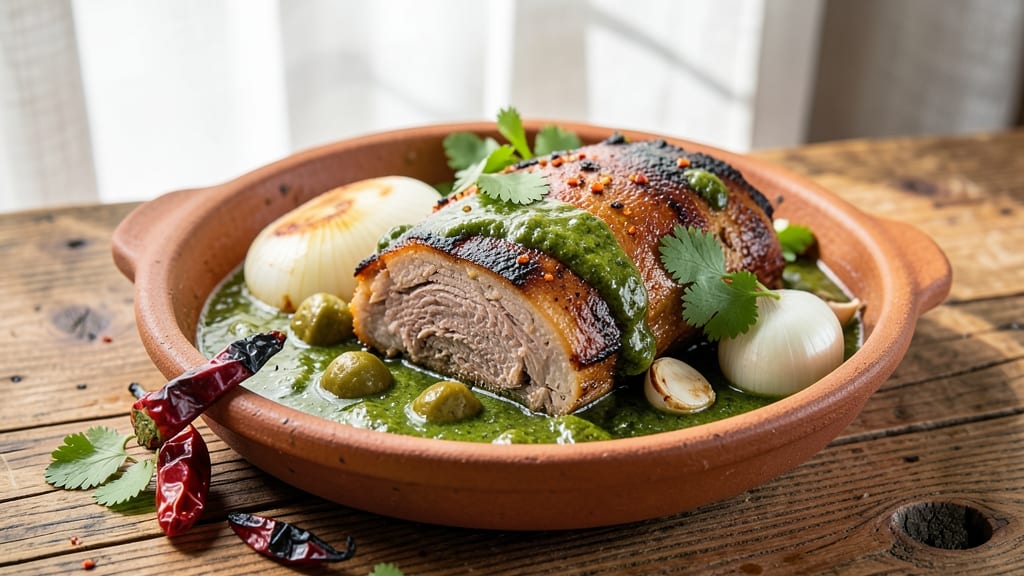
This Mexican pork verde recipe brings the bold flavors of Mexico to your table with tender pork slow-cooked in a vibrant green tomatillo-chile sauce. 🌶️ I first tasted this dish in a tiny family-run taquería in Oaxaca, where the smoky, tangy sauce perfectly balanced the rich pork.
The secret lies in roasting the tomatillos and chiles to deepen their flavors before blending them into a smooth, aromatic sauce.
The recipe begins with crispy tortilla strips fried until golden, adding texture and crunch that contrasts beautifully with the tender pork. I've perfected this method over years of cooking, ensuring the pork stays juicy while absorbing the complex flavors of the verde sauce.
The slow cooking process transforms tough cuts into melt-in-your-mouth perfection, making this dish ideal for gatherings or weeknight comfort.
What makes this recipe special is the balance of acidity and heat—adjustable to your preference—while maintaining authentic Mexican flavors. The sauce simmers until thick and fragrant, coating every bite of pork with that signature tangy, slightly sweet profile.
Serve it with warm tortillas, steamed rice, and avocado for the complete experience.
Whether you're feeding a crowd or treating yourself to a taste of Mexico, this pork verde delivers restaurant-quality results with minimal fuss. The crispy tortilla strips add that extra layer of texture that makes this dish unforgettable. Let's get cooking!
Ingredients for mexican pork verde
Six ingredients make this vibrant verde sauce, plus pork and tortillas for the perfect balance.
| Ingredient | Amount | Notes |
|---|---|---|
| Pork Shoulder 🍖 | 3 lb | Bone-in for flavor, cut into 2-inch chunks |
| Tomatillos 🍅 | 1 ½ lb | Husk removed, quartered |
| Serrano Peppers 🌶️ | 6 whole | Stems and seeds removed |
| White Onion 🧅 | 1 whole | Quartered, skin on |
| Garlic Cloves 🧄 | 8 cloves | Peeled, smashed |
| Fresh Cilantro 🌿 | ½ cup | Stems removed, loosely packed |
| Corn Tortillas 🌽 | 8 whole | Cut into 1-inch strips |
| Vegetable Oil 🫒 | 3 tbsp | For frying tortilla strips |
| Lime 🍋 | 2 whole | Juiced, zest optional |
| Chicken Broth 💧 | 1 ½ cups | Low-sodium preferred |
| Cumin Seeds 🌿 | 1 tbsp | Toasted until fragrant |
| Salt 🧂 | 1 ½ tsp | Kosher or sea salt |
| Black Pepper 🌶️ | ½ tsp | Freshly ground |
| Avocado Oil 🫒 | 2 tbsp | For finishing sauce |
Tomatillos are the heart of this sauce—look for bright green, firm ones at Latin markets or the produce section. Trader Joe's usually carries them year-round, but if you can't find them, sub with green tomatoes (they're less tangy). The serrano peppers bring the heat, but adjust to taste—remove seeds for milder flavor. Fresh cilantro is non-negotiable here; dried just won't cut it. For the pork, bone-in shoulder stays juicier than leaner cuts. If you can't find it, pork butt works too, but trim excess fat first.
No tomatillos? Green tomatoes plus a splash of lime juice gets you close, though the texture won't be identical. Running short on serrano peppers? Jalapeños at half the amount (seeds in for heat). The tortilla strips? Flour tortillas work too—just cut them thinner. For extra smokiness, char the tomatillos and peppers directly over a gas flame before blending. The sauce thickens as it cooks, but if it gets too thin, simmer uncovered for 5 more minutes. And trust me, the crispy tortilla strips are worth the extra oil—fry in batches so they don't steam.
This sauce tastes even better the next day—make a double batch if you can. Store in an airtight container in the fridge for up to 5 days, or freeze for 3 months. The pork reheats beautifully; just warm it gently with a splash of broth. For serving, keep tortilla strips in a paper towel-lined basket so they stay crispy. The lime juice can be added fresh when serving, or mixed in now—your call. Leftovers make killer tacos or quesadillas too.
Why You'll Love This Recipe
- One-Pot Magic: I swear by this recipe because it’s basically hands-off after the initial chop. Toss everything—pork, tomatillos, even the serranos—into one pot, let it simmer, and walk away. The pork practically falls apart on its own, and the sauce thickens into something rich and tangy without a single stir after the first five minutes.
- Tangy, Smoky Kick: That first bite? The tomatillos give it this bright, citrusy punch, but the serranos add just enough heat to wake up your taste buds. Between us, I’ve tried store-bought verde sauces, and nothing compares to the depth you get from roasting the peppers and tomatillos yourself—especially when you char them just right over the stove.
- Weeknight to Weekend: Honestly, this is my go-to for lazy Mondays and Sunday fundays. Shred the pork for tacos, serve it over rice with avocado, or even stuff it into tortillas for burritos. The leftovers? They’re even better the next day—more tender, more flavorful, like the sauce has had time to marry into the meat.
- Budget Stretch: Pork shoulder is cheap, and a single batch feeds four people easily. I’ll be real: my grocery budget thanks me every time I make this. Plus, the tomatillos and serranos stretch far beyond one recipe—freeze the extra sauce for future meals. It’s the kind of dish that makes you feel like you’re eating fancy without breaking the bank.
Step-by-step instructions for smoky pork verde with crispy tortilla strips
Here's how to create that perfect balance of smoky pork, bright green sauce, and addictive crunch.
🔥 Step 1: Sear the Pork Shoulder for Maximum Flavor
Pat the 3 lb pork shoulder dry with paper towels—this helps the crust form properly. Heat 2 tablespoons avocado oil in a Dutch oven over medium-high heat until shimmering. Add the pork in a single layer and sear for 4-5 minutes until deeply browned on all sides.
Here's the thing—don't crowd the pan. If your pork shoulder is large, work in batches. You want that beautiful Maillard reaction happening on every surface. Once browned, remove the pork and set it aside on a plate. We'll return to it after building the sauce.
🍳 Step 2: Toast the Cumin Seeds and Build the Sauce Base
In the same Dutch oven, add the 1 tablespoon cumin seeds over medium heat. Toast them for 1-2 minutes until fragrant and slightly darkened—this releases their aromatic oils. Immediately add the 1 whole white onion (quartered) and cook for 5 minutes until softened and golden.
Push the onion to one side and add the 8 smashed garlic cloves. Cook for 30 seconds until fragrant—don't let it burn. This is where the foundation of your sauce begins. The cumin adds warmth while the onion and garlic build sweetness that balances the heat.
🍳 Step 3: Char and Blend the Tomatillos and Serrano Peppers
Add the 1.5 lb tomatillos and 6 serrano peppers (stems removed) to the pot. Cook for 8-10 minutes over medium heat, stirring occasionally, until the tomatillos blister and darken slightly and the peppers char in spots. This charring adds depth to the sauce.
Transfer the charred vegetables to a blender along with 1.5 cups chicken broth, 1.5 teaspoons salt, and 0.5 teaspoon black pepper. Blend until completely smooth. I like to taste at this point—if it needs brightness, add a splash of lime juice (about 1 tablespoon from one of the 2 whole limes).
🥘 Step 4: Simmer the Sauce with Pork and Finish with Cilantro
Return the blended sauce to the Dutch oven and bring to a simmer over medium heat. Nestle the pork shoulder back into the sauce, ensuring it's mostly submerged. Cover and cook for 2 hours at 325°F, turning the pork occasionally, until it's fork-tender and the sauce has thickened slightly.
Once tender, remove the pork and shred it using two forks. Return the shredded pork to the sauce and stir in the 0.5 cup fresh cilantro. Taste and adjust seasoning—you might need a bit more salt or lime juice to balance the flavors. Keep the sauce warm while you crisp the tortilla strips.
🔥 Step 5: Fry the Tortilla Strips Until Golden and Crispy
Cut the 8 whole corn tortillas into 1-inch strips. Heat 3 tablespoons vegetable oil in a large skillet over medium-high heat until it reaches 350°F. Fry the tortilla strips in batches for 1-2 minutes until they're golden brown and crispy—don't overcrowd the pan or they'll steam instead of crisp.
Drain the fried strips on paper towels and sprinkle with a pinch of salt while still hot. The contrast of these crispy strips with the creamy sauce is what makes this dish irresistible. Serve the pork verde immediately over rice or with warm tortillas, topped with the crispy strips and a squeeze of fresh lime.
Pro Tips For Making Mexican Pork Verde
- CHAR THE TOMATILLOS: Roast them whole in their husks over medium-high heat for 15-20 minutes—yes, still in the paper—until they’re blistered and blackened in spots. I used to peel and chop them first, but roasting whole deepens the flavor without turning the sauce bitter. Just pull them out, strip off the husks, and give them a rough chop—no need for precision.
- SALSA LOW AND SLOW: Simmer the tomatillo-serrano-onion blend uncovered on low heat for at least 20 minutes after everything’s blended. The sauce will look sad and watery at first, but patience pays off—it’ll thicken into something rich and velvety. Skipping this step leaves you with a thin, tangy liquid instead of a proper verde.
- SEAR THE PORK HARD: Get that pork shoulder screaming hot in a dry skillet for 5-6 minutes per side before it even touches the braising liquid. The crust locks in moisture and adds depth to the final pull-apart texture. I know it’s tempting to rush, but resist—this isn’t the time to be gentle.
- SAVE THE PEPPER JUICE: After seeding and chopping serranos, squeeze the empty peppers dry over the sink and drop them straight into the blender with the tomatillos. That residual liquid adds brightness and prevents the sauce from tasting dry. Trust me, it’s the little things that make the difference between "good" and "wow."
Dietary considerations for these flavors
Gluten-Free Adaptations
This pork verde recipe is naturally gluten-free, but I always double-check my tortillas and broth. Use corn tortillas (or certified gluten-free flour tortillas) to keep it safe. For the broth, low-sodium chicken broth from brands like Pacific Foods or Imagine ensures no hidden gluten.
The crispy strips stay gluten-free as long as you fry them in fresh oil—no cross-contamination from shared fryers. 🌱
Dairy-Free Considerations
Traditional pork verde doesn't contain dairy, but if you're avoiding it, watch for hidden sources. Some brands add cheese to tortillas or broth. I recommend La Tortilla Factory corn tortillas (100% corn, no dairy) and Pacific Foods broth (certified dairy-free).
The sauce itself is completely dairy-free—just ensure all garnishes (like cheese toppings) align with your dietary needs.
Spice Level Control
Serrano peppers pack heat, but you can easily adjust. For mild versions, remove seeds and membranes, or use jalapeños at half the quantity. If you love heat, keep the seeds in and add an extra 1-2 serrano peppers.
I like to taste the blended sauce before adding pork—this lets me tweak the spice level early. Lime juice also helps balance heat, so keep it handy. 🌶️
Protein Swaps
While pork shoulder is classic, you can swap it for chicken thighs (cook 30-40 minutes less) or beef chuck roast (simmer 3-4 hours). For vegetarians, use mushrooms or cauliflower instead of pork—sauté them with the onions and garlic for depth.
The verde sauce works beautifully with all these proteins, though cooking times vary. Always check for doneness with a meat thermometer (165°F for poultry, 203°F for beef).
Allergen-Friendly Tips
Nuts aren't in this recipe, but if you're avoiding them elsewhere, ensure your kitchen is clean. Cross-contamination with peanuts or tree nuts can happen easily. For shellfish allergies, this dish is safe—just confirm your broth and tortillas are shellfish-free.
The biggest allergen risk comes from tortillas, so always check labels. I keep Glutino corn tortillas on hand for extra peace of mind. ✨
Nutrition facts
Frequently asked questions
Can I substitute tomatillos in this pork verde recipe?
Yes, but the flavor will differ slightly. For a similar tangy profile, use green tomatoes plus 2 tablespoons lime juice per 1.5 lbs tomatillos. If you can't find either, a mix of white onion (1 lb) and green bell peppers (2 cups) works in a pinch, though the sauce will be less acidic. Roast them first for deeper flavor!
How do I adjust the heat level in the sauce?
Serrano peppers provide the heat—remove seeds and membranes for milder flavor. For extra spice, keep seeds in and add 1-2 more peppers. If needed, balance with lime juice (1-2 tablespoons) or a pinch of sugar. Always taste the blended sauce before adding pork!
What's the best way to store leftovers?
Store pork verde in an airtight container in the fridge for 4-5 days or freeze for 3 months. Reheat gently in a skillet with a splash of broth to maintain moisture. The sauce thickens when chilled—thin with water or broth if needed. Keep tortilla strips separate to maintain crispness.
Can I make this recipe in a slow cooker?
Brown the pork and sear aromatics first, then transfer everything to a 6-quart slow cooker. Cook on low for 7-8 hours or high for 4-5 hours. The tortilla strips should be fried fresh before serving. The slow cooker method works especially well for large gatherings!
What's the secret to crispy tortilla strips?
Fry in small batches at 350°F until golden brown (1-2 minutes). Use vegetable or avocado oil—they have high smoke points. Drain on a wire rack (not paper towels) to prevent sogginess. Salt immediately while hot for extra crunch. Pro tip: Double the batch—they disappear fast!