
Main Courses
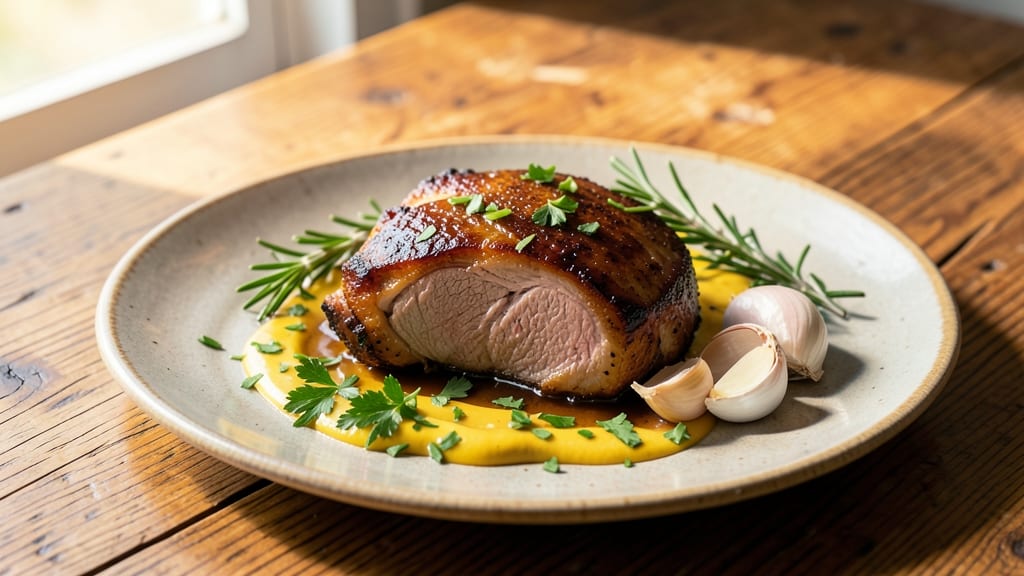
Michael Symon's pork chop recipe delivers that perfect balance of crispy crust and juicy pink centers—the kind of dish that makes weeknight dinners feel like a restaurant meal. 🔥 I’ve spent years perfecting this technique, inspired by Symon’s signature high-heat searing and bold herb crusts.
The secret lies in a simple yet transformative herb crust that locks in moisture while creating that irresistible crunch.
What sets this recipe apart is the foolproof method for achieving restaurant-quality results at home. Start with bone-in chops for maximum flavor, then coat them in a mix of fresh herbs, garlic, and Dijon mustard before searing in a screaming-hot pan.
The crust forms in just minutes, while the interior stays tender and pink—exactly as Symon would serve it. This isn’t just another pork chop recipe; it’s a game-changer for home cooks.
The result is a juicy, flavorful center cut with a golden, herb-infused crust that’s impossible to resist. Pair it with a quick pan sauce made from the rendered juices, or serve it alongside roasted potatoes and a crisp green salad for a complete meal.
The technique is simple, but the impact is undeniable—every bite delivers that perfect harmony of texture and taste.
Whether you’re cooking for a special occasion or just craving a satisfying weeknight dinner, this recipe delivers. The best part? It’s restaurant-quality without the fuss. Let’s get started on mastering this dish the way Symon would.
Ingredients for michael symon pork chop
These bold ingredients transform simple pork chops into a restaurant-worthy masterpiece—crispy, juicy, and packed with herbaceous flavor.
| Ingredient | Amount | Notes |
|---|---|---|
| Bone-In Pork Chops 🍖 | 4 whole | Center-cut, 1-inch thick |
| Fresh Rosemary 🌿 | ¼ cup | Finely chopped, stems removed |
| Fresh Thyme 🌿 | ¼ cup | Leaves only, finely chopped |
| Fresh Parsley 🌿 | ¼ cup | Flat-leaf, finely chopped |
| Garlic Cloves 🧄 | 4 cloves | Minced into paste with salt |
| Dijon Mustard 🍯 | 2 tbsp | High-quality, smooth texture |
| Unsalted Butter 🧈 | ½ cup | Cold, cut into small cubes |
| Extra-Virgin Olive Oil 🫒 | 2 tbsp | For searing, high smoke point |
| Kosher Salt 🧂 | 1 ½ tsp | Diamond Crystal preferred |
| Freshly Ground Black Pepper 🌶️ | 1 tsp | Coarse grind for texture |
| All-Purpose Flour 🌾 | ¼ cup | For pan sauce thickening |
| Dry White Wine 🍷 | ½ cup | Sauvignon Blanc recommended |
| Chicken Stock 💧 | ½ cup | Low-sodium preferred |
The pork chops are non-negotiable here. Bone-in, center-cut chops deliver maximum flavor and moisture—skip the boneless versions, they just don't hold up. I always grab mine from Whole Foods or a trusted butcher, looking for 1-inch thickness for perfect searing. Fresh herbs make all the difference: rosemary, thyme, and parsley should be vibrant and fragrant. If they're wilted or smell dull, toss them. The garlic? Minced into a paste with salt—this creates an incredible crust when seared. For the butter, cold cubes are essential—they melt during cooking and create that golden crust.
No fresh rosemary? Dried works at one-third the amount, but honestly, fresh is worth the trip to the market. Short on wine? Substitute extra chicken stock—just add a splash of lemon juice for brightness. The Dijon mustard is key for that tangy depth—no shortcuts here. For the pan sauce, low-sodium chicken stock keeps things balanced. If you're feeling fancy, add a pinch of smoked paprika to the sauce for extra complexity. The flour is just for thickening—don't skip it, but don't overdo it either. And if you're worried about the wine cooking off the alcohol, don't be—it burns off during searing, leaving just the flavor.
Pork chops are best used within 2 days of purchase—keep them wrapped in paper towels in the fridge. The herb mixture can be prepped 1 day ahead and stored in an airtight container. For maximum crispiness, pat the chops dry right before cooking—this is non-negotiable. Leftovers? Reheat gently in a skillet with a splash of water to keep them moist. These chops reheat beautifully, but honestly, they're best enjoyed fresh off the pan. Store any extra pan sauce in a sealed jar for up to 5 days—it's perfect for drizzling over roasted veggies or eggs later in the week.
Why You'll Love This Recipe
- One-Pan Magic: I swear by this recipe because it’s that easy—just sear the bone-in chops, toss in whole garlic cloves and sprigs of rosemary and thyme, then let the oven do the work. No flipping, no fussing, and the herbs infuse the meat right into the pan juices.
- Herb-Packed Punch: That crispy rosemary crust on the outside? Chef’s kiss. The garlic cloves caramelize into sweet little bites, while the thyme and parsley brighten every forkful—like a restaurant-worthy bite you’d pay $20 for, but made in your kitchen.
- Weeknight or Weekend: Between us, this is my go-to for date nights (impresses without effort) and lazy Sundays (feeds the whole family without stress). The bone-in chops stay juicy, so leftovers reheat like a dream—just a quick sizzle in a pan with a splash of broth.
- Budget-Friendly Feast: Fresh herbs might sound fancy, but a few sprigs go a long way, and bone-in chops stretch further than their boneless cousins. Honestly, I’ve made this for under $12 per serving, and it still feels like a splurge-worthy meal.
Step-by-step instructions for Michael Symon's herb-crusted pork chops
Here's how to nail that perfect balance of crispy herb crust and tender pink centers.
👨🍳 Step 1: Create the Herb Butter Crust
First, pulse the 0.5 cup unsalted butter in a food processor until it's just softened but not melted. Add the 0.25 cup finely chopped fresh rosemary, 0.25 cup fresh thyme, 0.25 cup fresh parsley, 4 cloves minced garlic, 1.5 tsp kosher salt, and 1 tsp freshly ground black pepper. Pulse until the herbs are finely distributed throughout the butter - you want a chunky, herby paste, not a smooth compound butter.
Here's the thing - the texture matters. You're aiming for a crust that'll stick to the pork chops while still allowing those crispy edges to form. Spread this herb butter mixture evenly over both sides of each bone-in pork chop, pressing it in gently. Let the chops sit at room temperature for 20 minutes while you prep the rest - this ensures even cooking.
🔥 Step 2: Sear for Maximum Crisp and Flavor
Heat a heavy skillet over medium-high heat and add 2 tbsp extra-virgin olive oil. When the oil shimmers (about 2 minutes), add the pork chops in a single layer - don't crowd them or they'll steam instead of sear. Cook for 3-4 minutes per side until the herb crust is deep golden brown and the internal temperature reaches 140°F on an instant-read thermometer.
I press down gently on the chops during the first minute - this prevents them from curling and ensures even contact with the pan. You'll know it's ready to flip when the crust releases easily from the pan. Transfer the chops to a plate and tent loosely with foil to keep them warm while you make the sauce.
🍳 Step 3: Build the Wine-Reduced Sauce
Reduce the heat to medium and add 2 tbsp Dijon mustard to the same skillet. Let it cook for 30 seconds until it just starts to bubble. Pour in the 0.5 cup dry white wine and scrape up all those beautiful browned bits from the bottom - this is where all the flavor lives. Let the wine reduce by half (2-3 minutes) until it coats the back of a spoon.
Here's where it gets good - add 0.25 cup all-purpose flour and whisk vigorously for 1 minute until smooth. Slowly pour in the 0.5 cup chicken stock while whisking constantly to prevent lumps. The sauce should thicken immediately - if it's too thick, add 1-2 tablespoons water to reach your desired consistency.
🥘 Step 4: Finish with Perfectly Juicy Chops
Return the pork chops to the skillet and spoon the sauce over them. Let them cook for 1-2 minutes to heat through completely. The chops are done when they reach 145°F internally - they'll carry over to 150°F while resting, giving you that perfect medium-rare finish.
Transfer the chops to a warm plate and let them rest for 5 minutes - this is crucial for juicy results. Spoon the sauce over the top and serve immediately. The crust should be crispy enough to stand up to a fork, while the centers remain tender and pink - just like Michael Symon would make it.
Pro Tips For Making Michael Symon Pork Chop
- USE CAST-IRON OR STEEL: Michael Symon’s recipe relies on that crust, and nothing builds it like cast iron or steel—even a heavy stainless skillet works. I used to think nonstick was the way, but the pork just steamed instead of searing. If you’re stuck with something else, make sure it’s ridiculously hot before the meat hits the pan.
- CHOP HERBS FINE—LIKE SNIPPING: Fresh rosemary and thyme need to be chopped small, not just torn. Use kitchen shears for the rosemary (it’s stubborn) and a sharp knife for thyme—think tiny confetti, not leafy clumps. I learned this the hard way when my first batch tasted like I’d thrown in sprigs instead of seasoning.
- DON’T PRESS THE CHOPS: That juicy crust Michael Symon’s recipe depends on? You’ll crush it if you press. Let the pork release its own moisture—it’ll sizzle and baste itself. I used to panic and mash them down, and the result was dry. Trust the sear; the meat will cook through.
- SALT THE CHOPS FIRST, THEN REST: Season the pork chops generously with salt at least 30 minutes before cooking—it draws out moisture, which you’ll pat dry right before searing. Then, after cooking, tent them with foil for 5 minutes. I skipped this once and ended up with a sad, leaky mess. (Yes, even if you’re impatient like me.)
Wine and beer pairings for michael symon pork chop
White Wine Pairings
Michael Symon would absolutely approve of a crisp Sauvignon Blanc from New Zealand or Loire Valley—its zesty citrus notes and mineral finish cut through the rich herb crust beautifully. I always reach for Cloudy Bay or Oyster Bay when I'm making these chops at home.
The acidity balances the butter's richness while the herbal undertones complement the rosemary and thyme in the crust. 🍷
Red Wine Options
For those who prefer red, a Pinot Noir from Oregon or Burgundy works surprisingly well—its delicate tannins and red fruit flavors don't overpower the dish. I've found that a Willamette Valley Pinot with its bright cherry notes actually enhances the pork's natural sweetness.
If you're serving with a wine reduction sauce, a light Beaujolais adds just enough body without competing.
Beer Pairings
Craft beer lovers shouldn't miss out—try a Belgian Witbier like Hoegaarden or Stella Artois for its coriander and citrus notes that refresh the palate between bites. For something heartier, a German Helles Lager provides clean, crisp contrast.
I've even had success with a session IPA from local breweries, but avoid anything too hoppy that would overpower the delicate herb crust.
Non-Alcoholic Options
Don't have wine or beer? Sparkling apple cider from a local orchard adds festive bubbles and subtle sweetness that pairs perfectly. I also love sparkling water with a splash of grapefruit juice—the tartness cleanses the palate between each juicy bite.
For something richer, try a ginger beer with its spicy kick that complements the crust's herbal notes.
Symon's Signature Tip
Michael always says the best wine pairing comes from what you have on hand—trust your instincts. If you're unsure, stick with chilled white wine or light beer. The key is balancing the dish's richness with something bright and refreshing.
I've served these chops with everything from Sancerre to local craft cider, and honestly, they all work if you let the pork shine through first. 💫
Nutrition facts
Frequently asked questions
Why does Michael Symon use bone-in pork chops for this recipe?
The bone adds incredible flavor and helps keep the chops moist during cooking. Bone-in cuts stay juicier because the bone acts as a natural insulator, while the marrow infuses the meat with rich, savory notes. Plus, the bone adds visual appeal when plated—just like Symon would do in his restaurants.
Can I make this recipe with boneless pork chops?
Yes, but expect slightly less flavor and moisture. For best results, look for 1-inch thick boneless chops and pat them extremely dry before cooking. You might need to reduce the cooking time by 30-60 seconds per side since they cook faster without the bone's insulation.
How do I know when the pork chops are done?
Use a meat thermometer for perfect results! The internal temperature should reach 145°F—they'll carry over to 150°F while resting. For medium-rare (Symon's preferred doneness), look for a pink center with just a hint of gray. Never rely on color alone—pork can vary widely.
What's the best way to store leftovers?
Let chops cool completely, then wrap tightly in foil or plastic wrap. Store in the fridge for up to 3 days or freeze for 2 months. To reheat, warm gently in a skillet with a splash of water or broth—never microwave, as it makes the crust soggy. The herb crust reheats beautifully this way!
Can I use dried herbs instead of fresh?
You can, but fresh herbs make all the difference in Symon's style. If using dried, reduce amounts to ⅓ (e.g., 1 tsp dried rosemary instead of 0.25 cup fresh). For best flavor, toast the dried herbs in a dry pan for 30 seconds before mixing into the butter to wake up their aromas.