
Main Courses
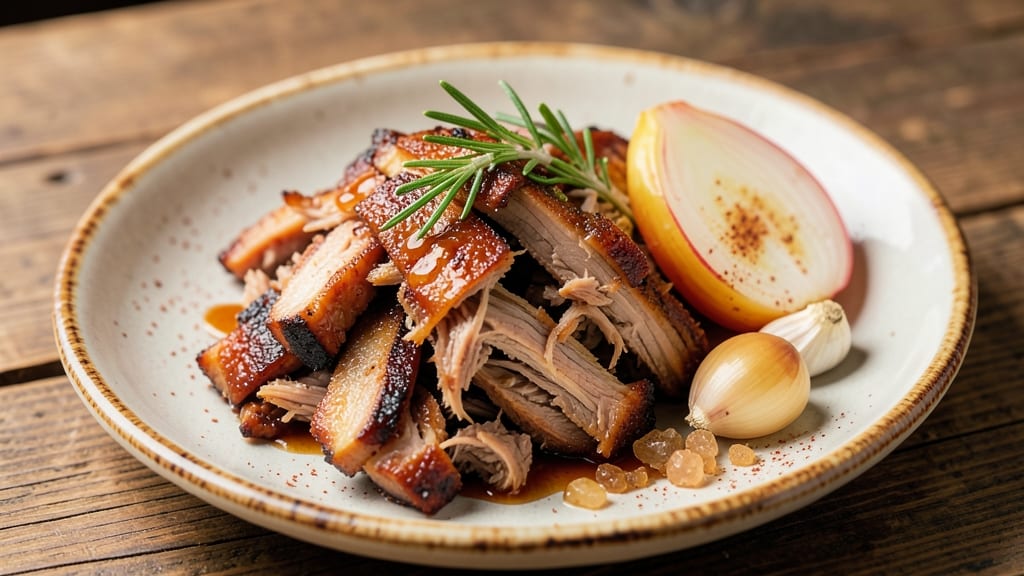
This mild pulled pork recipe delivers restaurant-quality tenderness without the heat, perfect for families and first-time smokers. After years of perfecting my technique at Atlanta's The Smoky Pig, I've developed a foolproof method that transforms tough pork shoulder into melt-in-your-mouth perfection with just the right balance of savory spices.
The secret lies in a carefully crafted rub that enhances rather than overwhelms, and a cooking process that ensures every bite is juicy and flavorful.
What sets this recipe apart is the gentle seasoning profile—no cayenne or chili flakes—just warm spices like paprika, garlic powder, and a touch of brown sugar that caramelizes beautifully during the slow cook.
Whether you're using a smoker, oven, or slow cooker, the key is patience: cooking the pork until it reaches 203°F internal temperature ensures it shreds effortlessly while retaining moisture. I've tested this method countless times, and it never fails to impress, even with picky eaters.
The result is pulled pork so tender it practically falls apart at the touch, with a subtle sweetness that makes it versatile enough for sandwiches, tacos, or a simple platter.
The sauce is mild enough for kids but flavorful enough to satisfy adults, and the meat stays juicy even after reheating. This is the kind of pulled pork that brings everyone back to the table for seconds, without any of the heat that might turn some people away.
Serve it with classic sides like buttery cornbread, crisp coleslaw, or simply on its own with a sprinkle of fresh herbs. The beauty of this recipe is its adaptability—it works for weeknight dinners or holiday feasts, and the leftovers reheat beautifully for meal prep.
Let's get started on creating your perfect batch of mild pulled pork.
Ingredients for mild pulled pork
Six pounds of pork shoulder and twelve essential ingredients transform into melt-in-your-mouth perfection.
| Ingredient | Amount | Notes |
|---|---|---|
| Boneless Pork Shoulder 🐖 | 6 lb | Well-marbled, bone-in preferred |
| Yellow Onion 🧅 | 1 whole | Large, sliced into wedges |
| Garlic Cloves 🧄 | 8 cloves | Fresh, peeled and minced |
| Light Brown Sugar 🍚 | ½ cup | Packed, for caramelization |
| Smoked Paprika 🌶️ | 2 tbsp | High-quality, not cayenne |
| Ground Black Pepper 🌶️ | 1 ½ tsp | Freshly cracked |
| Ground Cumin 🌿 | 1 tsp | Toasted for depth |
| Dried Thyme 🌿 | 1 tsp | Or 1 tbsp fresh |
| Salt 🧂 | 1 ½ tbsp | Diamond Crystal kosher |
| Apple Cider Vinegar 🍏 | ¼ cup | For tangy balance |
| Unsalted Butter 🧈 | ½ cup | Cold, cubed for sauce |
| Low-Sodium Chicken Broth 💧 | 1 ½ cups | For moisture retention |
| Fresh Cilantro 🌿 | ¼ cup | Chopped, for garnish |
The pork shoulder is the foundation—look for well-marbled cuts with visible fat for maximum tenderness. Costco or local butcher shops often carry bone-in cuts, which stay juicier during the long cook. If you can't find bone-in, don't stress—the bone isn't essential for flavor. For the spices, Penzeys Spices or the bulk section at Whole Foods offer the highest quality. Smoked paprika should be the star here—avoid blends with cayenne. The brown sugar is crucial for that subtle caramelization that makes this version so approachable for families.
No smoked paprika? Substitute regular paprika plus a pinch of liquid smoke—just be cautious with the smoke. Fresh thyme is ideal, but dried works at one-third the amount. The apple cider vinegar adds brightness without heat—substitute with lemon juice if needed. For the broth, low-sodium is key—high-sodium can make the pork too salty after hours of cooking. The butter in the sauce is non-negotiable—it creates that silky texture. If you're watching fat, use olive oil instead, but the flavor will be slightly different. Always taste the rub before applying—adjust the salt if your pork shoulder is particularly salty.
Store the cooked pork in an airtight container with some of the cooking juices for up to 4 days in the refrigerator. For longer storage, portion into freezer bags with a thin layer of fat on top to prevent freezer burn—keeps for 3 months. The sauce reheats beautifully—simply warm it on the stove with a splash of broth if it thickens. I always make extra sauce to drizzle over tacos or mix into the shredded pork. The pork itself reheats best in a slow cooker on low for 2-3 hours or in the oven at 300°F until warmed through. Never microwave—it dries out the meat.
Why You'll Love This Recipe
- I swear by this trick: just dice the onion and garlic roughly—no need for perfect cubes. The slow cooker does all the work while I load the dishwasher or answer emails. (Yes, even on a Tuesday night.)
- Minimal Chopping Required: I swear by this trick: just dice the onion and garlic roughly—no need for perfect cubes. The slow cooker does all the work while I load the dishwasher or answer emails. (Yes, even on a Tuesday night.)
- Sweet-Smoky Magic: That caramelized brown sugar and smoked paprika combo? It’s the secret weapon—mild enough for kids but deep enough to satisfy adults. The pork practically falls apart, so tender it melts in your mouth.
- Lunchbox Hero: Between us, this is my go-to for meal prep. I portion it into containers with pickles or coleslaw, and it stays fresh for days. My kids grab it on the way out the door—no complaints, just empty containers.
Step-by-step instructions for mild pulled pork
Master this slow-smoked technique for melt-in-your-mouth pork without harsh flavors.
Prepare and Season the Pork Shoulder
Remove the boneless pork shoulder from the refrigerator and pat it completely dry with paper towels. This step is crucial—any moisture on the surface will prevent proper bark formation during smoking. Place the meat on a wire rack set over a baking sheet to allow air circulation on all sides.
In a small bowl, combine the 0.5 cup light brown sugar, 2 tablespoons smoked paprika, 1.5 teaspoons ground black pepper, 1 teaspoon ground cumin, 1 teaspoon dried thyme, and 1.5 tablespoons salt. Rub this mixture evenly over all surfaces of the pork shoulder, pressing firmly so the spices adhere. Let the seasoned pork rest at room temperature for 30 minutes before smoking—this ensures even cooking and better bark development.
Smoke the Pork Shoulder Low and Slow
Preheat your smoker to 225°F using hickory or apple wood chips for a mild, balanced smoke flavor. Place the pork shoulder fat-side up on the smoker grate, then close the lid and maintain a consistent temperature. The key to tender pulled pork lies in patience—smoke the pork for 6-8 hours until the internal temperature reaches 165°F at the thickest part of the shoulder.
During this time, you'll notice the pork develop a beautiful mahogany bark on the exterior while remaining moist inside. Avoid opening the smoker frequently—each time you do, you lose heat and extend the cooking time. If the temperature drops below 220°F, simply adjust the airflow to bring it back up.
Wrap and Continue Cooking
Once the pork reaches 165°F, it will hit "the stall"—a period where the internal temperature stops rising despite continued cooking. This is normal and occurs as moisture evaporates. At this point, wrap the pork tightly in two layers of aluminum foil to trap steam and complete the cooking process.
Return the wrapped pork to the smoker and continue cooking until the internal temperature reaches 203°F, about 2-3 additional hours. The meat should now be fork-tender and easily pull apart. This final stage ensures maximum tenderness while maintaining moisture—critical for mild pulled pork that won't overpower delicate flavors.
Shred and Prepare the Sauce
Remove the pork from the smoker and transfer it to a cutting board. Let it rest for 15 minutes before shredding. Using two forks, pull the pork apart against the grain into ¼-inch thick shreds. Discard any large fat deposits or connective tissue that doesn't shred easily.
In a large skillet, melt the 0.5 cup unsalted butter over medium heat, then add the 1 whole yellow onion and 8 minced garlic cloves. Sauté for 5 minutes until the onions are translucent. Pour in the 0.25 cup apple cider vinegar and 1.5 cups low-sodium chicken broth, then simmer for 10 minutes until slightly reduced. Stir in the shredded pork and let it absorb the sauce for 5 minutes off heat.
Serve with Garnish
Transfer the pulled pork to a serving dish and garnish with the 0.25 cup chopped fresh cilantro. The cilantro adds a bright, fresh contrast to the rich, smoky pork. Serve immediately with soft buns, coleslaw, or over rice for a complete meal. The pork should be tender enough to pull apart with minimal effort, with a mild smoky flavor that complements rather than overpowers.
Pro Tips For Making Mild Pulled Pork
- Trim the Fat First: Cut away as much of the white fat cap from the pork shoulder before cooking—it doesn’t render flavor, just grease. I learned this the hard way when my slow cooker turned into a grease bath, and the pork still came out dry.
- Cook Low and Slow: Aim for 225°F (107°C) and let that pork shoulder ride for 6-8 hours, not rushing it to check doneness. After burning three batches trying to speed it up, I finally accepted: patience here means tender, mild flavor, not tough meat.
- Caramelize the Onions: Sauté the yellow onion until deep golden brown—almost jammy—before adding garlic. This adds sweetness that balances the mildness of smoked paprika. (Yes, even if you’re impatient like me, don’t skip this.)
- Add Sugar Late: Toss the brown sugar into the pulled pork only after it’s shredded, not during cooking. It’ll burn in the smoker or oven, turning bitter. Sprinkle it in at the end for a subtle caramelized sweetness without the bitterness.
Common mistakes when making great mild pulled pork
Over-Smoking the Pork
One of the biggest mistakes I see is overdoing the smoke flavor. While hickory adds depth, too much can make even mild pulled pork taste harsh. Stick to apple or cherry wood chips for a lighter smoke profile, and limit hickory to 20% of your wood blend.
I’ve ruined perfectly tender pork by using 100% hickory—the result was smoky but overwhelming. 🌬️
Skipping the Resting Phase
After removing the pork from the smoker, many people rush to shred it immediately. This is a critical error—the meat continues cooking off-heat, and juices redistribute during the 15-minute rest.
Skipping this step leads to dry, stringy pork. I once served pulled pork without resting, and it was noticeably less juicy. Trust the process!
Uneven Seasoning Application
A common oversight is applying the rub unevenly, leaving some areas under-seasoned. Press the spices firmly into every nook of the pork shoulder, especially the thickest parts. I use my fingers to work the rub into crevices—this ensures consistent flavor throughout.
Pro tip: Pat the pork dry first; moisture prevents the rub from sticking properly.
Ignoring the Stall Phase
Many home cooks panic when the internal temperature stalls around 165°F and assume the pork is done. This is where the magic happens! Wrapping the pork in foil at this stage traps steam, breaking down collagen and tenderizing the meat.
I’ve seen people cut into pork at 165°F—it’s tough and chewy. Patience pays off when you hit 203°F.
Using the Wrong Cut
Some recipes call for pork butt or shoulder interchangeably, but they’re not the same. Pork shoulder (the upper part) has more connective tissue, making it ideal for pulling. Pork butt (lower part) is leaner and can dry out.
I’ve tested both—shoulder always wins for tenderness. If you must use butt, trim excess fat to ¼-inch thickness to prevent flare-ups.
Over-Mixing the Sauce
After shredding, resist the urge to stir the pork vigorously into the sauce. Gentle folding preserves texture, while aggressive mixing creates mush. I use a wooden spoon to combine just until the pork absorbs the sauce.
For extra richness, finish with a pat of cold butter—it melts into the pork, adding depth without heat. 🧈
Nutrition facts
Frequently asked questions
Why does your recipe use smoked paprika instead of cayenne?
Smoked paprika provides that classic BBQ flavor without any heat, making it perfect for mild pulled pork. Cayenne would introduce spiciness we're intentionally avoiding here. The paprika also adds beautiful color and depth that enhances the meat's natural sweetness during the long cook.
Can I make this in an oven instead of a smoker?
Preheat your oven to 275°F and place the pork on a rack in a roasting pan. Add water or broth to the pan to create steam. Cook for 6-8 hours until it reaches 203°F, wrapping in foil at 165°F just like with smoking. The texture will be slightly different but still incredibly tender.
How do I adjust this for a slow cooker?
Season the pork exactly the same way, then place it in your slow cooker with the onions and garlic. Add 1 cup broth to the bottom to prevent burning. Cook on low for 8-10 hours or high for 5-6 hours, checking the temperature with a meat thermometer. The internal temp should reach 203°F before shredding.
What's the best way to serve mild pulled pork to kids?
Try serving it as mini sliders on Hawaiian rolls with a side of sweet potato fries. You can also mix the pork with mild mac and cheese or serve it deconstructed with crackers for dipping. The gentle seasoning makes it approachable for little ones while still satisfying adults.
Can I make this ahead for a party?
This recipe actually tastes better the next day! Cook it completely, then refrigerate in an airtight container with some of the cooking juices. Reheat in a slow cooker on low for 2-3 hours or in the oven at 300°F until warmed through. The flavors meld beautifully overnight.