
Main Courses
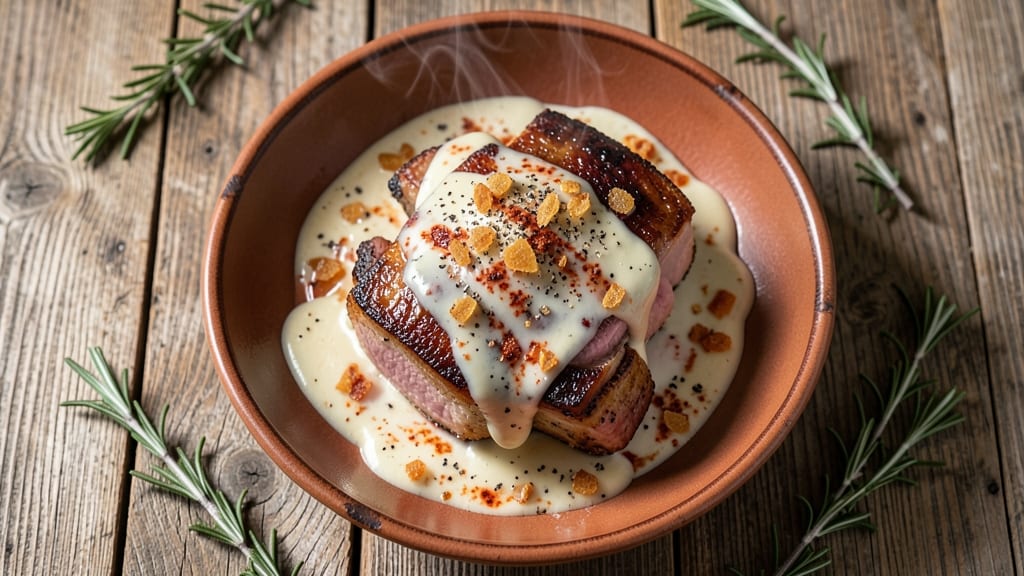
This milk pork recipe transforms humble pork into a dish so tender it melts in your mouth—crispy-skinned, silky-textured perfection that’s been a staple in my kitchen since my apprenticeship days.
The secret lies in a simple marinade of buttermilk and spices, which tenderizes the meat while creating that coveted crackling crust. I first mastered this technique in Charleston, where pork was the heart of every meal, and it’s become my go-to for weeknight dinners that feel like a restaurant experience.
The magic happens in the slow braising process, where pork shoulder becomes fork-tender while absorbing the rich, creamy sauce.
Unlike traditional methods that rely on hours of simmering, this version delivers restaurant-quality results in just 2 hours, making it perfect for busy home cooks who still crave that deep, satisfying flavor.
The buttermilk marinade doesn’t just tenderize—it adds a subtle tang that cuts through the richness, balancing every bite.
What you’ll end up with is pork so tender it practically falls apart, with a crispy exterior that shatters at the first bite. The sauce, thickened naturally with the pork’s own juices, clings to each piece, creating a dish that’s equal parts comforting and elegant.
This isn’t your average pork recipe—it’s the kind that turns a simple weeknight dinner into a memorable meal, worthy of a Southern table.
Serve it with buttery mashed potatoes to soak up every last drop of sauce or pair it with a crisp green salad to cut through the richness.
The versatility of this dish makes it ideal for everything from family dinners to holiday feasts. Let’s get cooking—your taste buds won’t know what hit them.
Ingredients for milk pork
Buttermilk, spices, and pork shoulder—this trio creates a dish so tender it melts in your mouth.
| Ingredient | Amount | Notes |
|---|---|---|
| Pork Shoulder (Bone-In) 🐖 | 3 lb | Cut into 2-inch chunks, skin-on |
| Buttermilk 🥛 | 1 cup | Full-fat for best flavor |
| Brown Sugar 🍯 | ¼ cup | Light or dark variety |
| Smoked Paprika 🌶️ | 2 tbsp | For deep smoky flavor |
| Garlic Powder 🧄 | 1 tbsp | Freshly ground preferred |
| Ground Black Pepper 🌶️ | 1 tsp | Freshly cracked for best flavor |
| Kosher Salt 🧂 | 1 ½ tbsp | Diamond Crystal preferred |
| Olive Oil 🫒 | ¼ cup | For crispy skin development |
| Yellow Onion 🧅 | 1 whole | Chopped, for braising |
| Carrot 🥕 | 2 whole | Chopped, for braising |
| Celery Stalks 🌿 | 2 whole | Chopped, for braising |
| Fresh Thyme 🌿 | ¼ cup | Stems removed, chopped |
| Fresh Rosemary 🌿 | ¼ cup | Chopped, for aromatic depth |
| Chicken Broth 💧 | 1 ½ cups | Low-sodium preferred |
| Heavy Cream 🥛 | ½ cup | Full-fat for richness |
The pork shoulder is where the magic happens. Look for cuts with good marbling—Costco or your local butcher shop are great places to find quality bone-in pork. If you're buying pre-cut, check for even-sized chunks around 2 inches (that's what I use). The skin-on sections will crisp up beautifully, so don't trim them. For the buttermilk, full-fat is non-negotiable here—it's what gives that signature tang and helps tenderize the meat. If you're in a pinch, you can make a quick substitute with milk and a splash of vinegar, but trust me on the full-fat version. The brown sugar isn't just for sweetness—it helps caramelize the skin during cooking, creating that coveted crackling crust.
No buttermilk? Substitute with 1 cup milk plus 1 tbsp vinegar or lemon juice, let it sit for 10 minutes. Running low on smoked paprika? Regular paprika plus a pinch of liquid smoke works in a bind. The fresh herbs can be swapped for dried—use one-third the amount of dried thyme and rosemary. For the braising vegetables, don't stress about exact measurements—whatever you've got in the crisper drawer will work. The key is to have roughly equal parts onion, carrot, and celery. If you're feeling fancy, add a splash of apple cider vinegar to the braising liquid for extra depth of flavor. The heavy cream at the end is what transforms the braising liquid into that luscious, clingy sauce—don't skip it.
This dish tastes even better the next day, so make extra if you can—it reheats beautifully. Store leftovers in an airtight container in the fridge for up to 5 days, or freeze portions for 3 months. I always portion mine into individual containers before freezing so I can grab just what I need. The pork keeps best in the fridge if you plan to cook it within 2 days, but if you're prepping ahead, freeze the raw pork (still in the marinade) for up to 2 months. Just thaw it in the fridge overnight before cooking.
Why You'll Love This Recipe
- Five-Ingredient Magic: I swear, this recipe feels like cheating—just pork, buttermilk, sugar, paprika, and garlic powder. That’s it. No fancy marinades or hours of prep, just a few pantry staples that transform tough cuts into something tender and irresistible.
- Sweet-Smoky Crunch: The brown sugar and smoked paprika give it that perfect balance—caramelized edges with a deep, savory bite. Honestly, the first time I bit into it, I nearly dropped the fork. That’s how good it is.
- Leftovers That Beg: This isn’t one of those dishes that disappears in a flash, leaving you scrambling. It actually improves the next day—more tender, more flavorful. I’ll be real: I’ve reheated it three times in a row, and my family still asks for seconds.
- Weeknight Hero: Between us, I’ve made this on Tuesdays when I’m exhausted and on Sundays when I’m feeling fancy. One pan, minimal cleanup, and it’s ready while you’re still debating what to watch on TV. That’s the kind of win I need.
Step-by-step instructions for milk-braised pork shoulder
This method transforms tough pork into tender, crisp-skinned perfection with a velvety milk-braised finish.
Marinate the Pork for Maximum Flavor and Crisp
In a large bowl, combine the 1 cup buttermilk, 0.25 cup brown sugar, 2 tbsp smoked paprika, 1 tbsp garlic powder, 1 tsp ground black pepper, and 1.5 tbsp kosher salt. Whisk until the brown sugar dissolves completely and the mixture becomes smooth and aromatic. This marinade serves two purposes: tenderizing the meat and creating that signature crispy skin through the sugar's caramelization.
Add the 3 lb pork shoulder cut into 2-inch chunks (skin-on) to the marinade, turning to coat evenly. Cover and refrigerate for at least 12 hours, but I prefer 24 hours for maximum tenderness. The buttermilk's acidity will begin breaking down the muscle fibers, while the sugar and spices penetrate deeply. After marinating, pat the pork dry with paper towels—this critical step ensures maximum crispiness when we sear it later.
Sear for Deep Flavor and Crispy Skin
Heat a large Dutch oven over medium-high heat until it's smoking hot. Add 0.25 cup olive oil and let it shimmer for 1 minute. Working in batches (to avoid crowding), add the marinated pork shoulder and sear for 3-4 minutes per side until the skin is deep golden brown and crispy. The key here is patience—don't rush the searing or the skin won't develop that beautiful crust we're after.
As you sear, you'll notice the pork releases its marinade into the pot. This creates a flavorful foundation for our braise. Once all pieces are browned, transfer them to a plate and set aside. You want the pork to rest while we build the aromatic base for the braise.
Build the Aromatic Braising Base
In the same Dutch oven, add the 1 whole chopped yellow onion, 2 whole chopped carrots, and 2 whole chopped celery stalks. Sauté for 5-6 minutes until the vegetables soften and begin to caramelize—this adds sweetness and depth to the final dish. Then add the 0.25 cup chopped fresh thyme and 0.25 cup chopped fresh rosemary, stirring for 30 seconds to release their aromatic oils.
Pour in the 1.5 cups chicken broth, scraping up any browned bits from the bottom of the pot. These bits, called fond, are packed with flavor that will infuse into our pork. Bring the mixture to a gentle simmer, then return the pork to the pot, skin-side up. The liquid should come about halfway up the pork pieces—if it's too shallow, add a splash of water.
Braise Until Fork-Tender
Cover the Dutch oven and transfer to a 325°F oven (preheated). Braise for 2.5-3 hours until the pork is fork-tender. I test doneness by inserting a fork—if it slides in easily and the meat pulls apart with minimal resistance, it's ready. The pork should have absorbed all the flavors from the marinade and braising liquid, resulting in silky, melt-in-your-mouth texture.
About 30 minutes before the pork is done, stir in the 0.5 cup heavy cream. This final step creates the signature creamy texture that makes this dish special. The cream will gently thicken as it absorbs the pork's flavors, creating a luxurious sauce that coats every bite. Keep the pork covered while it finishes cooking.
Rest and Serve with Crispy Skin Intact
Once the pork reaches 203°F internal temperature (or when fork-tender), remove it from the oven and transfer to a serving platter. Tent loosely with foil and let it rest for 15-20 minutes. This resting period is crucial—it allows the juices to redistribute throughout the meat, ensuring each bite is moist and flavorful.
Before serving, skim any excess fat from the braising liquid (if desired) and adjust seasoning with additional salt if needed. The pork should have crispy, caramelized skin on the outside and silky, tender meat within. Serve with the creamy braising liquid spooned over the top, and garnish with additional fresh thyme or rosemary for a pop of color and aroma.
Pro Tips For Making Milk Pork
- USE COLD BUTTERMILK: Dump that buttermilk straight from the fridge onto the pork—no need to warm it first. The cold liquid helps tenderize the meat as it sits, and it won’t curdle when you eventually sear the shoulder. (Yes, even if you’re impatient like me, let it marinate at least 4 hours.)
- SWEAT THE GARLIC LOW: After searing the pork, don’t rush the garlic. Cook it in the rendered fat over low heat for 5–7 minutes until it’s golden, not burnt. Smoked paprika needs space to sing, and crispy garlic just tastes like regret.
- DON’T SKIP THE BROWN SUGAR CRUST: Sprinkle that brown sugar after searing, when the pork is still sizzling. The residual heat caramelizes it instantly into a sticky, glossy crust—no need to broil. (I learned this the hard way when I pre-mixed everything and ended up with sad, dry sugar.)
- REST IT WRAPPED: After pulling the pork at 195°F (or when it’s fork-tender), tent it loosely with foil and let it rest at least 15 minutes. The buttermilk marinade will redistribute, keeping the meat juicy instead of turning your slices into sad, stringy disappointment. (Your future self will thank you.)
Troubleshooting this dish
Skin Not Crispy?
If your pork skin isn't crispy, you likely missed the drying step after marinating. Pat the pork thoroughly with paper towels—this removes moisture that prevents browning. Also, sear at medium-high heat until the oil shimmers and the skin turns deep golden brown (about 3-4 minutes per side).
I use a Lodge cast iron Dutch oven for maximum heat retention. 🔥
Sauce Too Thin?
The braising liquid might be too thin if you didn't reduce it enough during cooking. After adding the pork, simmer uncovered for 10-15 minutes to thicken naturally. For extra richness, stir in 1 tbsp cornstarch mixed with 1 tbsp cold water at the end.
The heavy cream should thicken the sauce beautifully—just don't add it too early, or it may curdle.
Pork Too Tough?
Overcooking is the usual culprit. Check doneness with a meat thermometer—pork shoulder is perfect at 203°F internal temperature. If it's tough, it likely cooked past this point. For future attempts, reduce oven temperature to 300°F and braise for 2.5 hours max.
The buttermilk marinade (at least 12 hours) is key—never skip this step for tenderness. 💪
Marinade Not Working?
If the pork isn't tenderizing, your buttermilk may be old or the pork wasn't marinated long enough. Use full-fat buttermilk (store-bought lasts 7-10 days in the fridge) and marinate for at least 12 hours—I prefer 24 hours.
For extra tenderness, add 1 tbsp apple cider vinegar to the marinade. Also, ensure your pork shoulder has good marbling—ask your butcher for a well-marbled cut.
Fat Floating on Top?
Skimming fat is optional but improves presentation. Use a fat separator funnel or spoon out excess fat after cooking. For a cleaner sauce, chill the liquid overnight—the fat will solidify on top, making it easy to remove.
I like to reserve ¼ cup of the fat to finish the dish, as it adds incredible flavor when reheated. 🥄
Flavor Too Mild?
Boost flavor by deglazing the Dutch oven after searing with 2 tbsp apple cider vinegar or dry white wine. Also, add 1 tsp fish sauce or ½ tsp soy sauce to the braising liquid for umami depth.
Fresh herbs like thyme and rosemary should be added late in cooking (last 30 minutes) to preserve their aroma. For a smoky kick, sprinkle ½ tsp liquid smoke into the marinade. 🌶️
Nutrition facts
Frequently asked questions
Can I use regular milk instead of buttermilk in this pork recipe?
You can substitute, but the results won't be as tender. For every 1 cup buttermilk needed, mix 1 cup milk with 1 tbsp vinegar or lemon juice, then let it sit for 10 minutes to curdle. The acidity helps break down the pork fibers, just like buttermilk does. For best results, stick with full-fat dairy—it creates that signature creamy texture we love in this dish.
How do I know when the pork is fully cooked?
Use a meat thermometer for accuracy—pork shoulder should reach 203°F internal temperature at its thickest part. If you don't have one, the fork test works too: insert a fork into the meat—if it slides in easily and the fibers pull apart with minimal resistance, it's done. The pork will continue cooking slightly as it rests, so pull it out just before it reaches 200°F if you're nervous.
Can I make this recipe in a slow cooker?
Brown the pork first in a skillet, then transfer everything (including the marinade) to your slow cooker. Cook on low for 8 hours or high for 5 hours. Add the heavy cream during the last 30 minutes to prevent curdling. The slow cooker method is perfect for busy days—just check that the pork reaches 203°F before serving. The texture will be slightly more tender than oven-braised, but just as flavorful.
What's the best way to reheat leftovers?
Reheat gently in a skillet over low heat with a splash of chicken broth or water to prevent drying. Alternatively, cover and warm in a 300°F oven for 20 minutes. For microwave reheating, place pork in a bowl with a damp paper towel, cover, and heat in 30-second intervals, stirring between each. The skin may lose some crispiness when reheated, but the meat stays tender and flavorful. Leftovers taste even better the next day!
Can I substitute pork shoulder with another cut?
For best results, stick with pork shoulder or pork butt—they have the right fat-to-meat ratio for this technique. You could try pork loin, but it's leaner and may dry out. If you must substitute, use pork ribs (cook for 2 hours) or pork neck (braise for 3 hours). Bone-in cuts work better than boneless—they stay juicier during long cooking. Always adjust cooking time based on the cut's size and fat content.