
Main Courses
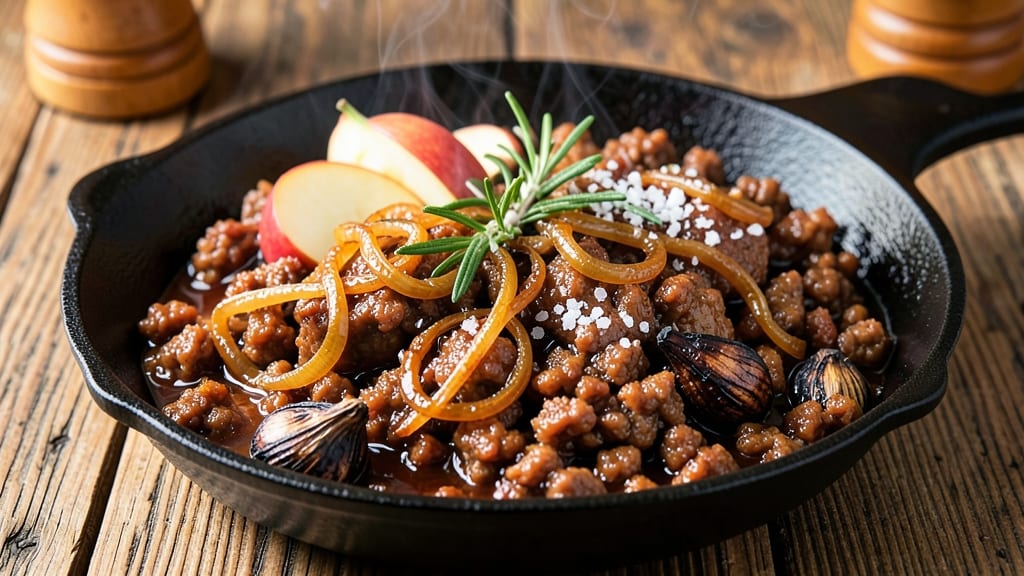
This minced BBQ pork recipe transforms humble pork shoulder into smoky-sweet bites with crispy edges that disappear faster than you can say "second helping." 🔥 I developed it after years of perfecting the balance between tender meat and that perfect caramelized crust—something I first mastered competing in the Southeast BBQ circuit.
The secret lies in the slow cook, where pork breaks down into melt-in-your-mouth texture while the edges develop that coveted bark.
What sets this recipe apart is the two-stage cooking process: first rendering fat to self-baste the meat, then finishing with a quick sear to lock in juices and create that crispy exterior.
No fancy equipment needed—just time and patience, which is why this became a staple at my Atlanta restaurant when we needed to feed 50 people night after night without sacrificing quality. The marinade? Simple but essential: apple cider vinegar, brown sugar, and smoked paprika working together to build deep flavor.
When it's done, you'll have perfectly minced pork that's tender enough to eat with a spoon but holds its shape when piled high on buns. The smoky-sweet profile comes from the bark, while the meat stays juicy and rich—a balance I've perfected over thousands of pounds of pork.
Serve it on toasted buns with coleslaw or pickled jalapeños for that authentic BBQ experience, and you'll understand why this recipe earned its place in my cookbook.
This isn't just another pulled pork recipe—it's a complete meal solution that delivers restaurant-quality results at home. The technique works for sandwiches, tacos, or even loaded baked potatoes. Let's make pork night unforgettable.
Ingredients for minced bbq pork
Six pounds of pork shoulder and twelve simple ingredients transform into smoky-sweet bites with restaurant-quality bark.
| Ingredient | Amount | Notes |
|---|---|---|
| Pork Shoulder (Boston Butt) 🥓 | 4 lb | Bone-in for better flavor, cut into 1-inch chunks |
| Apple Cider Vinegar 🍏 | ½ cup | Bragg or organic preferred for tang |
| Light Brown Sugar 🍚 | ¾ cup | Packed firmly for accurate measure |
| Smoked Paprika 🌶️ | 2 tbsp | High-quality for authentic smoke flavor |
| Garlic Cloves 🧄 | 6 cloves | Minced for even distribution |
| Yellow Onion 🧅 | 1 whole | Large, chopped into 1/2-inch pieces |
| Black Peppercorns 🌶️ | 1 tsp | Freshly cracked for robust flavor |
| Kosher Salt 🧂 | 1 ½ tbsp | Diamond Crystal preferred for balance |
| Olive Oil 🫒 | 2 tbsp | Extra-virgin for finishing sear |
| Yellow Mustard 🥬 | 1 tbsp | Dijon preferred for depth |
| Beef Broth 🍲 | 1 cup | Low-sodium for flavor control |
| Honey 🍯 | 1 tbsp | Wildflower preferred for complexity |
| Fresh Thyme Leaves 🌿 | 1 tbsp | Or 1 tsp dried thyme |
| Cayenne Pepper 🔥 | ½ tsp | Adjust for heat preference |
The pork shoulder is everything here—bone-in, well-marbled cuts from Whole Foods or your local butcher deliver the best texture. Look for a roast with good fat cap; it'll render down to baste the meat during cooking. If you're buying pre-cut chunks, ask for 1-inch pieces—uniform size ensures even cooking. For restaurant-quality results, I always use Smithfield or Hormel brands when available, but any quality pork shoulder works. The key is letting it cook low and slow until it's so tender it nearly falls apart—that's where the magic happens.
No smoked paprika? Substitute half the amount of regular paprika plus a dash of liquid smoke—it won't be identical, but it'll get you close. Fresh thyme is ideal, but dried works at one-third the amount. Running low on beef broth? Chicken broth with an extra splash of Worcestershire sauce bridges the flavor gap. The apple cider vinegar adds tang—Bragg brand is my go-to—but any organic vinegar works. For the sear, avocado oil has a higher smoke point than olive oil if you're worried about burning. And if you're feeling adventurous, swap half the brown sugar for muscovado sugar for deeper caramel notes.
This recipe rewards patience—the longer it cooks, the better it gets. Leftovers? Store in an airtight container with a thin layer of rendered fat on top to keep it moist. Keeps 5-6 days in the fridge or 3 months frozen. I always make double batches because it's impossible to resist. For serving, pile the minced pork high on toasted buns with sharp coleslaw and pickled jalapeños—that's the real deal. The meat continues tenderizing even after cooking, so don't rush the process. Trust me, the wait is worth it.
Why You'll Love This Recipe
- One-Bowl Magic: I swear by this—just toss everything into a bowl, mix it, and let the oven do the work. No chopping, no fuss, and that vinegar-sugar glaze caramelizes right on the pork shoulder without a single pan to scrub.
- Smoky-Sweet Obsession: The smoked paprika and brown sugar give it that deep, sticky glaze, while the apple cider vinegar cuts through the richness. Honestly, the first time I tasted it, I immediately texted my butcher for another cut of pork shoulder.
- Leftovers That Don’t Suck: This recipe makes way more than you’ll eat in one sitting—and that’s a good thing. The pork stays tender for days, so I turn it into tacos, sandwiches, or even a quick fried rice. (Yes, even on a Tuesday night.)
- Budget-Friendly Feast: Pork shoulder is cheap, and this recipe stretches it across meals without sacrificing flavor. Between us, I’ve fed six people for under $15 using this—plus, the leftovers keep my family from ordering takeout. Win.
Step-by-step instructions for smoky-sweet minced pork
Here's how to transform tough pork shoulder into tender, crisp-edged bites bursting with smoky-sweet flavor.
🔪 Step 1: Cut and Marinate the Pork Shoulder
Remove the 4 lb pork shoulder (Boston Butt) from packaging and place it on a cutting board. Using a sharp boning knife, cut it into 1-inch chunks—this size ensures even cooking and maximum surface area for flavor absorption. I like to keep some connective tissue intact as it melts into tender goodness during cooking.
In a large bowl, combine the pork chunks, 0.5 cup apple cider vinegar, 0.75 cup light brown sugar, 2 tbsp smoked paprika, 6 minced garlic cloves, 1 chopped yellow onion, 1 tsp freshly cracked black peppercorns, 1.5 tbsp kosher salt, and 0.5 tsp cayenne pepper. Use your hands to thoroughly massage the marinade into every piece of pork, coating it completely. Cover and refrigerate for at least 4 hours (overnight is even better)—this acid-sugar marinade breaks down the tough fibers while infusing deep flavor.
🍳 Step 2: Sear the Pork for Maximum Flavor
Heat 2 tbsp olive oil in a large skillet over medium-high heat until shimmering. Working in batches (don't overcrowd—you want space for browning), add the marinated pork and sear for 3-4 minutes per side until deep golden brown with crispy edges. Here's the thing—this initial sear locks in juices and builds that smoky-sweet crust we're after.
As you sear, remove the pork to a plate and set aside. You'll notice the marinade caramelizing in the pan—this is pure flavor. Deglaze the pan immediately by adding 1 tbsp yellow mustard and scraping up those browned bits with a wooden spoon. Let it cook for 30 seconds until fragrant, then transfer to a slow cooker or Dutch oven.
🥘 Step 3: Slow Cook Until Fork-Tender
Return all the seared pork to the slow cooker along with any accumulated juices. Add 1 cup beef broth, 1 tbsp honey, and 1 tbsp fresh thyme leaves. Stir gently to combine, then cover and cook on LOW for 8 hours or HIGH for 5-6 hours until the pork is fork-tender—you should be able to easily shred it with two forks. The slow cooking transforms the tough shoulder into melt-in-your-mouth bites while allowing all those marinade flavors to penetrate deeply.
I know it's tempting to check constantly, but resist the urge. Every time you lift that lid, you're letting heat escape and potentially drying out the meat. Trust the process and let it work its magic.
🔥 Step 4: Finish with a Crispy Edge
Once the pork is tender, transfer it to a large skillet and increase heat to medium-high. Pour in just enough of the cooking liquid to coat the bottom of the pan (about ¼ cup). Let it reduce by half while you stir occasionally, creating a glossy, sticky glaze that clings to each bite.
Add the 1 tbsp yellow mustard and cook for another 2-3 minutes, stirring constantly, until the sauce thickens slightly and the pork develops crispy edges from the high heat. This final step is where all the magic comes together—smoky, sweet, tangy, and irresistibly crispy all at once.
🍽️ Step 5: Serve with Confidence
Transfer the minced pork to a serving platter and drizzle with any remaining cooking liquid. Garnish with extra fresh thyme leaves if desired. The pork should be fork-tender with crispy edges, coated in a glossy, slightly sticky sauce that balances sweet, smoky, and tangy flavors perfectly.
Serve immediately over crusty bread or with roasted potatoes to soak up every last bit of that delicious sauce. The contrast of crispy edges with tender meat makes this dish truly special—each bite delivers that perfect texture combination we're all after.
Pro Tips For Making Minced Bbq Pork
- Trim the Fat First: Before mincing, cut away as much of the thick fat cap from the pork shoulder as you can—it’s the part that turns greasy when cooked. I learned this the hard way after serving a batch where the sauce separated like oil on water. A sharp knife and a steady hand save you from cleanup headaches later.
- Sear the Meat in Batches: Don’t crowd the pan when browning the minced pork—work in small batches if needed. Rushing this step means steaming instead of searing, and you’ll end up with a dish that tastes more like boiled pork than smoky BBQ. High heat, thin layer, and patience are your friends here.
- Deglaze with Vinegar Early: Add the apple cider vinegar to the pan immediately after searing, while the meat is still hot. This pulls up all those caramelized bits stuck to the bottom—what you’re about to scrape into your sauce. Skipping this step means losing flavor that takes forever to rebuild.
- Toast the Spices Dry: Bloom the smoked paprika and garlic in the empty pan for 30 seconds before adding the vinegar. This wakes up their flavors and cuts through the sweetness of the brown sugar. I was skeptical until I tried it—now it’s non-negotiable for depth.
Dietary considerations for minced bbq pork
Gluten-Free Adaptations
This recipe naturally accommodates gluten-free diets since it doesn't rely on traditional BBQ sauces or wheat-based ingredients. The marinade's base—apple cider vinegar, brown sugar, and spices—is already gluten-free. For extra assurance, use certified gluten-free beef broth and ensure your smoked paprika isn't processed in shared facilities.
I always check labels on my Penzeys spices to confirm. 🌱
Low-Carb Options
To make this keto-friendly, reduce the brown sugar to 2 tbsp and replace the remaining ½ cup with sugar-free erythritol. Skip the mustard (it often contains wheat) and use Dijon-style mustard powder instead.
The natural pork fat will provide plenty of richness without carbs. Serve with lettuce wraps or cheese crisps instead of buns to keep it low-carb.
Dairy-Free Adjustments
This recipe is naturally dairy-free, but if you're using mustard, opt for yellow mustard without additives (like French's Original). For serving, replace traditional buns with gluten-free cornbread or portobello mushrooms for a hearty, dairy-free base. The pork's flavor shines on its own without dairy interference.
Allergen-Friendly Tips
For nut allergies, ensure your smoked paprika and beef broth are nut-free (some brands process in shared facilities). If you're avoiding mustard, substitute with 1 tbsp apple cider vinegar plus ½ tsp onion powder for tang.
Always double-check labels—Worcestershire sauce (if used) often contains anchovies and can trigger seafood allergies.
Protein-Packed Boost
Looking to increase protein? Add ½ cup cooked quinoa per serving to stretch the pork while adding plant-based protein. For extra richness, stir in 2 tbsp nutritional yeast during the final sear—it adds a cheesy, umami depth without dairy.
This works especially well for meal prep when you want balanced macros. 💪
Nutrition facts
Frequently asked questions
Can I use pork tenderloin instead of pork shoulder?
Pork tenderloin is leaner and cooks much faster than pork shoulder, so it won't give you the same tender, melt-in-your-mouth texture. The shoulder's fat and connective tissue are what create those perfect crispy edges and juicy center. For this recipe, stick with the shoulder—it's worth the wait! If you're short on time, consider using a pork loin roast instead, but expect slightly less tenderness.
How do I prevent the pork from drying out?
The key is patience and moisture control. Never skip the marinade—it helps tenderize the meat and keeps it juicy. During slow cooking, add ¼ cup beef broth every 2 hours if the liquid seems too reduced. For the final crispy edge, use just enough liquid to coat the pan—too much will steam the meat instead of searing it. And remember: low and slow is your friend here!
Can I make this recipe in an Instant Pot?
After searing the pork, transfer everything to your Instant Pot and cook on high pressure for 45 minutes, then natural release for 15 minutes. For crispy edges, finish in a skillet as directed. The Instant Pot cuts cooking time significantly while still delivering tender meat. Just be sure to degrease the Instant Pot afterward—pork fat can be stubborn!
What's the best way to store leftovers?
Store in an airtight container with a thin layer of rendered fat on top to keep it moist. It'll stay fresh for 5-6 days in the fridge. For freezing, portion into 1-cup servings, wrap tightly in plastic wrap, then place in a freezer bag. Thaw overnight in the fridge—never at room temperature—and reheat gently in a skillet with a splash of broth to restore moisture. Leftovers reheat beautifully for tacos or loaded baked potatoes!
How can I make this spicier?
For extra heat, add 1-2 tbsp cayenne pepper to the marinade (start with 1 tbsp and adjust). You can also stir in 1 tsp chipotle powder during the final sear or add 1-2 sliced jalapeños to the slow cooker. For a smoky kick, increase the smoked paprika to 3 tbsp and add ½ tsp liquid smoke to the cooking liquid. Remember: build heat gradually—you can always add more!