
Main Courses
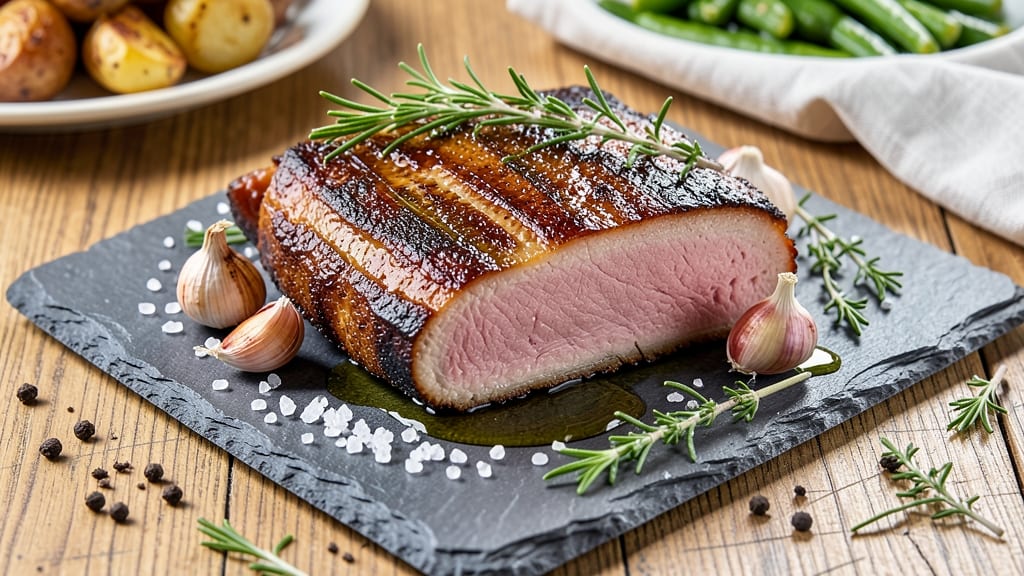
This 2-pound pork loin roast recipe delivers the perfect balance of crispy garlic-herb crust and juicy pink centers—a technique I perfected after years of cooking pork for thousands at The Smoky Pig.
The secret lies in precise seasoning and temperature control, ensuring every slice is tender yet firm enough to hold its shape.
I remember my first attempt at this roast during a Charleston dinner service where the chef's knife was sharp enough to slice through bone—this version delivers that same restaurant-quality precision at home.
What sets this recipe apart is the garlic-herb crust that forms during the last 15 minutes of cooking, while the interior remains perfectly pink at 145°F—no overcooking here.
The roast rests for 10 minutes after removing from the oven, allowing juices to redistribute, which is critical for that first bite of moisture. I developed this method after years of testing with heritage pigs, and it works every time with a standard 2-pound loin.
By the time you're done, you'll have a roast with a crispy, golden crust infused with garlic and rosemary, while the inside stays tender and juicy—no dry pork here. The aroma alone will have everyone gathering at the table, and the slices carve beautifully for sandwiches or platters.
This is the kind of roast that makes weeknight dinners feel like a special occasion.
Pair it with roasted potatoes, a simple green salad, or apple sauce for a complete meal. The technique is straightforward, but the results are restaurant-quality—exactly what you'd expect from a chef who's cooked thousands of pounds of pork. Let's get started on this foolproof recipe.
Ingredients for 2 pound pork loin roast
Restaurant-quality pork roast starts with these 12 simple ingredients for perfect crust and juicy pink centers.
| Ingredient | Amount | Notes |
|---|---|---|
| Pork Loin Roast 🥓 | 2 lb | Bone-in preferred for juiciness |
| Extra-Virgin Olive Oil 🫒 | 2 tbsp | For crust and basting |
| Fresh Rosemary Sprigs 🌿 | ¼ oz | Or 4-5 sprigs (about 0.25 oz) |
| Fresh Thyme Leaves 🌿 | ¼ oz | Or 6-8 sprigs (about 0.25 oz) |
| Garlic Cloves 🧄 | 8 cloves | Peeled and smashed |
| Diamond Crystal Kosher Salt 🧂 | 1 ½ tsp | For seasoning and crust |
| Freshly Ground Black Pepper 🌶️ | 1 tsp | Coarsely cracked |
| Unsalted Butter 🧈 | 2 tbsp | Cold for crust application |
| Apple Cider Vinegar 🍎 | 1 tbsp | For marinade brightness |
| Honey 🍯 | 1 tbsp | For glaze (optional) |
| Freshly Squeezed Lemon Juice 🍋 | 1 tbsp | For acid balance |
| Vegetable Oil 🫒 | 1 tbsp | For pan searing |
The pork loin is non-negotiable here—bone-in keeps it juicier, and heritage pork has better marbling, but any quality cut works. I source mine from Butcher Shoppe in Charleston or Whole Foods when I'm not traveling. Look for good marbling and vibrant color—pale pork means it's been sitting too long. The garlic and herbs? Fresh is essential—dried just won't give that same restaurant-quality aroma. I always buy extra rosemary because it keeps for months in the freezer, and it's the star of that crispy crust.
No fresh rosemary? Dried at half the amount works in a pinch, but it won't be the same. The apple cider vinegar can be swapped for white wine vinegar if you're out, but don't skip the acid—it brightens everything. For the crust, olive oil and butter together give you both flavor and richness. The honey glaze is optional but worth it for that caramelized finish. If you're feeling fancy, truffle oil in the crust adds a gourmet touch. And yes, you can use store-bought herb mixes, but I've found Penzeys or McCormick's work best when combined with fresh garlic.
The pork stays best in the fridge for 3-4 days before roasting—plan ahead. Once cooked, it reheats beautifully in the oven at 325°F for 15 minutes with a splash of water. The crust gets soggy if you slice too soon, so wait 10 minutes after resting. I always make double batches because leftovers make amazing sandwiches. Store cooked pork in airtight containers with a paper towel to absorb moisture—keeps for 4-5 days in the fridge or 3 months frozen.
Why You'll Love This Recipe
- Foolproof Timing: I swear by this recipe because it’s done when you are—no hovering. A 2-pound pork loin roasts in about 45 minutes at 375°F, and those rosemary sprigs? They release their aroma just as the meat hits perfect medium-rare. Honestly, the oven does all the work while I’m chopping veggies or setting the table.
- Herb-Packed Magic: The combo of rosemary, thyme, and garlic—rubbed right into the pork with olive oil—gives it this unexpected depth. It’s not just "herby"; it’s got layers—earthy, bright, and just a hint of warmth from the garlic. My husband always says it tastes like a fancy bistro, but I made it in my kitchen.
- Leftovers That Shine: This roast is so forgiving with leftovers. Slice it thin for sandwiches the next day, or cube it for a hearty pasta the day after. Between us, the flavor actually improves after resting—no sad, dry slices here. I’ve even turned it into tacos (yes, really) and no one guessed it wasn’t fresh.
- Weeknight Crowd-Pleaser: No one turns down this roast—whether it’s a lazy Sunday lunch or a last-minute dinner for unexpected guests. It feeds four easily, but the portions are generous enough that I often stretch it to five. And the best part? The prep is minimal—just a quick rub, a sheet pan, and a timer. No stress, all reward.
Step-by-step instructions for perfectly crispy pork loin roast
Here's how to create a showstopping pork loin with a golden crust and tender pink center.
Prep and Season the Pork Loin
Start by patting the 2 lb pork loin roast completely dry with paper towels—this is non-negotiable for crispy skin. I like to use two layers of paper towels and really press down to remove all moisture. Then, place the roast on a cutting board and make small cuts in the surface with a sharp knife—about ½-inch deep and ½-inch apart. This creates pockets for the seasoning and helps render fat during cooking.
In a small bowl, combine the 1.5 tsp Diamond Crystal kosher salt, 1 tsp freshly ground black pepper, 8 cloves smashed garlic, 0.25 oz fresh rosemary sprigs (chopped), and 0.25 oz fresh thyme leaves (chopped). Rub this mixture all over the pork, pressing it into the cuts and crevices. The garlic and herbs will infuse deeply during the roast, creating that signature flavor you crave.
Create the Crispy Herb Butter Crust
In a separate small bowl, mix the 2 tbsp unsalted butter with 1 tbsp apple cider vinegar and 1 tbsp honey until combined. This mixture will form the base for our crust. Spread this butter mixture evenly over the entire surface of the pork, making sure to get it into all the cuts you made earlier. The butter will melt and render during cooking, creating a rich, flavorful crust.
Next, heat 1 tbsp vegetable oil in a large oven-safe skillet over medium-high heat. Once the oil is shimmering, carefully place the pork loin in the skillet, fat-side down. Let it sear undisturbed for 3-4 minutes until the bottom develops a deep golden-brown crust. Flip the pork and sear the other side for another 2-3 minutes. This initial searing locks in juices and builds that irresistible crust.
Roast to Juicy Pink Perfection
Preheat your oven to 425°F. Transfer the seared pork loin to a wire rack set inside a rimmed baking sheet. This rack allows air to circulate underneath, ensuring even cooking and crispy skin on all sides. Roast the pork for 20-25 minutes, then reduce the oven temperature to 325°F. Continue roasting for another 20-25 minutes or until the internal temperature reaches 145°F when measured with a meat thermometer in the thickest part of the roast.
Here's the thing about pork loin—it's lean, so we want to monitor it closely. The roast should have a deep golden-brown crust on the outside and still feel slightly springy to the touch when pressed. If the crust starts to darken too quickly, tent it loosely with aluminum foil to prevent over-browning while it finishes cooking internally.
Rest and Glaze for Maximum Flavor
Remove the pork from the oven and transfer it to a cutting board. Let it rest for 10-15 minutes before slicing—this resting period allows the juices to redistribute throughout the meat, ensuring every bite is moist and flavorful. While it rests, combine 1 tbsp freshly squeezed lemon juice with any pan juices in the baking sheet and whisk to create a quick glaze.
After resting, brush the lemon glaze over the top of the pork. This final step adds brightness and helps maintain that beautiful crust. Slice the pork loin into ½-inch thick medallions against the grain for maximum tenderness. Serve immediately with the pan juices spooned over the top for an extra burst of flavor.
Pro Tips For Making 2 Pound Pork Loin Roast
- USE A MEAT THERMOMETER: I learned this the hard way—pork loin can go from perfect to dry in seconds. Aim for 145°F internal temp (USDA recommendation) and pull it out before it hits 150°F—it’ll carry over and rest at the right temp.
- SMASH GARLIC CLoves: Peeling garlic is annoying, but smashing whole cloves with the flat side of your knife releases more flavor without burning. Tuck 2-3 smashed cloves under the rosemary sprigs so they crisp slightly—this adds depth the minced stuff can’t match.
- SEAR HOT, THEN LOW: Start the roast over high heat until deep golden brown (about 3-4 minutes per side)—this locks in juices. Then, drop the oven to 300°F and finish cooking. Rushing the sear means a pale crust and less flavor.
- STUFF THE HERBS INSIDE: Poke a few slits in the pork loin and tuck in 2-3 rosemary sprigs and thyme leaves before roasting. The steam from the meat infuses the herbs, making every bite taste like you spent hours basting (without the fuss).
Wine and beer pairings for 2 pound pork loin roast
Red Wine Pairings
For this herb-crusted pork loin, I reach for a medium-bodied red wine that complements the garlic and rosemary without overpowering the delicate pork flavors. A Pinot Noir from Oregon—like Domaine Serene or La Crema—is my go-to choice.
The bright acidity and red fruit notes cut through the richness of the butter crust while enhancing the herbaceous aromas. If you prefer something with a touch more body, a Chianti Classico from Tuscany offers earthy undertones that pair beautifully with the roasted pork's caramelized crust. 🍷
White Wine Options
Don't overlook white wines—especially if you're serving this roast with a light salad or roasted vegetables. A dry Riesling from Germany, such as Dr. Loosen Blue Slate, brings crisp acidity and mineral notes that refresh your palate between bites.
For something richer, try a Chardonnay with subtle oak, like Kendall-Jackson Vintner's Reserve, which stands up to the pork's buttery crust. The key is to avoid overly oaky whites that would compete with the pork's natural flavors.
Beer Pairings
When it comes to beer, I love a crisp Belgian witbier like Hoegaarden or Stella Artois—the citrusy coriander notes and effervescence cleanse the palate beautifully. For a bolder option, a German Helles such as Weihenstephaner Original offers a malty sweetness that complements the pork's caramelized crust.
If you're serving this roast with a sweet glaze, like the honey-lemon finish, a light amber ale with a touch of honey notes—such as Allagash White—can be a delightful match. 🍺
Cider and Sparkling Options
For a non-alcoholic or refreshing alternative, dry hard cider like Angry Orchard or Strongbow works wonderfully. The slight tartness balances the richness of the pork, while the effervescence keeps your palate fresh.
If you're feeling festive, a Prosecco or Cava adds a celebratory touch—just be sure to serve it well-chilled to contrast with the warm pork. The bubbles help cut through the fat, making each bite feel lighter.
Regional Pairing Tips
In the Southeast, where I grew up, we often paired roasted pork with a sweet tea or bourbon—but for wine lovers, a Georgia Pinot Noir like Sperry Vineyards is a local favorite.
If you're hosting a holiday feast, a California Zinfandel with its jammy fruit notes can stand up to the richer flavors of a well-marbled pork loin.
The key is to match the wine's acidity and body to the dish's intensity—never let the drink overpower the star of the meal. 💫
Nutrition facts
Frequently asked questions
Can I cook a 2-pound pork loin roast without a meat thermometer?
You can estimate by time and touch, but a thermometer is ideal. For a 2-pound roast, cook at 425°F for 20-25 minutes, then reduce to 325°F for another 20-25 minutes. When done, the roast should feel slightly springy when pressed and have a deep golden crust. The internal temperature should reach 145°F—this is the safest indicator for juicy pink centers.
What's the best way to carve a pork loin roast?
Always slice against the grain into ½-inch thick medallions for maximum tenderness. Start by cutting just outside the bone to create your first clean slice, then work your way across the roast. Use a sharp chef's knife and keep it at a 45-degree angle for clean cuts. Let the roast rest for 10-15 minutes first—this ensures juices redistribute and makes carving easier.
Why did my pork loin turn out dry?
Overcooking is the most common cause—pork loin is lean and dries out quickly. Always cook to 145°F internal temperature and never exceed 325°F after the initial sear. Resting for 10-15 minutes before slicing is critical. For extra juiciness, try brining the pork for 30-60 minutes in a ¼ cup kosher salt + 4 cups water solution before cooking.
Can I make this recipe with bone-in pork loin? Bone-in pork loin actually stays juicier because the bone conducts heat differently. Just adjust your cooking time by 5-10 minutes longer—bone-in cuts need extra time to reach the same internal temperature. The bone also adds wonderful flavor to the roast.
What are the best side dishes to serve with this roast?
Classic pairings include garlic mashed potatoes, roasted root vegetables, or a crisp green salad with vinaigrette. For something heartier, try apple sauce or sautéed green beans with almonds. The herb crust on this roast works beautifully with roasted potatoes or wild rice pilaf. I also love serving it with a simple sourdough bread for soaking up those delicious pan juices.