
Main Courses
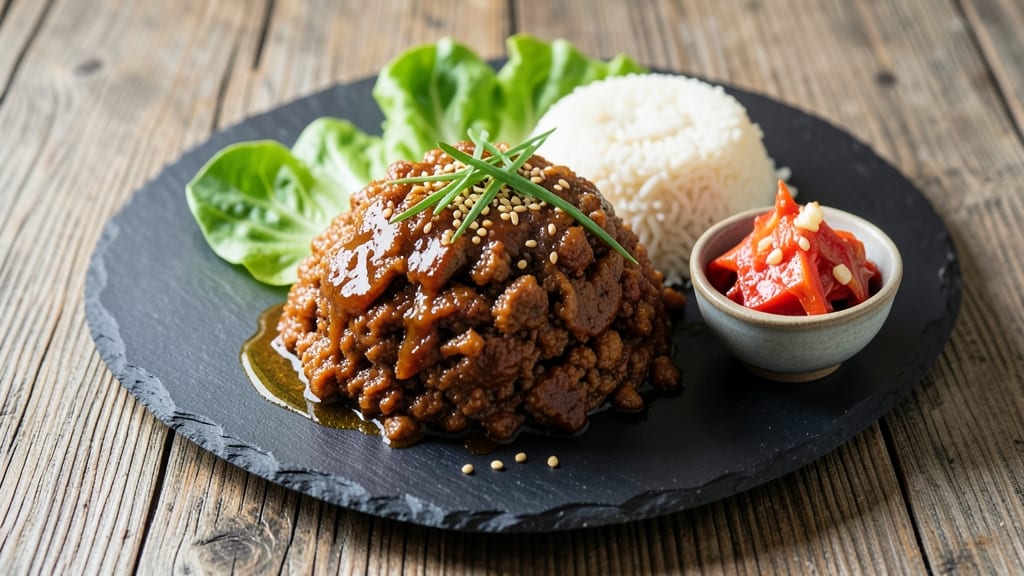
This minced pork bulgogi recipe brings the bold, caramelized flavors of Korean street food to your kitchen with just 15 minutes of active prep. 🔥 I developed this version after years of perfecting the balance between sweet, savory, and umami—where the pork transforms from raw to perfectly crispy-edged, sticky-sweet perfection through high-heat searing.
The secret lies in marinating the pork with a blend of soy sauce, brown sugar, and sesame oil, then cooking it fast over high heat to develop that signature bulgogi sheen.
The beauty of this recipe is its versatility—whether you grill it on a hot skillet or outdoor grill, the result is the same: tender, juicy pork with caramelized edges that practically melt in your mouth.
I always serve it over steamed jasmine rice to soak up every last bit of that sticky-sauce goodness, and pair it with quick-pickled radishes and kimchi for a full Korean-inspired spread. The marinade is simple but powerful, with just seven ingredients that work together to create layers of flavor.
What makes this bulgogi truly special is the caramelization that happens when you sear the pork in batches—don’t overcrowd the pan, or you’ll steam instead of crisp. The pork should sizzle and develop a glossy sheen, transforming from light to deep brown in just minutes.
This isn’t just another stir-fry; it’s a restaurant-quality dish that’s foolproof for weeknight dinners or weekend feasts.
Once you taste the first bite—crispy edges, tender center, and that perfect balance of sweet and savory—you’ll understand why bulgogi is a Korean comfort food staple. The aroma alone will have everyone at the table asking for seconds. Ready to make it?
Ingredients for minced pork bulgogi
Seven core ingredients transform raw pork into crispy, caramelized bulgogi magic.
| Ingredient | Amount | Notes |
|---|---|---|
| Ground Pork 🐖 | 1 ½ lb | Lean ground pork preferred |
| Soy Sauce 🍶 | ½ cup | Korean soy sauce for depth |
| Brown Sugar 🍚 | ½ cup | Packed, light brown preferred |
| Sesame Oil 🫒 | 1 tbsp | Toasted sesame oil for aroma |
| Garlic Cloves 🧄 | 6 cloves | Minced fine for even flavor |
| Ginger Root 🌿 | 1 tbsp | Freshly grated, not powdered |
| Green Onion 🧅 | 3 whole | White and green parts separated |
| Vegetable Oil 🫒 | 1 tbsp | High smoke point for searing |
| Salt 🧂 | 1 tsp | Kosher or sea salt |
| Black Pepper 🌶️ | ½ tsp | Freshly ground preferred |
| Rice Vinegar 🍶 | 1 tbsp | For brightness, optional |
| Toasted Sesame Seeds 🌾 | 1 tbsp | For garnish, optional |
The pork is everything here—lean ground pork gives that signature tender bite, while slightly fatty cuts can make it too greasy. Korean grocery stores or the Asian section at Walmart usually have the best quality, but regular supermarket ground pork works too. For the soy sauce, Kikkoman or Doosan are my go-tos—they’ve got that perfect balance of salty and umami. Brown sugar? Light brown is sweeter and dissolves better than dark. If you can’t find toasted sesame oil, regular sesame oil works, but toast a few seeds in a dry pan first to add that nutty aroma.
No sesame oil? Avocado oil at half the amount gets you close, but the flavor won’t be the same. Fresh ginger and garlic are non-negotiable—powdered just won’t cut it. Short on green onions? Scallions or chives work, but the white parts add a milder flavor that balances the heat. The rice vinegar is optional but adds a nice tang—Mushroom or seasoned rice vinegar both work. For extra caramelization, add a pinch more brown sugar to the pan while searing. And if you’re feeling fancy, substitute 0.25 cup pear puree for half the brown sugar for a fruity twist.
Marinate the pork for at least 30 minutes, but overnight is ideal—flavors meld beautifully. The cooked bulgogi reheats well, but the crispy edges soften, so eat it fresh if possible. Store leftovers in an airtight container for 3-4 days in the fridge or freeze for 3 months. I always make extra because it’s that good—double the batch and freeze half for lazy weeknights. Garnish with sesame seeds right before serving, or they’ll get soggy.
Why You'll Love This Recipe
- Five-Ingredient Magic: I swear by this recipe—just pork, soy sauce, brown sugar, sesame oil, and garlic. That’s it. No fancy prep, no hidden ingredients, just pure, sticky-sweet satisfaction that tastes like you spent hours marinating.
- Garlic-Sugar Crunch: The moment the brown sugar caramelizes with the garlic? Chef’s kiss. That crispy edge on the pork with the creamy, saucy center—it’s the kind of bite that makes people ask, “What’s in this?” (Then you get to brag about five ingredients.)
- Lunchbox Hero: Between us, this is my go-to for meal prep. Toss it in rice bowls for the week, or pack it in lettuce wraps for a no-fuss lunch. It reheats like a dream (no drying out, no weird textures) and still tastes fresh days later.
- Budget Stretch: A pound of ground pork and a few pantry staples feed four people for under $10. Honestly, I make this when I’m broke or when I’m treating myself—same result, different vibes. Plus, leftovers freeze beautifully for next month’s “I’m too tired to cook” night.
Step-by-step instructions for minced pork bulgogi
Here's how to create tender, caramelized minced pork bulgogi with perfect sweet-savory balance.
🍳 Step 1: Marinate the Pork for Maximum Flavor
In a large mixing bowl, combine the 1.5 lb ground pork with the 0.5 cup soy sauce and 0.5 cup packed brown sugar. Use your hands to break up any large clumps of pork and distribute the marinade evenly. This ensures every bite gets that signature sweet-salty flavor.
Next, add the 1 tbsp sesame oil, 6 minced garlic cloves, 1 tbsp freshly grated ginger root, 1 tsp salt, and 0.5 tsp black pepper. Mix thoroughly until the pork is completely coated in the marinade. I like to press the pork gently with my fingers to help the marinade penetrate deeply. Cover the bowl and refrigerate for at least 30 minutes (or up to 4 hours for deeper flavor). The longer it marinates, the more tender and flavorful your bulgogi will be.
🔥 Step 2: Cook the Bulgogi to Perfect Caramelization
Heat a large skillet or wok over medium-high heat and add 1 tbsp vegetable oil. Once the oil is shimmering, add the marinated pork in an even layer, spreading it out so it doesn't steam. Cook undisturbed for 3-4 minutes until the bottom starts to brown and crisp slightly.
Use a spatula to break the pork into smaller pieces as it cooks. This helps create those beautiful caramelized bits that make bulgogi so special. Continue cooking for another 4-5 minutes, stirring occasionally, until the pork is fully cooked through and the edges are nicely browned. You'll know it's ready when the pork releases easily from the pan and has a glossy, caramelized appearance.
🥘 Step 3: Finish with Aromatics and Brightness
Reduce the heat to medium-low and add the white parts of the 3 green onions (finely chopped). Stir for 30 seconds to let the raw onion flavor soften slightly. Then add the 1 tbsp rice vinegar and the green parts of the green onions (cut into 1-inch pieces). Cook for another 1-2 minutes just to warm through and brighten the dish.
Finally, drizzle in the 1 tbsp sesame oil and sprinkle with the 1 tbsp toasted sesame seeds. Toss everything together for 30 seconds until the sesame seeds are evenly distributed and the pork is coated in that beautiful nutty aroma. The rice vinegar adds a subtle tang that balances the sweetness perfectly, while the sesame seeds give it that authentic bulgogi finish.
🍽️ Step 4: Serve Immediately for Best Texture
Transfer the bulgogi to a serving platter and garnish with additional green onion slices if desired. Serve hot over steamed rice, with a side of quick-pickled cucumbers or a simple Asian slaw. The contrast of the cool, crunchy vegetables against the warm, caramelized pork is what makes this dish truly special.
For an extra touch, drizzle a little more sesame oil over the top just before serving. The bulgogi is best enjoyed immediately while it's still warm and the flavors are at their peak. If you have leftovers, store them in an airtight container in the refrigerator for up to 3 days, but I promise you won't have any leftovers—this dish disappears fast!
Pro Tips For Making Minced Pork Bulgogi
- Prep the Garlic Right: Mince those cloves thin—not chopped, not crushed, but paper-thin slices. I used to smash them with the flat of my knife, but now I slice them lengthwise first, then crosswise for even distribution. This keeps the flavor bright and prevents clumps in the pork.
- Marinate Overnight (Yes, Really): Skip the rush—let the pork sit in the sauce for at least 6 hours, or overnight if you can. The sugar needs time to break down and tenderize the meat, not just glaze it. I learned this the hard way after making a batch in 30 minutes and ending up with chewy, sticky pork.
- Cook in Batches: Don’t overload the pan—work in small portions so the pork sizzles and sears instead of steams. Crowding turns bulgogi into a sad, greasy mess. I now use a 10-inch skillet for 1 lb of pork max, and it makes all the difference for that caramelized crust.
- Finish with Sesame Oil: Add the sesame oil after the pork is cooked, not before. Drizzle it in at the very end while the pan is off the heat—this keeps the aroma intact and stops it from burning. I was skeptical until I tried it, and now I won’t make bulgogi any other way.
Troubleshooting this recipe
Pork Too Greasy?
If your bulgogi ends up greasy, it’s usually from using pork with too much fat. I always recommend lean ground pork (about 15-20% fat)—any higher, and you’ll get a soggy, greasy mess.
If you’re working with fattier pork, drain excess marinade before cooking and pat the pork dry with paper towels. For extra insurance, spread the pork in a thin layer on parchment paper before searing to help render excess fat. 🔥
Marinade Not Sticking?
The marinade should cling to the pork like glue. If it’s separating, your pork might be too dry or you’re using the wrong soy sauce. I swear by Korean soy sauce (like Doosan)—it’s thicker and clings better than regular soy sauce.
For extra adhesion, add 1 tbsp cornstarch to the marinade. Also, make sure your pork isn’t too cold when marinating—let it sit at room temperature for 10 minutes before mixing.
Bulgogi Too Dry?
Overcooking is the #1 culprit for dry bulgogi. The pork should cook in 8-10 minutes total, not 15+. If yours turns out dry, you likely stirred too much or cooked it too long.
For future batches, cook in one undisturbed layer for 3-4 minutes, then break it up gently. If it’s already dry, revive it by adding 1 tbsp water or broth to the pan and covering for 1 minute to steam.
No Caramelization?
Caramelization happens when you sear the pork at high heat with enough fat. If your bulgogi looks pale, you’re either not using enough oil or your heat isn’t hot enough. I use vegetable oil (high smoke point) and crank the heat to medium-high—the oil should shimmer like a lake.
For extra browning, add 1 tbsp brown sugar to the pan during the last 2 minutes of cooking. The sugar will melt and caramelize, giving that glossy sheen. ✨
Raw Pork in the Middle?
Ground pork cooks surprisingly fast, but if yours is still pink, it means you didn’t cook it long enough or your pan wasn’t hot enough. Always use a meat thermometer—bulgogi should reach 160°F internal temperature.
If you’re unsure, cut into a piece: if it’s translucent with no pink, it’s done. For future batches, cook in smaller batches if needed to avoid crowding the pan, which lowers the heat.
Nutrition facts
Frequently asked questions
Can I use beef instead of pork for bulgogi?
For a beef bulgogi, use 1.5 lb ribeye or sirloin cut into 1-inch strips instead of mincing. Marinate for 2-4 hours (beef needs more time) and sear over high heat for 2-3 minutes per side until caramelized. The texture will be chewier but equally delicious.
How do I make this bulgogi spicier?
Add 1 tsp gochugaru (Korean red pepper flakes) or ½ tsp cayenne pepper to the marinade for mild heat, or 1 tbsp gochujang (Korean chili paste) for deeper spice. For extra kick, stir in 1 tsp sriracha during the final 1 minute of cooking. Start with small amounts—you can always add more!
What’s the best way to reheat bulgogi?
Reheat in a skillet over medium heat with 1 tbsp water or broth for 2-3 minutes until warmed through. Avoid microwaving—it makes the pork rubbery. For crispy edges, add ½ tbsp sesame oil and sear for 1 minute after reheating. Store leftovers in an airtight container for 3-4 days.
Can I make bulgogi ahead of time?
Yes! Marinate the pork for up to 24 hours (flavors deepen over time), but cook it fresh for best texture. For meal prep, cook the bulgogi, let it cool completely, then store in an airtight container. Reheat gently—it’s perfect for lunchboxes or weeknight dinners. Freeze cooked bulgogi for 3 months (thaw overnight in the fridge).
What sides pair best with bulgogi?
Classic pairings include steamed jasmine rice, kimchi, and quick-pickled cucumbers. For extra freshness, add steamed bok choy or mandu (Korean dumplings). The acidity of pickled veggies cuts through the richness, while rice soaks up the sticky sauce.