
Side Dishes
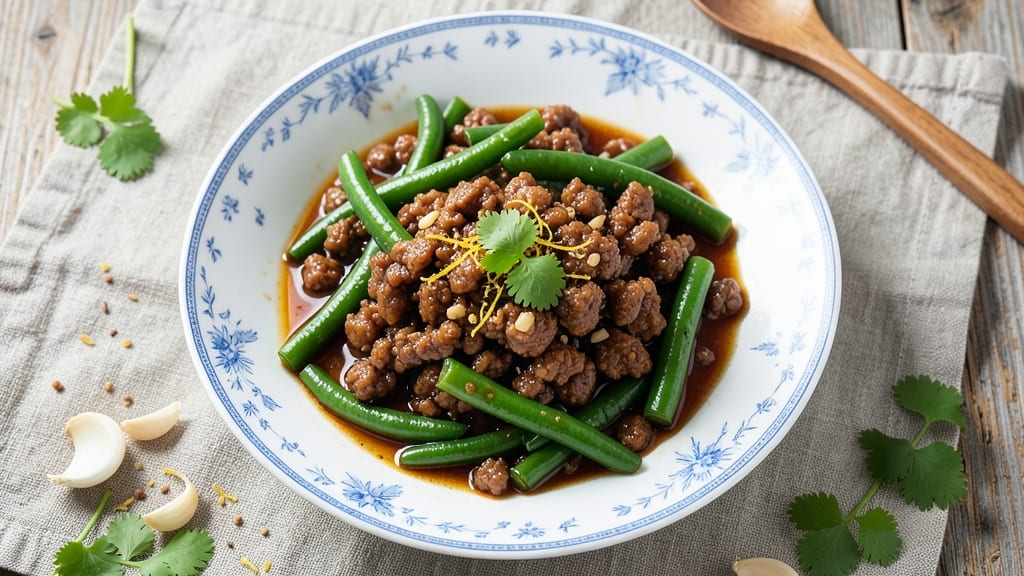
This minced pork and green beans Chinese recipe delivers the perfect balance of savory, umami-rich flavors with that signature wok-hei crunch. The secret lies in high-heat stir-frying, where tender pork absorbs the aromatic soy-ginger marinade while green beans blanch just enough to maintain crisp-tender texture.
I developed this version after years of perfecting stir-fry techniques in Charleston kitchens—where fresh ingredients and proper timing make all the difference.
The foundation starts with properly minced pork shoulder, marinated in a blend of soy sauce, Shaoxing wine, and garlic that develops deep flavor during the quick cooking process. Green beans are blanched separately to preserve their vibrant color and slight crunch before joining the wok.
The key technique? Working in batches to maintain consistent heat—this ensures the pork stays juicy while achieving that coveted wok-hei aroma that defines authentic Chinese stir-fry.
What you'll end up with is a dish that's restaurant-quality at home: tender minced pork with visible flecks of garlic and ginger, bright green beans that hold their shape, and a sauce that's perfectly balanced between salty, sweet, and savory.
The texture contrast between the slightly crisp pork and tender vegetables creates every bite satisfying. This recipe serves four and comes together in under 30 minutes—ideal for weeknight dinners or weekend family meals.
Pair it with steamed jasmine rice to soak up every last bit of that savory sauce, or serve over noodles for a heartier meal. The beauty of this dish is its versatility—it works equally well as a main course or side dish, and the flavors only deepen as it sits.
Let's get cooking!
Ingredients for minced pork green beans chinese
Fresh pork, vibrant green beans, and aromatic Chinese pantry staples create restaurant-quality stir-fry at home.
| Ingredient | Amount | Notes |
|---|---|---|
| Pork Shoulder 🥩 | 1 lb | Properly minced for even cooking |
| Green Beans 🥬 | 1 ½ lbs | Trimmed, cut into 2-inch pieces |
| Soy Sauce 🥄 | 3 tbsp | Light or all-purpose preferred |
| Shaoxing Wine 🍷 | 2 tbsp | Substitute dry sherry if unavailable |
| Garlic Cloves 🧄 | 6 cloves | Minced for aromatic depth |
| Fresh Ginger 🌿 | 1 tbsp | Finely grated, peeled |
| Sesame Oil 🫒 | 1 tbsp | For finishing aroma |
| Neutral Oil 🫒 | 2 tbsp | Vegetable or canola oil |
| White Sugar 🍚 | 1 tbsp | Balances savory flavors |
| Cornstarch 🌾 | 1 tbsp | For tenderizing pork |
| Salt 🧂 | 1 tsp | Kosher or sea salt |
| Black Pepper 🌶️ | ½ tsp | Freshly ground preferred |
| Sesame Seeds 🌰 | 1 tsp | Toasted for garnish |
The pork shoulder is the foundation—look for a well-marbled cut from butcher shops or the meat department. Properly mincing it (or having your butcher do it) ensures even cooking and that coveted wok-hei texture. For Shaoxing wine, Asian markets carry it, but dry sherry works in a pinch. Fresh ginger should have a vibrant color and firm texture—no wrinkled or moldy pieces. The green beans? Harvest fresh if possible, but store-bought works fine as long as they're crisp and bright. Trim the ends but leave the beans whole until after blanching—this preserves their structure.
No Shaoxing wine? Dry sherry or even a splash of mirin will work, though the flavor profile shifts slightly. Substituting white sugar? Honey or brown sugar at the same amount adds depth but changes the balance. For the pork marinade, cornstarch is key—it tenderizes while keeping the meat juicy. If you're short on sesame oil, toasted sesame oil (found in Asian grocery stores) adds incredible aroma. The green beans can be blanched ahead and stored in ice water for up to 2 days—just drain well before stir-frying. Want extra crunch? Add a handful of water chestnuts at the end.
This dish reheats beautifully—just add a splash of water and stir-fry over high heat. Keeps for 3-4 days in the fridge, but the flavors deepen overnight. For meal prep, portion into airtight containers with a layer of parchment paper between servings to maintain crispness. Freezes for up to 3 months, though texture may soften slightly. The sesame seeds toast best in a dry pan over medium heat for 30 seconds—watch them closely to avoid burning.
Why You'll Love This Recipe
- One-Pan Magic: I swear by this recipe when I’m too tired to wash dishes—just sear the pork, toss in the green beans, and let the soy sauce and Shaoxing wine do their thing. The garlic cloves sizzle right in the pan, so no extra bowls or strainers needed.
- Umami Bomb: That pork shoulder, when minced and caramelized, melts in your mouth while the green beans stay crisp. The Shaoxing wine cuts through the richness, and honestly? The first bite makes you question why you ever ordered takeout.
- Lunchbox Hero: Between us, this is my go-to for meal prep—it reheats like a dream and keeps its texture for days. Pack it in bento boxes for work or school, and you’ll be the one everyone asks for seconds from.
- Budget Stretch: A pound of pork shoulder and a bag of green beans feed four people for under $15. The soy sauce and wine elevate it without breaking the bank, and leftovers? They’re even better the next day—if you can resist eating them all at once.
Step-by-step instructions for minced pork and green beans stir-fry
This method delivers tender pork with crisp-tender green beans and a perfect soy-wokhei balance.
Prep the Pork for Maximum Tenderness
Place the 1 lb pork shoulder in a mixing bowl and cut it into ½-inch cubes. Add the 1 tbsp cornstarch, 1 tsp salt, 0.5 tsp black pepper, 1 tbsp white sugar, 3 tbsp soy sauce, and 2 tbsp shaoxing wine. Mix thoroughly with your hands until every piece is evenly coated. The cornstarch helps tenderize the meat while the sugar and soy sauce create a perfect balance of sweet and umami.
Let the marinated pork sit for 15 minutes at room temperature while you prepare the vegetables. This resting time allows the flavors to penetrate the meat and ensures even cooking. Don't skip this step—rushing here will result in tough pork.
Blanch and Prep the Green Beans
Trim the ends from the 1.5 lbs green beans and cut them into 2-inch pieces. In a large pot of boiling water, blanch the green beans for 1 minute 30 seconds until they turn bright green but remain crisp. Immediately drain and plunge them into ice water to stop the cooking process. This quick blanching removes bitterness and ensures they stay crisp-tender during stir-frying.
Drain well and pat dry with paper towels. The beans should be completely dry before stir-frying—any moisture will steam them instead of crisping them. Keep them in a bowl while you prepare the aromatics.
Stir-Fry the Pork Until Fully Cooked
Heat 1 tbsp neutral oil in a wok or large skillet over medium-high heat until shimmering. Add the marinated pork in a single layer and let it sear undisturbed for 2 minutes until the edges turn golden. Stir-fry for an additional 4-5 minutes until the pork is fully cooked through and no longer pink in the center.
Remove the pork to a clean plate and set aside. The pork should be tender but still retain some bite. If it's releasing too much liquid, increase the heat slightly to evaporate the moisture. Don't overcrowd the pan—this prevents proper browning.
Cook the Aromatics and Finish the Dish
In the same wok, add the remaining 1 tbsp neutral oil and swirl to coat. Add the 6 cloves minced garlic and 1 tbsp finely grated fresh ginger, stirring constantly for 30 seconds until fragrant. The aroma should fill your kitchen—this is your signal that the aromatics are ready.
Add the blanched green beans and stir-fry for 2-3 minutes until they're heated through and slightly blistered. Return the pork to the wok and toss everything together for 1 minute to combine flavors. Drizzle with 1 tbsp sesame oil and toss again to coat evenly.
Garnish and Serve Immediately
Transfer the stir-fry to serving plates and sprinkle with 1 tsp toasted sesame seeds. Serve immediately over steamed rice while the pork is still hot and the green beans retain their crisp texture. The dish should have a perfect balance of savory, slightly sweet, and nutty flavors with each bite.
This stir-fry keeps well for 2 days in the refrigerator, but the texture of the green beans will soften over time. For best results, reheat gently in a skillet with a splash of water to maintain crispness.
Pro Tips For Making Minced Pork Green Beans Chinese
- STIR-FRY IN TWO BATCHES: If your pan’s too crowded, the pork will steam instead of sear—resulting in soggy green beans and bland flavor. Cook half the pork first, push it to one side, then add the rest. Once the second batch is browned, toss everything together. (Yes, it looks messy, but that’s how you get crispy edges.)
- TRIM GREEN BEANS LIKE A PRO: Cut the ends off the green beans at an angle—about 1/4 inch—and snap them in half. This exposes more surface area for faster cooking and prevents them from curling up like little question marks. No, you don’t need to peel them unless they’re waxy and tough.
- DON’T DROWN THE GARLIC: Mince the garlic fine—almost like a paste—so it dissolves into the pork instead of sitting in clumps. Add it after the pork has browned, not at the start, or it’ll burn before the soy sauce can mellow it out. (I learned this after smelling my kitchen like a garlic factory.)
- USE COLD PORK FOR BETTER BROWN: Take the minced pork out of the fridge right before cooking—cold fat renders slower, giving you better searing. If it’s room temp, the edges will turn gray before the center cooks through. Trust me, the extra 10 minutes waiting pays off.
Troubleshooting perfect results
Pork Too Tough
If your pork ends up chewy instead of tender, you likely didn't marinate it long enough or used the wrong cut. Pork shoulder needs that 15-minute marinade with cornstarch to break down fibers—never skip this!
I've seen home cooks use pork loin instead, which is leaner and tougher. Stick to pork shoulder from your local butcher shop, and always cut it into ½-inch cubes for even cooking. 💡
Green Beans Mushy
Overcooked beans are the #1 mistake I see. The key is that 1 minute 30 seconds blanch—no longer! If your beans turn soggy during stir-fry, they were either underblanched or overcrowded in the wok.
I recommend blanching them first, then draining completely before stir-frying. For extra insurance, keep them in ice water until ready to cook. 🥬
Sauce Too Salty
This happens when you don't balance the flavors properly. The 1 tbsp sugar in the marinade is crucial—it cuts through the soy sauce's saltiness. If it's still too strong, add 1 tsp honey or Shaoxing wine at the end.
I've found that using light soy sauce instead of dark helps too. Taste as you go—you can always adjust, but you can't take salt out! 🧂
No Wok-Hei Flavor
That signature smoky aroma comes from high heat and proper technique. Your wok or skillet must be ripping hot before adding oil—no medium heat here! I use a carbon steel wok preheated for 5 minutes on high.
If you're using a flat-bottom pan, crank the heat to maximum and work quickly. The sesame oil at the end adds that final aromatic punch too. ⚡
Pork Dry After Cooking
This usually means you overcooked it or didn't rest it properly. Remove pork when it's just slightly underdone (160°F internal temp)—it'll carryover cook while resting. I cover it with foil for 5 minutes before serving.
Also, never skip the cornstarch! It creates a moisture barrier that keeps the meat juicy. If it's still dry, try adding 1 tsp water or Shaoxing wine when tossing everything together at the end. 💧
Uneven Cooking
Working in batches is the solution. Your wok can only handle so much food at once—overcrowding steams instead of sears. I cook the pork in two batches if needed, then do the same with the green beans.
This ensures proper browning and even cooking. Also, keep your ingredients prepped and ready—wasting time between steps causes temperature drops. 🔥
Nutrition facts
Frequently asked questions
Can I substitute ground pork for minced pork shoulder?
Ground pork works in a pinch, but pork shoulder gives better texture and flavor. The fat marbling in shoulder keeps the meat juicier during high-heat stir-frying. If using ground pork, pat it extra dry first and reduce the cornstarch to ½ tbsp—ground meat already has binders.
How do I get the green beans extra crispy?
Blanch them for exactly 1 minute 30 seconds, then shock in ice water immediately. Pat completely dry with paper towels before stir-frying. For extra crunch, add ½ tsp baking soda to the blanching water—it helps preserve texture. Work in batches if needed to avoid steaming.
What's the best way to reheat leftovers?
Reheat in a skillet over medium heat with 1 tsp neutral oil and 1 tbsp water for 2-3 minutes. Avoid microwaving—it makes the beans mushy. For extra flavor, add a splash of Shaoxing wine or soy sauce while reheating. Store in airtight containers for up to 3 days.
Can I make this vegetarian?
Swap the pork for 1 lb extra-firm tofu pressed and cubed, or 1 lb king oyster mushrooms sliced. Marinate the tofu/mushrooms in the same sauce (without cornstarch) for 20 minutes. Use 1 tbsp arrowroot powder instead of cornstarch for binding. The texture will differ but still be delicious!
Why does my stir-fry taste bland?
High heat is key—your wok must be ripping hot before adding oil. Use toasted sesame oil (not regular) for finishing, and add ½ tsp white pepper if you want more depth. I also recommend using dark soy sauce for color and extra umami. Taste as you go—adjust with a pinch of sugar or salt.